An Egyptian-Spanish team has uncovered a roughly 4,300-year-old mastaba at Saqqara belonging to Yunmen, an official who heard appeals, and his father Ity, a senior scribe. The tomb dates to Pharaoh Djedkare Isesi's Fifth Dynasty and contains two chapels with finely carved reliefs and painted scenes that have retained much of their original color. Officials described the imagery as "exceptionally well-preserved," and the discovery adds to Egypt's efforts to promote archaeology and tourism following the Grand Egyptian Museum opening.
Exceptionally Well-Preserved 4,300-Year-Old Mastaba of an Ancient Judge Unearthed at Saqqara
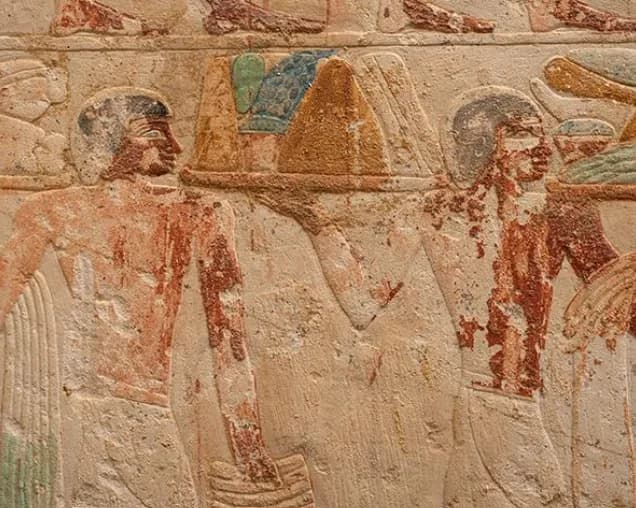
An Egyptian-Spanish archaeological mission has uncovered a 4,300-year-old tomb near Cairo belonging to an ancient judge and his father, local authorities said. / Credit: Egyptian tourism and antiquities ministry
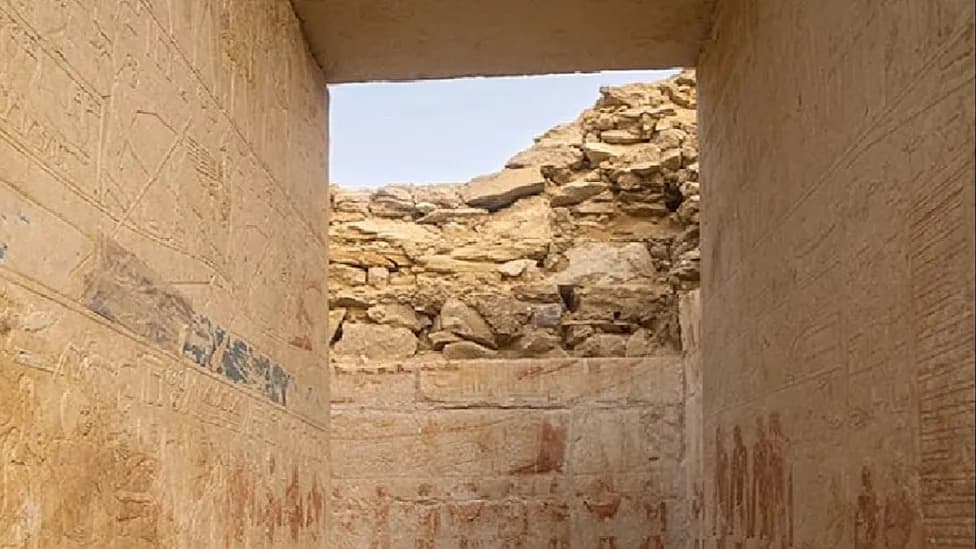
An Egyptian-Spanish archaeological mission has uncovered an exceptionally well-preserved mastaba dating to roughly 4,300 years ago near Cairo. The tomb, located in the Mariette Cemetery area of northern Saqqara, belonged to Yunmen, a high-ranking official who judged appeals, and includes an adjoining chapel for his father, Ity.
The team said the burial dates to the reign of Pharaoh Djedkare Isesi of Egypt's Fifth Dynasty (24th century B.C.), a period noted for administrative reforms. The excavation is part of a long-running joint project between the Autonomous University of Barcelona and Egypt's Supreme Council of Antiquities.
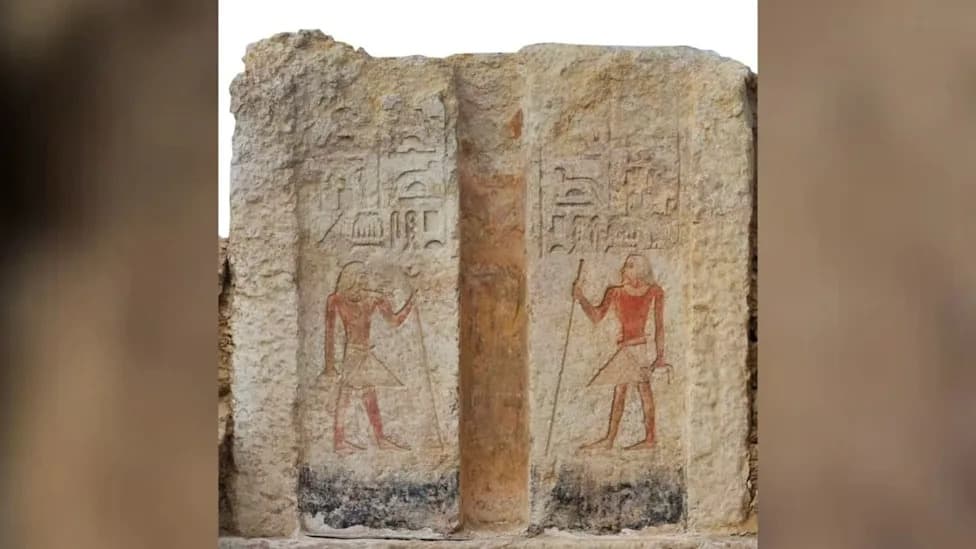
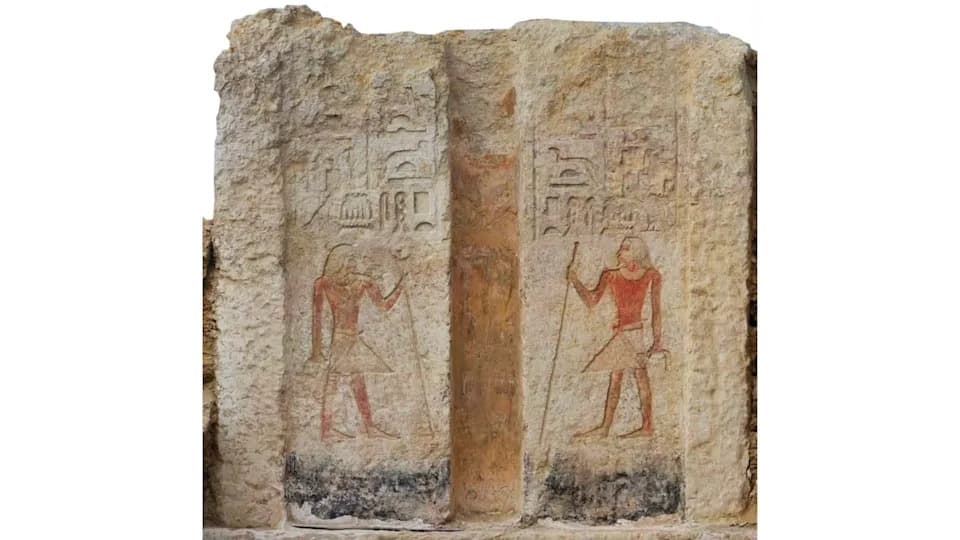
Yunmen's chapel is richly decorated with finely carved reliefs and painted scenes showing farmers at work, servants bearing offerings, and ritual passages associated with funerary rites. Many of the pigments appear to have retained vivid color despite being buried for more than four millennia. "It features exceptionally well-preserved scenes," the Egyptian Ministry of Tourism and Antiquities wrote on social media while releasing images from the site.
Amr al-Tayeb, director of the Saqqara archaeological site, told AFP that Yunmen's duties "align with the ancient Egyptian concept of Maat," the principle and goddess representing truth, justice and social order — underscoring the civic role of the tomb's owner. Ity, Yunmen's father, served as a senior scribe responsible for overseeing agricultural lands and offerings; his chapel contains traces of painted offering scenes and a false door, the symbolic gateway through which the living provided sustenance to the dead.
Archaeological and Cultural Significance
The discovery provides fresh insight into Fifth Dynasty administrative roles and funerary art, and it adds to the growing list of high-profile finds Egypt is publicizing to boost tourism. Archaeologists also exposed an ornate facade covered in funerary inscriptions and formal depictions of the tomb owners, material that can help historians better understand bureaucracy, land management and religious practice under Djedkare Isesi.
The announcement arrives as Egypt promotes recent archaeological work alongside major national projects: in November authorities hosted dozens of foreign leaders for the official opening of the Grand Egyptian Museum, a long-delayed, roughly $1 billion facility first planned to open in 2010 but postponed by financial crises, political uprisings, the COVID-19 pandemic and regional conflicts.
What Makes This Find Remarkable: Its age, the dual chapels for father and son, and the unusually vivid painted reliefs that have survived more than 4,000 years beneath the desert sands.
Help us improve.