A Spanish-Egyptian team led by Josep Cervelló and the Autonomous University of Barcelona has uncovered a well-preserved double-chapel mastaba in Saqqara dating to the late Fifth Dynasty (c. 2494–2345 BC). The tomb, commissioned by the official Yunmen and also containing his father Iti, features finely worked architraves, personalized funerary texts and painted reliefs—many retaining their original colours—that depict agriculture, offering processions and animals. The discovery, in the Mariette necropolis, offers fresh evidence on art, administration and funerary practice and points to at least two more nearby tombs for future excavation.
Spanish Team Uncovers 4,400-Year-Old Saqqara Mastaba With Original Paints Intact
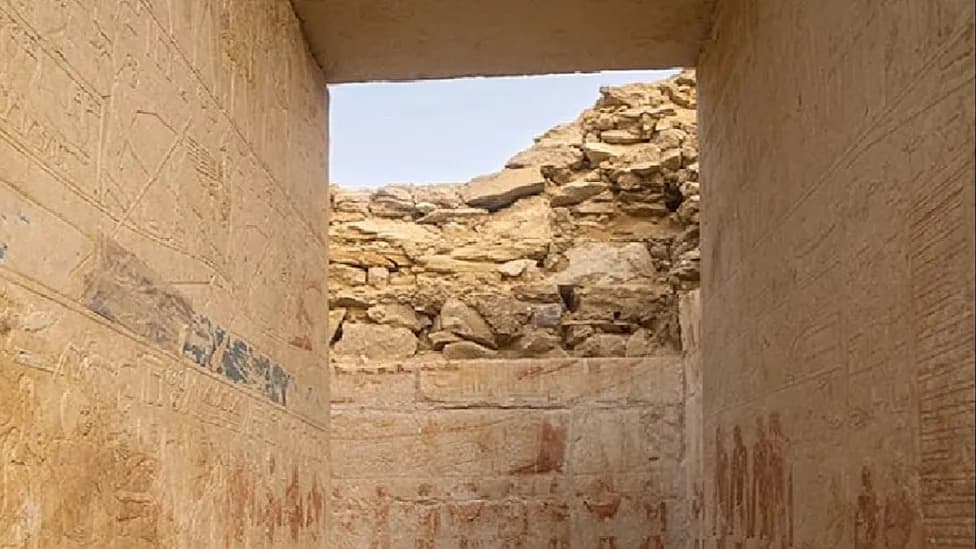
Spanish archaeologists discover 4,400-year-old tomb in Egypt with original colours intact
A Spanish-Egyptian archaeological mission led by Spanish Egyptologist Josep Cervelló and the Autonomous University of Barcelona (UAB), in collaboration with Egypt's Supreme Council of Antiquities, has uncovered an exceptionally well-preserved tomb in the Saqqara necropolis southwest of Cairo. The mastaba dates to the late Fifth Dynasty of Egypt's Old Kingdom (c. 2494–2345 BC) and was revealed during this summer's excavations in the Mariette sector of northern Saqqara.
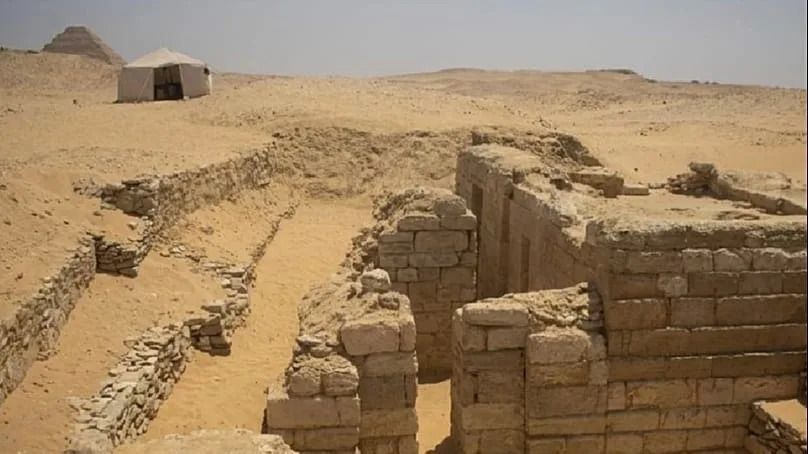
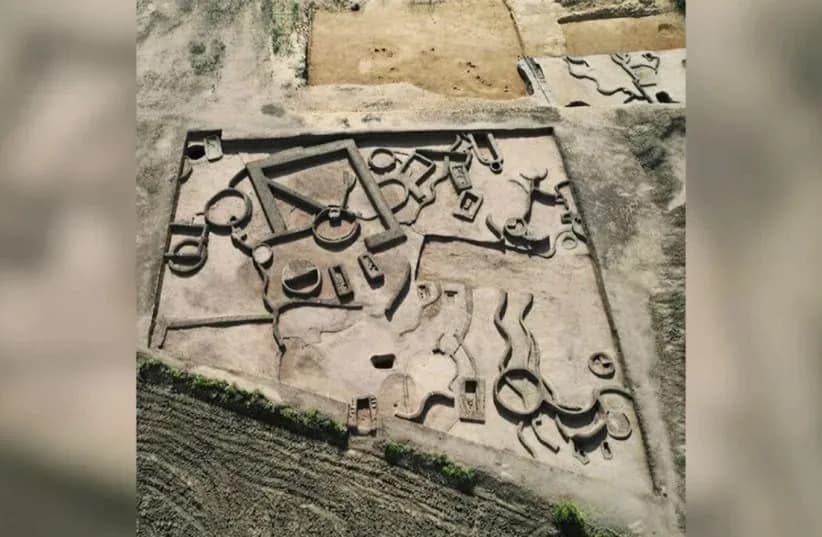
The excavation site. - Ministerio de Turismo y Antigüedades de Egipto vía Instagram
Double Chapel Mastaba of Yunmen and His Father
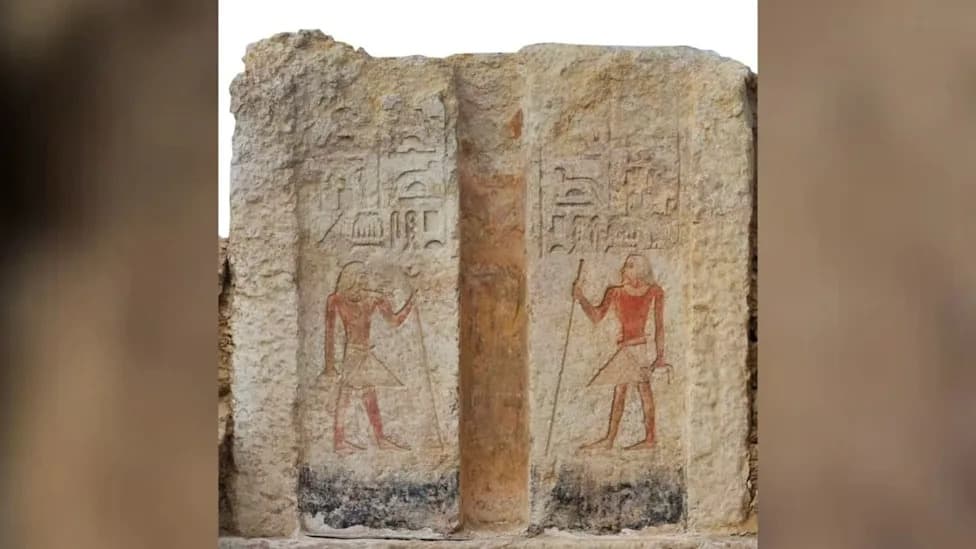
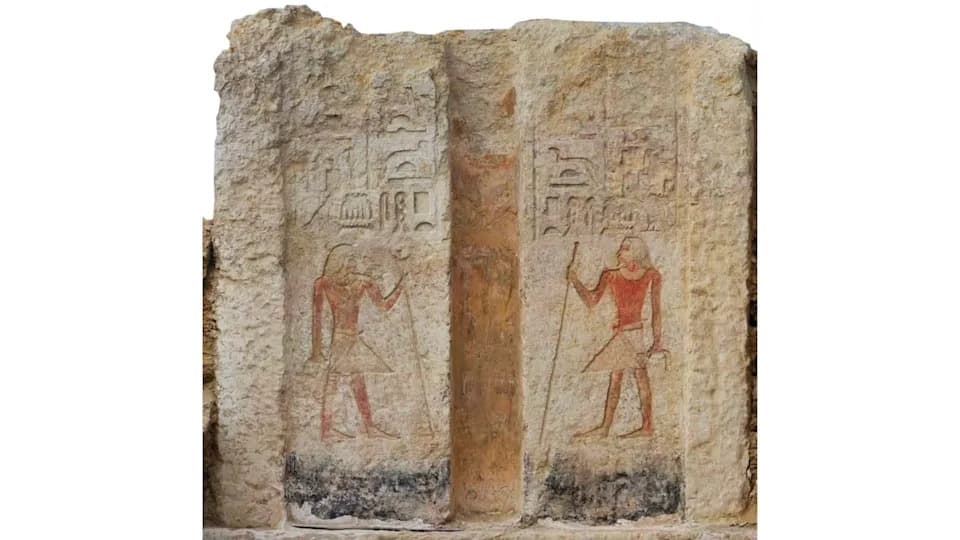
Archaeologists identified the structure as a rare double funerary complex commissioned by a senior official named Yunmen (also reported in some statements as Younmin) that also contains the burial space of his father, Iti (also spelled Ity). The complex includes two funerary chapels and an elaborately worked architrave bearing funerary texts tailored to the owners' titles and offices.
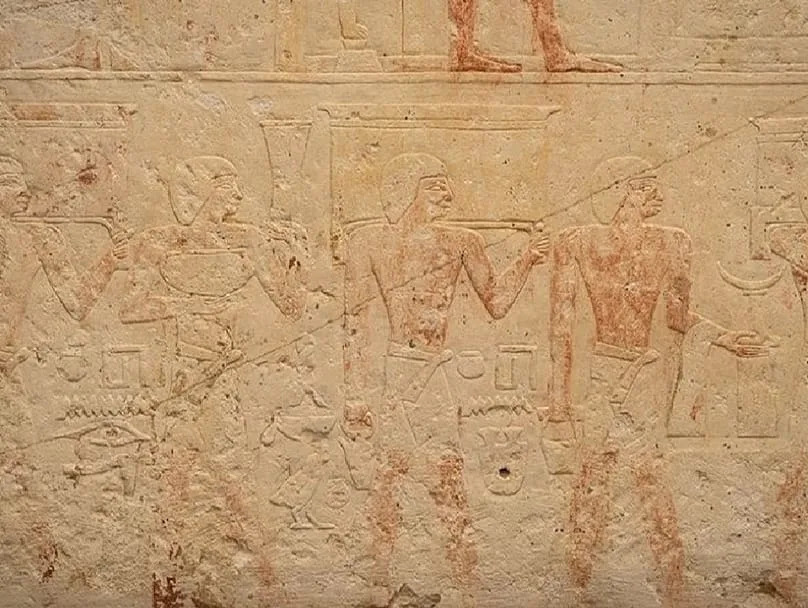
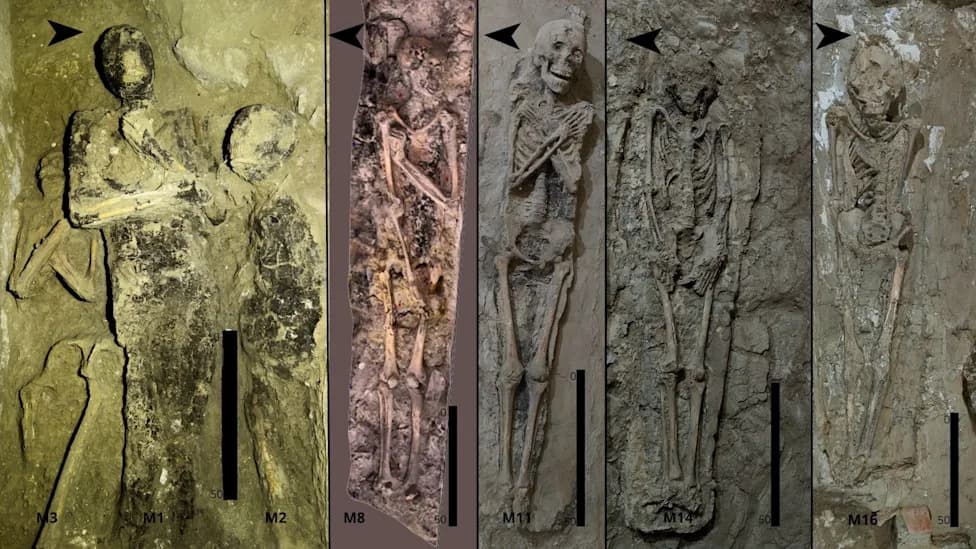
Images from the excavation - Ministerio de Turismo y Antigüedades de Egipto vía Instagram
Remarkable Preservation and Decoration
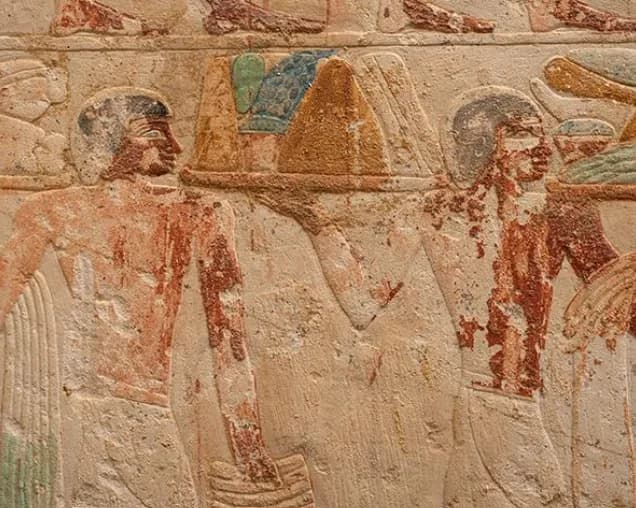
Egypt's Ministry of Tourism and Antiquities highlighted the exceptional state of preservation of painted scenes and carved reliefs. These decorations depict agricultural activities, offering processions, and various animals—most notably donkeys—and many panels have retained their original colours. Such preservation provides rare direct evidence of artistic technique and palette from the end of the Fifth Dynasty.
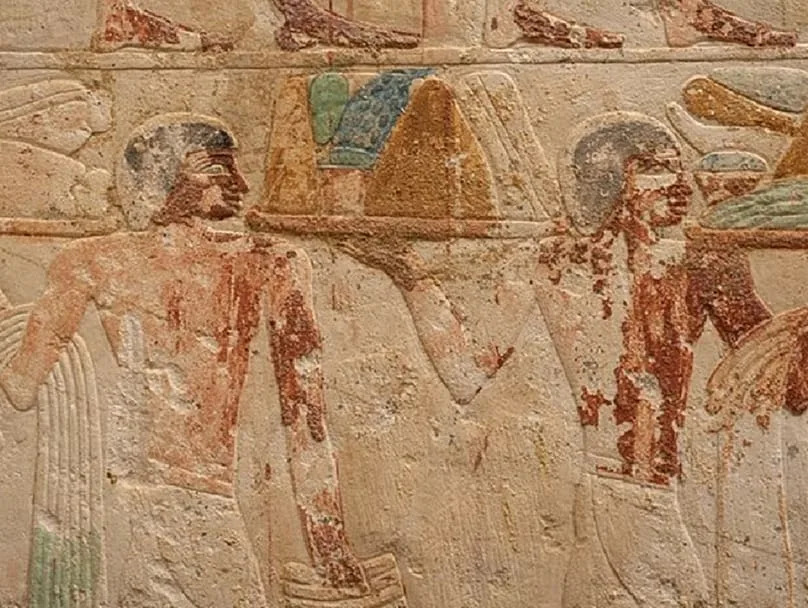
Images from the excavation - Ministerio de Turismo y Antigüedades de Egipto vía Instagram
Historical and Social Significance
The discovery sheds new light on administration, art and funerary architecture at the close of the Fifth Dynasty. Archaeologists interpret the paired tomb as a sign of Yunmen's social ascent: the son of a provincial official who rose to a senior central-administration position and chose to share his funerary complex with his father. The personalized funerary texts and high-quality finishes help reconstruct status, titles and official roles from the period.
Context and Future Work
The sector had been known since 19th-century excavations by Auguste Mariette but had not been studied in depth until the current campaign. Detailed mapping and reconstruction of the necropolis layout led the team to this previously unknown mastaba and revealed indications of at least two more nearby tombs. Excavators plan further campaigns to explore those sites and continue reconstructing Saqqara as a living funerary landscape of streets, squares and ritual activity.
Significance: The find combines aesthetic beauty with scholarly value—original paint, clear administrative inscriptions and well-preserved scenes make this mastaba a valuable resource for understanding late Old Kingdom society, art and architecture.
Help us improve.