Angie Nixon, a longtime Florida organizer who upset expectations to win the Democratic Senate primary, says protecting Black voting power requires elected officials to be louder and more forceful. Nixon was arrested during a May protest over a proposed redistricting plan she says would dilute Black representation; the case was resolved with a $250 fine and 15 hours of community service. She warns that coordinated map changes and intensified enforcement can disenfranchise communities and urges public mobilization and stronger leadership.
Angie Nixon Urges Officials to ‘Get Louder’ to Protect Black Voting Power After Surprise Senate Win
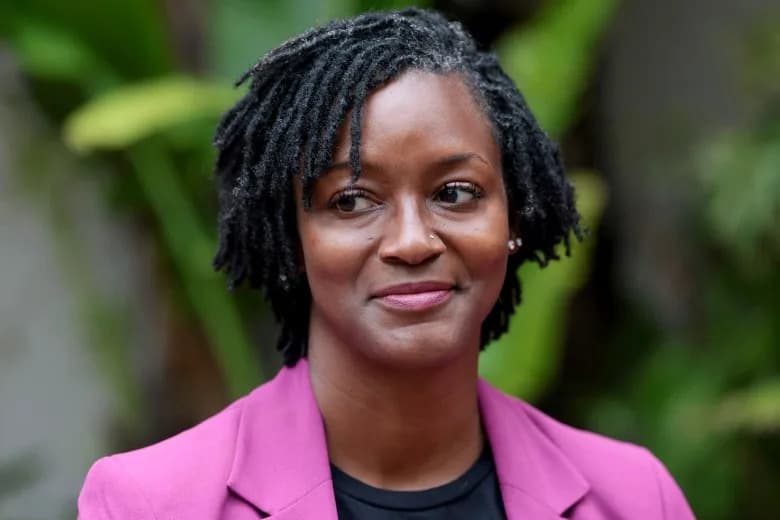
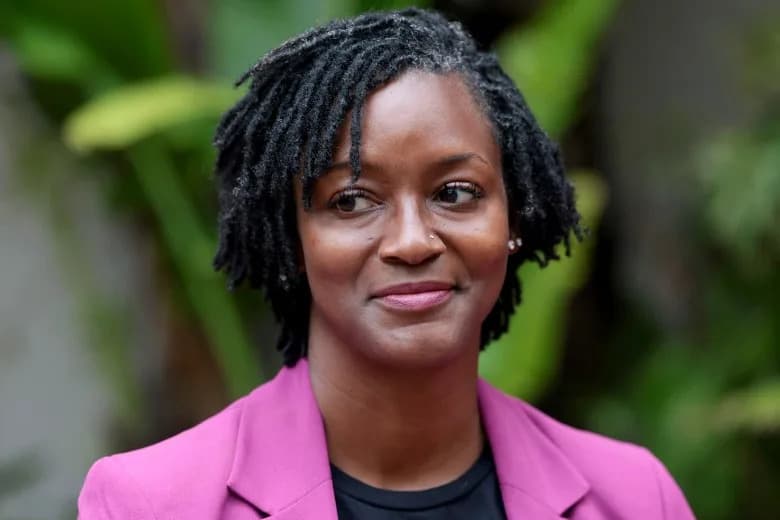
Florida state Rep. Angie Nixon speaks with the media as she campaigns last month in Miami. Nixon calls the state's redistricting effort "an all-out attack on our rights." (Joe Raedle/Getty Images)
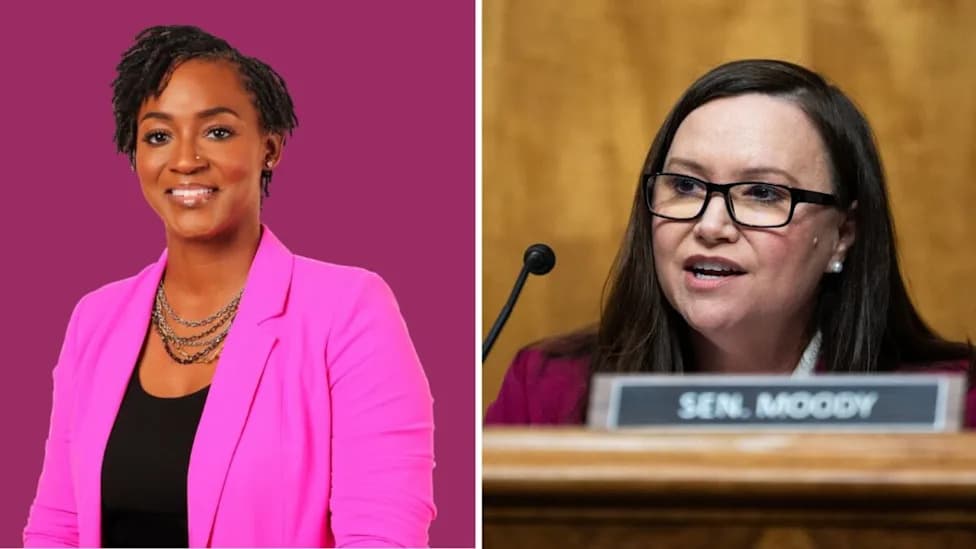
Angie Nixon, a longtime organizer for Black and working-class communities in Florida, says protecting Black voting power requires elected officials to amplify their voices and take bolder action. Nixon — a Jacksonville native who surprised many by defeating better-funded Alex Vindman in Florida's Democratic primary for U.S. Senate — will face Republican incumbent Ashley Moody in the general election.
Background and Rise to National Attention
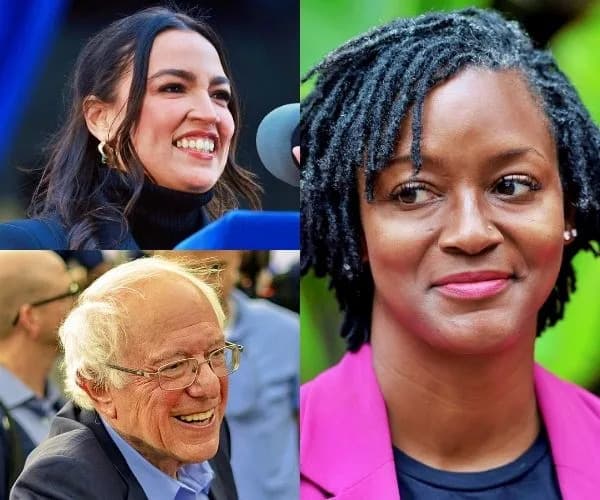
Nixon has spent more than 20 years organizing in Florida. Her primary campaign emphasized progressive priorities such as Medicare for All and grassroots mobilization, and it drew national attention and endorsements from progressive leaders including U.S. Reps. Maxwell Frost and Ilhan Omar.
Legal Case Stemming From Redistricting Protest
Her campaign unfolded alongside a legal episode that most major-party Senate nominees do not face. In May, Nixon was arrested for refusing to leave a protest outside Gov. Ron DeSantis' office while demanding a meeting about a proposed redistricting plan that critics say would dilute Black voting influence. She faced misdemeanor trespassing and related charges.
Those charges were resolved on Tuesday when Nixon agreed to pay a $250 fine and complete 15 hours of community service. She had faced a possible sentence of up to two years in jail. Nixon framed the arrest as part of a broader pattern of officials using state power to silence critics.
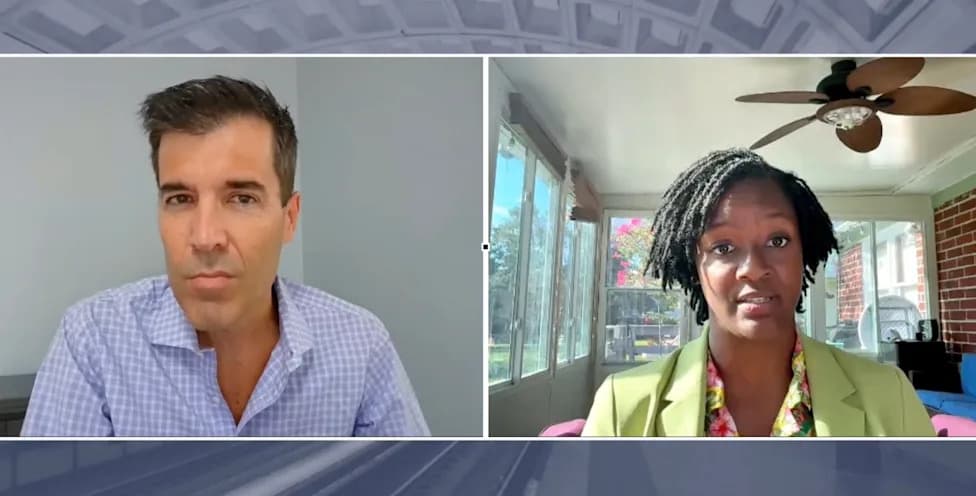
“They're making it so that politicians can choose their voters and not allow the voters to choose whom they want to represent them,” Nixon told Capital B, calling the redistricting effort part of a coordinated push by conservative leaders to tilt elections in their favor.
What’s At Stake
Nixon describes the redistricting fight as more than a technical map dispute: she says it threatens Black representation, intensifies overpolicing and immigration enforcement, and breeds political disillusionment. She pointed to an apparent uptick in ICE activity after the end of Temporary Protected Status (TPS) for some Haitians as an example of how enforcement can escalate in ways that disproportionately affect marginalized communities.
Gov. DeSantis dismissed Nixon’s protest as “performative nonsense,” and state attorneys have defended the new congressional map against claims it violates Florida’s constitution. Nixon, however, says elected officials must publicly push back and mobilize to preserve democracy and voting rights.
Roots of Her Resolve
Nixon traces her determination to family history and the legacy of civil-rights activists. She recalls elders who hid during episodes of racial violence such as Ax Handle Saturday and elders who endured fire hoses and abuse while fighting for the franchise.
“I just think about how I'm not facing that, and so who am I not to speak up after these elders — many of whom are still alive — went through all of that,” she said. Nixon urged fellow officials to take cues from earlier generations who organized, mobilized and made public demonstrations to defend democracy.
Looking Ahead
As Nixon prepares to campaign against Sen. Ashley Moody, she argues that more visible and vocal leadership from elected officials can counteract political disenfranchisement. She contrasted the legal risk she faced for a peaceful protest with high-profile cases involving other national figures to underscore what she called systemic unfairness.
“I’m facing two years for a peaceful protest, and yet we have a president who was found guilty of 34 felony counts,” Nixon told Capital B. “The system is rigged. But I’m ready to unrig it.”
This article has been updated to reflect the resolution of Nixon’s case and includes remarks from a recent interview with Capital B that have been edited for length and clarity.
Help us improve.