August's primaries produced mixed signals: center-left victories and progressive upsets alike suggest the Democratic Party is shifting but unsettled. Abdul El-Sayed's narrow Michigan win and Angie Nixon's Florida upset energized the left, even as establishment-backed moderates like Jared Moskowitz and David Crowley prevailed in other contests. The November general elections — especially Michigan — will determine whether progressive momentum becomes lasting power or a temporary surge.
Is This the Left’s Moment? Primary Upsets Leave the Answer to November
Is This Really the Left’s Big Moment? We’ll Know in Two Months.
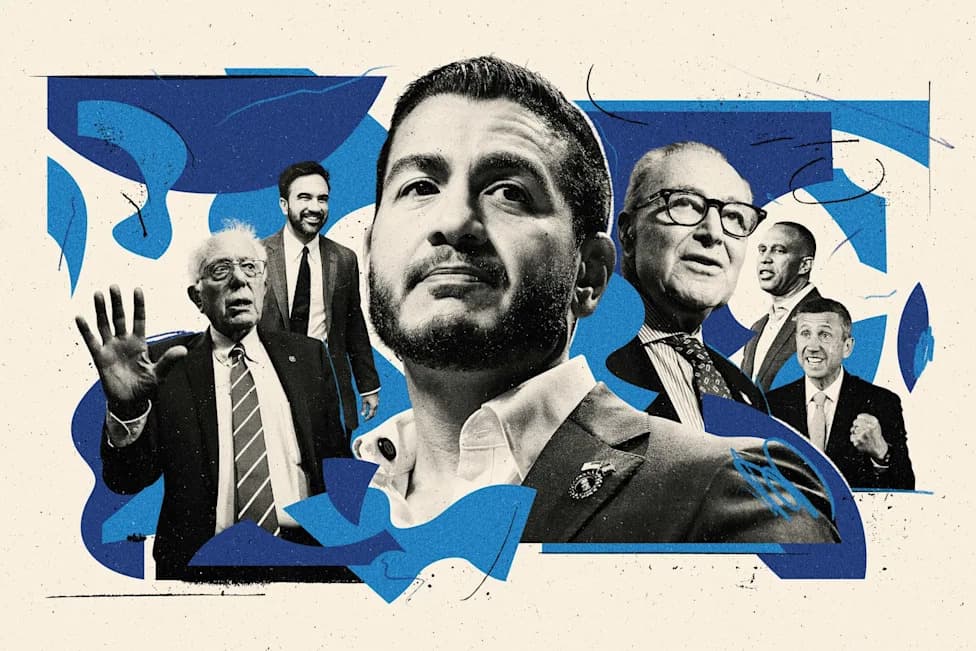
August's primary season offered a string of contradictory signals about the future of the Democratic Party: insurgent progressives scored unexpected victories in some places even as establishment-backed moderates held or reclaimed ground elsewhere. From South Florida to Michigan to Wisconsin, voters produced wins that both energize the left and reassure the center — and they left party strategists wondering which trend will matter most in November.
Two Florida Stories: Moskowitz and Nixon
In South Florida, Jared Moskowitz, a combative, highly online centrist who has represented a district since 2023, declared a decisive triumph after the August 18 primary. Moskowitz — who has described himself as a "[Ron] DeSantis Democrat" because of his previous role in state emergency management — beat union organizer Oliver Larkin by nearly 30 points. Moskowitz taunted the Democratic Socialists of America, which backed Larkin, quipping to Politico, "Florida is known for hurricanes... And so the DSA is a disaster area in Florida — and there's no federal reimbursement coming to help these people." He later thanked family and supporters and noted the absence of his late father.
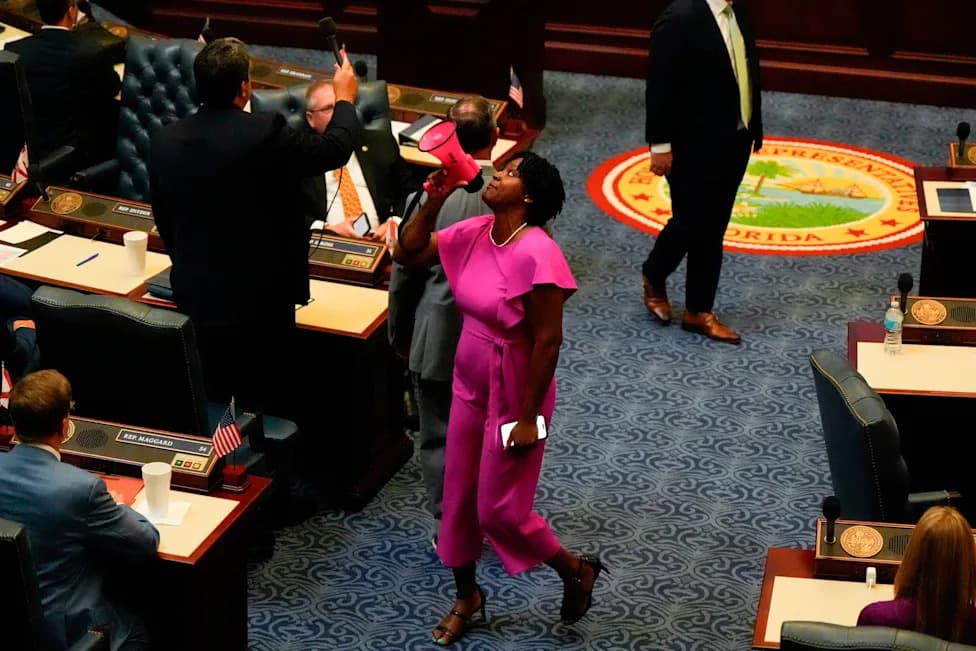
On the very same night, however, Angie Nixon, a young progressive state representative from Jacksonville who had only recently joined the DSA, pulled off an upset in the state's Democratic Senate primary, defeating Alex Vindman. Vindman had significant national backing and spent more than $9 million — roughly 13 times Nixon's spending. Nixon's victory underscored how different Democratic coalitions can produce strikingly different results even within the same state.
Midwest Tests: El-Sayed and Hong
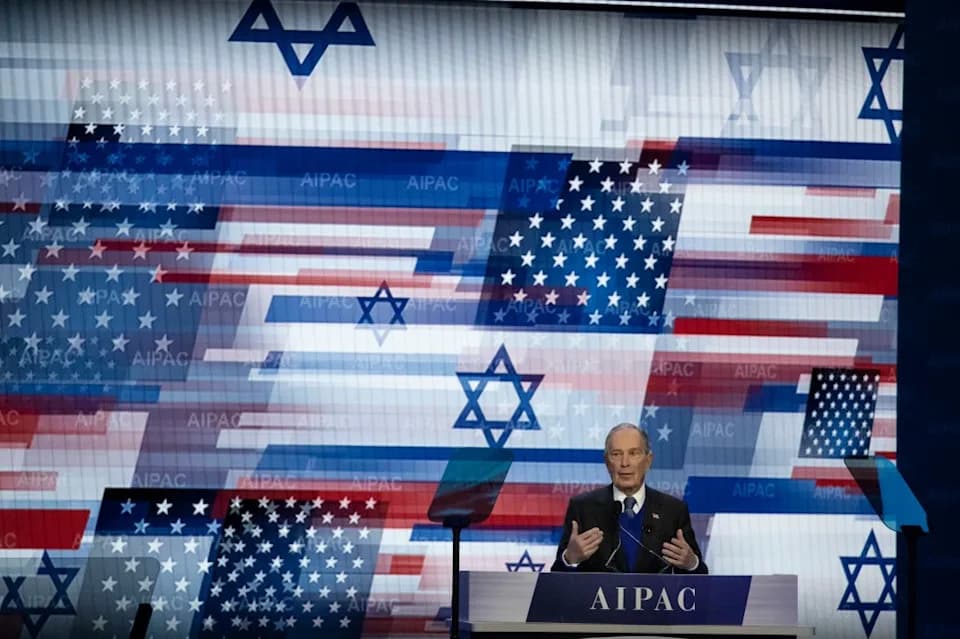
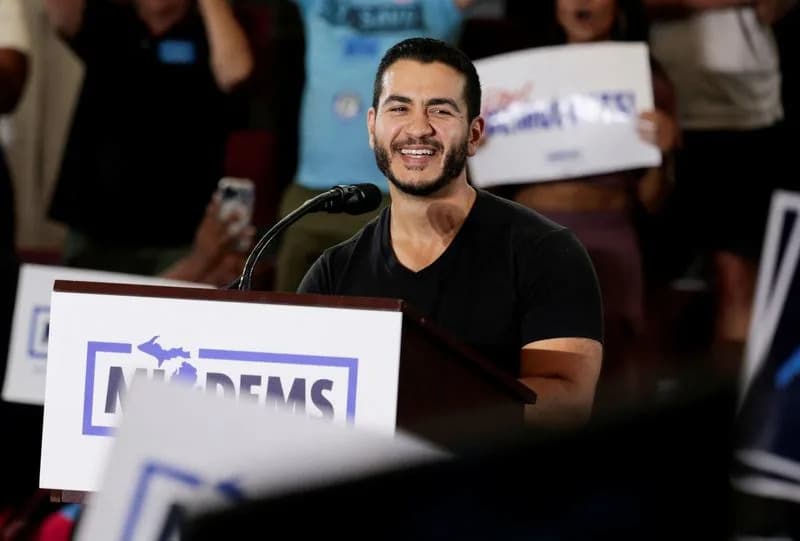
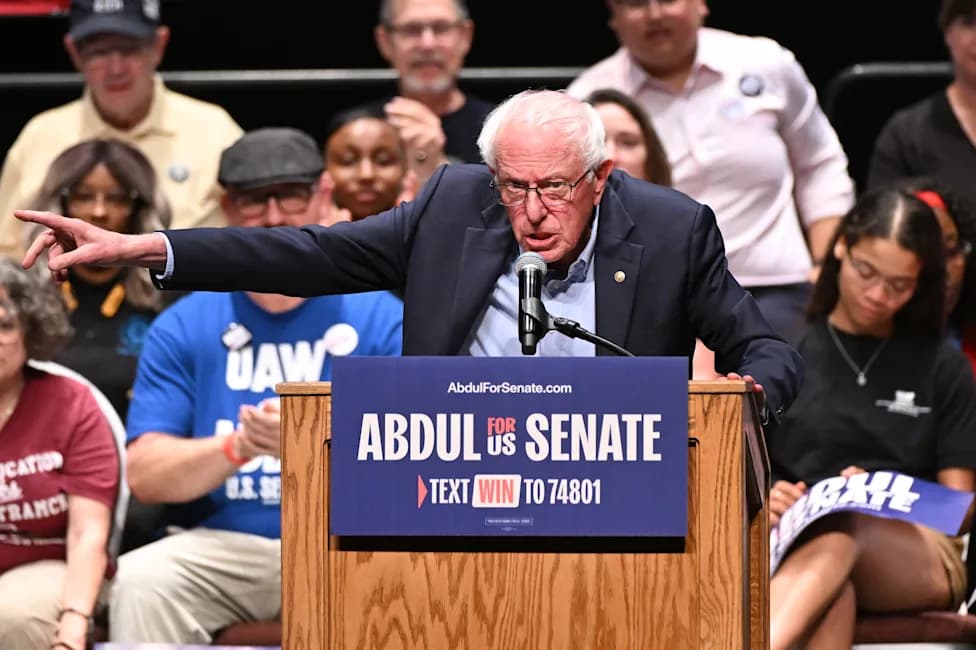
Michigan provided another high-stakes test. Abdul El-Sayed, a progressive physician running on Medicare for All and other left-leaning priorities, narrowly defeated Rep. Haley Stevens after being heavily outspent — Stevens benefited from roughly a 12-to-1 spending advantage, including about $30 million in outside pro-Israel spending. Bernie Sanders framed the contest as existential, warning that the outcome would show whether billionaire-funded super PACs could buy a Senate seat. El-Sayed's victory, while narrower than some polls suggested, is nevertheless an important sign of progressive strength in a competitive Midwestern state.
By contrast, Wisconsin's Francesca Hong, who had led early polls, saw that advantage evaporate amid scrutiny of past social-media comments and policy positions. David Crowley, the establishment-backed moderate, narrowly defeated Hong after a late re-entry into the race at the urging of Governor Tony Evers. Hong's loss highlighted both the potency of attack lines about electability and the limits of insurgent momentum when voters grow uncomfortable with a candidate's messaging or perceived viability.
Insurgent Wins and Limits
Other progressive insurgents produced notable wins: Sam Forstag, a labor leader and former smokejumper, won a crowded House primary in Montana with Sanders and AOC's backing; Randy Villegas in California's Central Valley ran a strong health-care-focused campaign; and Melat Kiros, a DSA member, defeated long-serving Rep. Diana DeGette in Colorado on a platform including Medicare for All and federal rent control. These races show that progressives can organize and win across diverse districts — particularly where younger, diverse, and economically pressured coalitions are strong.
But the left's rise has limits. Candidate vetting and electability concerns surfaced dramatically in cases such as Maine Senate nominee Graham Platner, who withdrew after allegations and reporting revealed offensive online posts and more serious accusations. Incidents like Platner's, along with missteps by other insurgents, underscore a continuing challenge for the progressive movement: recruiting, preparing, and supporting candidates who can withstand intense scrutiny in competitive general elections.
Electability, Coalition-Building, and What November Will Decide
What emerges from these mixed results is a portrait of a party in flux. The Democratic base has trended more progressive and more skeptical of traditional leadership and of longstanding U.S. policy toward Israel, but many primary voters remain wary of nominees they perceive as risking general-election losses. "Electability" — a subjective, contested measure — still shapes decisions at the ballot box.
Preelection polling suggests Democrats could make historic midterm gains, possibly their largest in two decades, if moderates and progressives can hold together. But the decisive judgment will come in November. If progressives like El-Sayed can win in competitive or swing states, it would validate arguments that bold, left-leaning platforms are viable beyond deep-blue areas and could shift intra-party power. If they lose, moderates will point to those defeats as evidence that more cautious, center-left approaches are necessary to win nationwide.
Bottom line: August's primaries showed both promise and vulnerability for the Democratic left. Momentum exists, but translating primary energy into broad, durable power depends on winning general elections, stronger vetting, and building broader coalitions.
Help us improve.