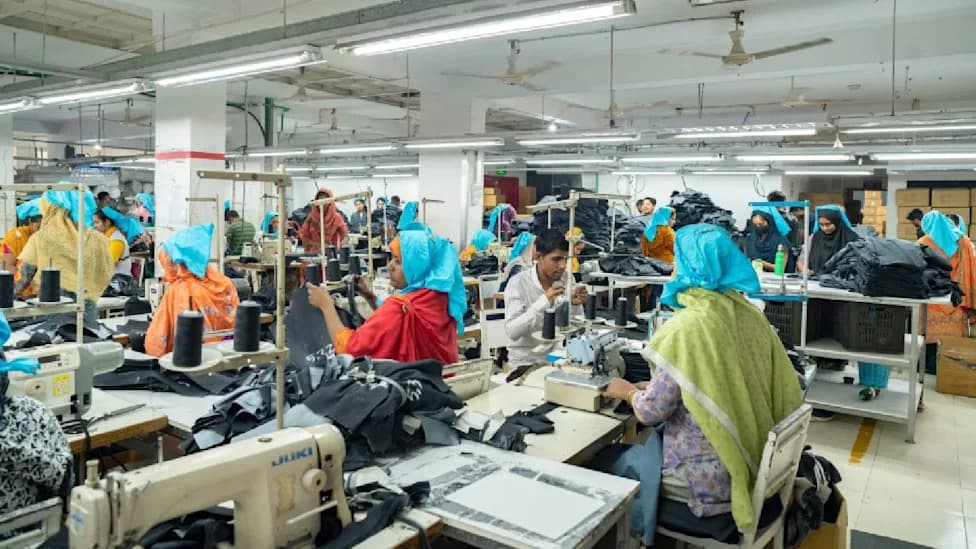
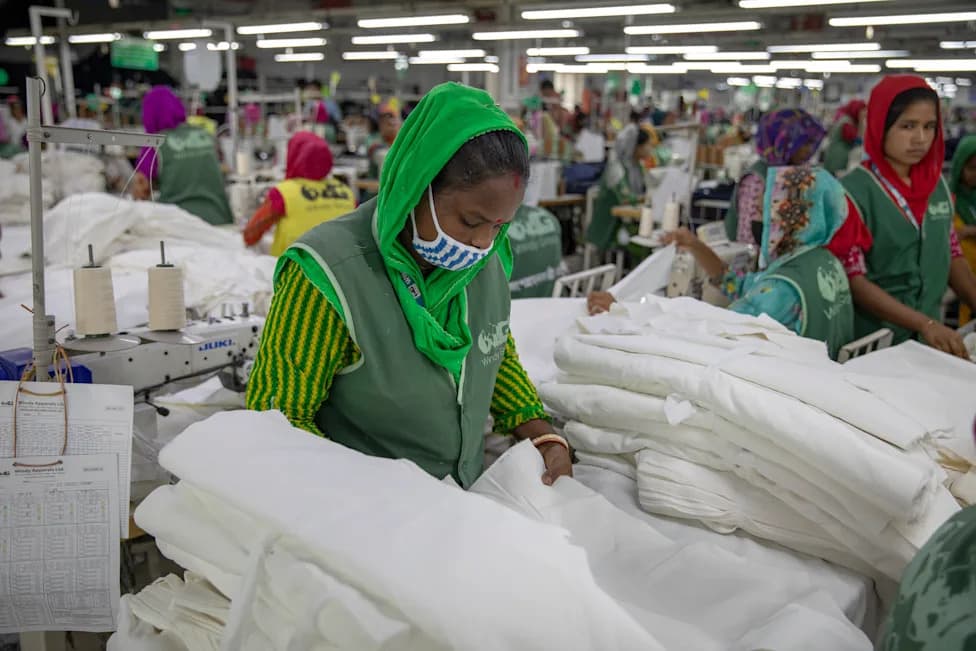
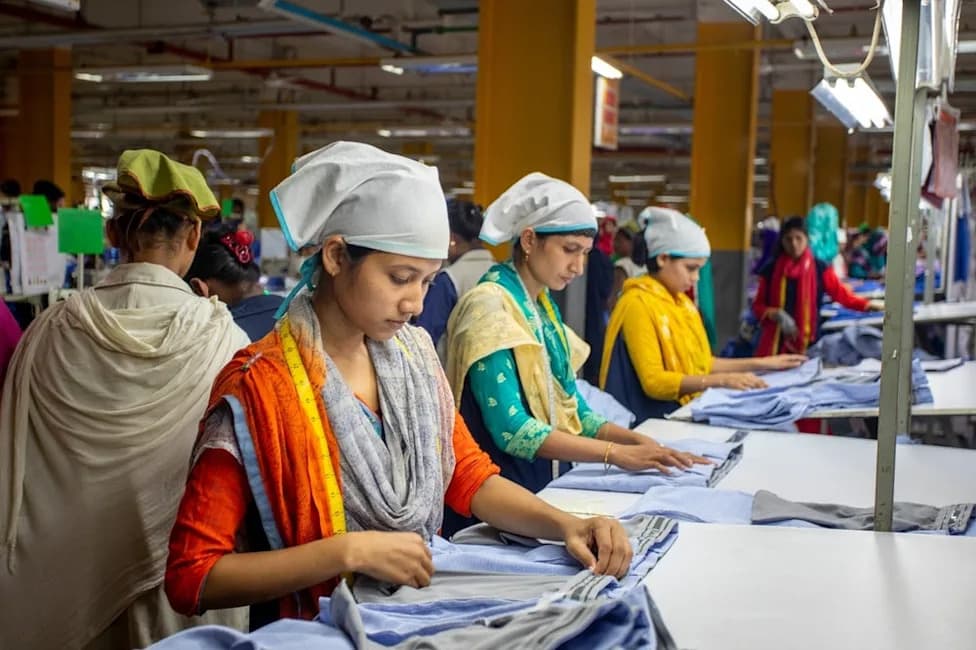
Stand.earth reports that 15 global apparel buyers — including Inditex, H&M and Primark — account for 26.3% of Bangladesh’s apparel exports by weight and could help the country cut about 1.26 million tonnes of CO2 per year. Collective action could lower national emissions by an estimated 8.50 million tonnes by 2040. Stand.earth launched the Clean Energy Investment Pact, asking these buyers to provide funded, non-debt financing and worker protections within 18 months to accelerate a fair renewable-energy transition in Bangladesh.
15 Major Fashion Buyers Urged to Fund Bangladesh’s Shift to Renewable Energy

H&M, Inditex Urged to Support Bangladesh’s Renewable Energy Transition
A new analysis from Stand.earth Research Group finds that 15 global apparel buyers — led by Inditex, H&M Group and Primark — have the leverage to help Bangladesh cut roughly 1.26 million tonnes of CO2 annually if they support a rapid, supplier-friendly transition to renewable energy. Stand.earth is urging those companies to sign its Clean Energy Investment Pact and commit resources within the next 18 months.
Key Findings
The report, "Fashion's Fair Share: Bangladesh Buyers' Climate Opportunity," shows that the 15 companies together account for 26.3% of Bangladesh’s apparel exports by weight. Based on customs and sourcing data, Stand.earth estimates that collective action by these buyers could reduce national emissions by about 8.50 million tonnes by 2040.
Using the same sourcing records, Stand.earth identified Zara owner Inditex, H&M Group and Primark as the three largest buyers by weight, which together represented more than 11% of Bangladesh’s apparel exports in 2025. The group of 15 also includes LPP SA, Pepco Group, Walmart, Kontoor Brands, Fast Retailing (Uniqlo), Marks & Spencer, C&A, The Gap Inc., Next, New Yorker, Bestseller and Gildan Activewear.
Where Companies Stand
Stand.earth’s assessment found that only Inditex and H&M Group have public targets for 100% renewable energy that explicitly cover their supply chains. Just four brands — Bestseller, Gap Inc., H&M Group and Marks & Spencer — disclose participation in supplier financing initiatives such as the Apparel Impact Institute’s Future Supplier Initiative.
Three companies — H&M Group, Bestseller and Inditex — provided evidence of direct engagement with Bangladeshi policymakers to support infrastructure upgrades that would enable the garment sector to shift to renewables. By contrast, Stand.earth singled out Kontoor Brands, Walmart, New Yorker, Gildan Activewear, LPP and Pepco as having the largest gaps in support for responsible energy policies. The report also notes that none of the 15 brands publish comprehensive, public-facing climate adaptation policies for supplier communities.
The Clean Energy Investment Pact
To drive concrete action, Stand.earth has launched the Clean Energy Investment Pact. The campaign asks the 15 apparel buyers to commit time and resources over the next 18 months to deliver funded, responsible energy-transition plans that:
- Provide grants and financing that do not add to supplier debt,
- Back renewable-energy projects for garment factories,
- Ensure prices and contracts cover transition costs,
- Protect workers from climate-related disruptions, and
- Advocate for policies that expand renewable-energy access in Bangladesh.
"Just 15 brands, acting together, could change the trajectory of Bangladesh's energy transition," said Rachel Kitchin, senior corporate climate campaigner at Stand.earth. "Companies must commit real funding and put workers' health and the planet at the center of their production plans."
Context
The appeal comes as fashion-sector emissions continue to rise: the Apparel Impact Institute reported that industry emissions increased 7.5% in 2023 and 6.3% in 2024, bringing annual fashion emissions to roughly 1 billion tonnes of greenhouse gases. Stand.earth argues that targeted buyer action in Bangladesh could deliver outsized climate and social benefits because of the concentrated purchasing power of a small number of global brands.
What’s next: Stand.earth is calling on the named buyers to sign the pact and publish funded transition plans within 18 months. The organization says this approach would build energy resilience, reduce emissions, and protect workers — while preventing suppliers from shouldering the financial burden of decarbonization.
Help us improve.