Conservation teams released 653 endangered southern mountain yellow-legged frogs into Southern California mountain stream habitats damaged by the 2020 Bobcat Fire. The Los Angeles Zoo and Aquarium of the Pacific led headstarting efforts—394 of the released frogs were reared at the Aquarium, bringing its headstart total to 1,032. Agencies including USGS, USFWS, USFS and CDFW are monitoring the releases. Researchers note the species' relative longevity (average lifespan ~9.5 years) may help recovery, but long-term success depends on habitat protection.
653 Endangered Southern Mountain Yellow-Legged Frogs Released to Rebuild Populations After California Wildfires
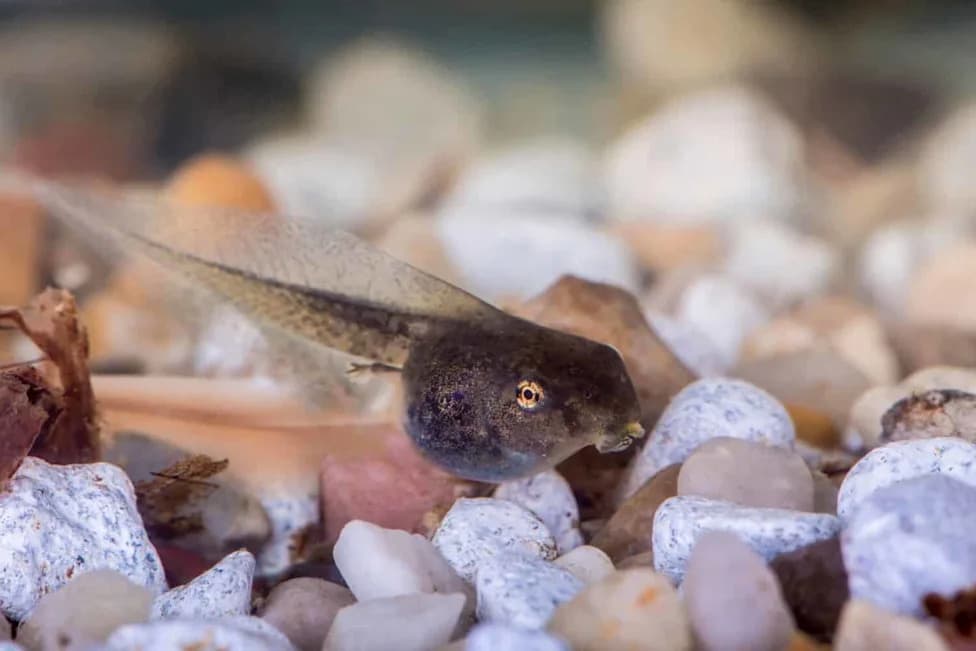
Issaquah, Washington State, USA. Pacific Tree Frog tadpole (also called a pollywog or polliwog) is the larval stage in the life cycle of an amphibian, particularly that of a frog or toad.© Danita Delimont/Shutterstock.com
Conservation teams have released 653 endangered southern mountain yellow-legged frogs into native mountain stream habitats in Southern California, part of a coordinated effort to help the species recover after the 2020 Bobcat Fire damaged critical riparian areas.
About the Species
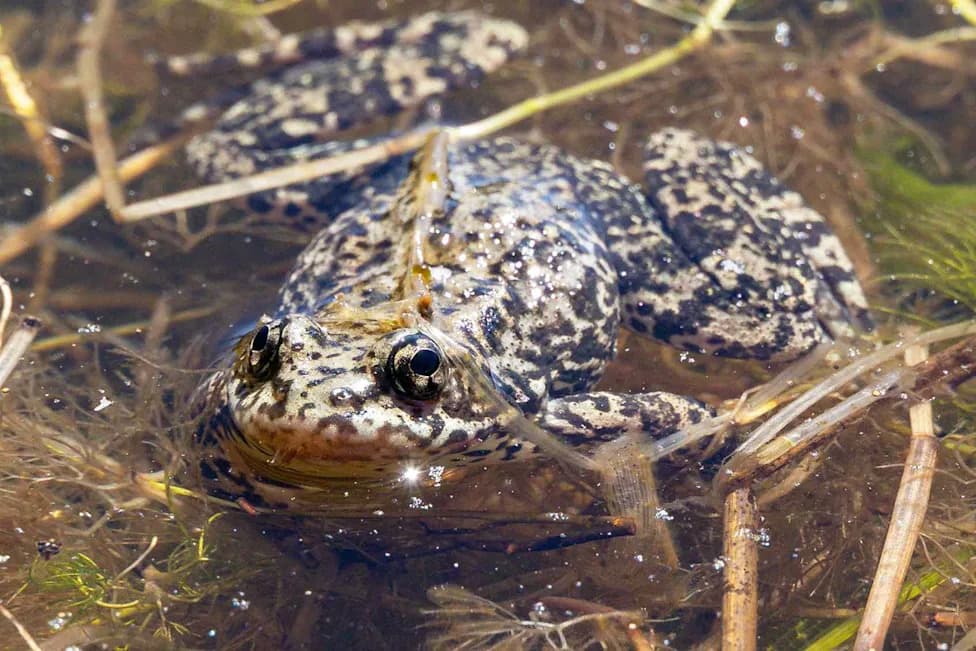
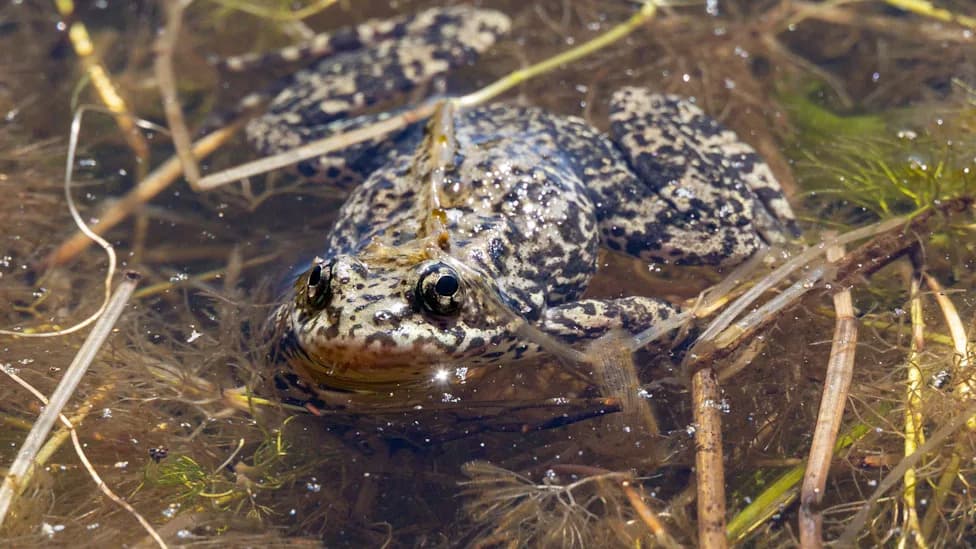
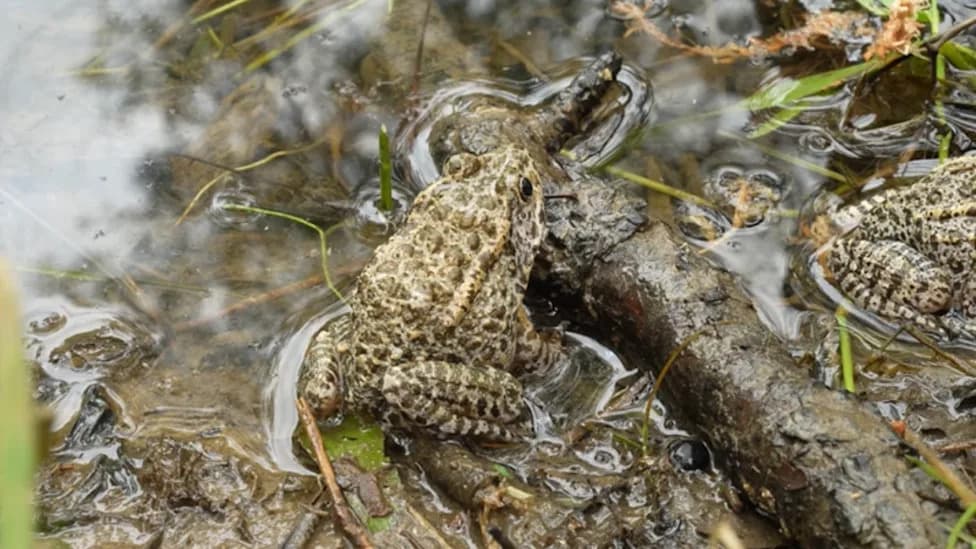
The southern mountain yellow-legged frog (Rana muscosa) is a medium-sized amphibian, typically 1.5–3.5 inches long. Adults often show mottled brown and yellow coloring, though some individuals may appear greenish-brown, reddish, or gray. True to their name, the undersides of the hind legs (and occasionally the forelegs) are pale yellow or orange; darker splotches help them blend with lichen, moss and rocky streambeds.
Range and Decline
These frogs are native to a small region of Southern California, including the San Gabriel, San Bernardino and San Jacinto mountains, with historical records extending from Palomar Mountain through these ranges. Despite much of their habitat being inside National Parks and National Forests, populations have fallen sharply from introduced predators (notably nonnative trout), the chytrid fungal disease (chytridiomycosis), pollution and repeated wildfires that remove shady, cool streamside vegetation.
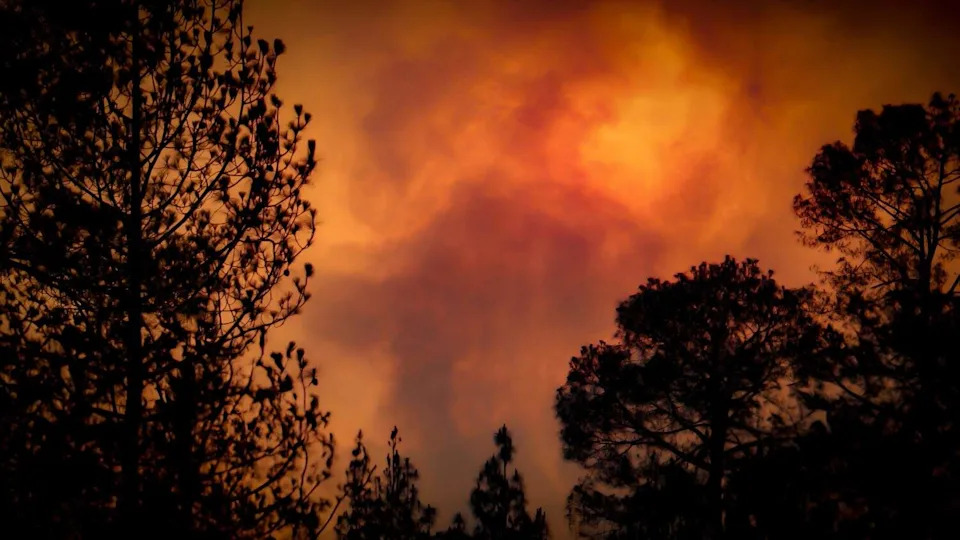
Wildfires destroy delicate habitats.©Holly Cheese/Shutterstock.com
The 2020 Bobcat Fire
The Bobcat Fire began on September 6, 2020 near Cogswell Dam and burned roughly 180 square miles of Los Angeles County over several weeks. Fueled by hot, dry weather and shifting winds, the blaze consumed large areas of chaparral and riparian vegetation, degrading habitat for cold-water stream species—including the southern mountain yellow-legged frog.
Rescue, Headstarting and Release
After post-fire surveys showed heavy habitat damage, federal and state agencies worked with institutions such as the Los Angeles Zoo and the Aquarium of the Pacific to rescue tadpoles and rear them in protective facilities. The Los Angeles Zoo maintained an established breeding colony, and the Aquarium of the Pacific led recent headstarting efforts.
Most recently, 653 frogs were released in suitable stream habitats. Of those, 394 were headstarted at the Aquarium of the Pacific—this single release is the Aquarium's largest to date and brings its total number of headstarted frogs to 1,032. "Headstarting" means rearing tadpoles through metamorphosis into froglets and juveniles before releasing them to the wild.
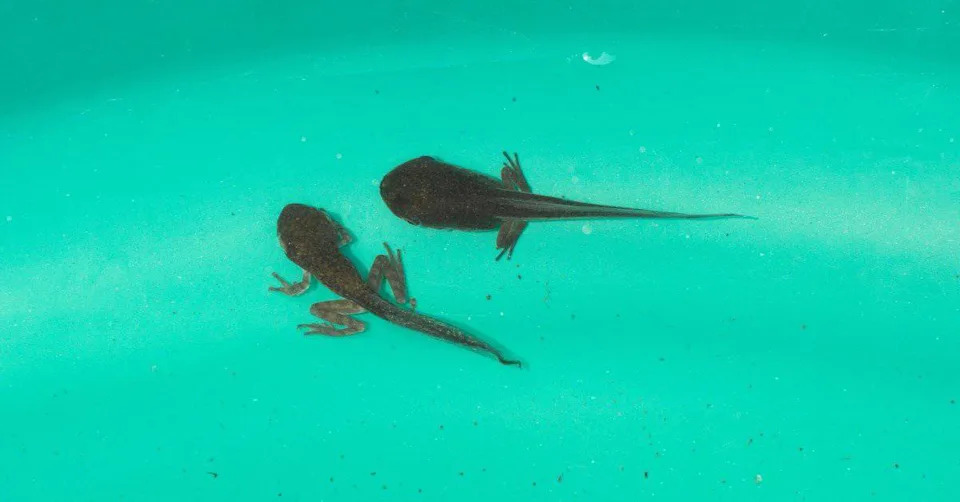
Tadpoles metamorphose into froglets.©Heffalum/Shutterstock.com
Monitoring and Conservation Outlook
The releases are being monitored by a coalition of agencies including the U.S. Geological Survey (USGS), U.S. Fish and Wildlife Service (USFWS), U.S. Forest Service (USFS) and the California Department of Fish and Wildlife (CDFW). Long-term monitoring will assess survival, dispersal and breeding success.
"The more frogs there are in their native habitat, the better the chance of increasing their survival," said Erin Lundy, Conservation Initiatives Manager at the Aquarium of the Pacific.
Researchers estimate the average wild lifespan at about 9.5 years, with a mean generation time of 7.4 years; the oldest recorded individual lived 21 years. This relative longevity can help populations persist through bad years because adults may skip breeding until conditions improve, preserving adult survival and future reproductive potential.
What You Can Do
Recovery will require continued releases, habitat protection and restoration. Visitors can help by staying on marked trails, obeying closures and signage, avoiding sensitive streamside areas, and taking actions to reduce wildfire risk—such as reducing personal carbon footprints and following local fire-safety rules.
Help us improve.