Jared Friedman, a doctoral student at the University of Wyoming, dated a whitebark pine in Paintbrush Canyon to about 1,289 years (1,275 counted rings plus 14 estimated) after the tree was sampled and analyzed in the lab. The tree died in 2021 after being killed by mountain pine beetles and now stands as the oldest recorded whitebark pine, beating the previous Idaho record by 22 years. The find underscores both the species' extreme longevity—driven by very slow growth in harsh, high‑elevation conditions—and its mounting vulnerability to pests and climate change.
Researcher Finds 1,289‑Year‑Old Whitebark Pine in Grand Teton — Oldest Ever Recorded
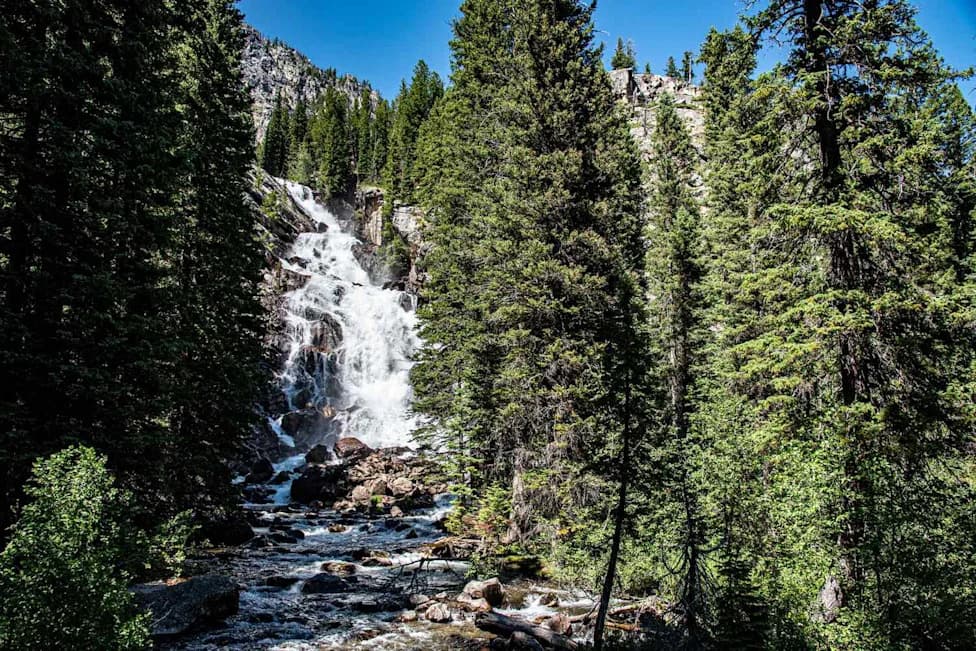
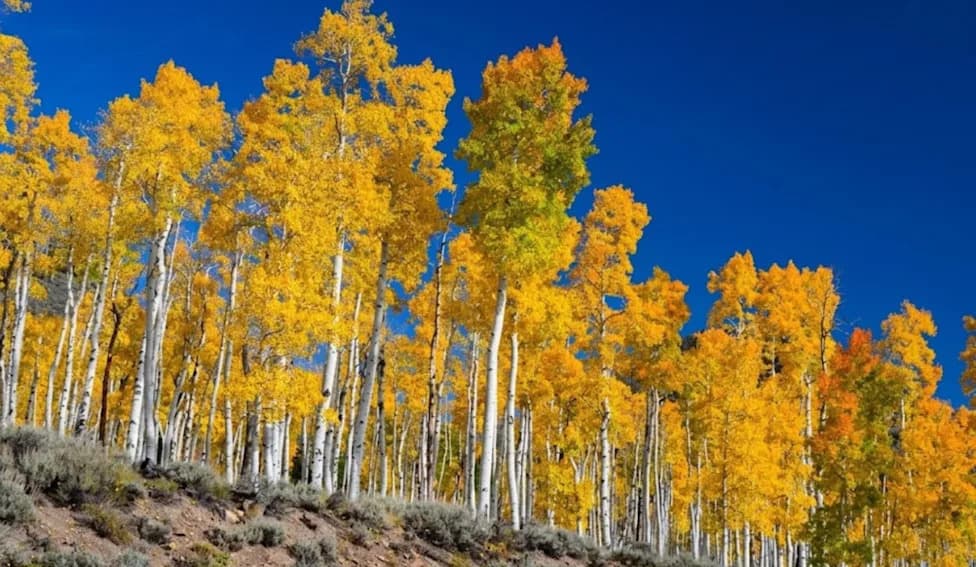
Stock image of Grand Teton National ParkCredit: Getty
A routine field sample turned into a landmark discovery when Jared Friedman, a doctoral student in forest ecology at the University of Wyoming, identified the oldest known whitebark pine in Grand Teton National Park.
Friedman was working in Paintbrush Canyon, a glacial valley in the park, studying causes of whitebark pine mortality when he sampled a gnarled, spindly tree that showed no obvious signs of extraordinary age. The tree stood under 30 feet tall and its growth rings were so tightly packed they were indistinguishable to the naked eye.
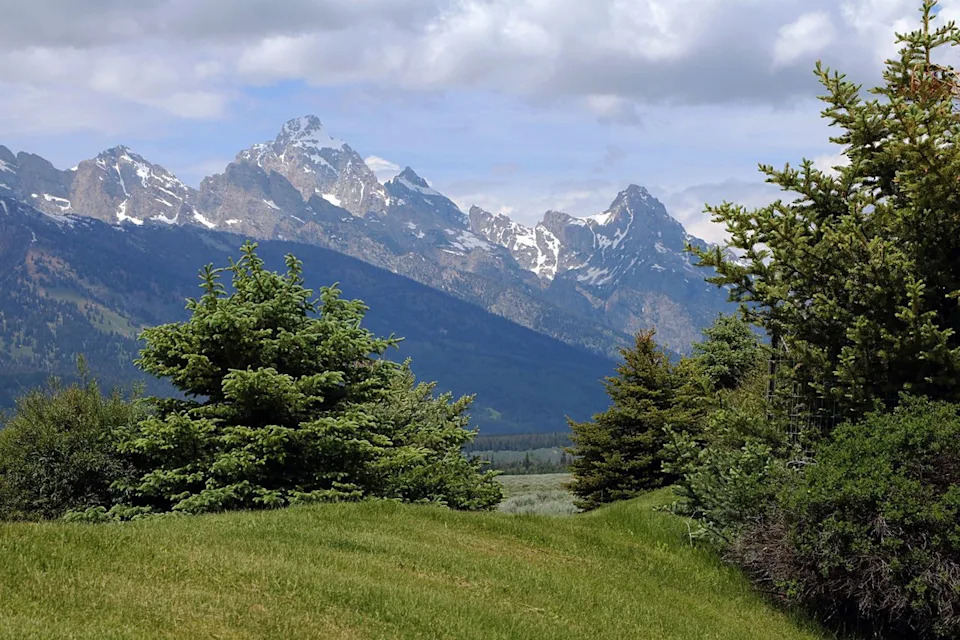
Stock image of Grand Teton National ParkCredit: Don and Melinda Crawford/UCG/Universal Images Group via Getty
Back in the lab, Friedman counted 1,275 rings from the core sample. He then applied a standard centering model to estimate the number of rings missing between his sample and the tree's true center, adding another 14 years. The combined total indicates the tree was approximately 1,289 years old when it died in 2021, making it the oldest recorded whitebark pine to date.
"It was a dream come true finding for me," Friedman said of the discovery.
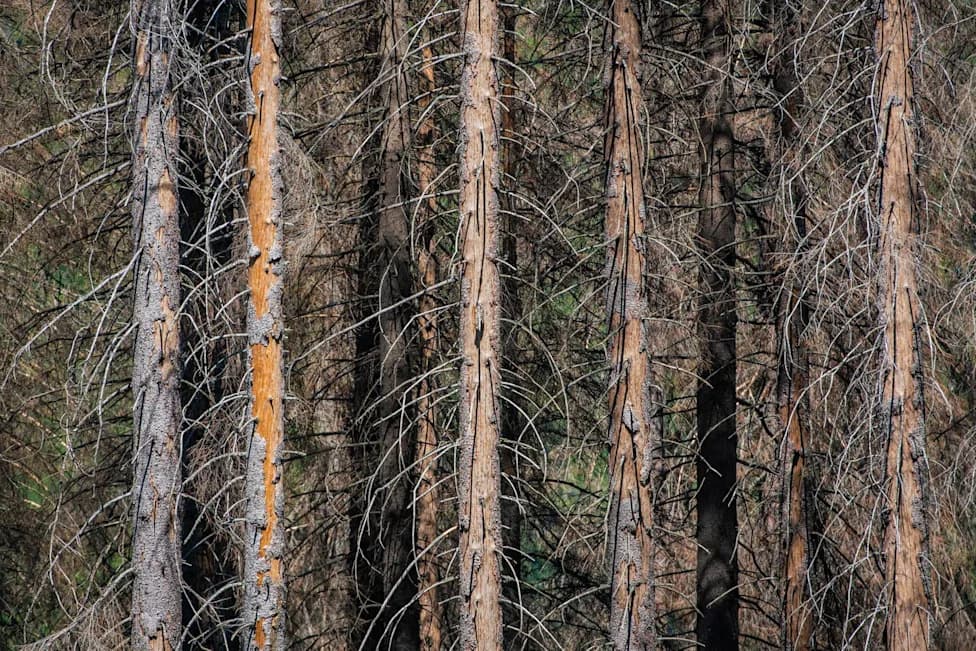
The tree was killed by mountain pine beetles, a native insect that has become a growing threat to high‑elevation conifers as warming temperatures allow beetle populations and ranges to expand. The newly documented specimen surpasses the previous record-holder, a whitebark pine in Idaho's Sawtooth Range, by 22 years.
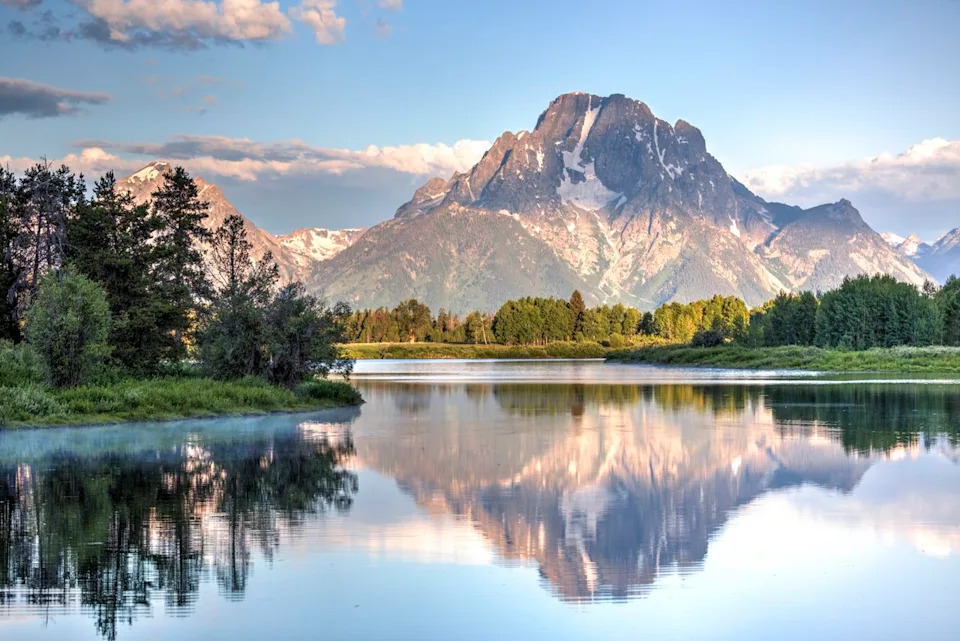
Grand Teton offers beautiful views and perfect weather for a fall trip.Credit: Wayne Boland/Moment/Getty Images
Why Whitebark Pines Live So Long — And Why They're Vulnerable
Whitebark pines inhabit harsh, high‑elevation environments across western North America, from Canada to California. According to the National Park Service, they grow slowly in nutrient‑poor soils; some individuals add only about two cells of wood growth per year. That slow pace of growth contributes to their ability to persist for many centuries but also makes age determination difficult in the field.
Diana Tomback, a biology professor at the University of Colorado Denver, noted that very old trees may be underreported because researchers and hikers rarely carry increment borers to extract cores on the spot. "Life's not easy, but growing slowly helps," she said, emphasizing how longevity and subtle growth patterns complicate discovery.
Conservation Implications
This find highlights both the remarkable longevity of whitebark pines and the growing conservation challenges they face from pests and climate‑driven changes in mountain ecosystems. Protecting these long‑lived trees will require ongoing monitoring, pest management where feasible, and broader climate mitigation efforts to reduce future stress on high‑elevation forests.
Friedman's discovery is a reminder that even small, unassuming trees can hold centuries of history—and that careful fieldwork can still yield major scientific surprises.
Help us improve.