Researchers report that the blood test PANXEON identified stage 1–2 pancreatic cancers with 87% accuracy in a multinational study of about 1,800 people and detected precancerous pancreatic conditions in 64% of cases. The National Cancer Institute estimates roughly 67,000 diagnoses and more than 52,000 deaths from pancreatic cancer in 2026, with a five-year survival near 13%. Experts caution that PANXEON’s results are promising but require further validation before routine screening can be recommended; parallel AI and drug advances add to growing momentum in early detection and treatment.
PANXEON Blood Test Shows Promise for Early Detection of Pancreatic Cancer — 87% Accuracy in Early Stages
Researchers report encouraging progress toward earlier detection of pancreatic cancer with a new blood test called PANXEON. Results published in Nature Medicine and reported by Scientific American suggest the test may identify early-stage disease and precancerous changes that are otherwise difficult to detect.
The international study evaluated roughly 1,800 participants across the U.S., Asia and Europe. PANXEON correctly identified stage 1 and stage 2 pancreatic cancers in about 87% of cases, according to the report. The test also detected precancerous pancreatic conditions in approximately 64% of cases.
The National Cancer Institute estimates that in 2026 roughly 67,000 people will be diagnosed with pancreatic cancer and that more than 52,000 will die from the disease. The five-year relative survival rate for pancreatic cancer remains low, near 13%, in part because tumors are often not discovered until they are advanced.
Pancreatic cancer is particularly lethal due to subtle early symptoms and the current lack of routine, reliable screening. If validated and implemented, a blood-based test that flags early-stage disease could meaningfully improve outcomes by enabling earlier treatment.
“The results (of the study) are very positive and encouraging,” medical oncologist Kyaw Lwin Aung told Scientific American. “This is an important step towards making pancreatic cancer screening a reality.”
Other diagnostic advances include an April study showing that an artificial intelligence model developed at the Mayo Clinic can flag signs of pancreatic cancer on routine abdominal CT scans up to three years before clinical diagnosis.
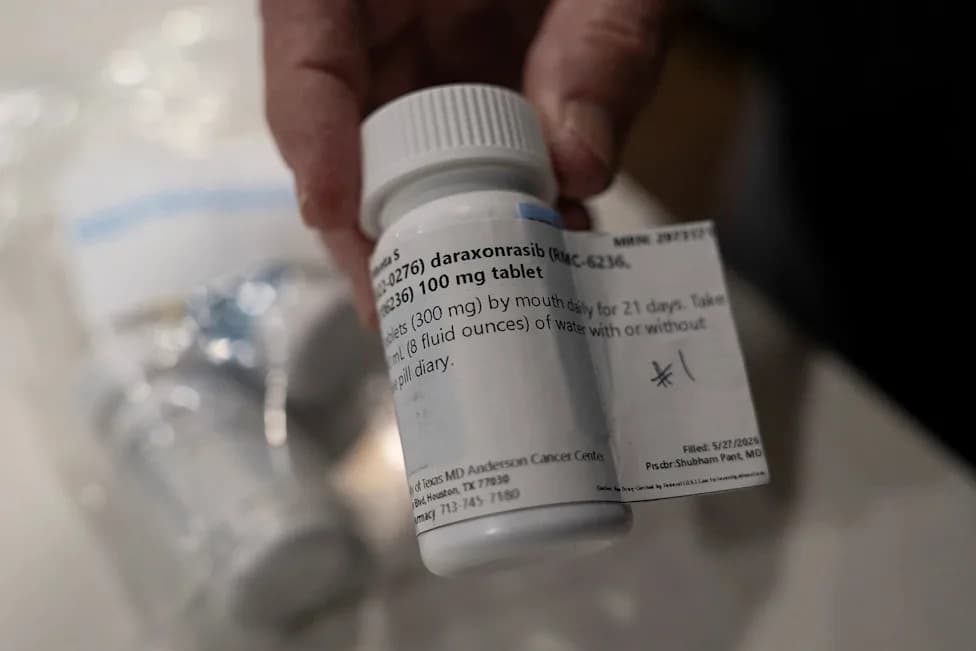
Therapeutic progress is occurring in parallel: the U.S. Food and Drug Administration recently approved a new drug, daraxonrasib, for advanced pancreatic cancer. The drug is reported to target a mutated protein that drives tumor growth and is present in a large share of pancreatic tumors.
Important caveats remain. The PANXEON findings are promising but will require additional validation in broader, real-world populations, assessment of false-positive and false-negative rates, and evaluation of how the test performs alongside other tools (imaging, clinical risk factors). Wider implementation would also require clear screening guidelines and cost-effectiveness data.
For patients and clinicians, these diagnostic and treatment advances represent hopeful steps toward catching pancreatic tumors earlier and improving long-term survival—pending further study and careful rollout.
Help us improve.