Altis Labs' IPRO AI analyzed about 10,000 CT scans from the Phase III MAIRPOSA trial and detected a treatment benefit for Rybrevant plus Lazcluze beginning at week 16. IPRO defined response as a ≥50% improvement in the IPRO‑α score and used an IPRO Response Rate ratio to compare arms. IPRO trajectories correlated consistently with overall survival, whereas RECIST‑based ORR did not predict the OS advantage. Results were presented at WCLC 2026 in Seoul.
AI Sees Survival Signal Early: Altis Labs' IPRO Detects Treatment Benefit From Week 16 in Phase III Lung Cancer Trial

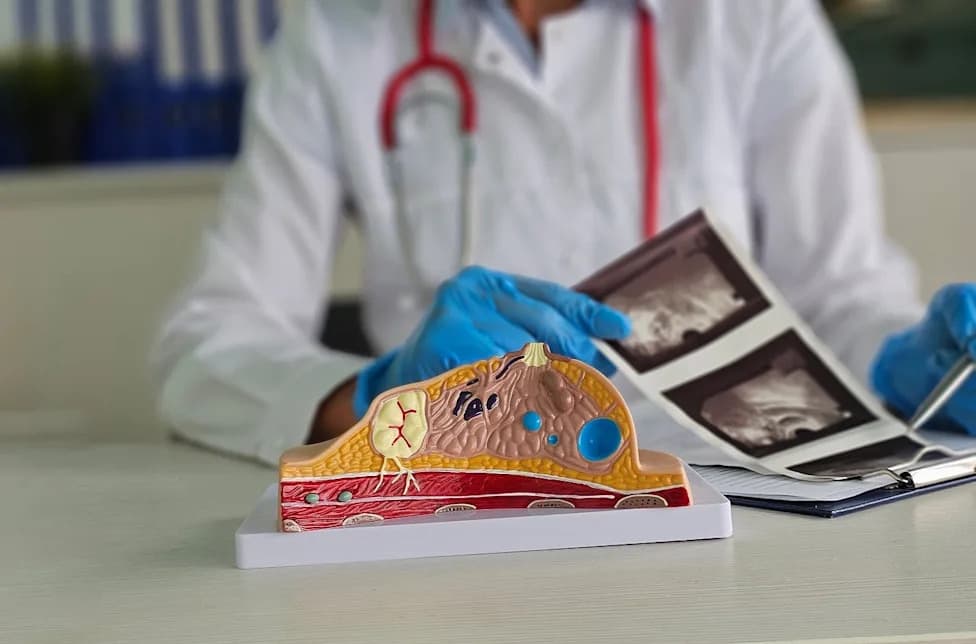
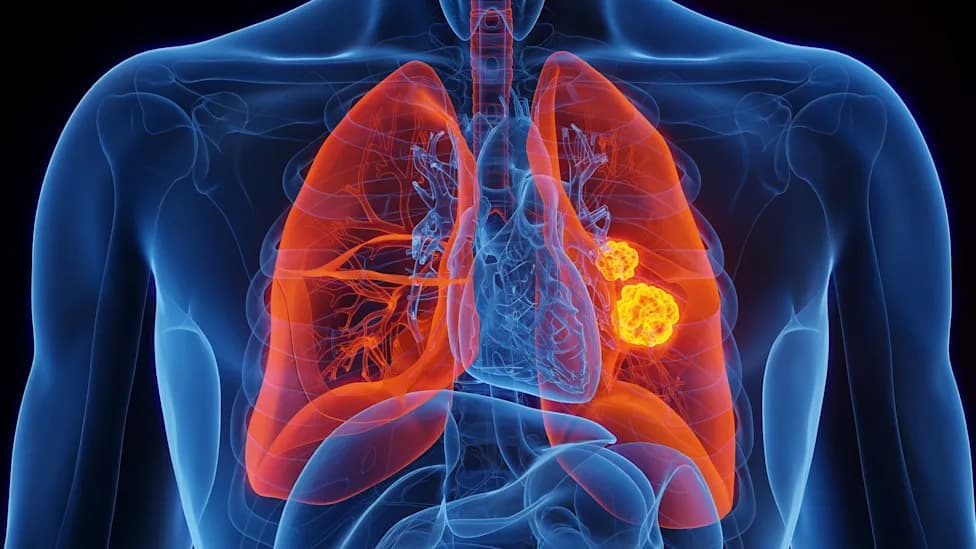
IPRO was used in J&J's Phase III MAIRPOSA study. Credit: Roman Shashko
/ Shutterstock.com
Altis Labs' AI imaging endpoint, IPRO, identified a meaningful treatment benefit in Johnson & Johnson's Phase III MAIRPOSA trial earlier than conventional imaging metrics. The IPRO analysis processed roughly 10,000 CT scans from patients with EGFR‑mutated advanced non‑small‑cell lung cancer (NSCLC) who received Rybrevant (amivantamab) plus Lazcluze (lazertinib) or control therapy.
Key Findings
IPRO defined a response as a ≥50% improvement in the IPRO‑α score from baseline and used an IPRO Response Rate ratio to compare the investigational arm with control at predefined early imaging landmarks. The system signalled a favourable treatment effect beginning at week 16 and at subsequent time points. In contrast, RECIST‑based objective response rate (ORR) did not anticipate the pronounced overall survival (OS) advantage observed in the trial.
IPRO Trajectories and Survival
Pooled, patient‑level IPRO trajectories showed a consistent pattern: deterioration in IPRO scores correlated with worse OS, while IPRO improvements correlated with OS benefit. These relationships held across early and later imaging time points, suggesting IPRO captures prognostic imaging signals beyond simple target‑lesion size changes.
How IPRO Works
IPRO is a fully automated AI system that predicts patient survival directly from three‑dimensional CT scans routinely acquired in clinical trials. Rather than merely automating RECIST measurements, IPRO analyses volumetric imaging and integrates prognostic biomarkers related to tumour burden, body composition and organ health to produce multifactorial survival‑related scores.
Clinical Implications
By detecting likely treatment failure or benefit earlier, IPRO could enable clinicians and trial teams to consider therapy adjustments sooner, potentially improving individual outcomes and informing trial decision‑making. The technology may offer a more sensitive early imaging endpoint to complement traditional measures when OS is the definitive endpoint.
Felix Baldauf‑Lenschen, Founder and CEO, Altis Labs: "This readout proves that AI can anticipate meaningful clinical benefit that traditional imaging endpoints like ORR may fail to detect."
Altis Labs presented these results at the World Conference on Lung Cancer (WCLC) 2026 in Seoul, Republic of Korea. The finding arrives against a backdrop in which the US Food and Drug Administration (FDA) recently highlighted overall survival as a key prespecified endpoint in cancer trials.
Help us improve.