Key Takeaway: New U.S. sanctions targeting Iran's aviation sector prompted several countries to suspend flights to and from Iran, disrupting routes to Baghdad, Muscat and parts of Qatar while some services to China continued. Iranian leaders vowed to resist and warned of reciprocal measures. Iraqi officials gave mixed signals on compliance, and travel agents report rising concern as pilgrims and passengers consider alternate routes.
US Aviation Sanctions Trigger International Flight Suspensions and Regional Disruption
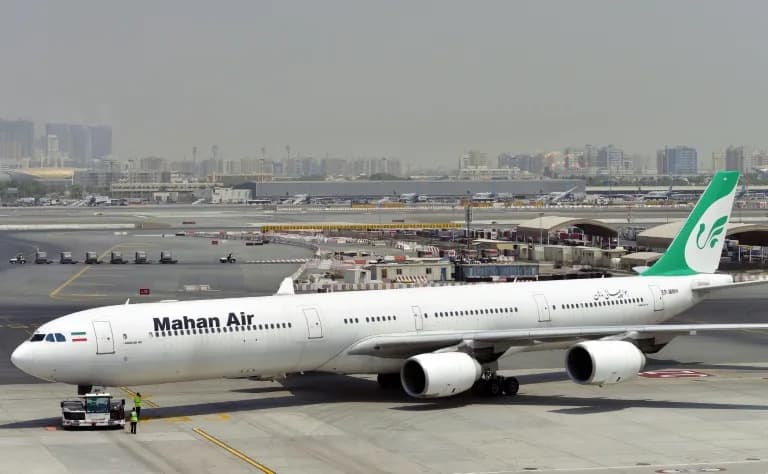
Despite the fresh pressure, Iran's aviation sector has already been a target of sanctions for years, and it remains to be seen which other countries will comply with the new sanctions (GIUSEPPE CACACE)
Iranian carriers were forced to suspend a number of international services on Wednesday after the United States expanded sanctions aimed at crippling Iran's aviation sector as part of a broader effort to pressure Tehran's economy.
Flight Disruptions and Routes Affected
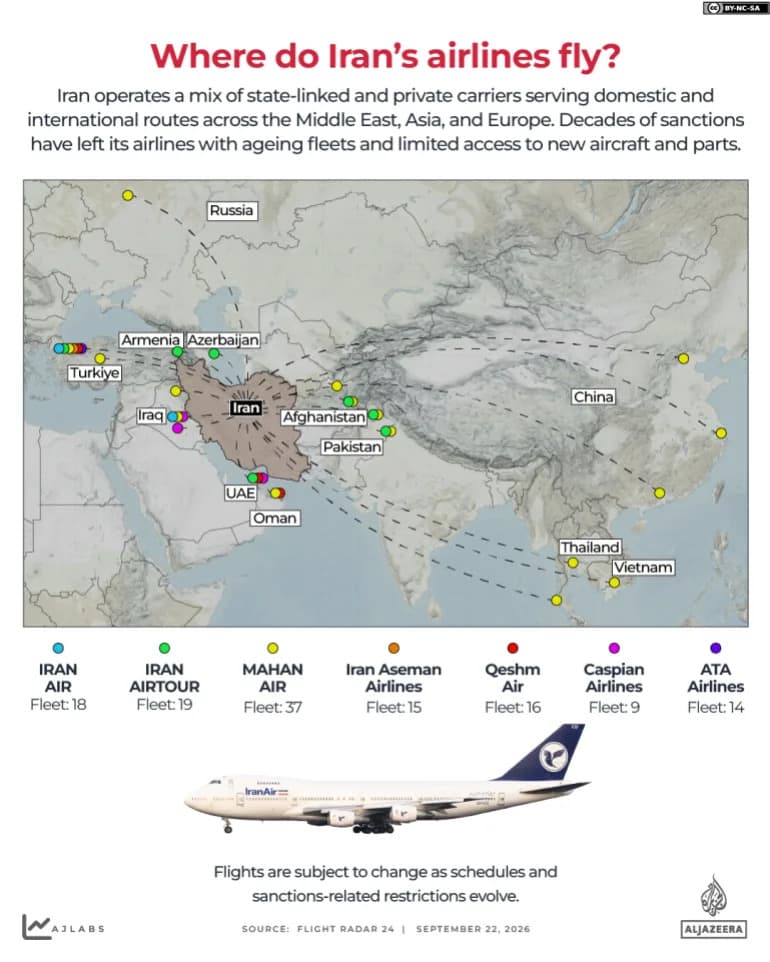
Georgia and Azerbaijan have publicly confirmed they have halted flights to and from Iran. A travel agent in Tehran told AFP that services to Baghdad, Muscat and some destinations in Qatar were paused, while other routes — notably to China — continued to operate.
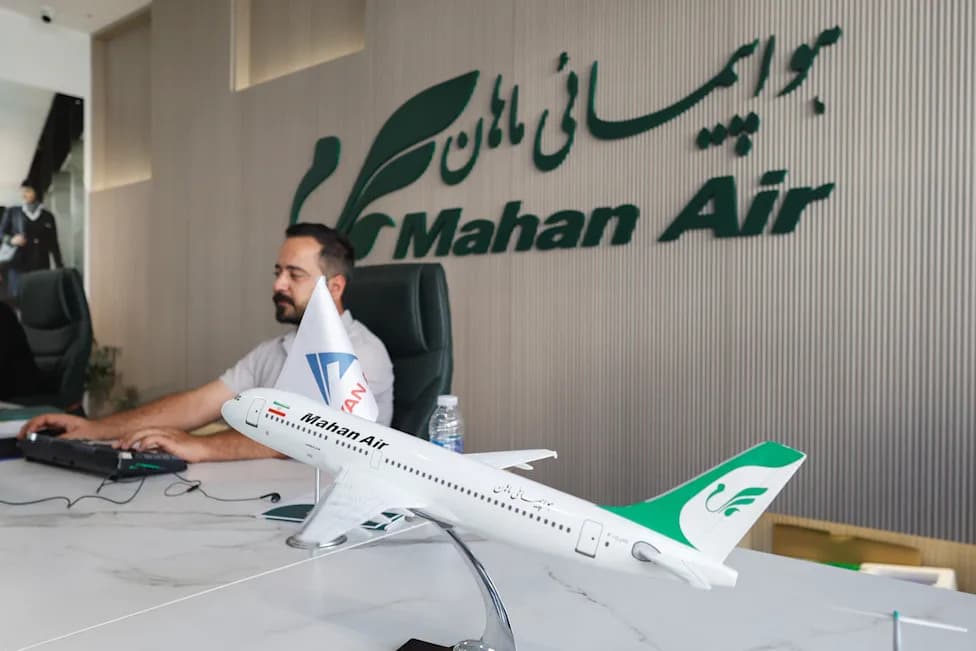
Flight-tracking data from FlightRadar24 showed that, even after the new measures took effect, a Mahan Air service from Tehran landed in Guangzhou. Tehran's international airport also listed a flight to Shanghai as scheduled.
Washington's Announcement and International Reaction
A U.S. official, Scott Bessent, announced the new measures on Monday as part of a campaign described by U.S. authorities as an "economic D-Day" aimed to increase pressure on Iran amid the ongoing conflict. Bessent told Fox News that "probably more than 80 or 90 percent" of Iran's external flights had been shut down, and questioned how the Iranian delegation at the United Nations would return home.
China publicly opposed the U.S. measures and called them illegal, while some countries appear to be assessing how to comply. Iran's aviation industry has long been subject to restrictions, but the scope of enforcement across other states remains fluid.
Iranian Response and Regional Warnings
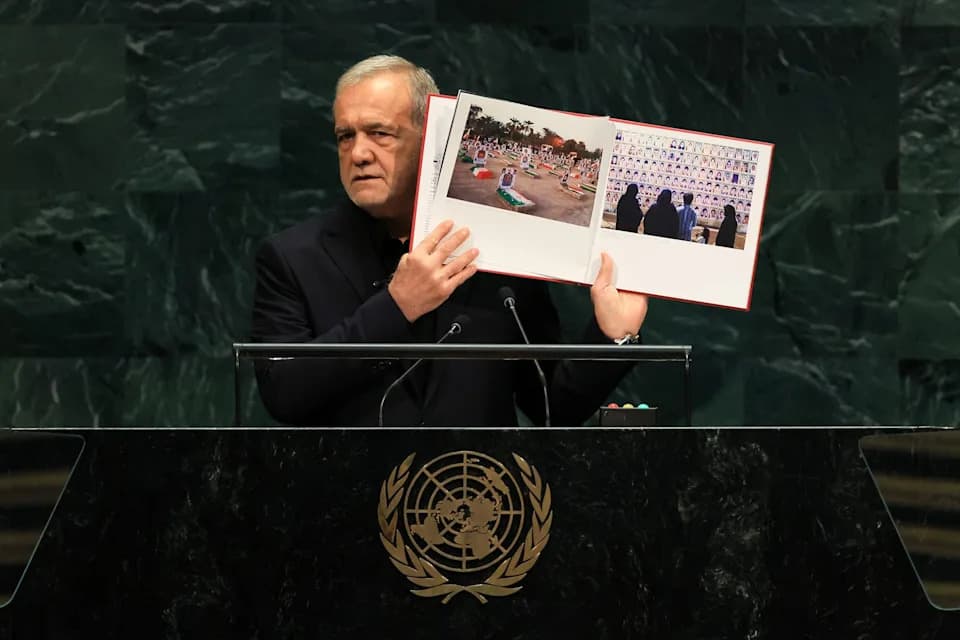
President Massoud Pezeshkian, part of Iran's delegation at the United Nations General Assembly in New York, struck a defiant tone: "The resistance of the Iranian people will only intensify in the face of sanctions, mounting pressure and growing intimidation," he said.
Mohsen Rezaei, head of Iran's supreme national security council, warned neighbouring countries against cooperating with the U.S. measures: "If a country cooperates with or embarks on adventures with the United States, its airports will no longer be able to operate flights" to Iran.
Local Impact: Pilgrims, Travel Agents and Regional Hubs
Iranian media outlets reported additional cancellations. The Tasnim news agency cited a civil aviation spokesman as saying Baghdad and Muscat airports "will no longer accept" Iranian flights, while adding that other international flights, including some to Istanbul, would continue.
Authorities reportedly discussed rerouting Baghdad services to Najaf, an important destination for Iranian religious pilgrims. Tasnim later reported that flights to Najaf were operating normally and that Najaf airport had received no formal order to stop Iranian services.
Several Iraqi sources told AFP they expected Baghdad to comply with U.S. measures, though no public enforcement announcement had been made. Travel agents in Najaf and other cities say clients are anxious, with some considering lengthy land journeys to reach religious sites or relatives.
Outlook
The situation remains uncertain. Some carriers and destinations continue to accept flights from Iran while others have suspended service. Regional compliance with U.S. sanctions will determine how long the disruptions last and how widely they spread, with significant implications for passengers, pilgrims and trade links.
Help us improve.