Quick summary: Iran faces multilayered sanctions from the UN, the US, the EU, the UK and other states. In September 2025 the UN "snapback" under UNSC Resolution 2231 reinstated major restrictions on arms, nuclear-related transfers, ballistic missiles and financial links. The US has implemented additional OFAC measures—incl. broad trade bans, secondary sanctions and asset freezes—while the EU, UK and other countries maintain overlapping embargoes and targeted listings.
What Sanctions Is Iran Under Now? A Clear, Up-to-Date Guide
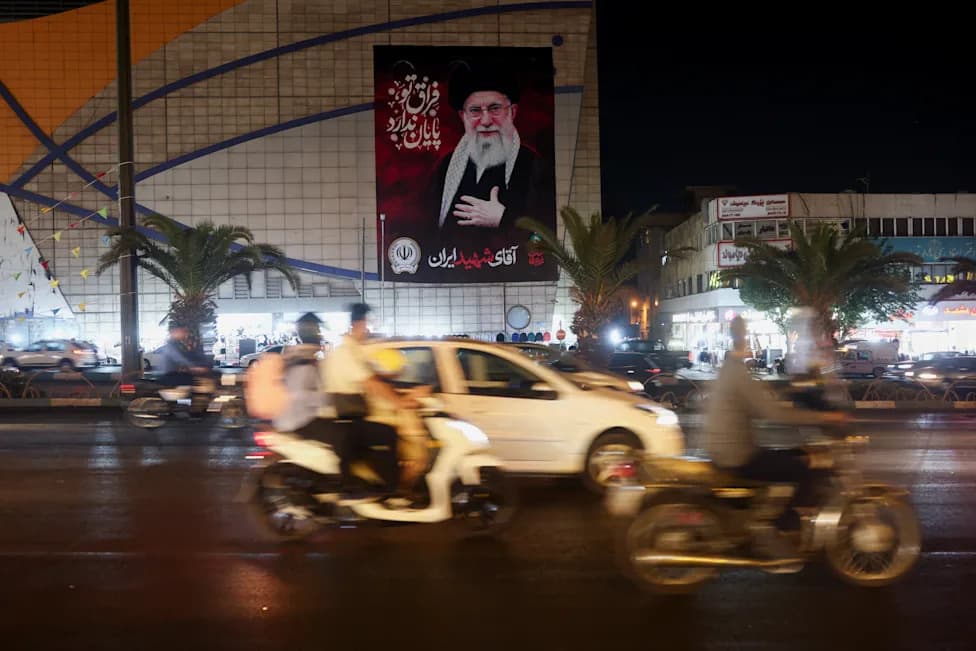
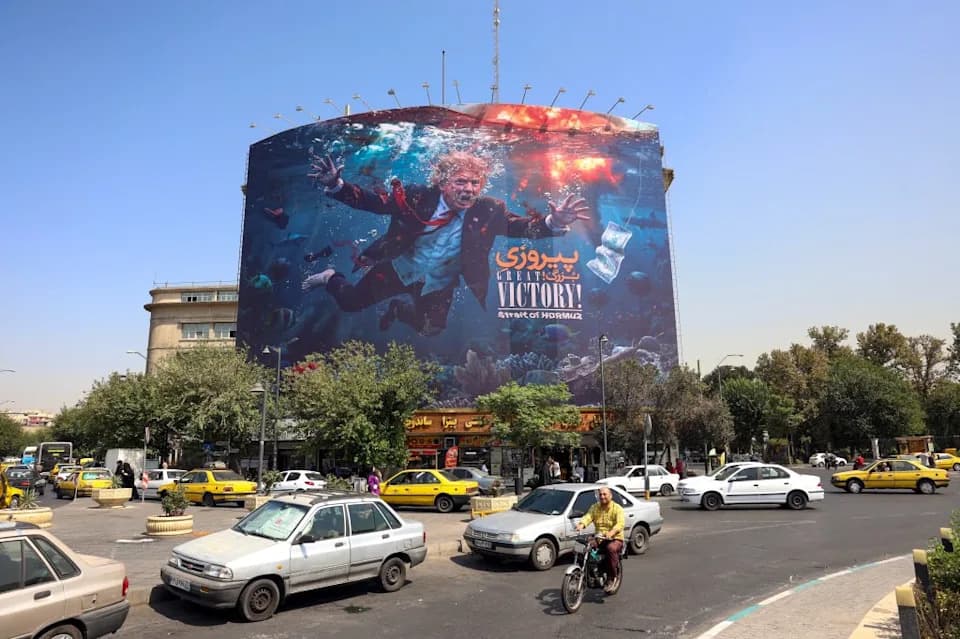
People drive past a billboard depicting Iran's late Supreme Leader Ayatollah Ali Khamenei, on a street in Tehran, Iran [West Asia News Agency via Reuters]
Overview
Iran is among the most heavily sanctioned countries in the world, facing layered restrictions from the United Nations, the United States, the European Union, the United Kingdom and a number of other states. Sanctions regimes have been applied, reimposed and adjusted since 1979 and now span trade, finance, energy, defence and individual listings.
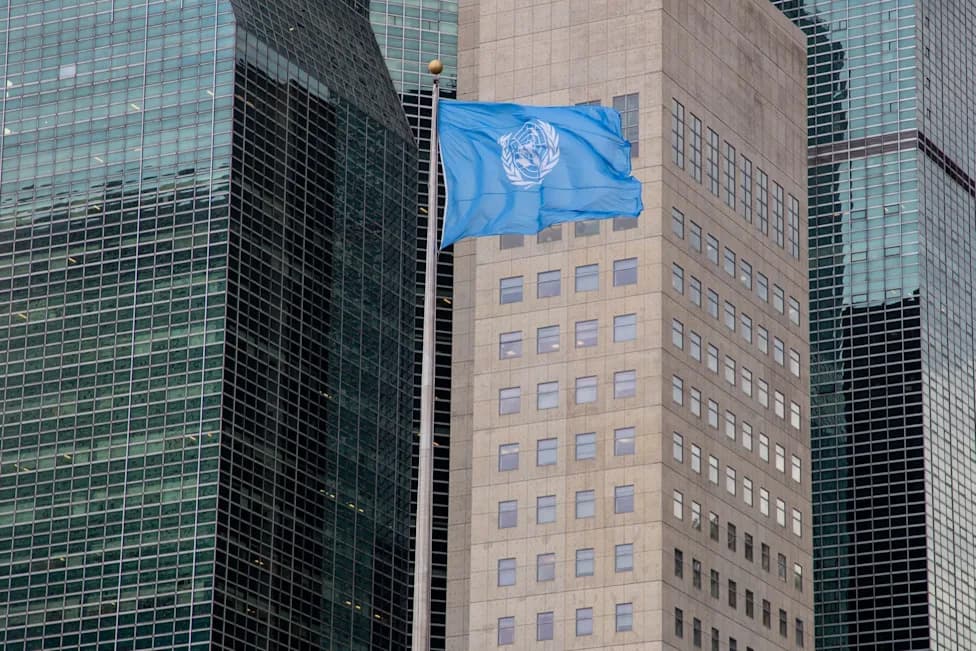
UN Sanctions (Snapback: September 2025)
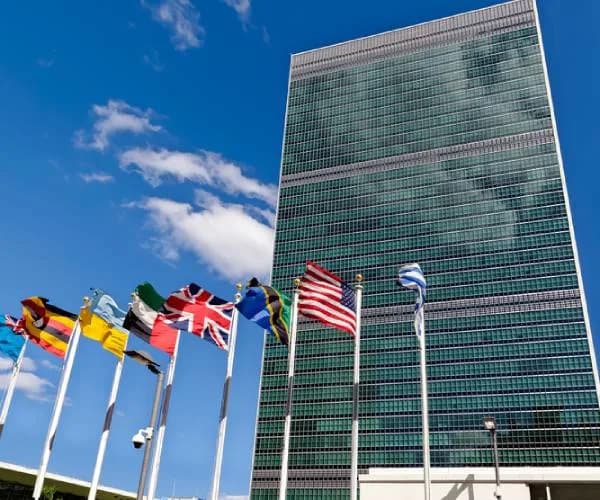
In September 2025 France, Germany and the United Kingdom triggered the "snapback" provision in UN Security Council Resolution 2231, effectively reinstating six earlier Security Council resolutions. Those UN measures focus on Iran's nuclear and military capabilities and include:
- Arms Embargo: Prohibitions on transfers of conventional arms to and from Iran.
- Nuclear-Related Controls: Bans on supplying materials, equipment, goods and technologies that could contribute to nuclear or uranium-enrichment activities.
- Ballistic Missile Restrictions: Limits on activities and transfers related to missiles capable of delivering nuclear warheads.
- Finance and Trade Measures: Asset freezes and trade controls tied to Iran's nuclear and missile programmes.
- Targeted Listings: Designations of numerous individuals and entities involved in prohibited programmes.
United States (Recent OFAC Measures)
The United States enforces a broad set of sanctions, principally through the Treasury Department's Office of Foreign Assets Control (OFAC). Recent US steps are intended to increase economic pressure and further isolate Iran from global financial and commercial networks. Key elements include:
- Wide Trade and Investment Embargoes: Extensive prohibitions on most trade and new investment with Iran.
- Secondary Sanctions: Potential US penalties for foreign persons or entities that trade with or finance Iranian activities across sectors such as energy, shipping, technology, digital assets, gold and aviation.
- Sectoral Restrictions: Targeted measures affecting energy, shipping and other strategic sectors by sanctioning third parties that do business with those industries.
- Terrorism and Human-Rights Designations: Listings of individuals and organisations, including elements of the Islamic Revolutionary Guard Corps (IRGC), under terrorism- or human-rights-related authorities.
- Frozen Assets: US actions have contributed to the immobilisation or blocking of substantial Iranian funds in US-controlled accounts and financial institutions.
European Union
The EU maintains a regularly reviewed sanctions framework that overlaps with UN and US concerns. Major components include:
- Nuclear-Related Export Controls: Restrictions on goods, technology and services that could support Iran's nuclear programme.
- Energy and Trade Restrictions: Embargoes on Iranian oil and petroleum products and limits on dual-use items with potential military applications.
- Financial Measures: Bans or restrictions on transactions with banks and actors linked to proliferation or terrorism.
- Sectoral Sanctions: Measures targeting shipping, aviation, petrochemicals and certain metals (e.g., aluminium, steel).
- Arms Embargo: Prohibition on transfer of arms and related components to Iran.
United Kingdom
The UK’s regime broadly mirrors UN and EU measures and includes export controls, trade and banking restrictions, targeted asset freezes, travel bans and an arms embargo. It also includes human-rights-related listings for individuals and entities implicated in repression or censorship.
Other Countries
Australia, Canada, Japan, New Zealand, Norway, Switzerland and others have adopted similar measures—largely focused on proliferation concerns and human-rights abuses—sometimes coordinated with EU or US frameworks.
Practical Effects and Context
Collectively, these overlapping sanctions aim to limit Iran's ability to finance and procure material for its nuclear, missile and military programmes, to pressure behaviour related to regional security, and to punish serious human-rights abuses. Consequences include constrained oil revenues, restricted access to international banking, challenges for importers and exporters working with Iran, and potential penalties for third-country actors that do business with sanctioned Iranian entities.
Note on Timing and Enforcement
Enforcement varies by jurisdiction. The UN snapback restored binding Security Council measures in 2025; US, EU and UK measures are implemented under their respective domestic authorities and are updated periodically. For users seeking to comply with sanctions, consult official government lists and legal advisers for the latest, jurisdiction-specific guidance.
Help us improve.