Iran has warned neighbours it will retaliate if they enforce US sanctions that aim to bar Iranian carriers from international routes. The US expanded restrictions to cover 27 Iranian airlines and warned service providers of secondary penalties, prompting several countries to suspend flights. Analysts say direct attacks on airports are unlikely, but the sanctions and flight suspensions could deepen Iran's isolation and inflict heavy economic damage on regional aviation and tourism.
Why Iran Is Threatening Regional Airports — What It Means for Air Travel and the Region
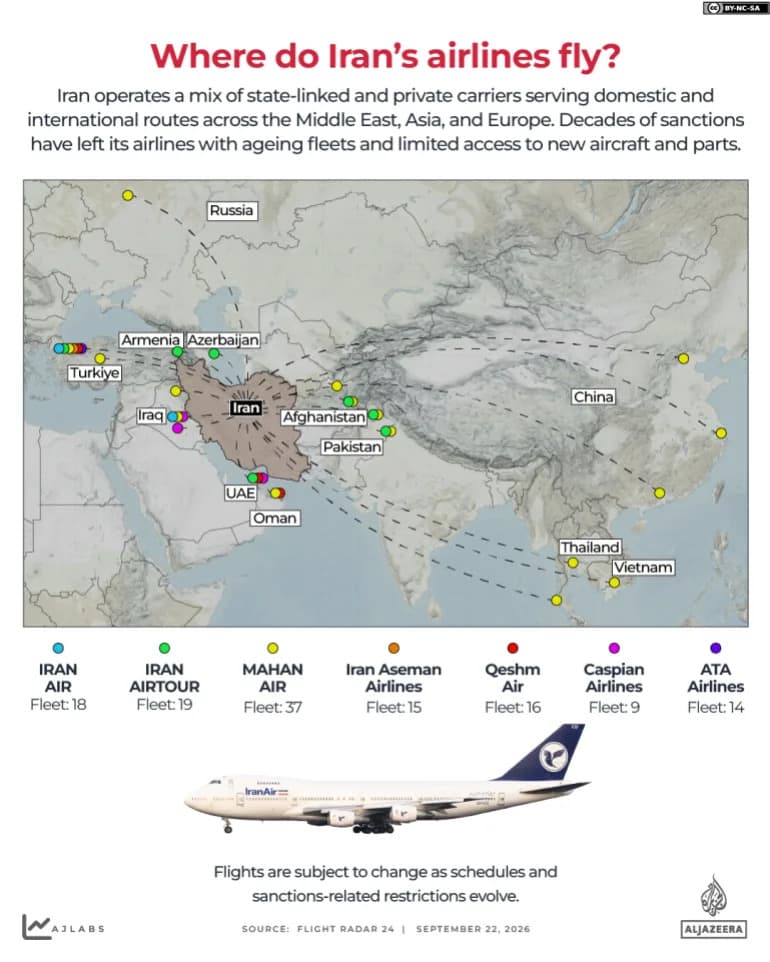
interactive - Where do Iran’s airlines fly - sep22, 2026-1790069336
Iran has warned neighbouring countries that it will retaliate if they enforce new US sanctions aimed at stopping Iranian carriers from flying internationally. The move follows US steps to expand aviation sanctions and raises the prospect of further disruption to a region already affected by months of heightened tensions.
What Iran Said
Mohsen Rezaei, secretary of Iran's Supreme National Security Council, warned state media that countries cooperating with the US measures would face retaliation. "If a country cooperates with or embarks on adventures with the United States, its airports will no longer be able to operate flights," Rezaei said, adding that Iran would ensure such airports "cannot function." He did not specify whether retaliation would be diplomatic, economic or military.
What Triggered the Threat
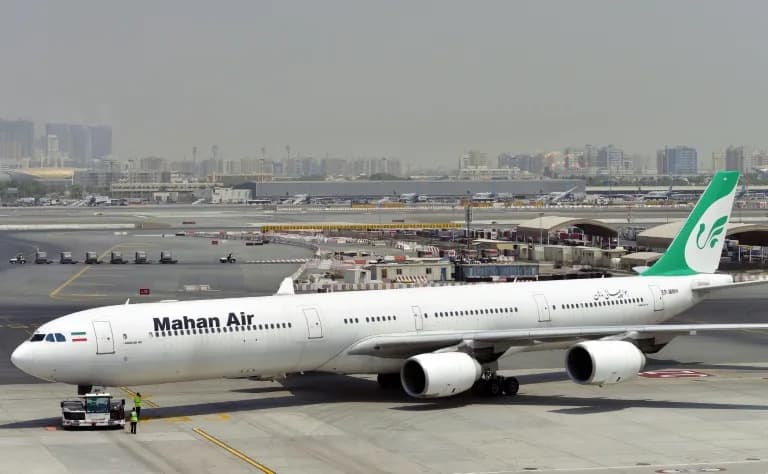
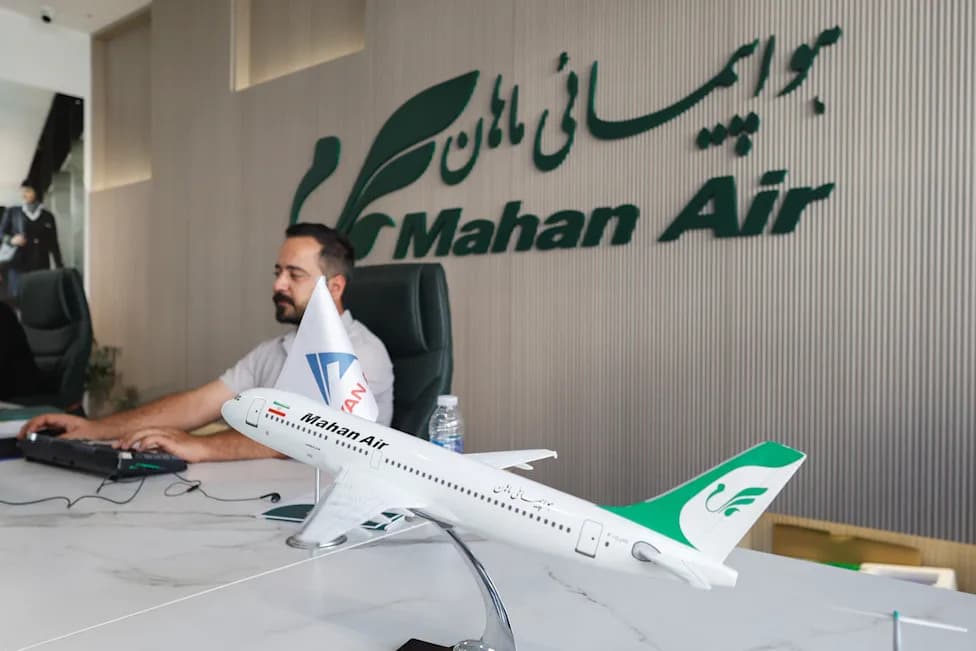
The immediate cause was the US Department of the Treasury's expansion of aviation restrictions earlier this month. The sanctions extend longstanding measures on Mahan Air to cover 27 Iranian carriers and target foreign companies and intermediaries accused of helping Iranian airlines operate. US officials warned airports, fuel suppliers, ground handlers and ticketing agents that providing services to sanctioned Iranian carriers could expose them to secondary sanctions and restrictions on access to the US financial system.
Immediate Effects
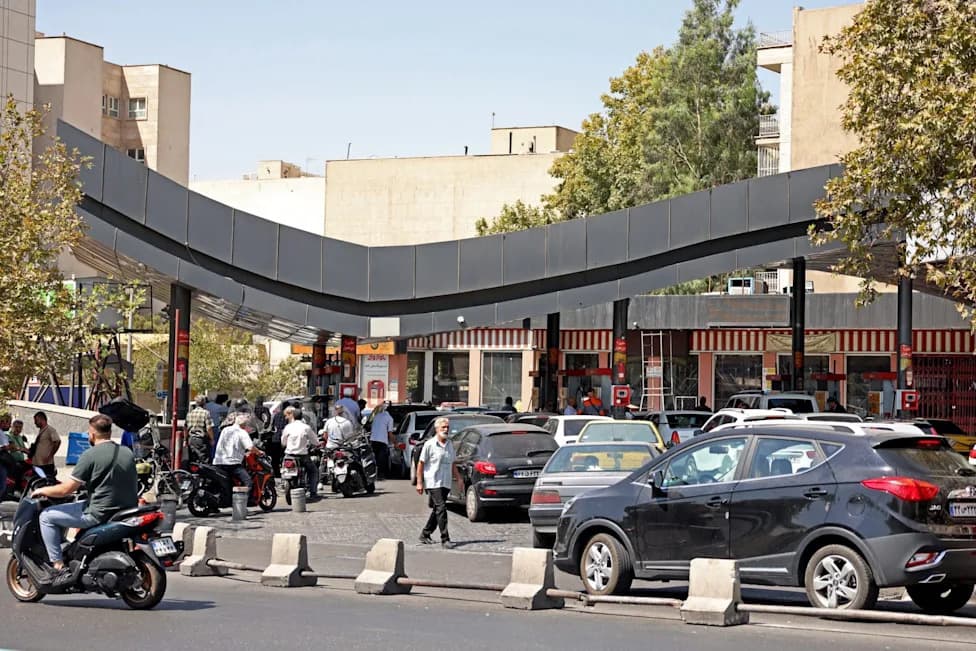
Several countries have already suspended or reduced services to Iran. Azerbaijan, Georgia and the United Arab Emirates confirmed suspensions, while flights to Baghdad and Muscat were halted. Some links to Turkiye and China have continued but many routes have been cut. Iranian carriers cancelled multiple international flights following the US warnings, and thousands of travellers have shifted to land crossings to reach neighbouring countries.
Legal And Practical Limits On Retaliation
Legally, Iran cannot unilaterally close airports in other sovereign states, and the US cannot directly close another country's airspace. What Washington can do is make servicing Iranian flights financially risky through secondary sanctions. Conversely, Iran's stated threat lacks a clear legal mechanism: Rezaei did not detail how Tehran would "ensure" airports cannot function, and analysts say a direct military strike on regional airports is unlikely.
"It is extremely unlikely that Iran will attack these airports," said Wolfgang Pusztai, a security and defence analyst and former Austrian defence attache, noting Iran retains aviation links with countries less likely to enforce US restrictions.
Wider Impact On The Region
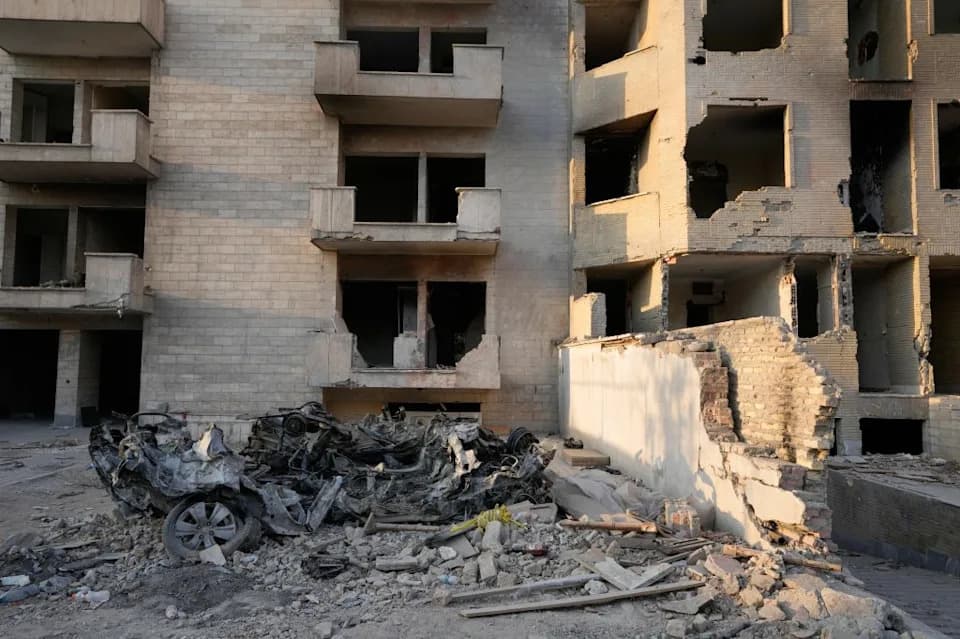
The region already experienced severe aviation disruption earlier in the conflict, when missile and drone strikes prompted partial or full airspace closures across the Gulf. Airports in Dubai, Abu Dhabi, Kuwait and Bahrain were affected by projectiles or interceptions. Carriers took months to restore normal schedules.
Quantifying the economic toll: the International Air Transport Association (IATA) estimates Middle East carriers could post a collective $4.3bn loss in 2026. The World Travel & Tourism Council (WTTC) estimated roughly $600m in lost international visitor spending per day during the conflict, and Tourism Economics projected international travel to Gulf countries could fall by about 25% in 2026. Aviation analytics firm Cirium reported international flight capacity from Iran was 49% lower in August 2026 year-on-year, and Dubai International Airport traffic fell 31% in H1 2026.
Outlook
Analysts expect the primary effects to be practical and psychological rather than an immediate direct attack on airports. Practical impacts include flight cancellations, rerouting and job losses in aviation, tourism and hospitality. Psychologically, visible travel disruption reinforces a perception of isolation inside Iran. Whether additional sanctions and service suspensions will alter Tehran's broader strategic behaviour remains doubtful, according to experts.
Bottom line: The new US aviation measures increase pressure on Iran and create immediate disruptions for travellers and regional carriers. While Iran's threats heighten uncertainty, a direct campaign to disable neighbouring airports appears unlikely; the greater near-term risks are economic damage, reduced connectivity and an increase in regional travel volatility.
Help us improve.