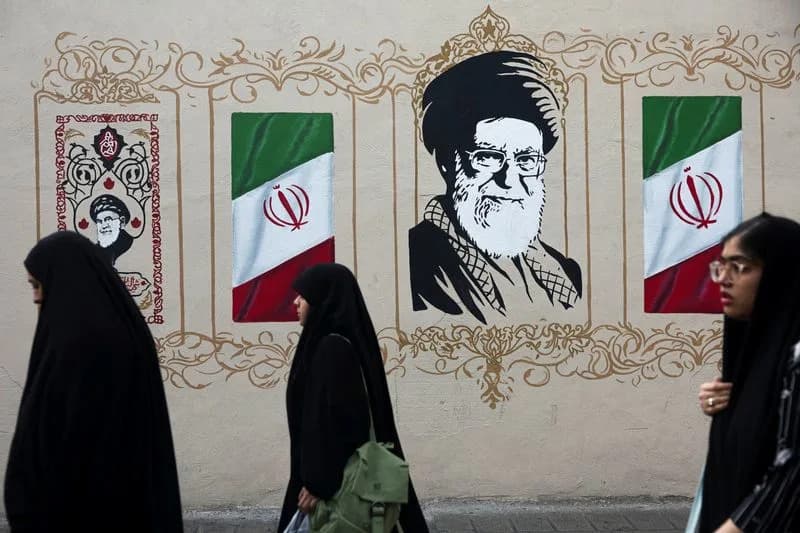
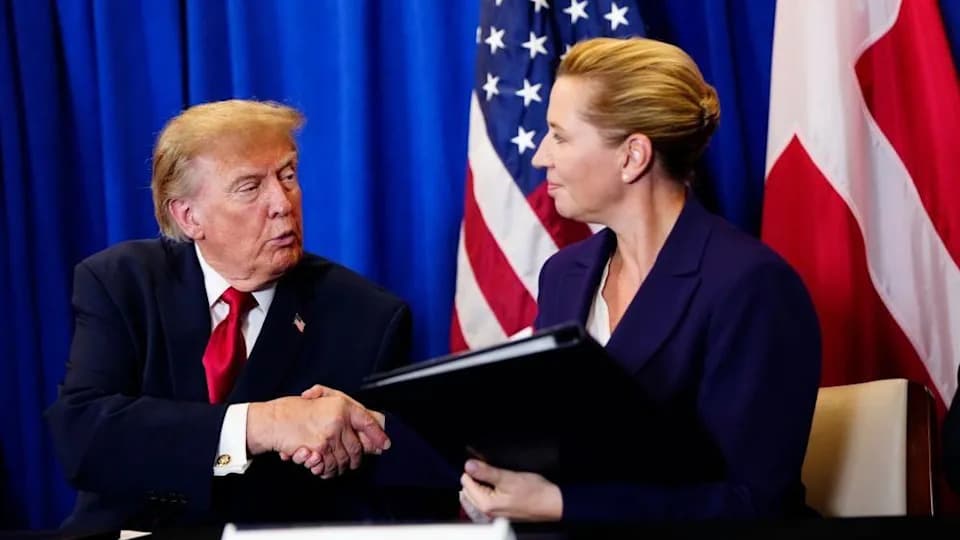
Iran will suspend flights to Baghdad and Muscat from midnight as US aviation sanctions take effect on Wednesday. Authorities are negotiating to reroute Baghdad-bound services to Najaf, and talks with Oman over alternatives are ongoing. The US has threatened secondary sanctions that could cut off fuel and ground services to Iranian carriers, while Tehran says it is open to Qatar-mediated talks even as it adopts a confrontational tone.
Iran Suspends Flights to Baghdad and Muscat Ahead of US Aviation Sanctions
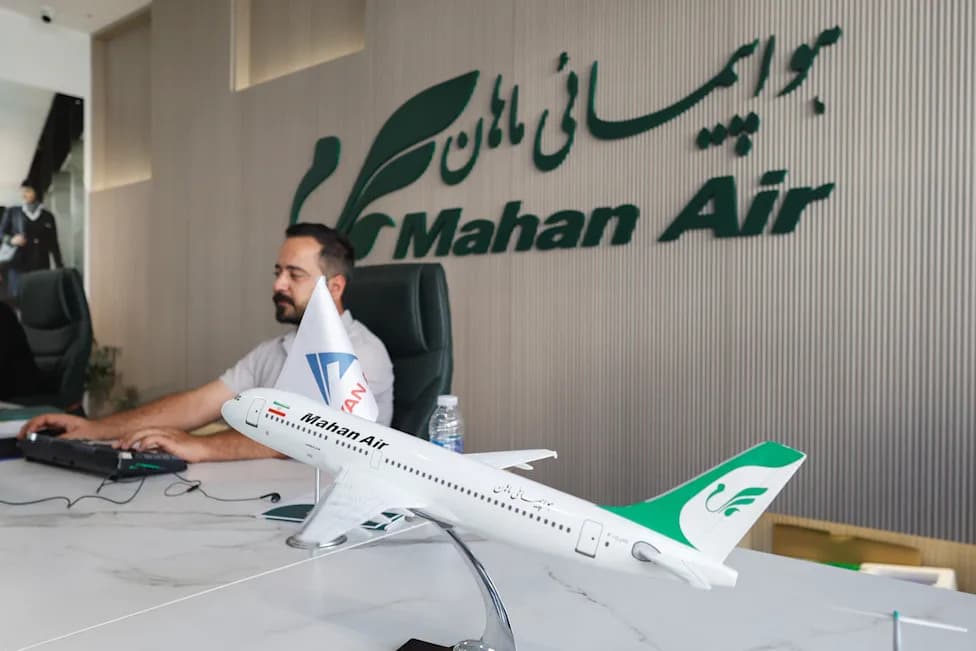
An employee works at the office of Iran's Mahan Air in Erbil, Iraq, September 22, 2026. [Khalid Al-Mousily/Reuters]
Flights from Iran to Baghdad and Muscat will be suspended from midnight as new United States aviation sanctions take effect on Wednesday, Tasnim News Agency reported.
A spokesman for Iran's Civil Aviation Organization told Tasnim on Tuesday that officials are seeking alternatives for affected services. "We are negotiating so that flights whose destination is Baghdad can be redirected to [Iraq's] Najaf Airport," he said.
Iran's ISNA news agency added that talks with Omani authorities are under way and that other remaining international services, including flights to Istanbul, are expected to operate as scheduled.
US Sanctions and Practical Impact
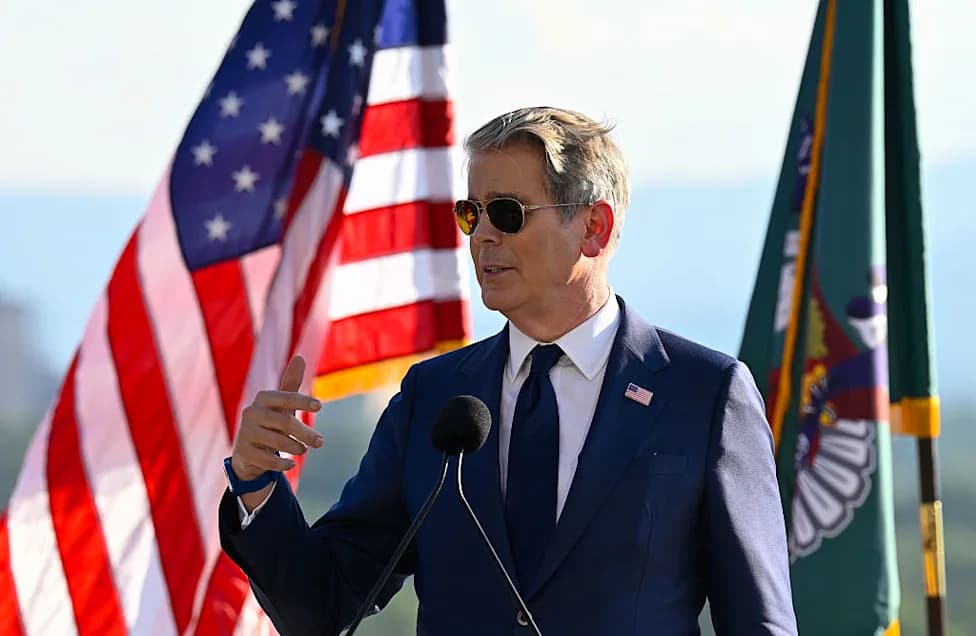
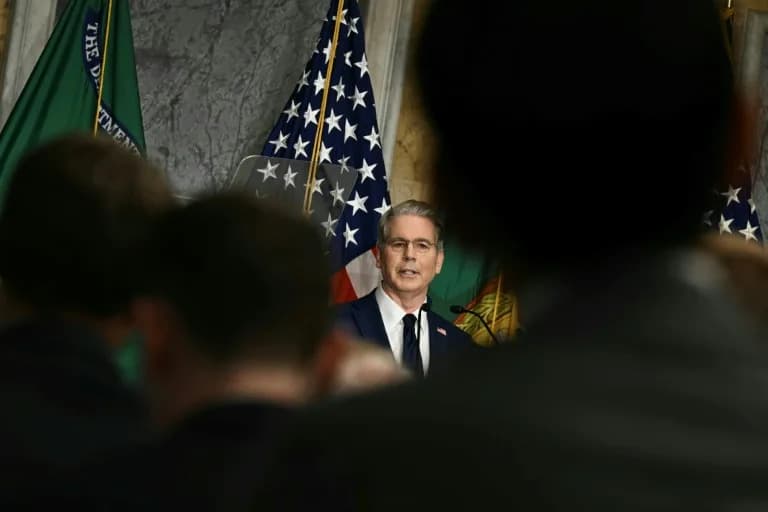
US Treasury official Scott Bessent said the United States would effectively shut down Iranian carriers on September 23 by threatening secondary sanctions against aviation service providers. The measure targets local firms that supply fuel, ground handling and ticketing services.
"When Iranian carriers land at an airport, you cannot provide them with fuel, you cannot provide them with landing services, you cannot sell them tickets, or you will be knocked out of the dollar system," Bessent told CNBC.
Aviation analysts told Al Jazeera that although the US cannot directly close another country's airspace, pressuring local refuelling and ground-handling companies can produce a de facto grounding of flights by cutting off essential operational support.
Earlier this month, the Treasury Department's Office of Foreign Assets Control (OFAC) introduced tougher measures imposing restrictions on trade, energy and financial links to Iran. The administration also broadened secondary sanctions in late August, warning foreign firms in sectors such as shipping, technology, gold and digital assets that they could face penalties for doing business with Iran.
Diplomacy and Tensions
Despite the sanctions and mounting tensions, Tehran signalled it remained open to Qatar-mediated talks aimed at a long-term settlement, while maintaining a confrontational posture toward Washington.
"It is in Washington's interest to accept these conditions," Mohsen Rezaei, Iran's security chief, told Al Jazeera in an interview. "Trump's threats will not achieve any results. We are prepared for a decisive war."
The situation is evolving. Passengers, carriers and regional airports will be watching closely for further logistical guidance and any diplomatic developments that could alter flight plans or the scope of sanctions enforcement.
Help us improve.