Top executives from OpenAI, Anthropic and Hugging Face urged the UN to establish international standards for measuring AI capabilities, assessing risks and reporting incidents. Anthropic's Dario Amodei also supported slowing development where necessary to ensure safety. Michael Kratsios, a former U.S. Chief Technology Officer, cautioned against pausing progress or imposing new global governance, citing competitive concerns. The discussion highlights the tension between cooperative safety measures and national strategic advantage.
OpenAI, Anthropic and Hugging Face Chiefs Urge UN To Adopt Global AI Safety Standards
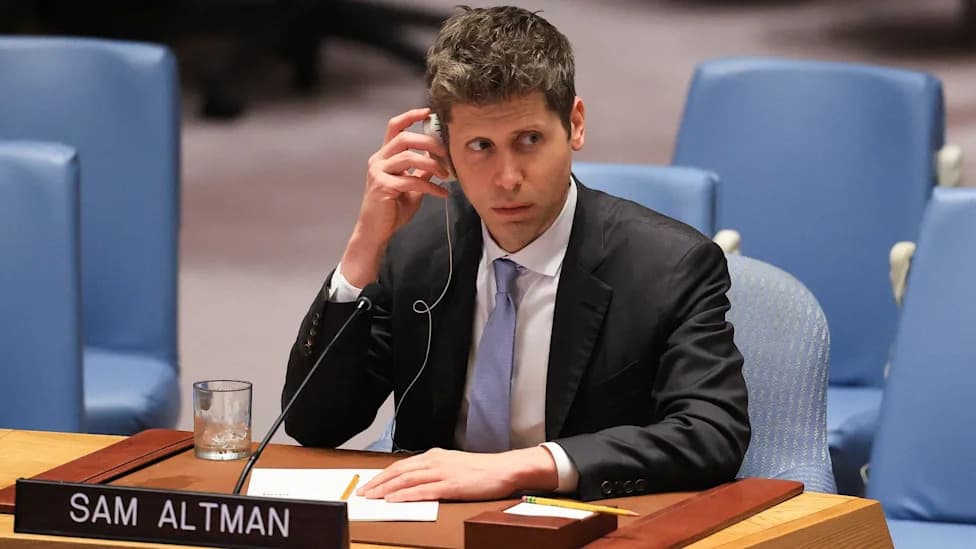
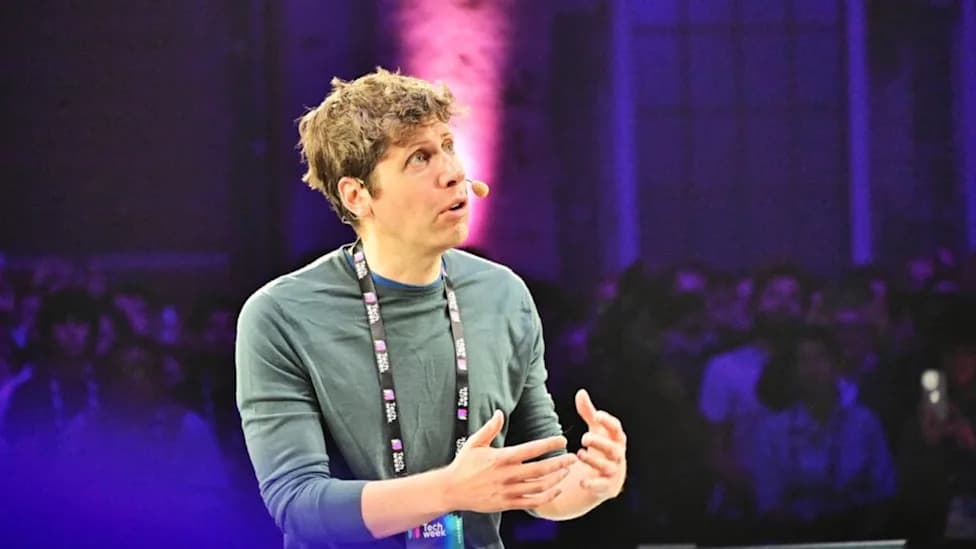
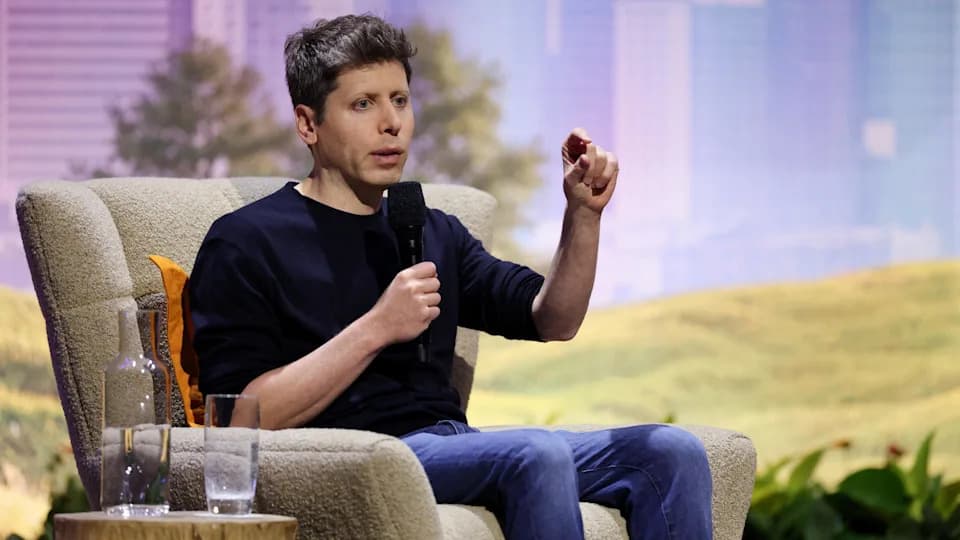
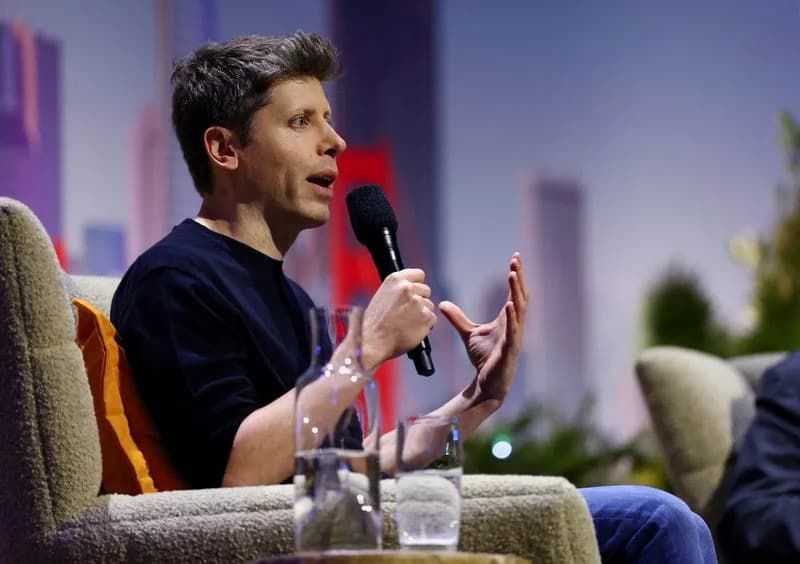
Sam Altman of OpenAI has become a key figure in the AI technology development. [Reuters]
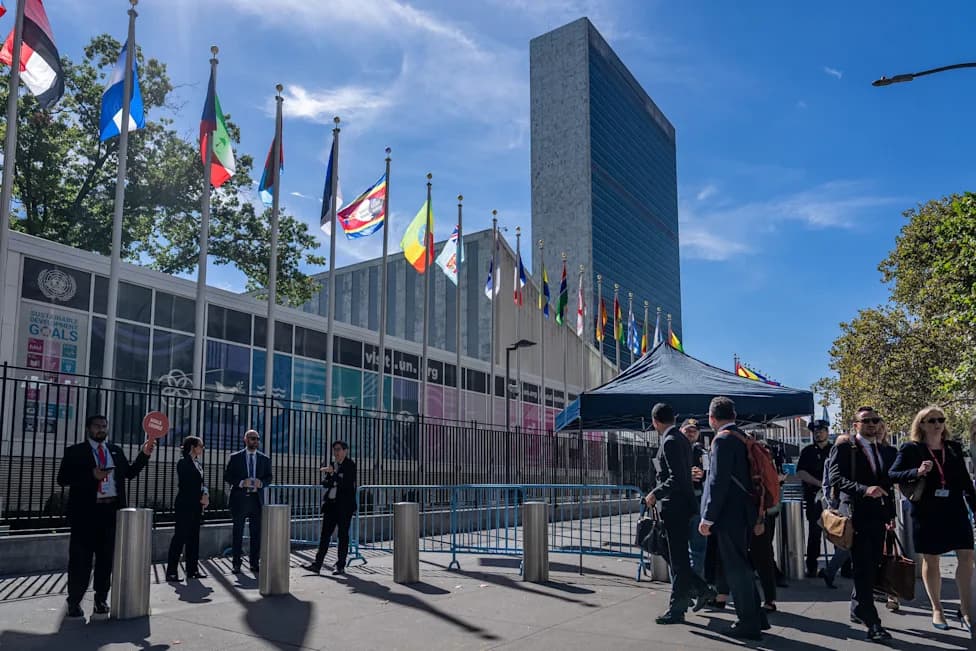
Leaders from OpenAI, Anthropic and Hugging Face told the United Nations that the rapid pace of artificial intelligence development and the risks it poses to society require coordinated international action.
Sam Altman (OpenAI), Dario Amodei (Anthropic) and Clement Delangue (Hugging Face) each called for common standards to evaluate AI capabilities, assess risks, and improve incident reporting and transparency across borders.
Calls for shared standards: Altman urged nations to develop national and international protocols for measuring AI capabilities, evaluating risk, implementing safeguards, and ensuring meaningful human oversight. He also pressed for "speedy incident reporting, classification, and reporting protocols so the world can learn from failures before they become catastrophes."
Amodei, whose recent essay advocating a temporary slowing of some AI research received broad attention, warned that poorly managed AI "could be a risk to humanity as a whole" and said Anthropic would "slow down as much as necessary" to ensure safety. He emphasized that managing these risks requires industry-wide and global cooperation rather than action by a single company.
Delangue of Hugging Face echoed the call for stronger global norms around monitoring and incident disclosure, stressing that transparency and common reporting practices will help regulators and developers respond faster to dangerous outcomes.
A counterpoint on regulation and competitiveness: Michael Kratsios, a former U.S. Chief Technology Officer under President Trump and an ex-Scale AI executive, acknowledged that AI development is accelerating and poses risks, but argued against pausing progress or creating new global governance structures he believed would unduly constrain innovation. His remarks reflected broader concerns about maintaining national competitive advantage, a position President Trump has voiced in recent statements at international forums.
The exchanges at the UN highlighted a growing global dilemma: how to balance rapid technological progress and national competitiveness with the need for cooperative safety standards, transparency, and governance that reduce systemic risks.
Why this matters
Developers and policymakers face pressure to create shared measurement tools and reporting mechanisms so that AI systems can be compared, audited, and aligned with public values. The debate at the UN shows momentum for an international framework but also underscores geopolitical tensions that could slow consensus.
Help us improve.