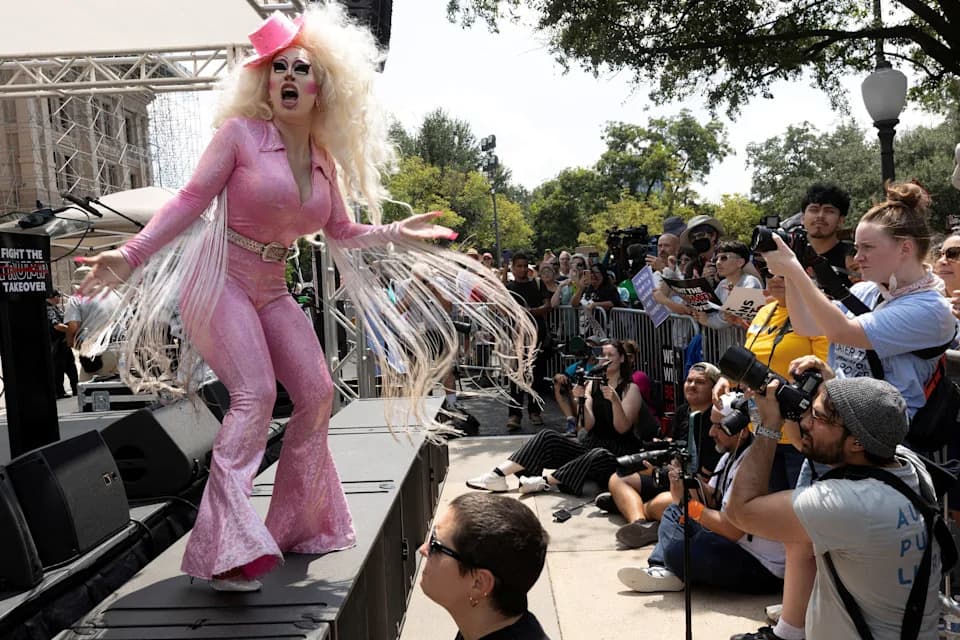
The full 5th U.S. Circuit Court of Appeals will hear two consolidated cases testing whether public universities can ban drag shows on campus. One case stems from West Texas A&M's 2023 cancellation of a student drag show, while a second challenges a February 2025 system-wide policy banning drag at special-event venues. The en banc panel will consider whether such performances are protected speech, the extent of university venue authority, and whether the restrictions are viewpoint discrimination.
Full 5th Circuit Hears Texas A&M Drag Ban Cases in En Banc Session

lgbtq pride flag on texas a&m flag
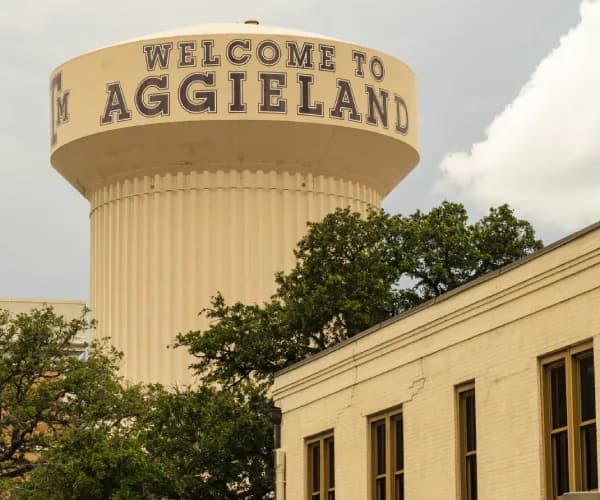
The full 5th U.S. Circuit Court of Appeals — sitting en banc with 17 judges — is scheduled to hear oral arguments in two consolidated cases that will determine whether public universities can bar drag performances from campus venues. The disputes arise from conflicting federal rulings involving the Texas A&M University System and could shape speech rules at public colleges nationwide.
Origins of the Disputes
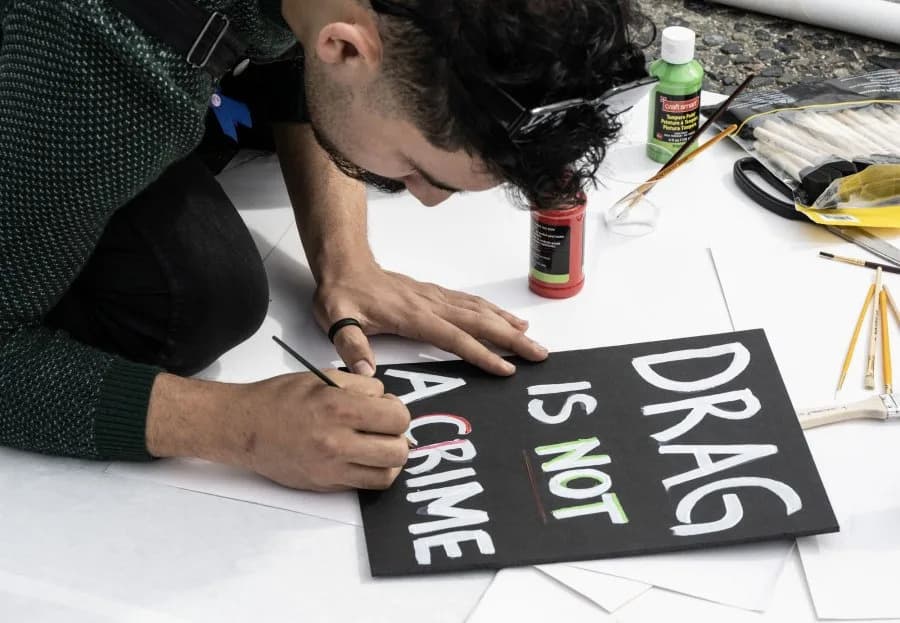
The litigation traces back to 2023, when West Texas A&M University President Walter Wendler canceled a student drag show organized by Spectrum WT. The student group and two student leaders sued, saying the cancellation violated their First Amendment rights.
Lower-Court Decisions
In August 2025, a three-judge appeals panel ruled that the planned performance constituted "protected expression" and temporarily enjoined Wendler's ban. After a full trial, however, U.S. District Judge Matthew J. Kacsmaryk issued a final ruling in January that upheld the cancellation. Judge Kacsmaryk concluded that Spectrum WT had not shown the planned performance met the legal standard for protected expression and accepted the university president's comparison of drag to blackface in his analysis.
A second, related case challenges a system-wide policy the Texas A&M University System regents adopted unanimously in February 2025. That policy prohibits drag performances at special-event venues across the system. The Queer Empowerment Council, which organizes the annual Draggieland pageant, sued with support from the Foundation for Individual Rights and Expression (FIRE). U.S. District Judge Lee H. Rosenthal temporarily enjoined the system policy in March 2025, finding the students were likely to succeed on their First Amendment claim and allowing Draggieland to proceed pending appeal.
What the 5th Circuit Will Decide
The consolidated en banc hearing will focus on several legal questions: whether campus drag performances qualify as protected expressive conduct under the First Amendment; the scope of a public university's authority to regulate events and venues on its campuses; and whether the cancellations and policies constitute unlawful viewpoint discrimination. The court will hear argument only — it will not rehear factual findings from the trial courts.
Broader Implications
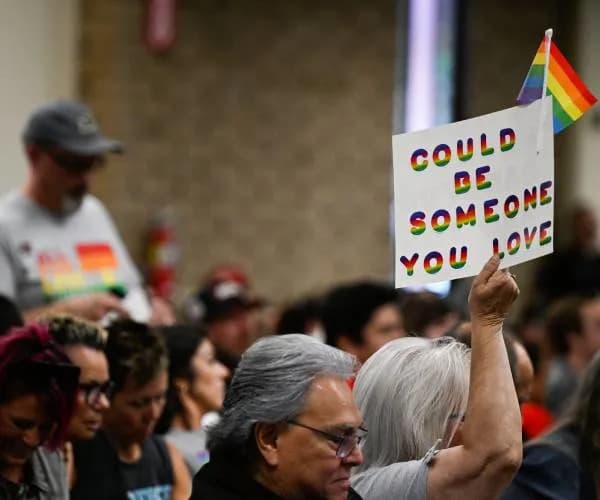
The rulings could have ripple effects beyond Texas A&M. The University of Texas System has taken steps to prohibit drag shows in its facilities, and the University of North Texas revoked approval for a student group's annual drag performance — moves that signal similar disputes at other public universities. Civil-rights and free-speech organizations are closely watching: the ACLU of Texas and Equality Texas filed a friend-of-the-court brief supporting the Queer Empowerment Council, urging the appeals court to scrutinize broad restrictions on drag, while the ACLU of Texas and FIRE have also urged the University of Texas System to rescind its policy.
Key Quote: Chloe Kempf, an ACLU of Texas staff attorney, called the University of Texas System's ban "an affront to its students' First Amendment rights."
The consolidated arguments will test how appellate judges balance a university's control over campus events with constitutional protections for student expression. The 5th Circuit's decision could set precedent for how public universities regulate performances that involve gender expression and political or cultural content.
Help us improve.