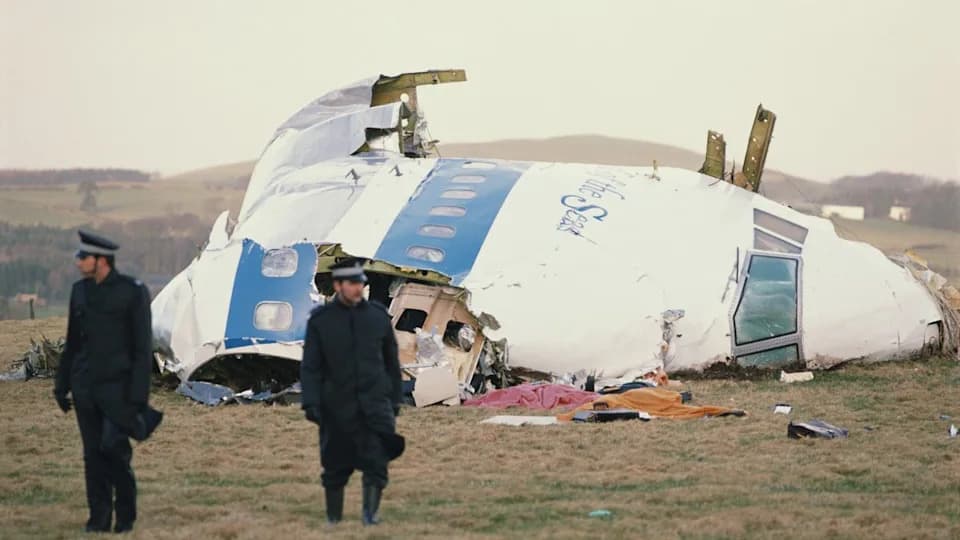
Federal Judge Daniel Rafecas has charged seven Iranians and one Lebanese national in connection with the 1994 AMIA bombing in Buenos Aires, which killed 85 people. The accused held senior Iranian posts at the time, and Argentine prosecutors say the attack was ordered in 1993 and entrusted to Hezbollah. A 2024 court ruling found Iran and Hezbollah responsible, and a legal change now allows trials in absentia, though appeals and additional procedures mean a trial is not imminent.
Argentina Charges Seven Iranians and One Lebanese Over 1994 AMIA Bombing — Step Toward Trial in Absentia
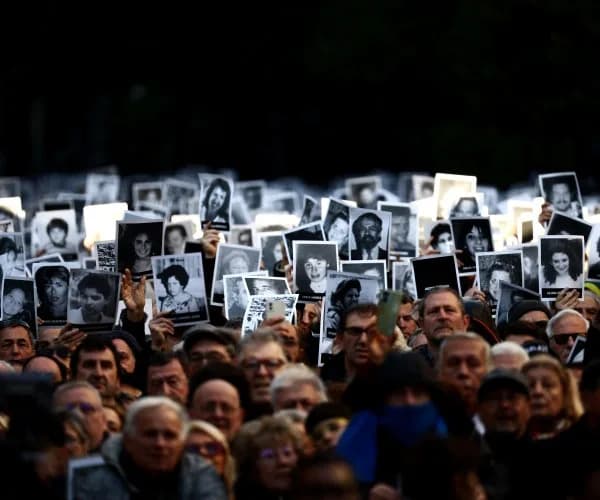
People hold pictures of victims during a ceremony to commemorate the anniversary the Mutual Israelite Association of Argentina (AMIA) bombing attack in Buenos Aires on July 18, 2024. (TOMAS CUESTA/AFP via Getty Images)
Argentina has taken another legal step in its long-running pursuit of those accused of planning the 1994 bombing of the Argentine Israelite Mutual Association (AMIA) in Buenos Aires, an attack that killed 85 people and wounded hundreds. Federal Judge Daniel Rafecas has formally charged seven Iranian nationals and one Lebanese individual in connection with the bombing, clearing a procedural hurdle that could lead to a trial in absentia.
Who Was Charged
Argentine prosecutors say the seven Iranian defendants held senior government, diplomatic or intelligence roles at the time of the attack. They are listed as:
- Ali Fallahijan, former Iranian intelligence minister
- Ali Akbar Velayati, former foreign minister
- Mohsen Rezaei, former Islamic Revolutionary Guard Corps commander
- Ahmad Vahidi, former Quds Force chief
- Hadi Soleimanpour, former Iranian ambassador to Argentina
- Mohsen Rabbani, former embassy cultural adviser
- Ahmad Reza Asghari, intelligence official
- Salman Raouf Salman, a Lebanese national identified by Argentine authorities as a Hezbollah member
Rafecas wrote that ‘the decision to carry out the attack was made in August 1993 by the highest echelons of the Iranian regime and entrusted to Hezbollah.’
Legal Context and Next Steps
The accused were not present in Argentina when charges were filed. A 2024 Argentine court ruling previously found Iran and Hezbollah responsible for the AMIA bombing, and a recent change in Argentine law allows trials in absentia for certain serious crimes. In June, Rafecas ruled the eight suspects could be tried without being physically present in court; two other defendants were removed from the case for insufficient evidence.
Those charged can still appeal the indictment, and several procedural steps remain before any trial could proceed. The charges do not guarantee a trial will take place, especially while the defendants remain outside Argentina and legal challenges continue.
Background: Investigation and Controversy
The AMIA investigation has been overshadowed by decades of allegations of interference, obstruction and corruption. Special prosecutor Alberto Nisman, appointed in 2004 to lead the probe, was found dead in his Buenos Aires apartment in January 2015, hours before he was due to present allegations that then‑President Cristina Fernández de Kirchner and others had sought to cover up Iran's role. While his death was initially treated as a possible suicide, Argentine courts later concluded he was murdered.
Separately, the investigation produced convictions related to obstruction: former intelligence chief Hugo Anzorreguy was sentenced to four and a half years for obstructing the probe, and former Judge Juan José Galeano received a six-year sentence in 2019 for concealment and evidence-related violations.
Significance
More than three decades after the bombing, the new charges represent a significant procedural advance in Argentina's effort to hold alleged perpetrators to account. Nevertheless, because the defendants remain abroad and legal appeals are likely, a trial remains a future possibility rather than an immediate certainty.
Help us improve.