Florida researchers have reported the first U.S. detection of Aedes amateuri, a mosquito species previously known only from Mexico. Specimens were found in Arizona's Sky Islands (Santa Rita, Dragoon and Peloncillo ranges); the species bites humans and large mammals, but its disease risk is unknown. Tied to temporary monsoon pools, the mosquito may be intermittent and hard to detect; recent heavy rains and record heat may have influenced its appearance.
New Mosquito Species Detected in U.S.: Aedes amateuri Found in Arizona Mountains, Disease Risk Unknown
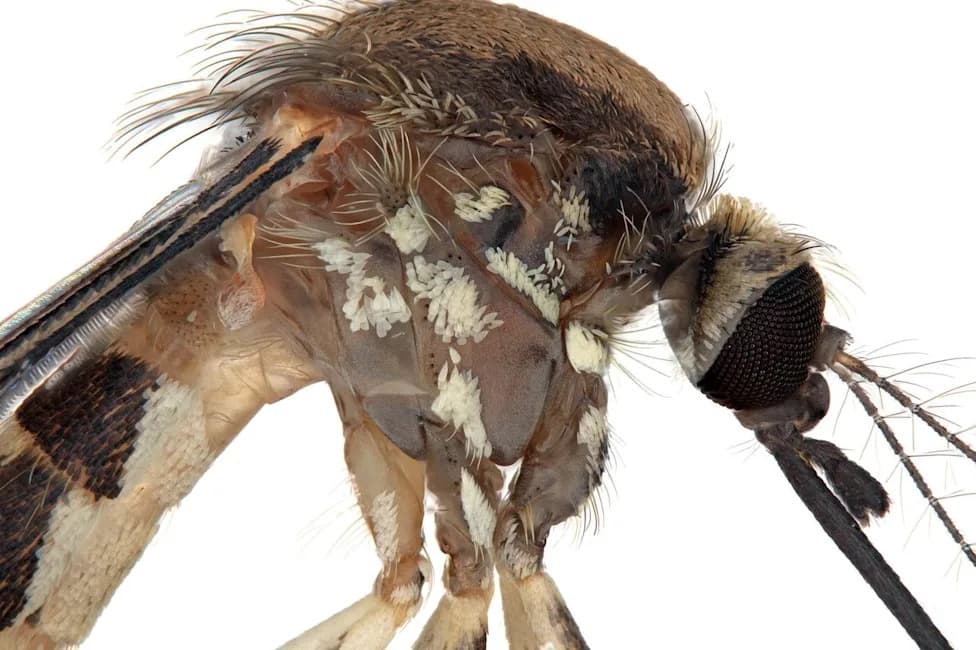
The US has a new species of mosquito - but little is known about it
Researchers from the University of Florida this week reported the first U.S. detection of a mosquito species previously known only from Mexico: Aedes amateuri. The specimens were collected in the Sky Islands of southeastern Arizona, a string of mountain ranges that includes the Santa Rita, Dragoon and Peloncillo areas.
According to the university, Aedes amateuri is known to feed on humans and other large mammals, but scientists currently know very little about the insect's ecology or whether it can transmit pathogens to people.
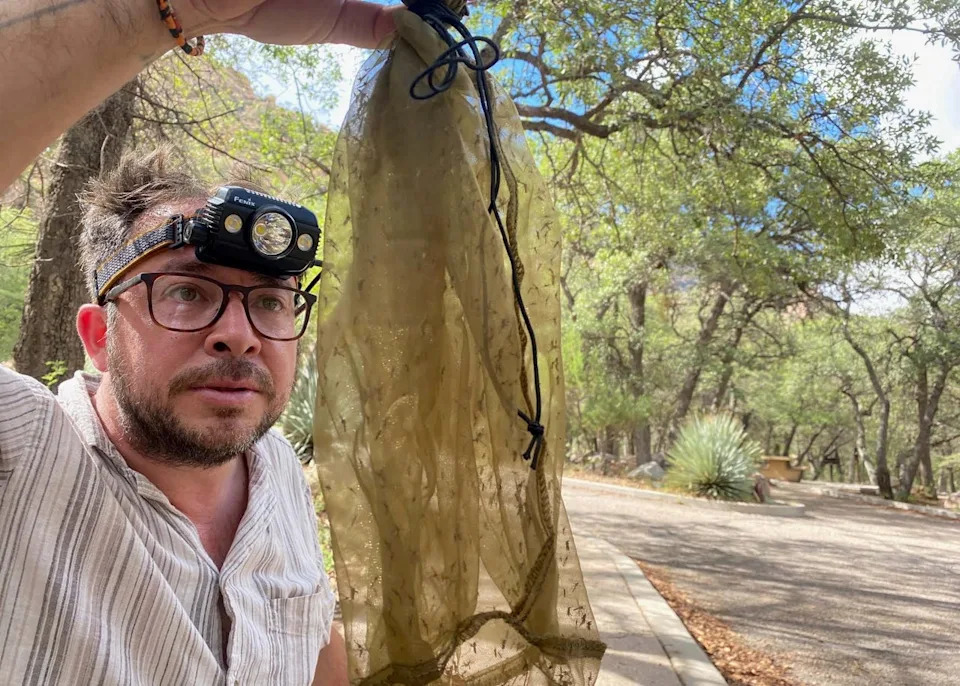
University of Florida scientist Dr. Lawrence Reeves inspects a bag of mosquitoes collected in the mountains of Arizona. Reeves and colleagues have found a new species of mosquito in the U.S. (Dan Killingsworth)
“This discovery shows how important it is to remain vigilant in monitoring mosquitoes, because we are still detecting species that were previously unknown in the U.S., a region where they have been intensively studied for more than a century,” said Lawrence Reeves, the researcher who documented the finding.
Photographs accompanying the study show University of Florida scientist Dr. Lawrence Reeves inspecting mosquito collections from Arizona mountain sites. Close-up images of the specimen were released by the university; researchers stress that many aspects of the species' life history remain unknown, including any role in disease transmission.
Where It Was Found and Why Detection Is Tricky
The species has so far been recorded only in mountainous locations in southeastern Arizona. Field teams have not documented it in urban areas, but Reeves and colleagues suspect it may already occur in adjacent New Mexico, which shares similar high-desert and montane terrain.
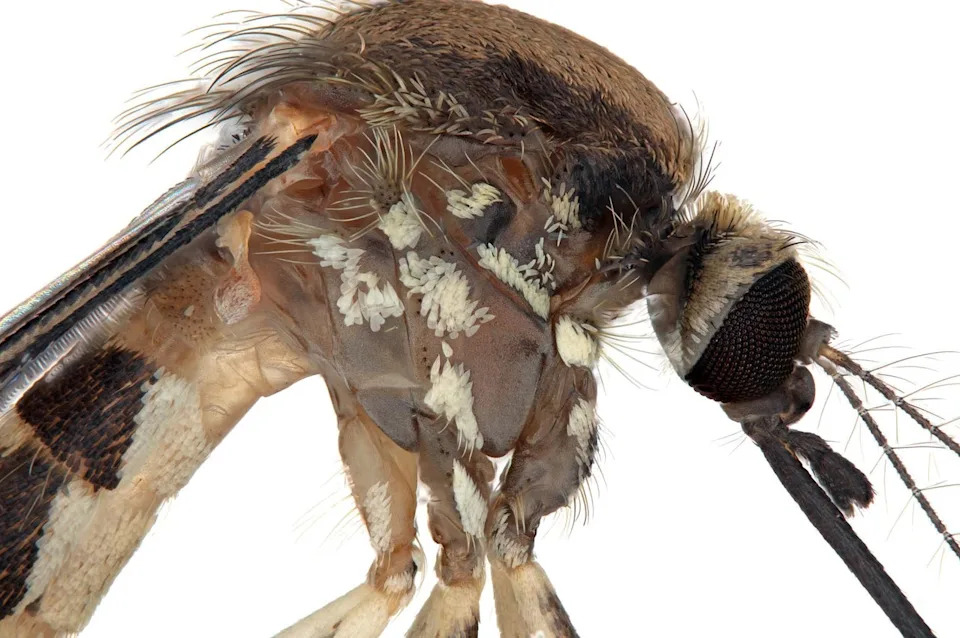
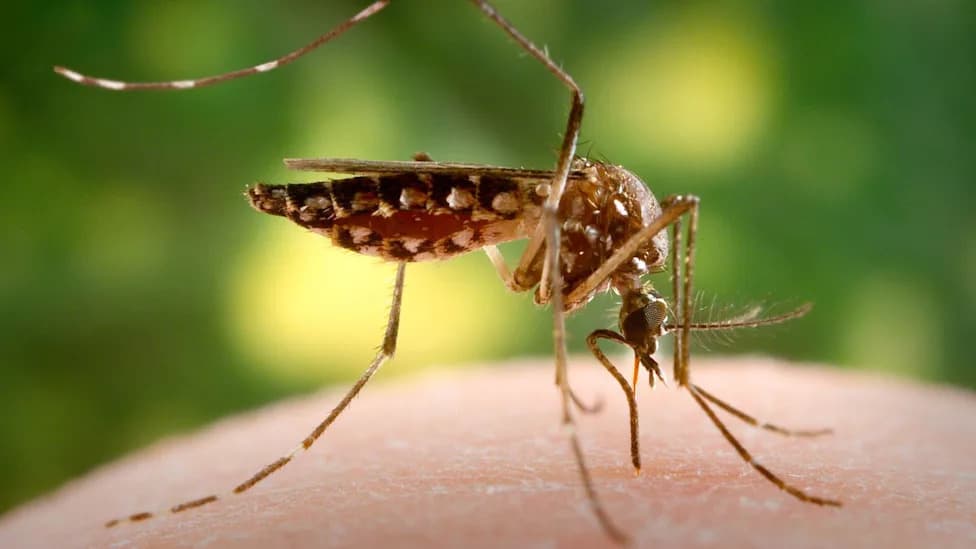
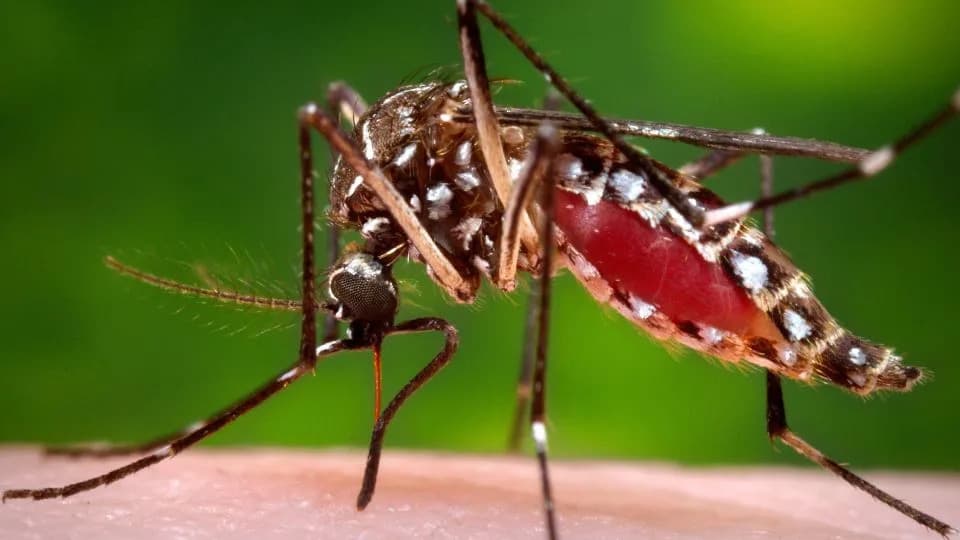
The Aedes amateuri is seen in this close-up shot from the University of Florida. Very little is known about the insect, including its ability to spread disease (Lawrence Reeves)
Aedes amateuri appears tied to temporary pools that form after warm monsoon rains. That life-cycle preference can make populations intermittent: adults may only flourish when the right amount of rain falls in the right places at the right time.
Public-Health Context
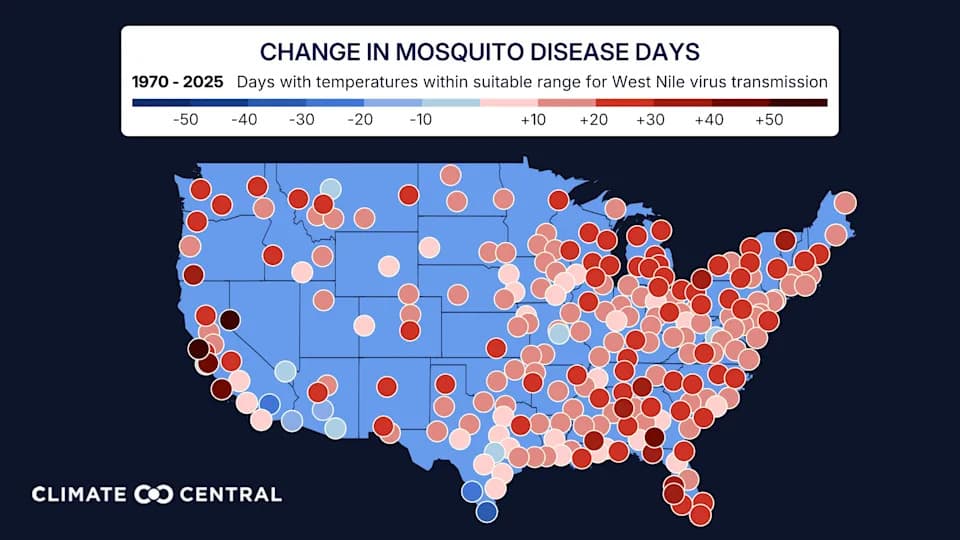
Arizona is already home to more than 40 mosquito species. Some nonnative species, such as Aedes aegypti, have been implicated in the local spread of viruses like West Nile. When mosquitoes are infected, bites can transmit viruses to humans; the Centers for Disease Control and Prevention notes that severe West Nile disease can produce high fever, neurologic complications and, rarely, death among people with weakened immune systems.
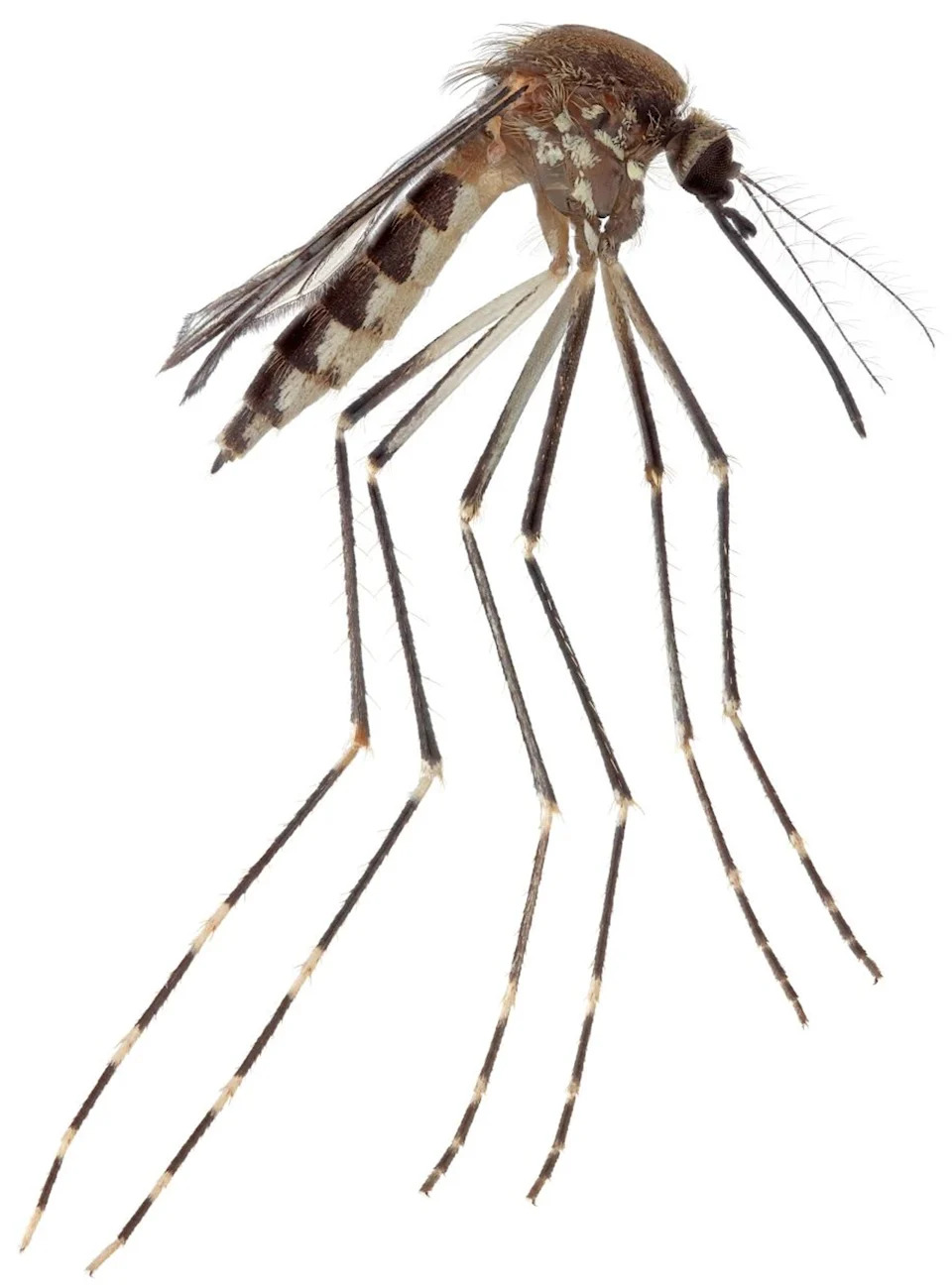
The Aedes amateuri was found in Arizona's mountainous terrain. Reeves suspects the species has also spread to nearby New Mexico (Lawrence Reeves)
Federal data show Arizona and California currently report the most West Nile virus cases in the United States. Researchers also noted that recent heavy rainfall together with record summer heat—conditions that increase atmospheric moisture—could influence mosquito distributions and detection this season. The National Oceanic and Atmospheric Administration reported this summer was the hottest on record for the contiguous U.S.
Next Steps
Researchers emphasize the need for continued surveillance and targeted studies to determine the new species' range, seasonal patterns and any capacity to carry or transmit pathogens. Public-health officials typically recommend standard mosquito-avoidance measures—eliminating standing water, using repellents, and screening windows—especially during warm, wet months when mosquito activity is highest.
Help us improve.