A new video appears to show a Ukrainian 3D‑printed interceptor destroying a Russian Geran‑5, underscoring Kyiv's rapid adaptation to Russia's evolving drone threat. Wild Hornets' STING S is reported to have an 80–90% hit rate, a range near 23 miles and a top speed above 196 mph, and can climb above 24,000 feet. European intelligence warns Putin may consider provocative actions against a NATO member within months, while Russia says it shot down more than 1,900 drones during what it called Ukraine's largest barrage.
Putin's Drone Advantage Dented: Video Shows Ukrainian 3D‑Printed Interceptor Downing Jet‑Powered Geran‑5

Contributor / Getty Images
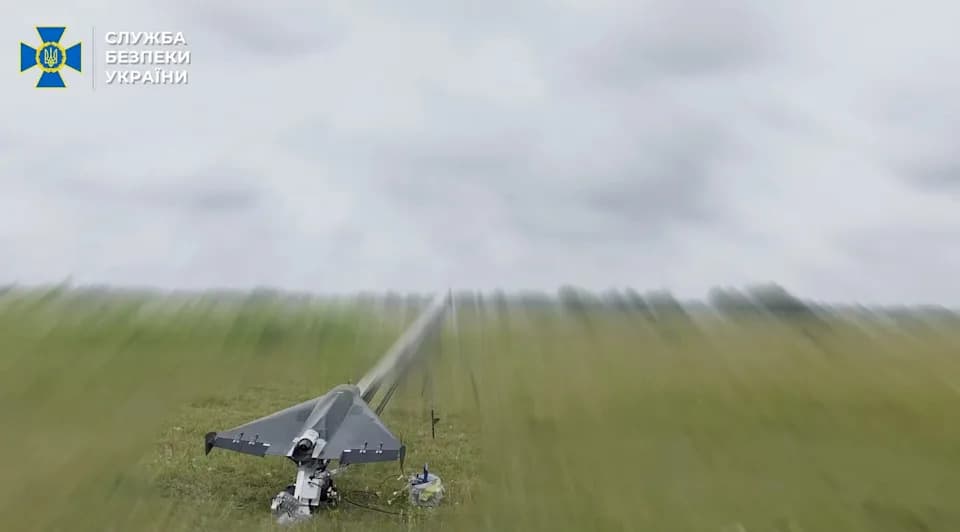
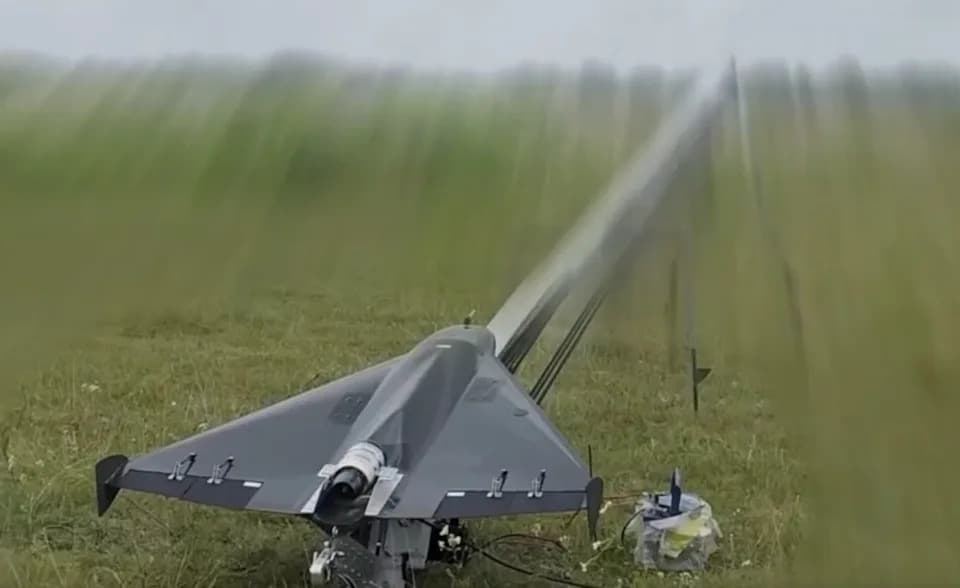
A newly released clip appears to show a Ukrainian crew deploying a 3D‑printed interceptor that collides with and destroys a Russian Geran‑5 — one of Moscow's jet‑powered strike drones. The footage highlights how Kyiv is rapidly adapting to changes in Russia's drone arsenal and fielding low‑cost solutions that can blunt higher‑end systems.
The interceptor, built by Ukrainian defence firm Wild Hornets and marketed as the STING S, is a lightweight quadcopter that reportedly rams incoming targets to neutralize them. Full technical specifications remain confidential ahead of mass production, but early reports in the Kyiv Post say prototypes have posted an 80–90% hit rate, an operational range of up to about 23 miles, and a top speed exceeding 196 mph.
How The STING S Works
According to available descriptions, the STING S requires no catapult launch, can climb above 24,000 feet, and is designed to return automatically to base if another interceptor reaches the target first. Wild Hornets says the system is now in active combat trials and credits STING variants with knocking out roughly 10 jet‑powered Geran‑4s and multiple Geran‑5s.
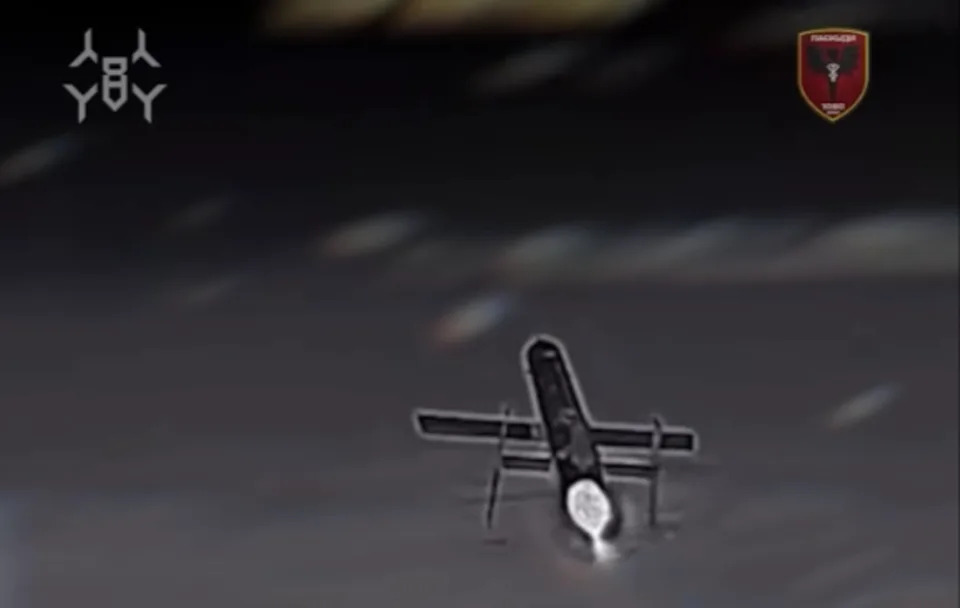
The video shows a Ukrainian military crew deploying a new 3D-printed interceptor drone called the STING S to hunt down and destroy a high-speed Russian Geran-5. / Ukraine’s 1020th Anti-Aircraft Missile Regiment
Targeting And Networked Operations
Much of the system's reported effectiveness is attributed to a remote targeting platform called Hornet Vision Ctrl. The system lets Ukrainian operators connect securely to distributed ground stations, share targeting data, and steer interceptors into incoming threats from a distance — enabling cheaper, distributed defenses against fast, costly attack drones.
We expect this will allow us to quickly scale the use of the new interceptor after mass production begins and deliveries to combat units start, the company said.
Wild Hornets and some Ukrainian reports claim that Sting‑series interceptors have been involved in the downing of thousands of Russian drones across Shahed, Geran and Gerbera families, with one August intercept reportedly setting an altitude record above 24,000 feet. Independent verification of the total figure is limited; many of these numbers remain company or media claims.
Wider Implications
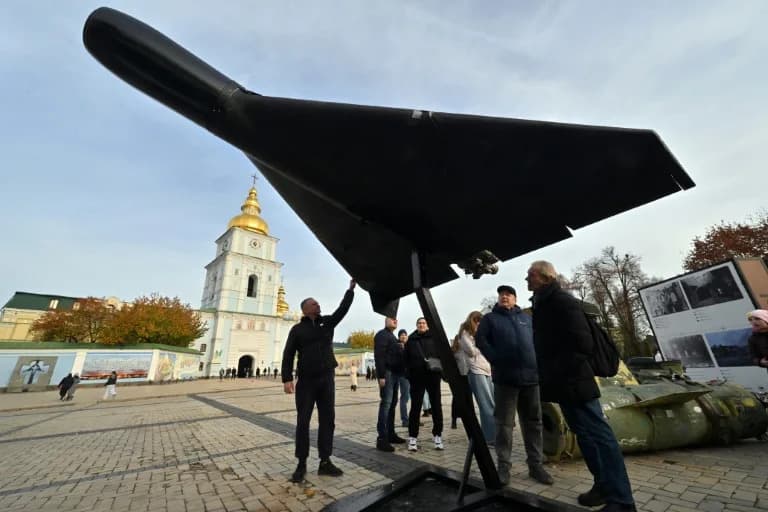
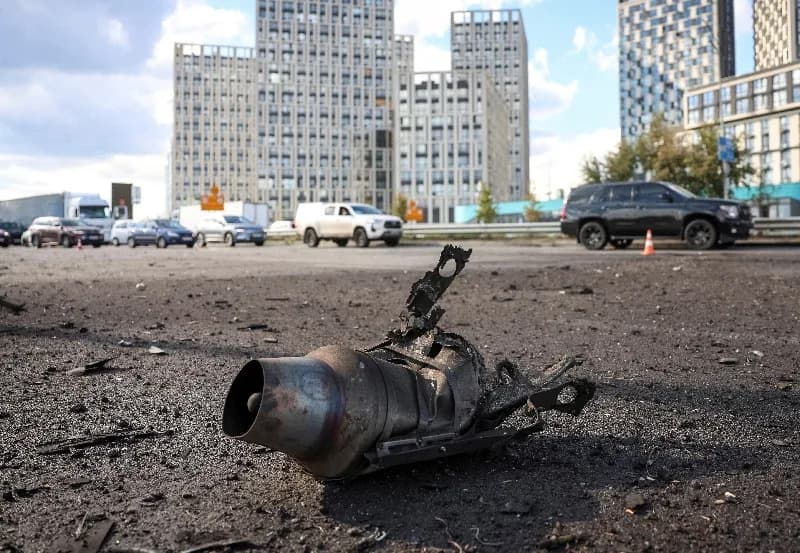
The shootdown illustrates a fast‑moving arms race in the skies over Ukraine. Russia adapted its Geran line from piston engines to jet propulsion to outrun Ukraine's earlier air defenses; Kyiv's inexpensive interceptors are narrowing that advantage by trading cost and numbers for effectiveness.

Zelensky, pictured with Trump, has ramped up the pressure on Putin. / Ukranian Presidency / Handout/Anadolu via Getty Images
The footage arrives amid broader Western concern about Russian escalation. European intelligence officials have warned that President Vladimir Putin may be weighing provocative actions against a NATO member to test alliance resolve. Michal Koudelka, head of the Czech BIS security service, told The Guardian that Putin could be considering options ranging from a drone strike on a neighbouring country to a limited incursion, and that such a move could come within "months, not years." "It could involve a limited incursion, false‑flag provocations, [or] a massive influence campaign," Koudelka added.
Under NATO's Article 5, an attack on any one of the alliance's 32 member states is treated as an attack on all.
The warning coincides with a major escalation in drone activity: Russia's Defence Ministry reported that its forces shot down more than 1,900 drones overnight during what Moscow described as Ukraine's largest recorded barrage, along with guided aerial bombs, cruise missiles and rockets. CNN described the tally as the largest single attack on record by Ukraine.
Whether the STING S and similar low‑cost interceptors will alter the long‑term balance remains to be seen, but the new footage and associated claims underscore how quickly both sides are innovating in the unmanned domain.
Help us improve.