The Royal Navy fired a U.S. Mk 48 MOD 7 heavyweight torpedo from its Excalibur uncrewed submarine on Sept. 13 at the British Underwater Test & Evaluation Centre in Scotland. The trial validated mechanical, electrical and software integration of a U.S. kinetic payload onto an allied autonomous vessel under AUKUS Pillar 2 (May 2026). Officials call the event a historic proof of concept for weapon interchangeability; follow-on efforts under Project CUTLASS will use the Anduril Dive‑XL platform to expand payload integration, C2, and tactical employment.
Historic First: Royal Navy Fires U.S. Mk 48 MOD 7 Torpedo From Excalibur Uncrewed Submersible
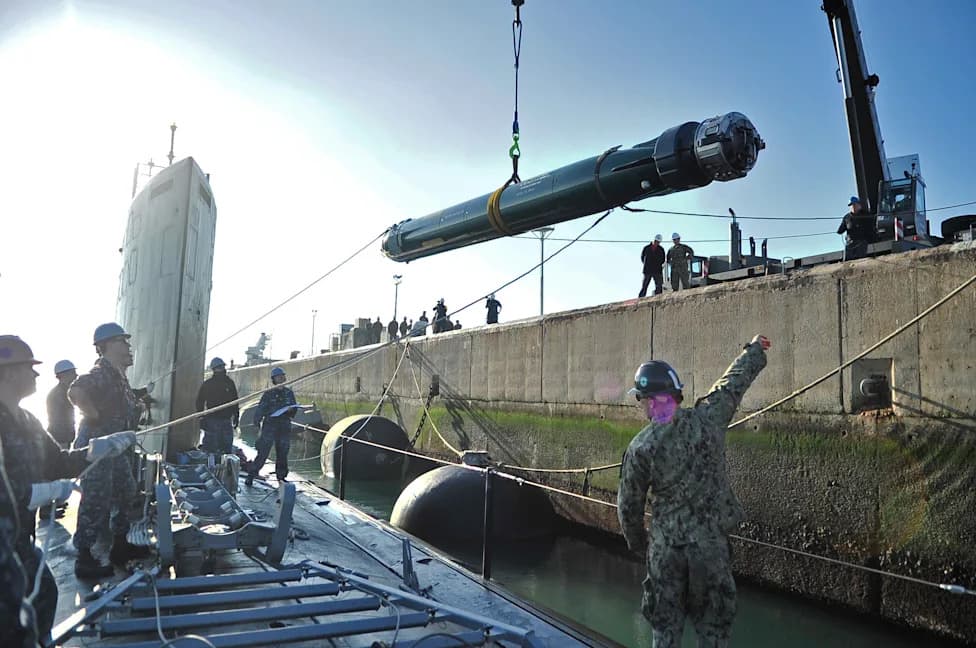
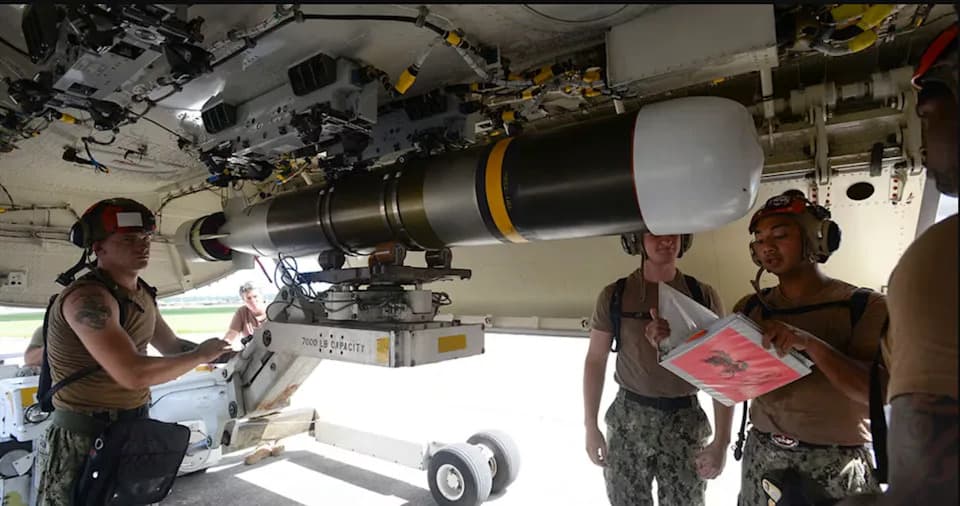
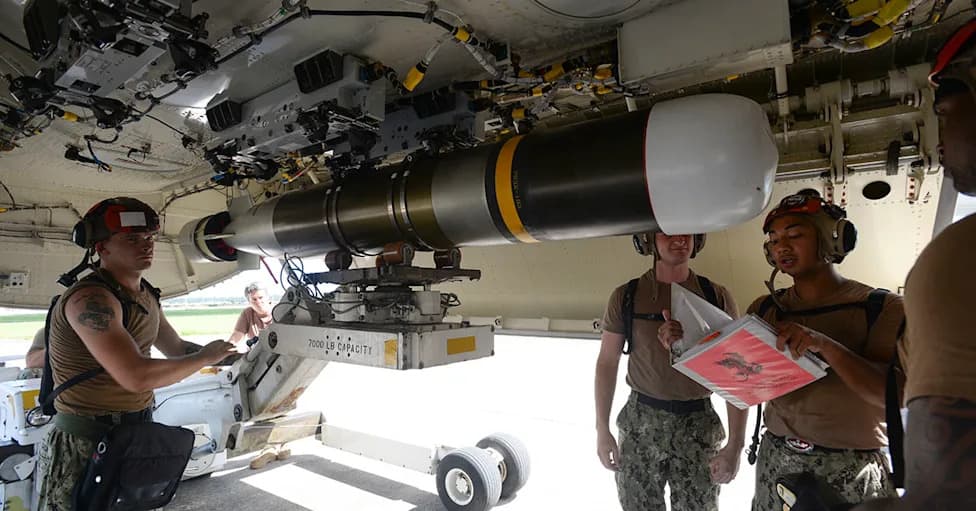
Sailors aboard the submarine USS California guide a Mk 48 inert training torpedo into place during an expeditionary ordnance loading exercise. (Mass Communication Specialist 1st Class Michael C. Barton/U.S. Navy)
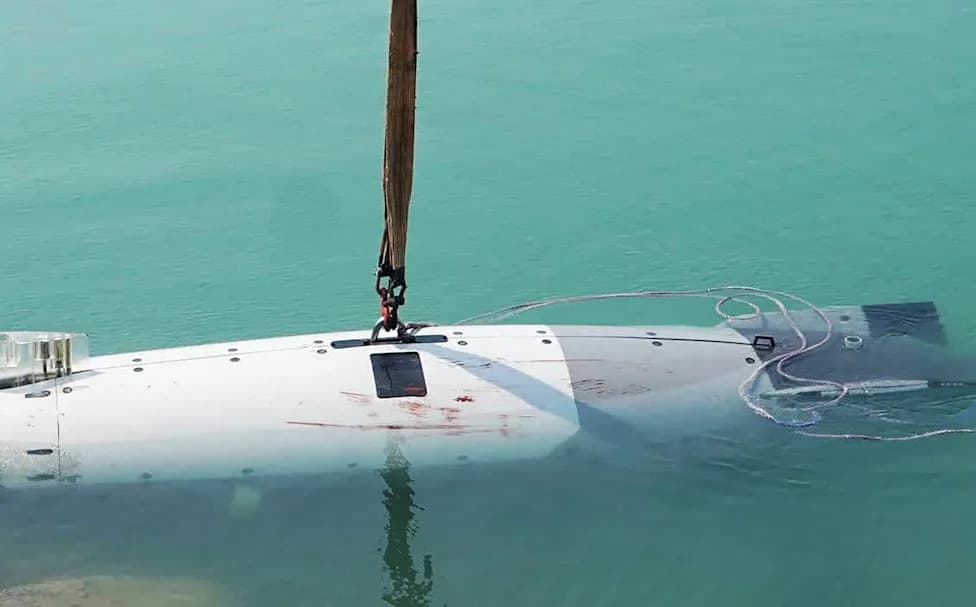
The Royal Navy successfully launched a U.S. Navy Mk 48 MOD 7 heavyweight torpedo from its Excalibur uncrewed underwater vehicle (UUV) on Sept. 13 at the British Underwater Test & Evaluation Centre in Scotland. The test marks a major milestone for allied undersea interoperability under AUKUS Pillar 2, the trilateral U.S.-U.K.-Australia initiative formalized in May 2026.
The firing validated the mechanical, electrical and software integration of a U.S. kinetic payload onto an allied autonomous vessel, demonstrating that partner navies can rapidly achieve weapon interchangeability on UUV platforms. While the event is a proof of concept, officials say it paves the way for broader cross‑platform employment of weapons and sensors.
Adm. Daryl Caudle, Chief of Naval Operations: "Proving that we can seamlessly launch a U.S. heavyweight torpedo from a Royal Navy autonomous underwater vehicle validates our shared vision for true interchangeability. By integrating weapons, payloads and mission architectures across allied platforms, we increase the flexibility, scale and combat power of our combined forces and ensure they are ready to meet the strategic demands of tomorrow."
Technical Details
The torpedo used in the trial was the Mk 48 MOD 7, the latest heavyweight variant developed through a joint program that included the Royal Australian Navy and optimized for both traditional and emerging missions. The Mk 48 is about 19 feet (approximately 5.8 meters) long with a 21-inch diameter.
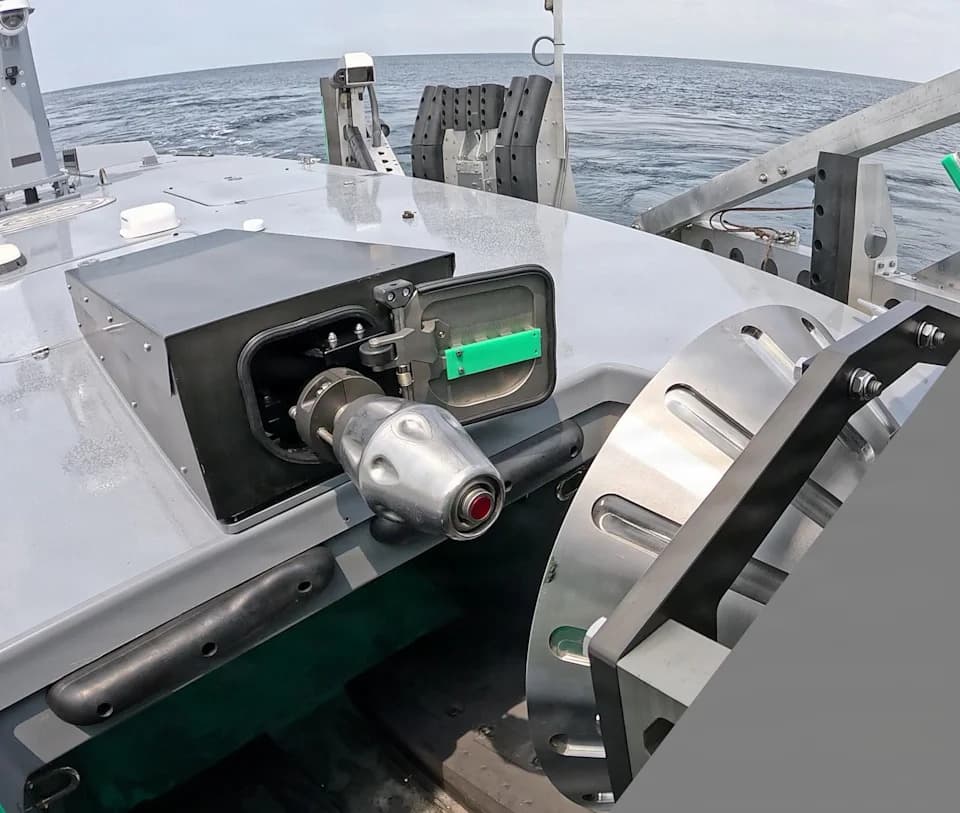
The Excalibur UUV—unveiled by the Royal Navy in May 2025 and roughly 40 feet long—does not have conventional torpedo tubes. Instead it features a large central payload bay with doors on the top and bottom. Video of the test indicates the Mk 48 was mounted beneath the Excalibur and launched from a hull-mounted cradle because the torpedo is longer than the standard internal payload bay.
What Comes Next
Officials emphasize this trial is the initial step under AUKUS Pillar 2. The U.S. and Royal Navy plan follow-on work under Project CUTLASS, which will employ the Anduril Dive‑XL platform to advance payload integration data, command‑and‑control architectures, and tactical employment scenarios. These follow-on efforts aim to mature uncrewed undersea capabilities and broaden cross-platform interoperability across allied fleets.
In short, the successful launch demonstrates that allied forces can mechanically, electrically and digitally integrate a U.S. kinetic payload onto a partner autonomous vessel—an important proof point for future cooperative development and deployment of uncrewed undersea systems.
Help us improve.