Florida has reported a fourth death from Vibrio vulnificus amid 20 confirmed infections this year, with the latest victim a Broward County resident aged about 75–79. The bacteria live in warm coastal waters and commonly infect people who eat raw oysters or expose open wounds to brackish water. Symptoms range from flu-like illness to severe tissue loss in rare cases. Experts advise avoiding raw shellfish if you have underlying health issues and choosing vendors who follow proper handling practices.
Fourth Florida Death Linked to Vibrio vulnificus Infection Tied to Raw Oysters
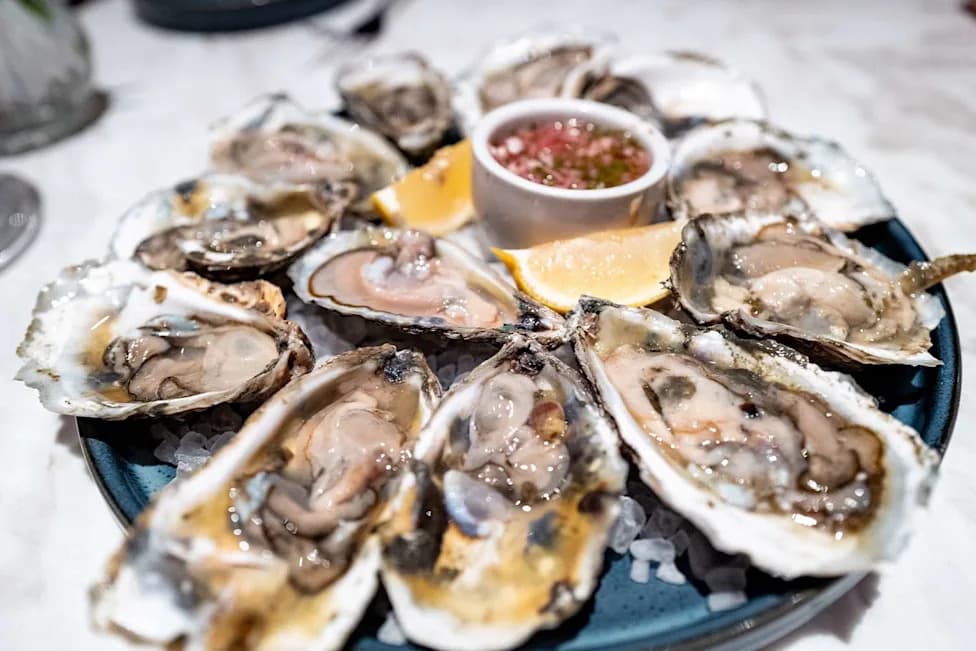
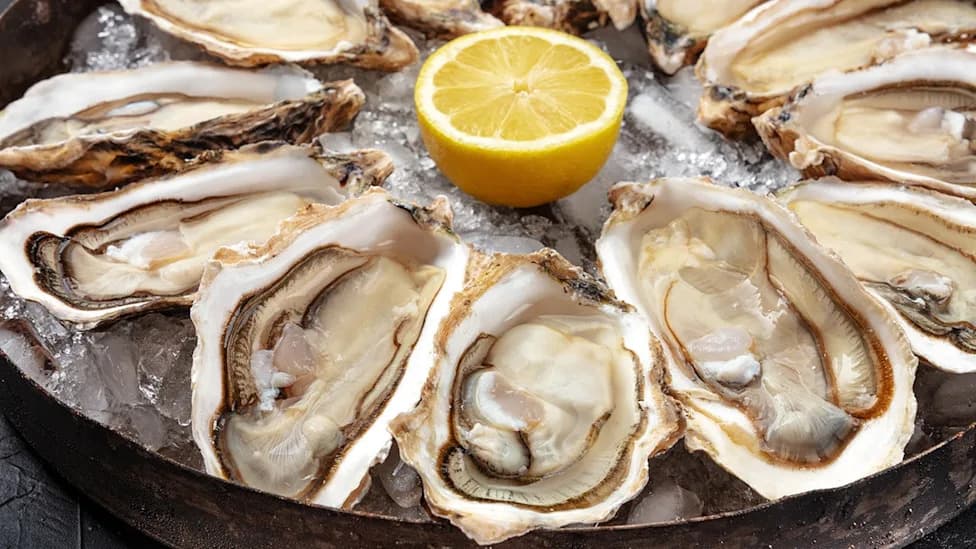
Stock image of raw oysters on a plateCredit: Smith Collection/Gado/Getty
Florida has recorded a fourth death this year from an infection caused by Vibrio vulnificus, a bacterium commonly associated with raw shellfish such as oysters. State health data show 20 confirmed Vibrio vulnificus infections in Florida so far this year, and the most recent fatality involved a Broward County resident aged about 75–79. Earlier deaths were reported in Bay, Palm Beach and Marion counties.
What Is Vibrio vulnificus?
Vibrio vulnificus is a naturally occurring bacteria found in warm coastal and brackish waters. According to the Centers for Disease Control and Prevention (CDC), most people become infected after consuming raw or undercooked shellfish—particularly oysters—because the bacteria can concentrate inside the animals. The organism can also enter through open skin wounds, including cuts sustained while swimming or following a recent tattoo or piercing.
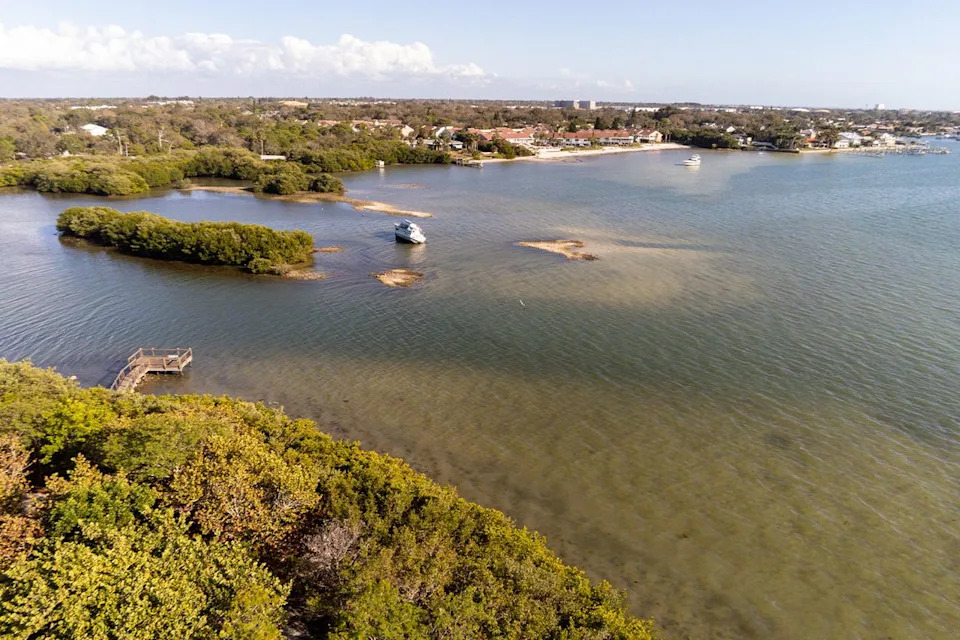
Stock image of brackish water in the Florida gulfCredit: Getty
Symptoms And Severity
Initial symptoms often resemble the flu and can include fever, vomiting, stomach cramps and diarrhea. In severe cases, the bacteria can rapidly destroy tissue at the site of entry, which is why media reports sometimes refer to Vibrio vulnificus as a "flesh-eating" bacterium. People with chronic liver disease, diabetes, weakened immune systems, or other serious underlying conditions are at higher risk of severe illness or death.
Recent Florida Cases And Links To Oysters
Florida health officials have linked many of the state’s cases to the consumption of contaminated oysters, according to local reports. Warmer coastal waters tend to have higher concentrations of Vibrio bacteria, contributing to more infections in the summer months.
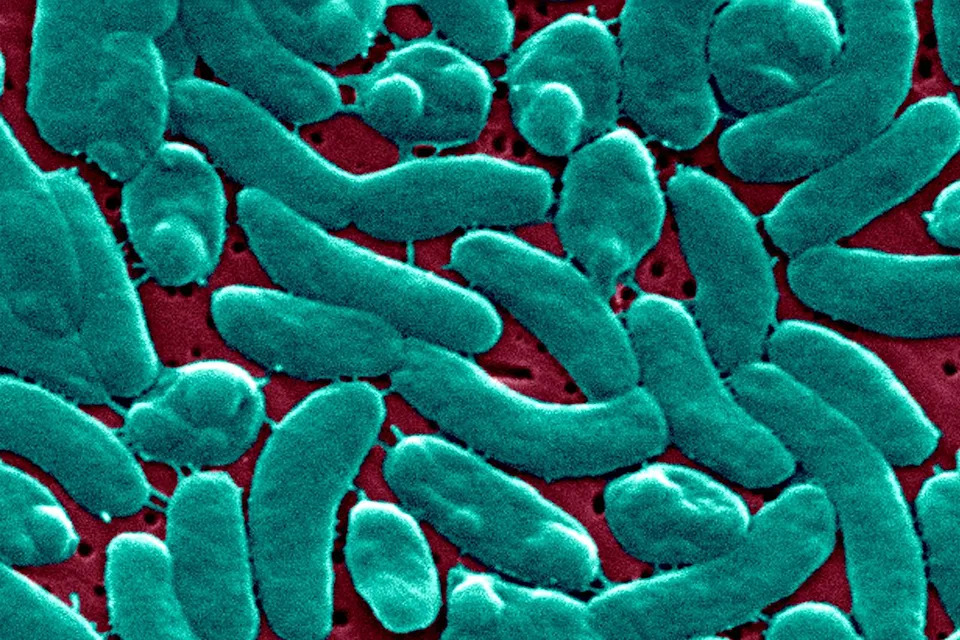
Vibrio Vulnificus under a microscopeCredit: BSIP/UIG Via Getty
How To Reduce Your Risk
Experts offer several practical precautions:
- Avoid raw shellfish if you have underlying health conditions that increase your risk for severe infection.
- Eat raw oysters only in cooler months—traditionally those containing the letter "R"—when water temperatures are lower and bacterial levels are typically reduced.
- Be careful with open wounds: avoid exposing cuts, recent tattoos or piercings to seawater or brackish water.
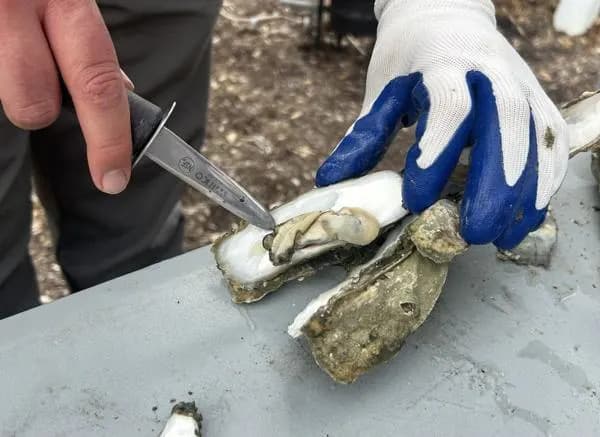
- Choose reputable vendors: buy oysters from establishments that prioritize proper handling, storage and turnover. An oyster that is not alive and healthy can allow bacteria to multiply, and you cannot reliably tell a harmful oyster by sight or smell.
"Warmer waters mean that there are more pathogens in the water, and we have seen upticks in [Vibrio] illnesses in the summer for decades," said Dr. Keith Schneider, a food safety professor at the University of Florida’s Institute of Food and Agricultural Sciences.
If you develop severe symptoms after eating shellfish or after an exposure to coastal waters, seek medical attention immediately. Early treatment can be lifesaving, especially for people at higher risk.
Sources: Florida Department of Health, Centers for Disease Control and Prevention, local reporting.
Help us improve.