Florida has recorded a fourth death from Vibrio vulnificus, bringing the state's 2026 total to 21 reported cases. The latest fatality was a Broward County resident aged 75–79; investigators have not confirmed the route of infection. Officials say storm‑related standing water after hurricanes may be driving recent increases, and bloodstream infections are fatal about 50% of the time. People with certain medical conditions face a dramatically higher risk of severe disease.
Fourth Florida Resident Dies After Contracting Flesh‑Eating Vibrio Bacterium Linked to Raw Oysters

Oysters linked to death in two states
Florida health officials confirmed a fourth death in the state tied to the flesh‑eating bacterium Vibrio vulnificus, a pathogen commonly associated with raw or undercooked oysters. The Florida Department of Health updated its fatality count on Thursday to include the latest death.
Details of the Case
State officials said the deceased was a Broward County resident between the ages of 75 and 79, according to reporting from WSFA. Authorities have not publicly confirmed the exact route of exposure for the individual.

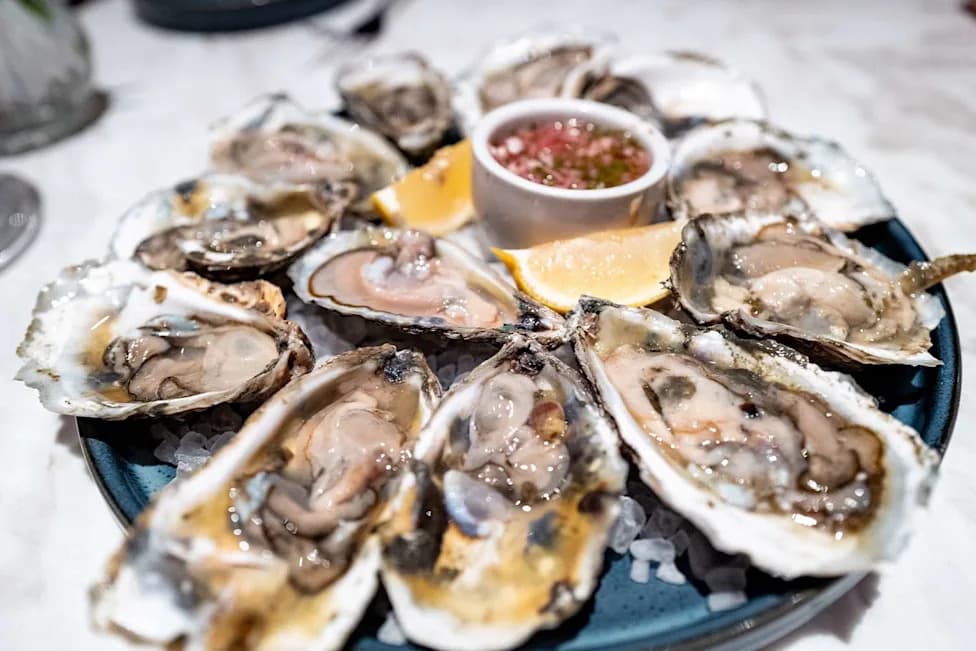
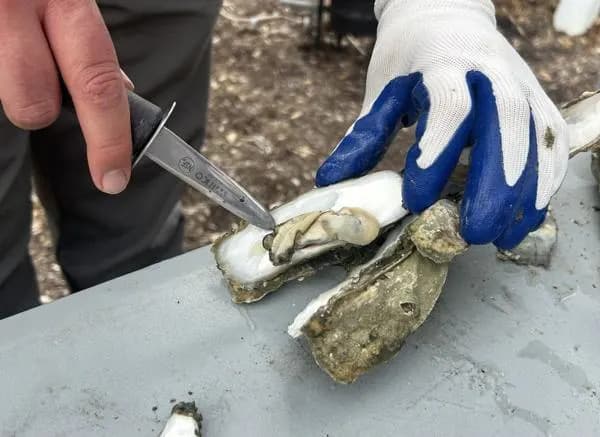
FILE — Florida health officials warned that eating raw or undercooked oysters can lead to infection with Vibrio vulnificus, a flesh-eating bacterium.
Statewide Trends and Context
Florida's health department reports 21 cases of Vibrio vulnificus so far in 2026. Previous Florida fatalities this year have involved residents of Bay, Palm Beach and Marion counties. Officials note that some recent spikes in cases have been linked to effects from hurricanes Helene and Ian, because storm damage and standing floodwater can increase opportunities for exposure.
What Is Vibrio vulnificus?
Vibrio vulnificus is a naturally occurring bacterium in warm, brackish seawater. People can become infected either by eating contaminated shellfish—especially raw or undercooked oysters—or when open wounds are exposed to contaminated seawater or floodwater.
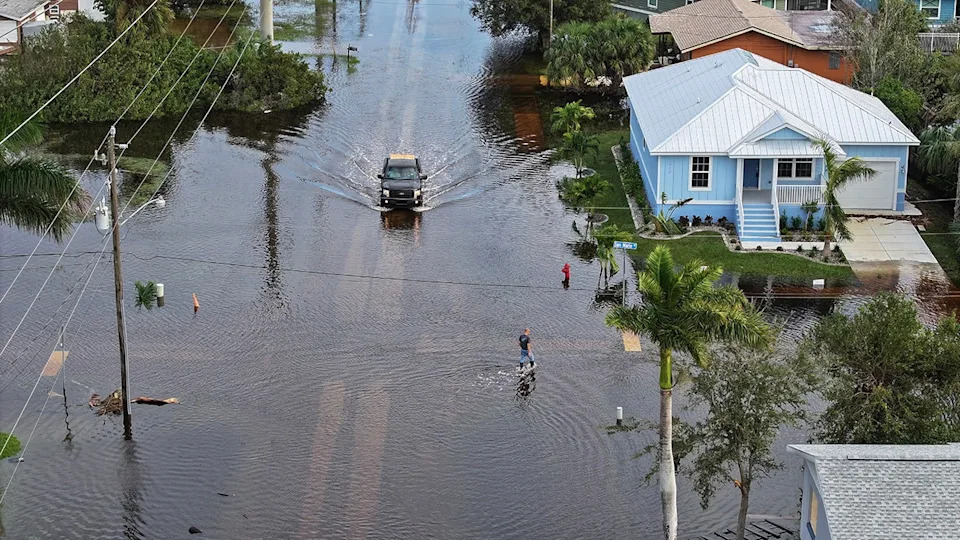
FILE — In this aerial view, a person walks through floodwaters that inundated a neighborhood after Hurricane Milton came ashore on Oct. 10, 2024, in Punta Gorda, Florida. Flooding and standing water can increase the risk of exposure to Vibrio vulnificus, health officials said.
Who Is at Greatest Risk?
While healthy individuals often experience mild illness, bloodstream infections are severe and about 50% fatal, according to health officials. The state also cited a recent study indicating people with pre‑existing medical conditions are roughly 80 times more likely to develop Vibrio vulnificus bloodstream infections than healthy people—underscoring the danger to vulnerable populations.
Symptoms and Possible Outcomes
Severe infections can cause fever, chills, low blood pressure (septic shock) and rapidly developing blistering skin lesions. Wound infections sometimes progress to deep tissue damage and, in the worst cases, may require amputation. Anyone with an open wound should avoid seawater and seek prompt medical care for signs of infection.
Regional Counts and Public Health Advice
Along the Gulf Coast this year, Louisiana reported 15 cases and six deaths as of Sept. 9, with 14 of the Louisiana cases linked to wound or seawater exposure. Texas typically averages about 33 Vibrio cases per year, and Mississippi reported three cases as of August.
Public health guidance remains consistent: avoid eating raw or undercooked shellfish, keep cuts and open wounds away from seawater and standing floodwater—especially after storms—and seek immediate medical attention for symptoms suggestive of serious infection.
Help us improve.