U.S. and Mexican officials warn that Latin American drug cartels are rapidly adopting battlefield-grade drone tactics—including improvised explosives and radio‑frequency hopping—drawn from the Russia‑Ukraine war. Intelligence reviewed by The Washington Post suggests at least one cartel may operate a heavy multirotor drone; recruitment ties to Ukraine veterans are alleged but not verified. Independent tracking shows a surge in weaponized-drone incidents across Latin America, while U.S. forces and partners deploy high‑energy lasers and coordination efforts to limit skills transfer.
U.S. Warns Latin American Cartels Are Adopting Battlefield-Grade Drone Capabilities
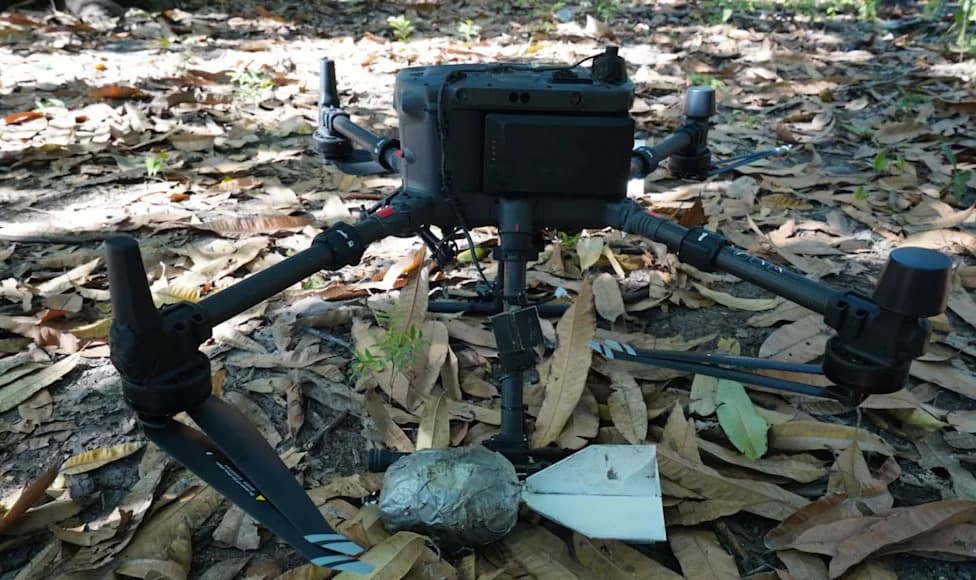
A commercial drone, pictured in 2024, was modified to drop explosives. (Juan José Estrada Serafín)
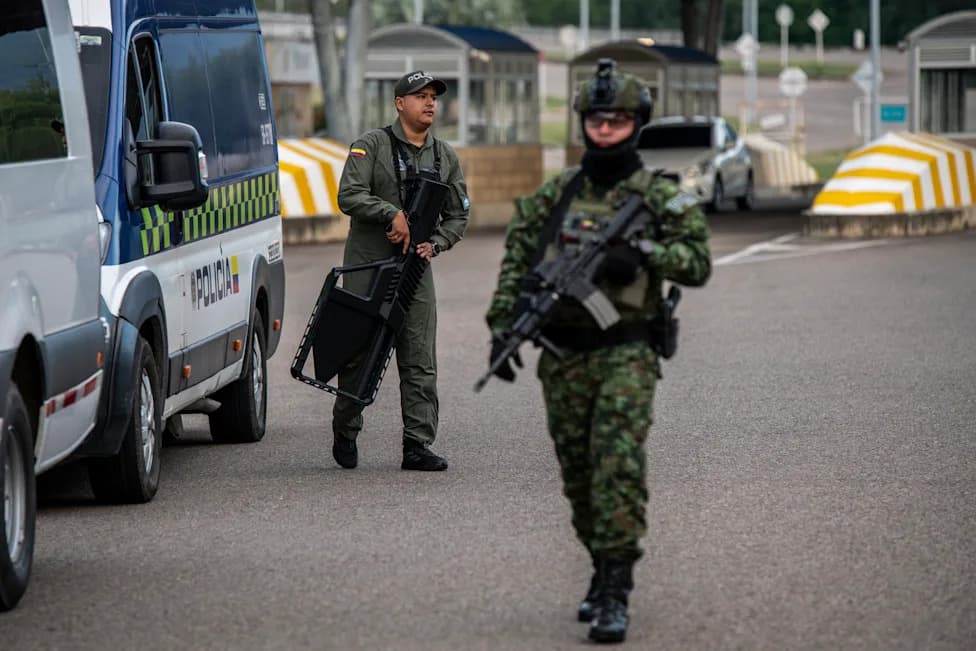
An internal U.S. government assessment warns that drug trafficking organizations across Latin America are rapidly upgrading their drone capabilities, adopting battlefield tactics seen in the Russia‑Ukraine war. Five U.S. officials and one Mexican official, speaking anonymously to The Washington Post, say the pace of change may be outstripping the ability of U.S. and Mexican counternarcotics agencies to respond.
Speed and Tactics Fuel Concern
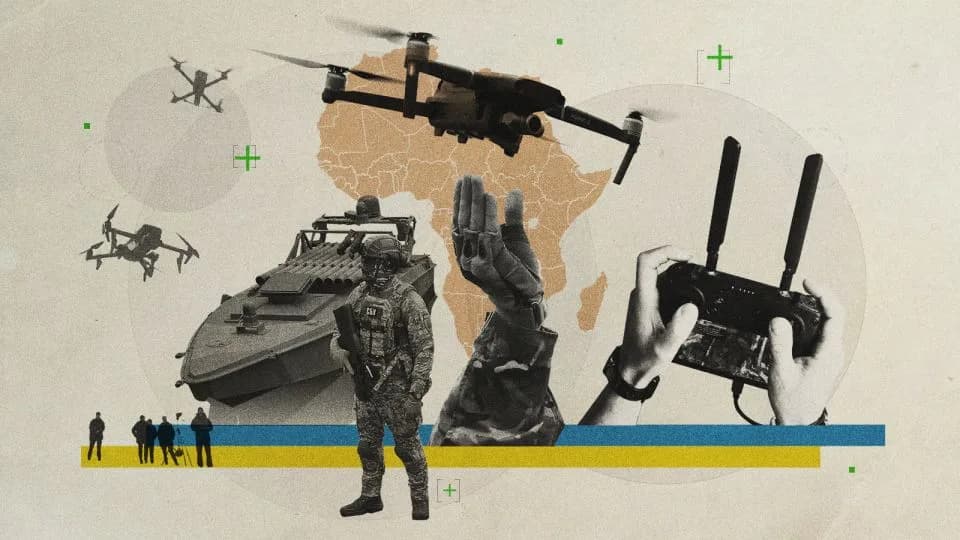
The assessment highlights how innovations refined on the Ukraine battlefield—such as improvised explosive payloads and radio‑frequency hopping (which makes jamming a drone's link to its operator more difficult)—are reportedly spreading into criminal networks faster than governments can adapt defenses. Officials say cartels have moved beyond simple reconnaissance and that a growing capability gap now exists between criminal groups and law enforcement.
Claims, Evidence, and Limits
Mexican authorities, in a report reviewed by The Washington Post, believe at least one cartel may operate a multirotor drone with six to eight propellers capable of hours-long endurance and carrying more than 150 pounds. That specific claim has not been independently verified. A Mexican intelligence official also told reporters that a cartel sent personnel to China to acquire drones that could be fitted with rifles.
Officials cautioned that some of the most alarming accounts remain based on anonymous sources. For example, the assessment describes alleged recruitment links between fighters who served in Ukraine and trafficking networks, and allegations that families of recruits were threatened to ensure their return. Those particular claims have not been publicly corroborated.
"What's the next major problem we're going to have? Drones are it," one anonymous U.S. counternarcotics official told The Washington Post.
Independent Data Shows A Regional Surge
Independent tracking by the Armed Conflict Location & Event Data Project (ACLED) documents a sharp acceleration in weaponized-drone events across the region: 38 events in Colombia in 2024, 149 in 2025, and more than 200 by early September 2026. Across Latin America, roughly 72% of about 670 total weaponized-drone events tracked since 2018 occurred after January 1, 2025. Those figures indicate a regional surge but do not, on their own, prove that returning Ukraine veterans caused it.
Responses And Remaining Questions
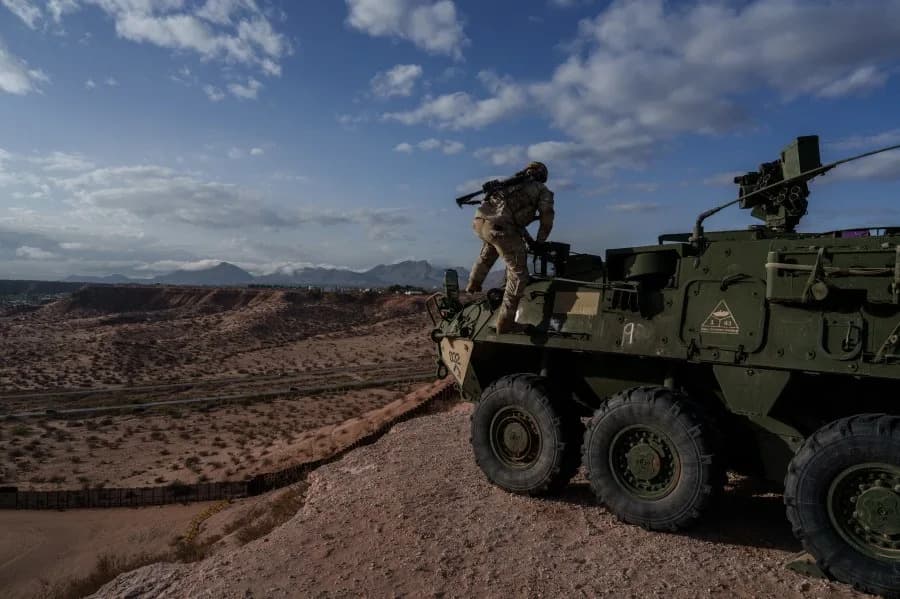
The State Department says it is coordinating with U.S. law enforcement and Ukrainian counterparts to limit transfers of battlefield drone skills. U.S. military officials reported deploying high‑energy laser systems and credited them with downing 11 cartel‑linked drones between August 24 and September 4; reporting did not provide locations, detailed engagement circumstances, or independent verification procedures for those interceptions.
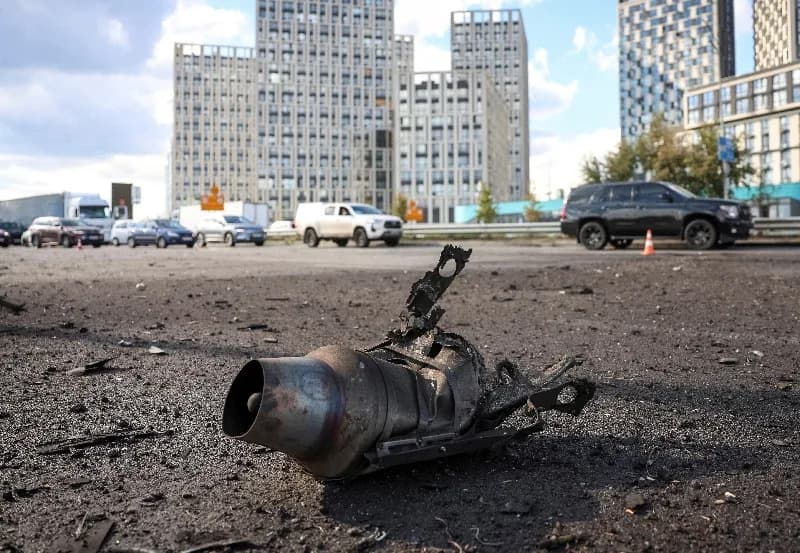
Gen. Glen VanHerck warned that the most immediate threat may be inside Mexican territory, where explosive-laden drones could target Mexican security forces and rival criminal groups. Cartels can rapidly change routes, payloads and operating frequencies, while authorization for counter‑drone jamming and interagency coordination typically take far longer to organize.
What To Watch
Key uncertainties remain: which cartels possess long‑endurance heavy‑lift drones, the true scale of any recruitment pipeline involving Ukraine veterans, and the effectiveness and verifiability of reported countermeasures. Policymakers will be watching independent incident data, intelligence reporting, and coalition efforts to curb illicit transfers of drone skills and technology.
Help us improve.