Britain’s rapid shift to renewable power has cut emissions and created jobs, but it has also deepened reliance on Chinese-made clean-energy equipment. Cleve Hill — a 370 MW solar farm with about 550,000 panels manufactured in China — exemplifies that trade-off. Analysts warn of cyber and geopolitical risks from concentrated supply chains; policymakers must balance cheap, fast decarbonisation with measures to bolster industrial resilience and security.
Cleve Hill and the Net‑Zero Trade‑Off: Britain’s Green Push and China’s Clean‑Energy Dominance
Illustration
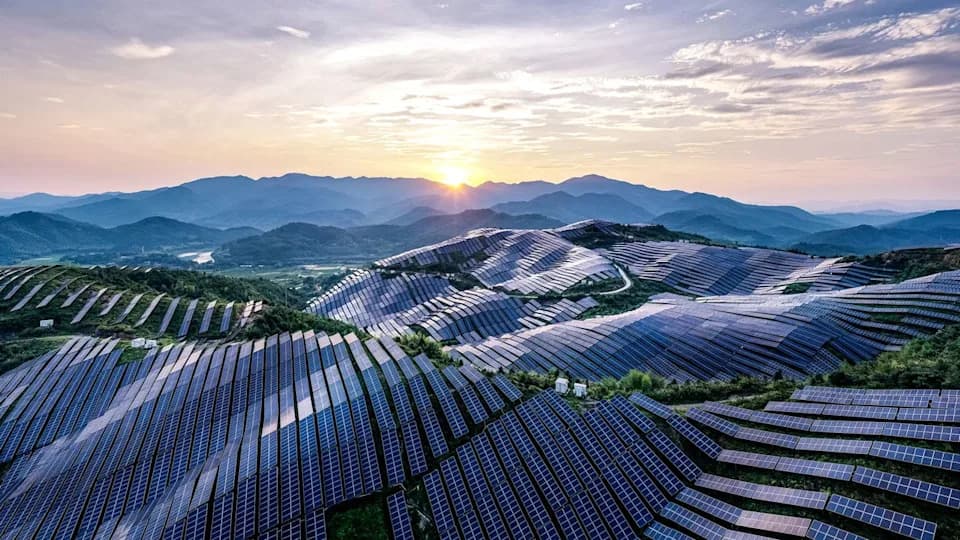
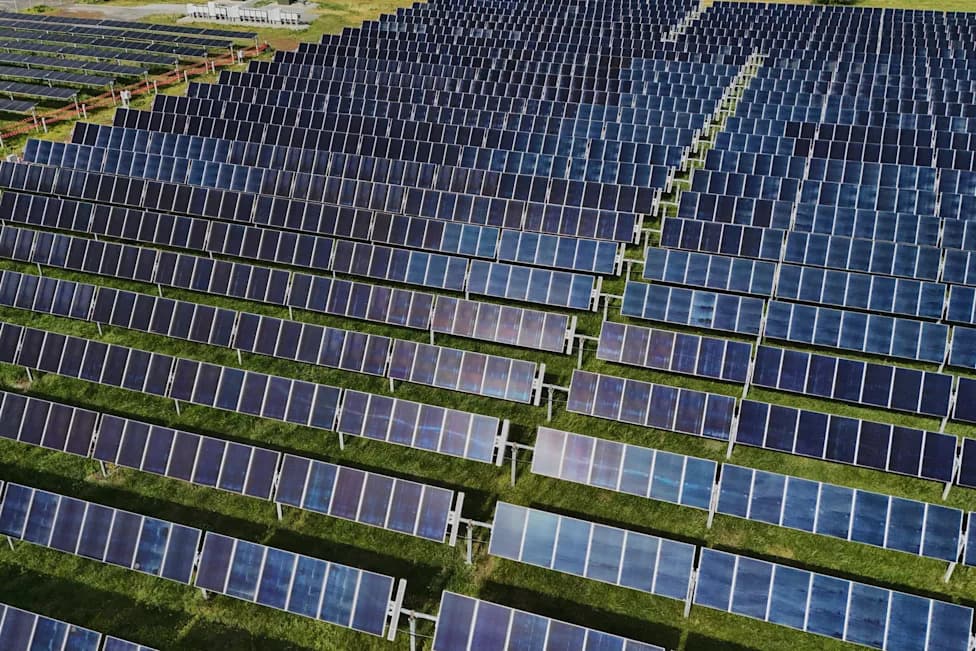
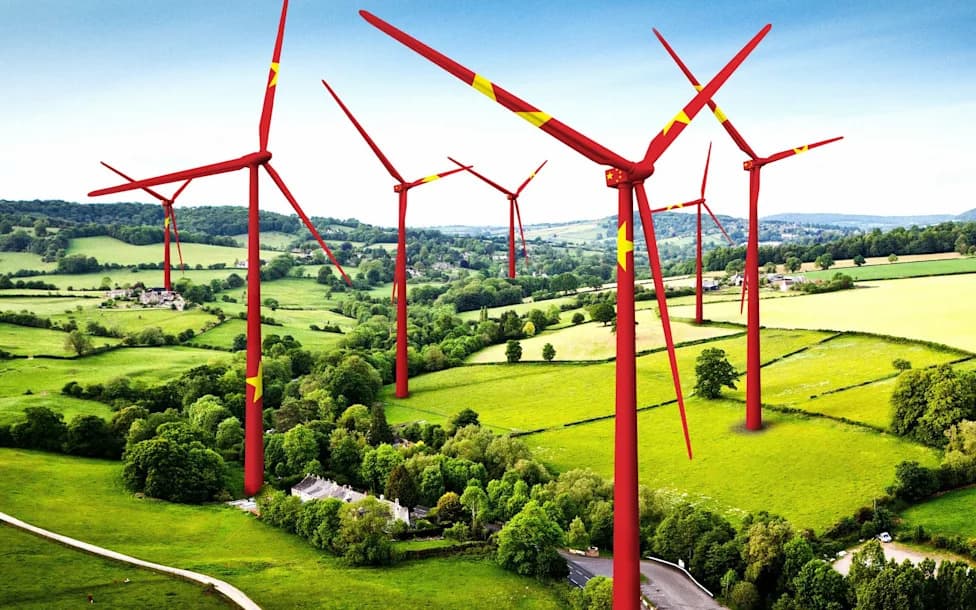
Walkers on the Saxon Shore Way cannot miss the vast spread of panels at the Cleve Hill solar farm on the north Kent coast near Faversham. The 370 MW installation — covering an area roughly equivalent to 500 football pitches and made up of about 550,000 panels — can generate enough electricity on bright days for around 100,000 homes. Developed by Quinbrook, the project highlights both the rapid growth of Britain’s renewable capacity and a strategic vulnerability: much of the equipment comes from China.
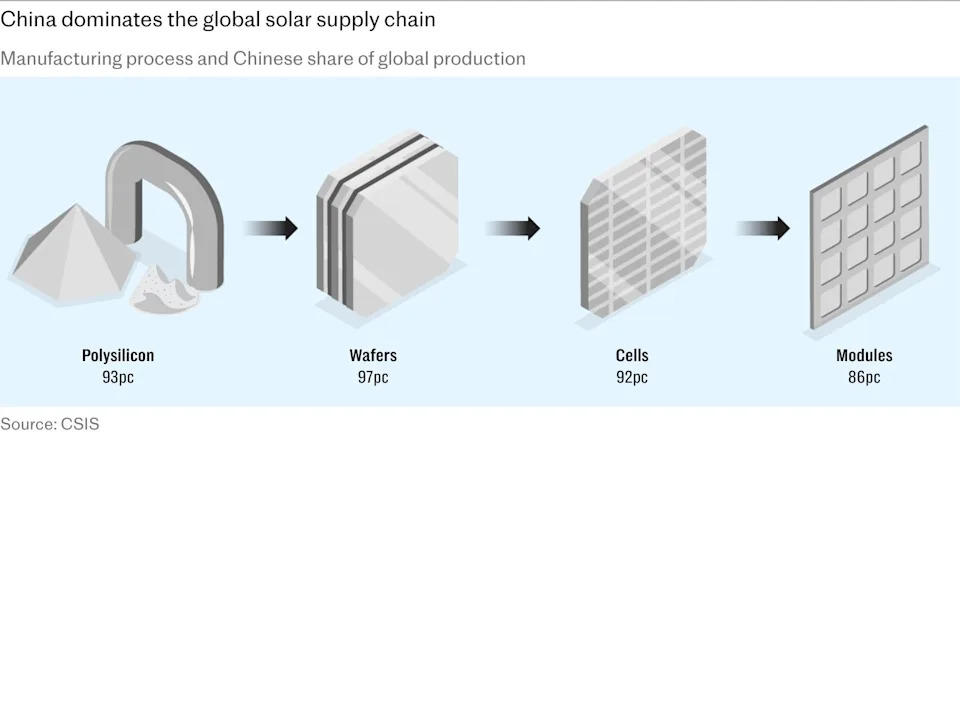
1909 China dominates the global solar supply chain
The Cleve Hill Example
Planning documents and project photographs show Cleve Hill’s panels were manufactured by Trina Solar in China, and that major components such as batteries and inverters came from companies including CATL and Huawei. That pattern — British projects relying on Chinese-made panels, batteries, inverters and other kit — is now common across the UK and Europe.
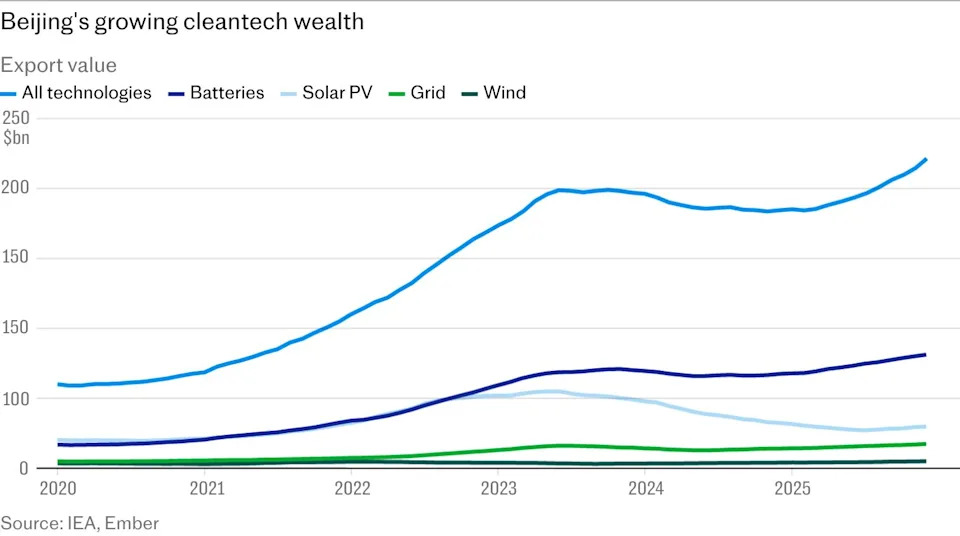
How China Came To Dominate Supply Chains
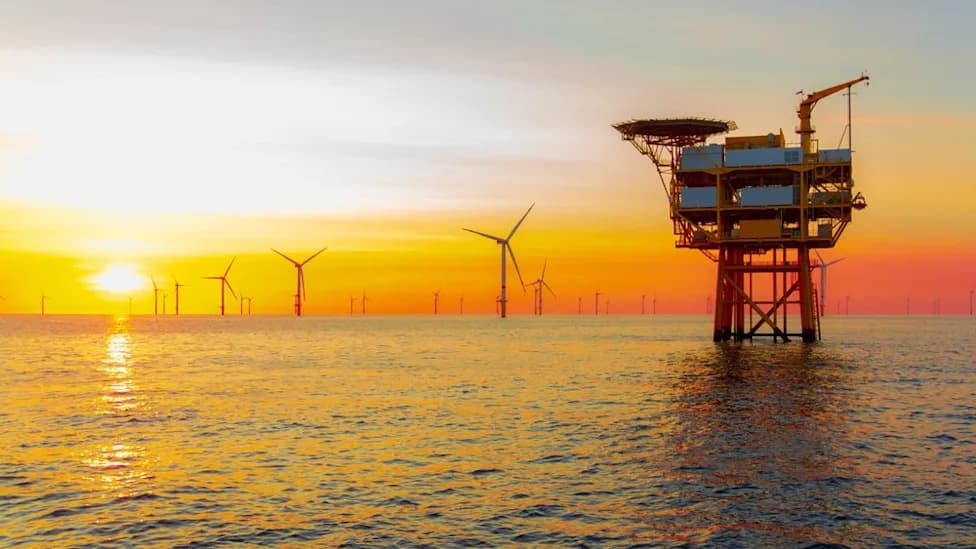
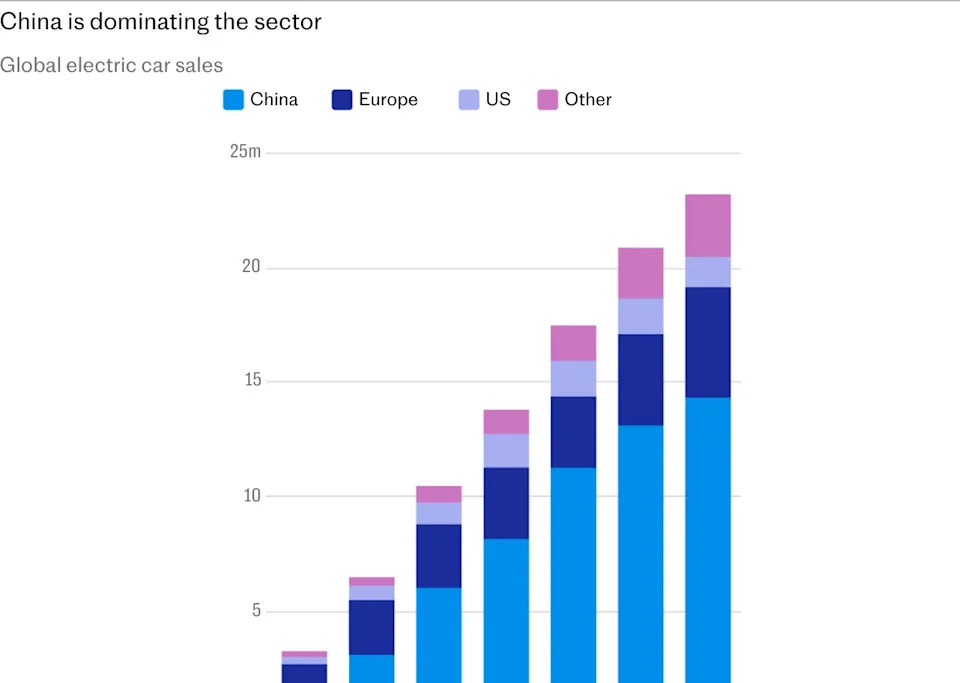
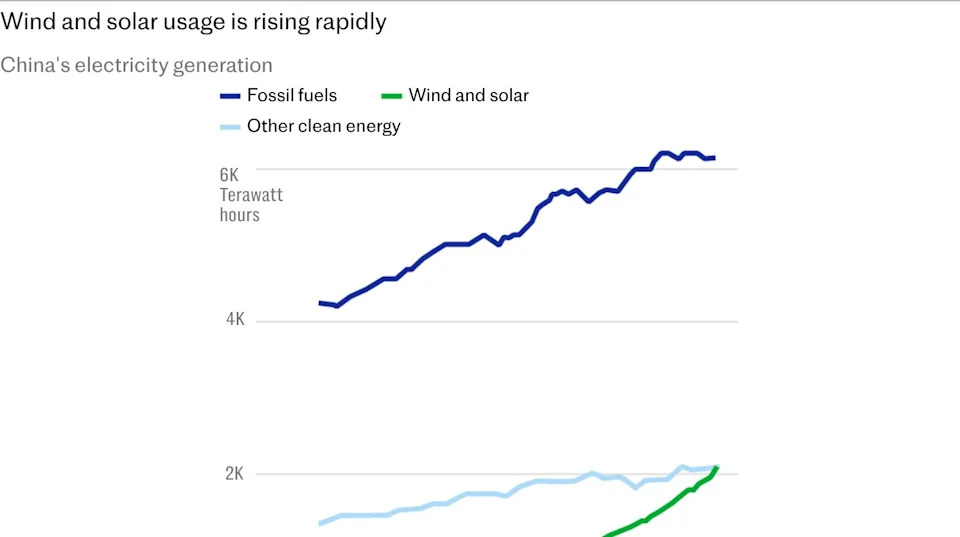
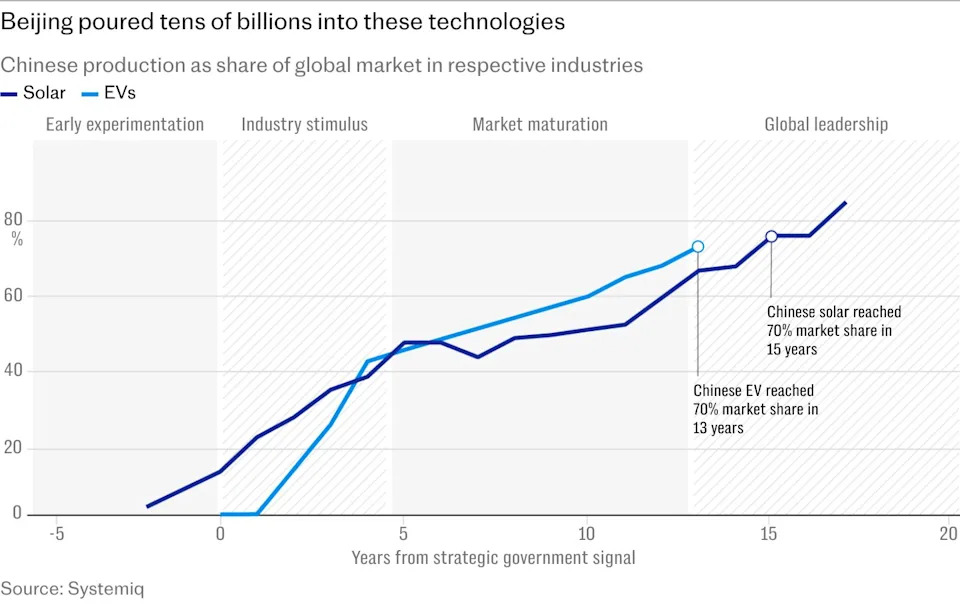
China’s clean‑energy ascendance is the product of deliberate industrial policy, scale and timing. State support, low-cost manufacturing and vast domestic demand created an export machine: China builds hundreds of gigawatts of renewables each year and accounts for an outsized share of the solar and battery value chains. Independent analysts put China’s share of many solar value‑chain segments at very high levels (for example, polysilicon, wafers, cells and panels), and it builds more than 400 GW of renewable capacity a year compared with the UK’s target of up to 126 GW of wind and solar by 2030.
Economic Gains—and Costs
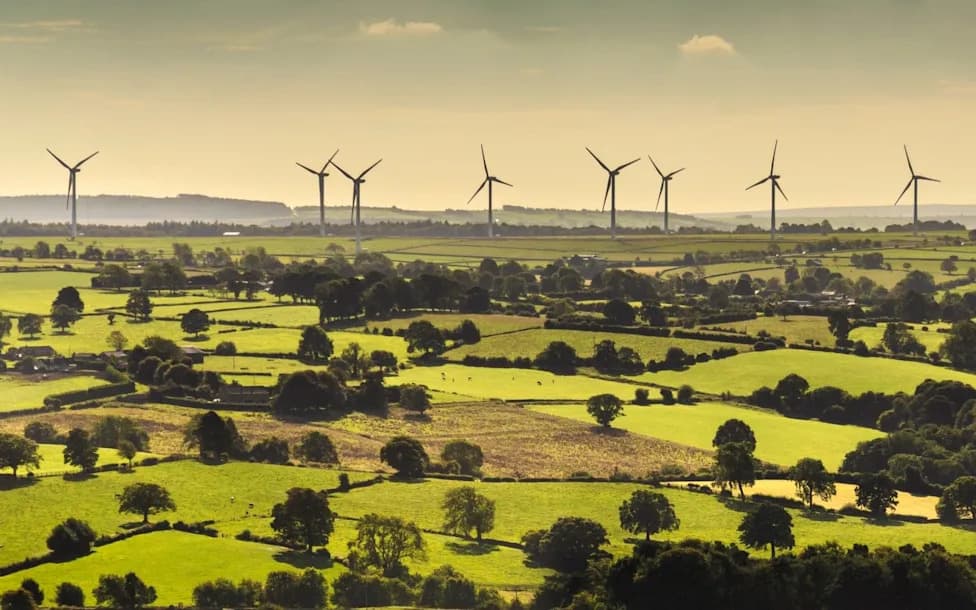
The UK’s shift to low‑carbon power has cut emissions (around a 50% decline since 1990) and supported jobs. But it has coincided with a substantial decline in domestic manufacturing. Much of the capital spending on UK projects flows to foreign suppliers, and European manufacturers — from panels to turbines and EV makers — have struggled to compete with low‑cost Chinese producers.
Security And Geopolitical Risks
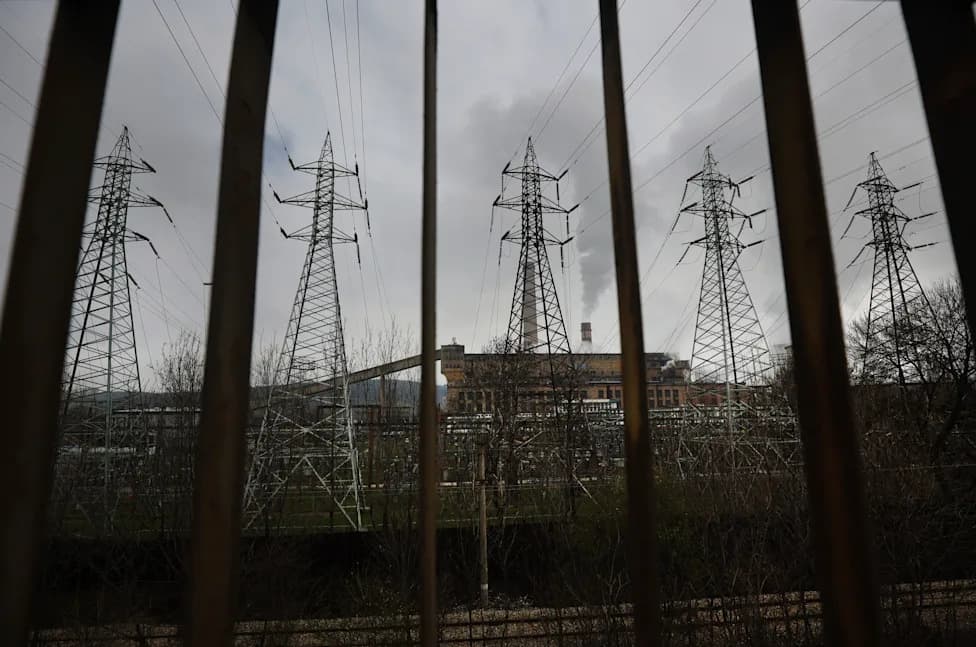
Critics warn of two categories of risk. First, technical and cyber vulnerabilities: reports have circulated about concealed functions in some imported equipment (for example, alleged remote shut‑off capabilities in certain inverters), raising questions about firmware, supply‑chain transparency and resilience. Second, geopolitical leverage: when crucial components, minerals and production capacity sit mainly in one country, diplomatic disagreements or trade restrictions can create exposure for buyers.
Policy Choices And Trade‑Offs
Governments face a clear trade‑off: using cheaper, readily available Chinese kit to speed decarbonisation and keep consumer bills lower, or investing in domestic and allied production to secure supply chains at higher short‑term cost. Options include tighter procurement standards, security vetting and targeted subsidies to rebuild regional manufacturing. Some countries have imposed tariffs or limits on specific imports; others prefer rigorous cyber and corporate governance safeguards while continuing to import.
What Comes Next
Cleve Hill captures the dilemma in microcosm: it delivers clean power and local benefits while embedding Chinese technology deep into the UK grid. Policymakers must weigh immediate climate and cost goals against longer‑term resilience and sovereignty. A coherent strategy that combines vigilance, selective industrial policy and improved security checks would reduce risks while keeping the net‑zero transition on track.
Bottom Line: The green transition is both an opportunity and a strategic challenge. Faster decarbonisation need not mean strategic dependence — but it will require deliberate policy choices to diversify supply chains and harden critical infrastructure.
Help us improve.