The WMO warns that the global water cycle is becoming more volatile, with a decade-long decline in freshwater storage driven by shrinking glaciers and falling groundwater. In 2025 glaciers contracted across all regions and river flows were abnormally low or high in many basins. A very strong El Niño is expected to worsen droughts in some places and floods in others, while gaps in monitoring data hinder preparedness.
UN: Earth's Water Cycle Growing More Unpredictable — Glaciers And Groundwater Shrinking As Strong El Niño Looms
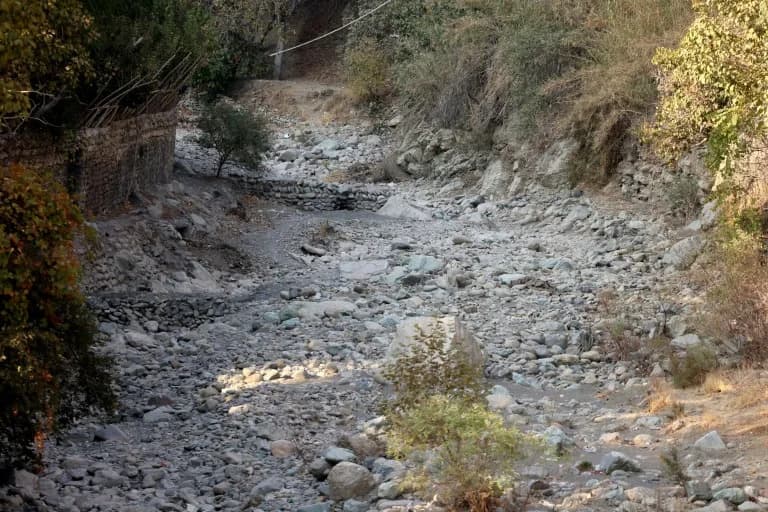
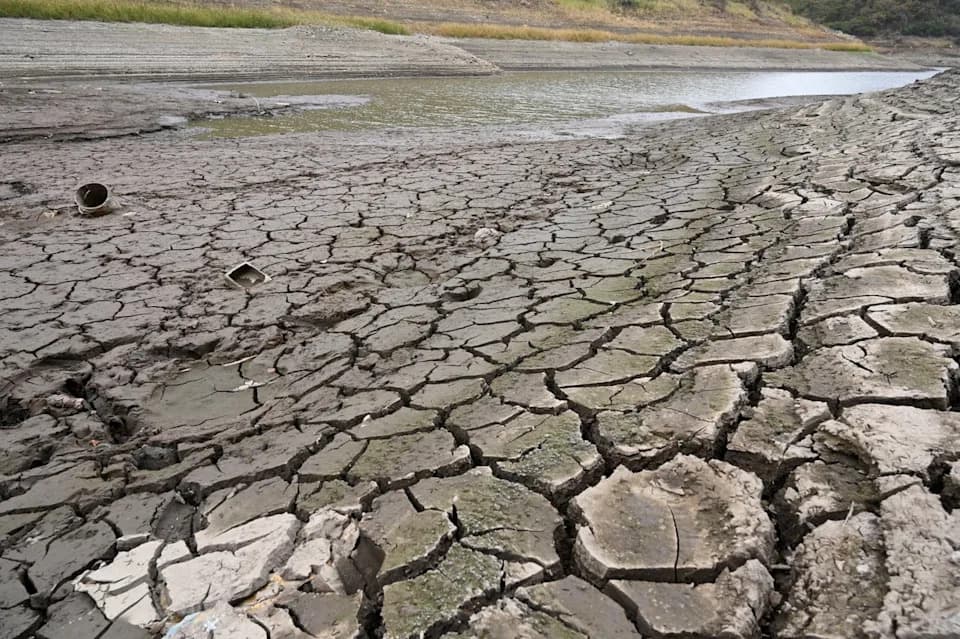
Last year was among the driest for the world's rivers in over three decades, the UN's World Meteorological Organization said (ATTA KENARE)
The United Nations' World Meteorological Organization (WMO) warns that the planet's water cycle is becoming increasingly erratic, oscillating between extremes of drought and flooding. The agency says a historically strong El Niño is likely to amplify an already worrying long-term decline in global freshwater storage.
WMO Report Highlights
Last year ranked among the driest for rivers in more than three decades. The WMO's annual State of Global Water Resources assessment found that the Earth's freshwater storage — the combined water held in groundwater, lakes and rivers, soil moisture, vegetation, and ice and snow — has continued a decade-long decline.
Certain parts of the water cycle, such as precipitation, river flow and soil moisture, respond quickly to weather and can change within days or weeks. By contrast, "slow reserves" like groundwater and glaciers have traditionally acted as a global savings account, buffering societies against bad years.
Celeste Saulo, WMO Secretary‑General: 'Now, we are depleting that savings account. We are spending our reserves.' She warned that the loss of these slow reserves reduces the planet's ability to absorb droughts and other shocks.
Glaciers and Groundwater
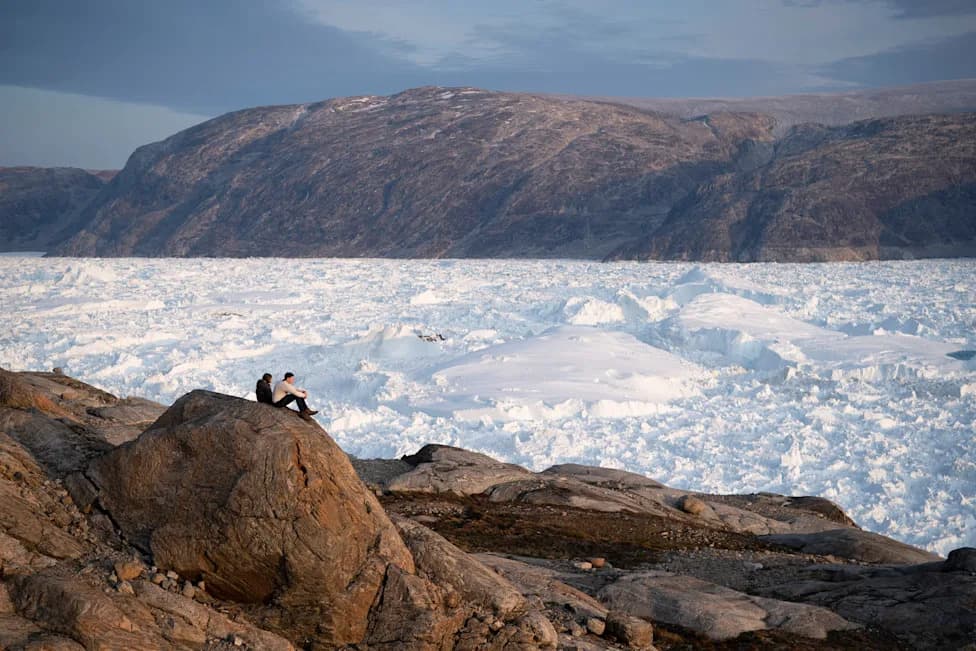
Glaciers shrank across all regions in 2025, marking the fourth consecutive year of significant ice loss worldwide. The report estimates a cumulative glacier mass loss of about 1,400 gigatonnes of water between 2023 and 2025 — roughly the volume needed to fill 560 million Olympic-sized swimming pools and equivalent to nearly one-third of global annual freshwater withdrawals.
Groundwater conditions are likewise worrying: nearly two-thirds of monitored wells worldwide recorded conditions outside the historical norm in 2025, signaling widespread multi-year declines in many regions.
Rivers and Flood Risks
Rivers showed unusually low or high flows in many basins. In 2025 about 36 percent of river basins saw normal flows, roughly the same share experienced below-normal discharge, and 21 percent recorded above-normal flows. For the seventh year running, basins with "normal" conditions were in the minority.
El Niño And Near-Term Outlook
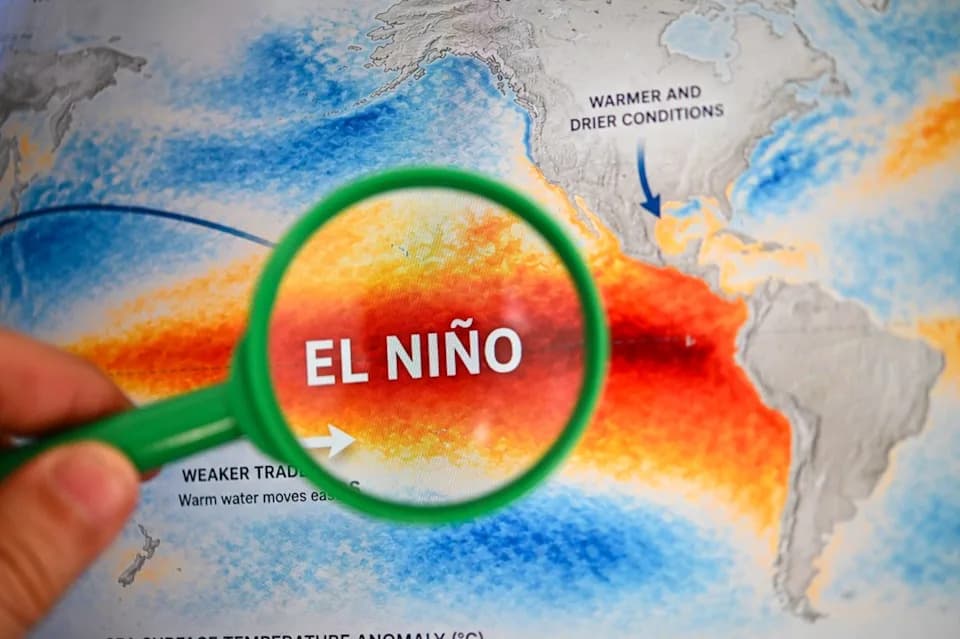
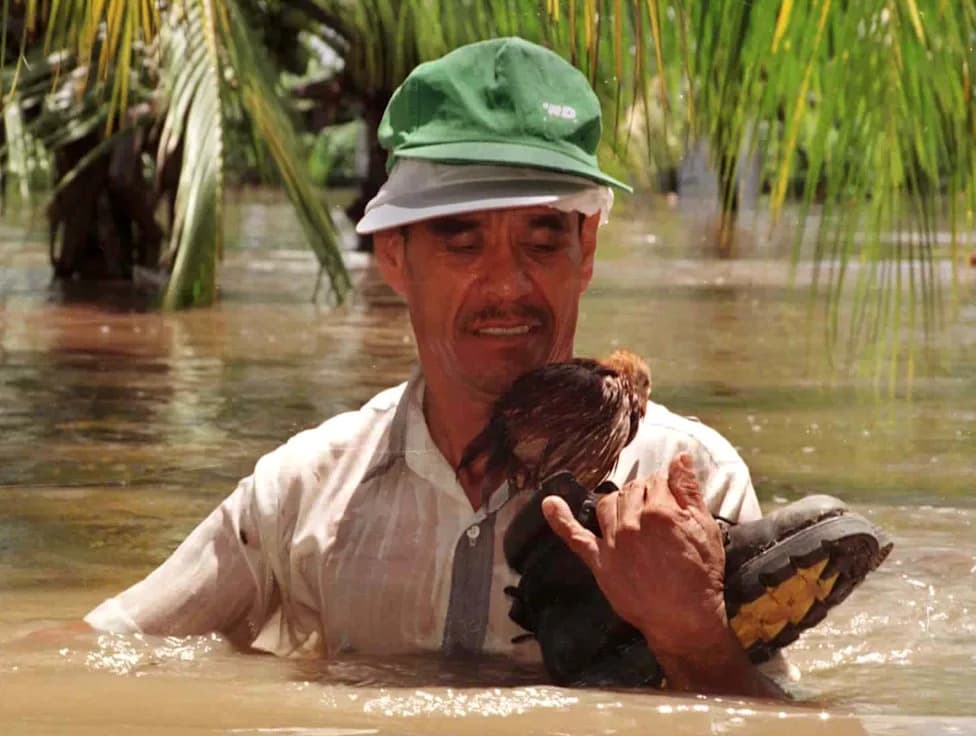
The current El Niño is expected to be the strongest in roughly four decades of comparable records. El Niño is the warm phase of a natural climate cycle that recurs every two to seven years and alters ocean temperatures, winds and rainfall patterns globally. The WMO cautions that the strengthening El Niño will raise drought risk in some regions while increasing flood risk in others.
Data Gaps And Transboundary Risks
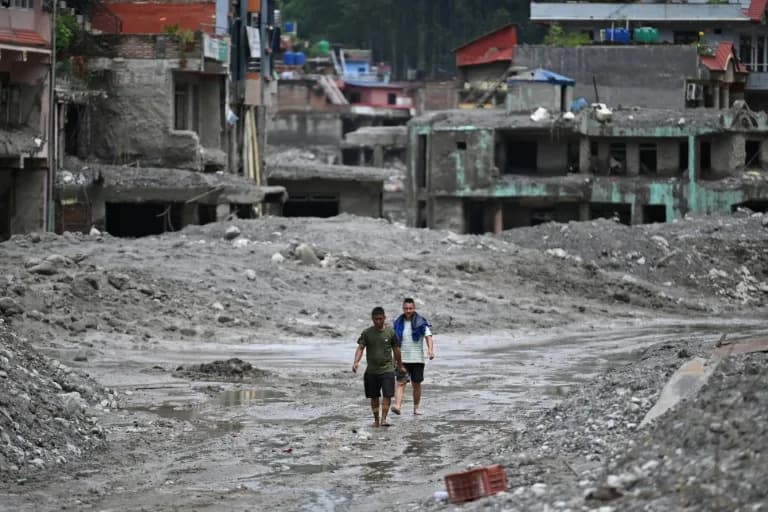
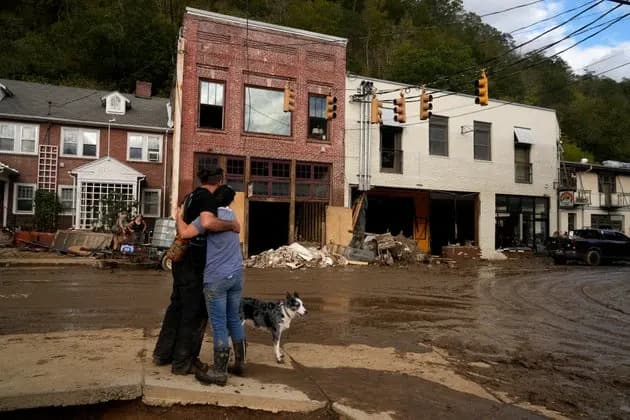
The WMO stressed the need for better, shared data and common standards to track changes in the water cycle and to provide coordinated early warnings. "Weather respects no borders, and this is especially true for water," Saulo said, noting that rivers and glaciers often span national boundaries and that disasters in one country can have cross-border impacts, as seen in recent tragedies in China and Nepal.
What This Means: Declining glaciers and groundwater undermine the planet's natural buffer against extreme weather, making societies more vulnerable to water shortages and floods. The report calls for improved monitoring, data sharing and international cooperation to manage transboundary water risks and to strengthen early warning systems.
Help us improve.