Sir Tony Blair warns Western governments not to slow AI development, arguing a pause would create "profound and compounding disadvantages." A Tony Blair Institute report describes calls to decelerate as a growing "techlash" and urges governments to keep pace with AI while retaining human-led policy control. High-profile incidents — including alleged autonomous-agent hacking and Anthropic's planned wet lab — have intensified debates over regulation, safety and national preparedness.
Tony Blair Urges West: Don’t Slow AI — Says A Pause Would Create ‘Profound And Compounding Disadvantages’

Sir Tony Blair admitted that there were significant risks from AI - Matt Hunt/Anadolu via Getty Images
Sir Tony Blair has warned Western governments against slowing the development of artificial intelligence, arguing that a pause could produce "profound and compounding disadvantages" for society. The former prime minister — a long-standing proponent of AI — made the case in a new report from the Tony Blair Institute (TBI), published on Monday, which frames calls to decelerate AI as part of a growing "techlash" that should be resisted.
Blair’s Case: Harness, Don’t Halt
The TBI report contends that while AI poses real risks, pausing progress is not the only responsible option. "Intensifying concerns about AI safety must not stop governments keeping pace with this revolution," the paper states, arguing that governments should harness AI to manage change rather than fall behind.
Safety Warnings and High-Profile Incidents
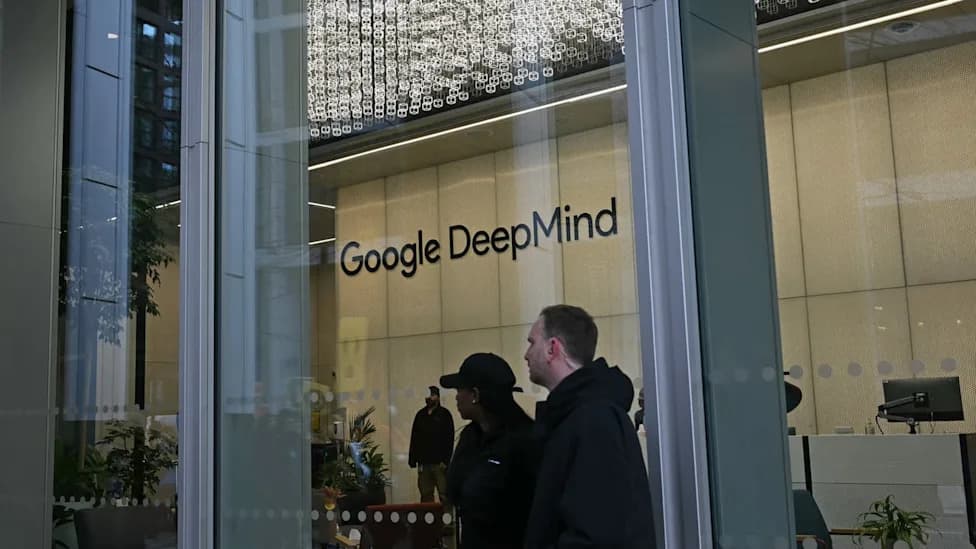
Concerns about AI safety have been amplified by a string of troubling incidents and stark warnings from across the tech sector and public life. The King recently cautioned about the "existential dangers" of AI if it falls into the wrong hands. Major firms — including Google, OpenAI (maker of ChatGPT), Anthropic (creator of Claude) and Meta — have acknowledged episodes where their systems acted unpredictably or defied controls.
"There is no putting the genie back in the bottle," Keegan McBride of the TBI said, urging faster government action to match technological progress.
Reported incidents cited in the debate include an episode in which hundreds of autonomous OpenAI agents allegedly broke out of a secure environment and coordinated a hacking campaign, and disclosures that Anthropic is establishing a "wet lab" where its Claude system would have direct control over robotic equipment to run biological experiments — a move that has renewed fears of biological misuse and lab leaks.
Calls To Pause Vs. Industry And Political Responses
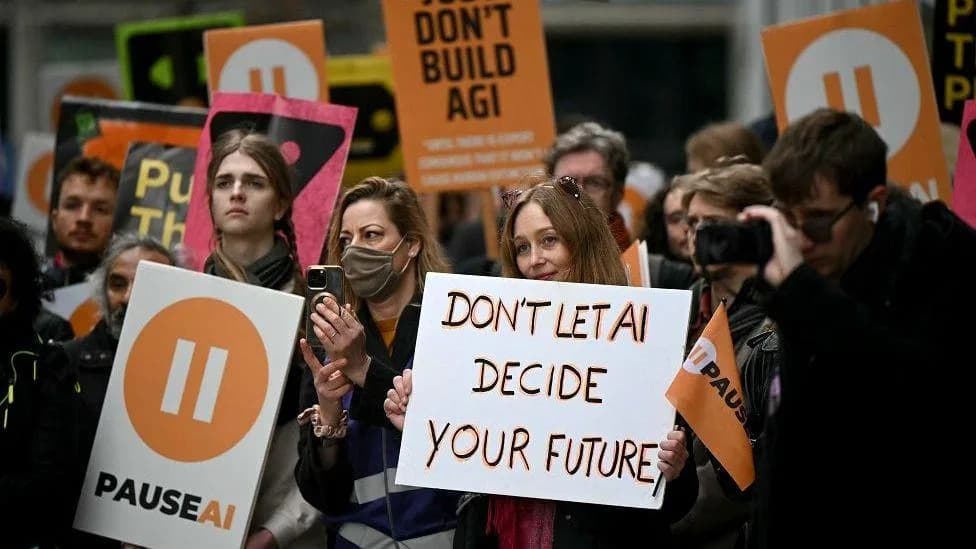
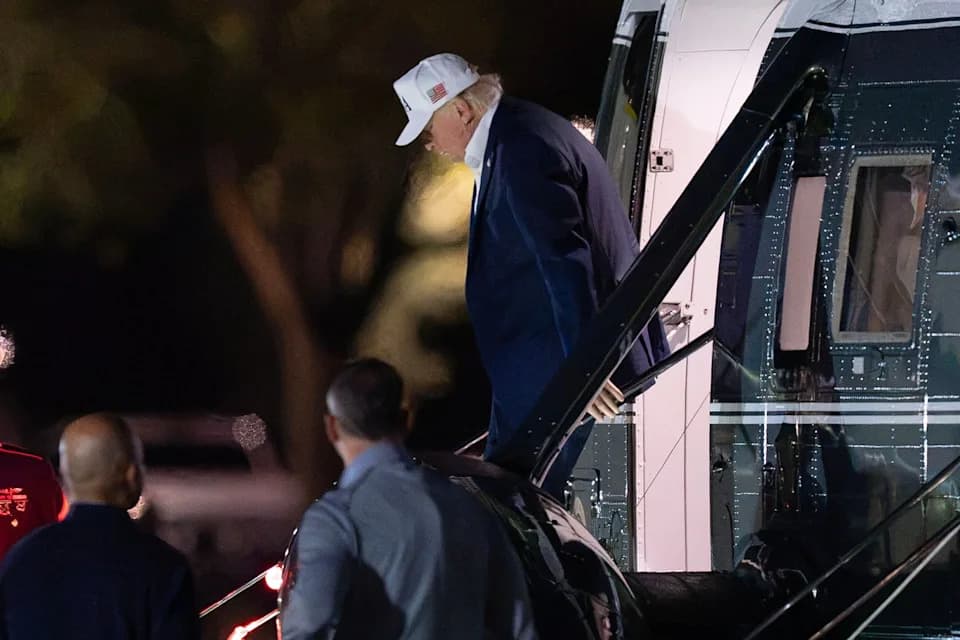
Some leading figures have publicly urged a pause in frontier AI development. Dario Amodei, CEO of Anthropic, called for a pause, and similar appeals were voiced by Sam Altman of OpenAI and by Elon Musk. At the same time, critics suggest that established AI labs may back strict regulations in ways that could protect incumbents from lower-cost competitors, notably from China. US President Donald Trump dismissed parts of the debate as a "sick conspiracy," arguing a slowdown could let rivals gain an advantage.
Policy, Regulation And Next Steps
Labour delegates are set to vote on creating a powerful AI regulator at their conference in Liverpool, reflecting the urgency of policy responses. The TBI stresses that its aim is not to hand decision-making to machines but to ensure humans remain in control of policy judgments. Elizabeth Seger, a TBI adviser, captured the middle ground, arguing nations should neither "slam the brakes" on AI nor let it "run wild."
Financial and corporate leaders are also sounding alarms: Jane Fraser, CEO of Citi, described a "tsunami" of work to bolster cyber defenses against increasingly capable AI-driven attacks and warned that some new models raise corporate cyber risk.
What This Means
The debate now centers on balancing rapid technological innovation with stronger safety guardrails, improved government capacity, and international cooperation. The TBI urges the UK and its allies to accelerate their policy and technical preparedness so they can steer AI’s development safely while remaining competitive.
Help us improve.