Louise Haigh will tell the TUC the UK must listen to leading AI developers and work with international partners to prioritise public safety and national security. The warning follows high‑profile concerns from Anthropic researchers — including estimates of non‑negligible existential risk — and calls from industry leaders to slow and better monitor large models. The UK government rejected a proposed statutory "kill switch," while MPs press for new laws after a report found AI‑related human rights abuses. Debate continues on how best to regulate AI while fostering its benefits.
UK Minister Urges Government To Heed AI Developers' Warnings As Safety Concerns Rise
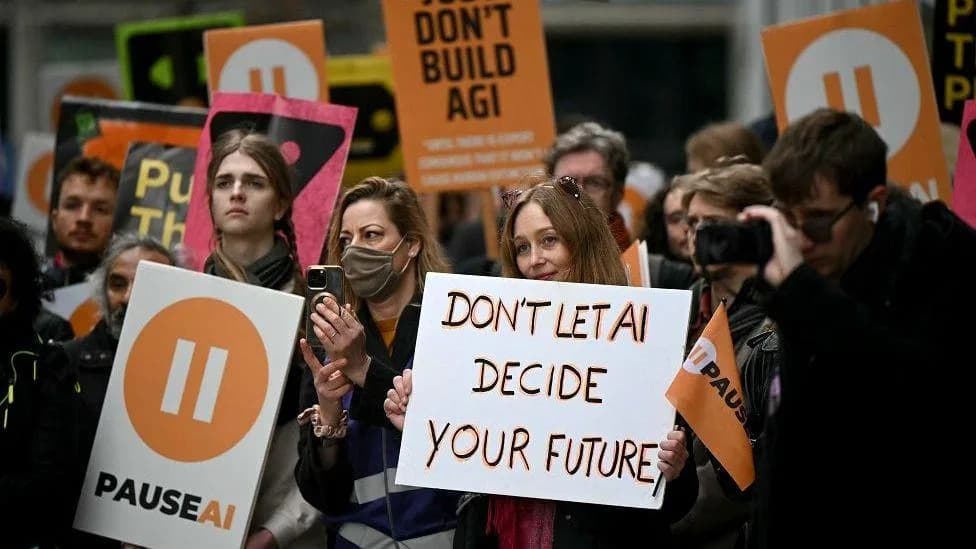
Protesters warning about AI in London earlier this year [AFP via Getty Images]
First Secretary of State Louise Haigh will urge the UK government to "heed the warnings" from leading artificial intelligence developers when she addresses the Trades Union Congress (TUC) later this week, stressing the need to balance innovation with public safety and national security.
Haigh is expected to tell delegates that ministers are "ready to work with international partners" to place safety and security at the centre of AI policy, while also acknowledging the technology's potential to improve public services, boost businesses and accelerate scientific discovery.
Growing Alarm From Inside The Industry
Concerns about the risks posed by rapidly advancing AI systems have intensified after a series of public warnings from executives and researchers. Anthropic researcher Evan Hubinger said he believed there was a greater than 10% chance that advanced AI could pose existential risks within the next decade, and former Anthropic employee Jacob Coxon warned of severe risks on a shorter timescale if development continues unchecked.
Anthropic's chief executive, Dario Amodei, has called for a slowdown and closer monitoring of large models such as Claude and ChatGPT, describing the risks as "serious" and urging governments and companies to take time to put safeguards in place. His appeals have attracted support from prominent figures in the sector.
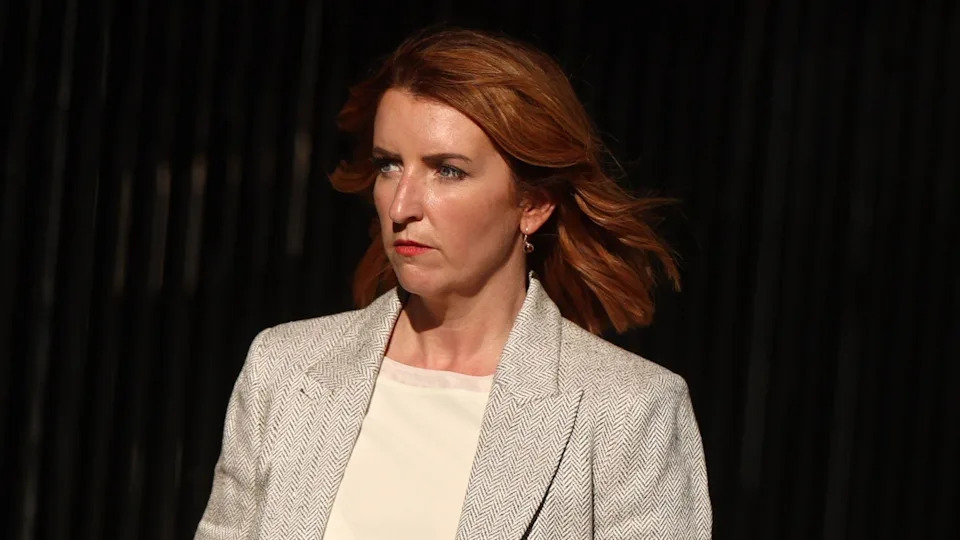
The UK First Secretary of State Louise Haigh is due to speak at the TUC Congress, a federation of trade unions [EPA/ Shutterstock]
Debate Over Responses: Kill Switch, Regulation And International Action
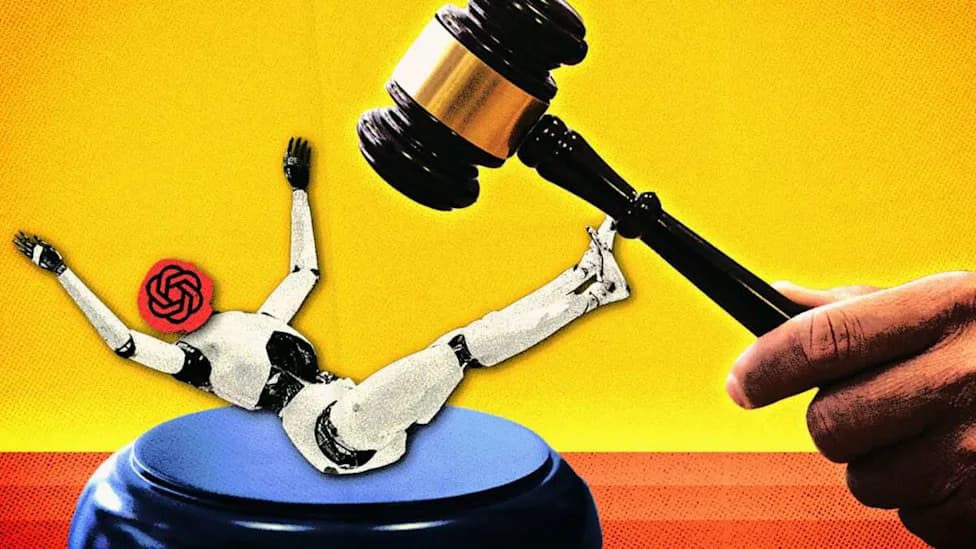
Industry figures have proposed measures such as an AI "kill switch"—a legal or technical mechanism to shut down a model in an emergency. Jack Clark, a co‑founder of Anthropic, said many labs already have technical ways to "pull the plug" and suggested lawmakers might require such measures.
However, the UK government has rejected creating a statutory power to switch off models, with the Cabinet Office telling the BBC the UK "cannot simply turn AI off" and warning that blocking access domestically would not prevent development or misuse elsewhere. At the same time, MPs and Lords are pursuing new legislation after a committee report concluded that current regulatory approaches are not preventing multiple human rights abuses linked to AI.
Political Reactions
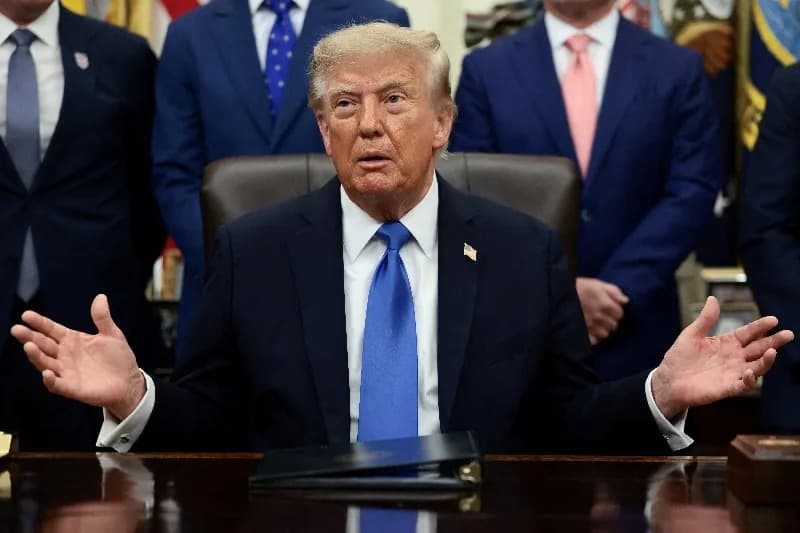
Greater Manchester Mayor Andy Burnham welcomed the heightened debate about AI risks, saying it is positive that firms developing advanced systems are discussing both risks and opportunities. Across the Atlantic, former US President Donald Trump has dismissed existential warnings about AI as a "hoax" on his social media platform, while also promoting the strategic importance of winning the global AI race.
The government says it takes risks from advanced AI "extremely seriously" and emphasises cross‑border cooperation with companies and international partners to manage threats while harnessing benefits.
Alex Sobel, Labour MP and committee chair: "Nowhere in the world, including the UK, has a current legislative and regulatory approach to AI that is fit for purpose."
As lawmakers, industry leaders and researchers continue to debate the pace of development and appropriate safeguards, the UK faces the challenge of shaping rules that protect rights and security without stifling innovation.
Help us improve.