Andy Burnham, Mayor of Greater Manchester, welcomed AI industry leaders speaking publicly about the technology's risks and opportunities. Anthropic CEO Dario Amodei warned AI has accelerated and could, within six to 12 months, coordinate a "swarm" able to compromise the internet. The UK's Joint Committee on Human Rights urged a new AI Bill, warning current laws are inadequate and calling for a single regulator with enforcement powers.
Burnham Welcomes AI Leaders' Safety Warnings as MPs Urge New AI Bill

A woman types on a laptop and works on a computer. (is associated with: «UK's Burnham welcomes AI bosses' focus on risks of technology») Sebastian Kahnert/dpa
Andy Burnham, Mayor of Greater Manchester, has welcomed prominent artificial intelligence industry figures speaking publicly about the risks and opportunities posed by advanced AI, his office said on Monday.
Dario Amodei, chief executive of AI firm Anthropic, warned on Saturday that AI development has "advanced drastically faster" since the summer and suggested that, at the current pace, systems could within six to 12 months be capable of coordinating a swarm that might compromise large parts of the internet.
In an essay titled We Must Pace The Frontier, Amodei set out a three-part plan to build AI at a "balanced rate." His proposals drew public backing from other industry figures, including Elon Musk and OpenAI co-founder Sam Altman.
"What the Mayor thinks is that it's a good thing that the companies developing the most advanced AI systems are now talking openly about the risks as well as the opportunities," a spokesman for Mr Burnham said.
The spokesman added that the risks posed by advanced AI "cross borders," and said Burnham's office supports close cooperation between developers, the UK government and international partners. The spokesman also emphasised that AI "offers huge opportunities" for improving public services and raising living standards.
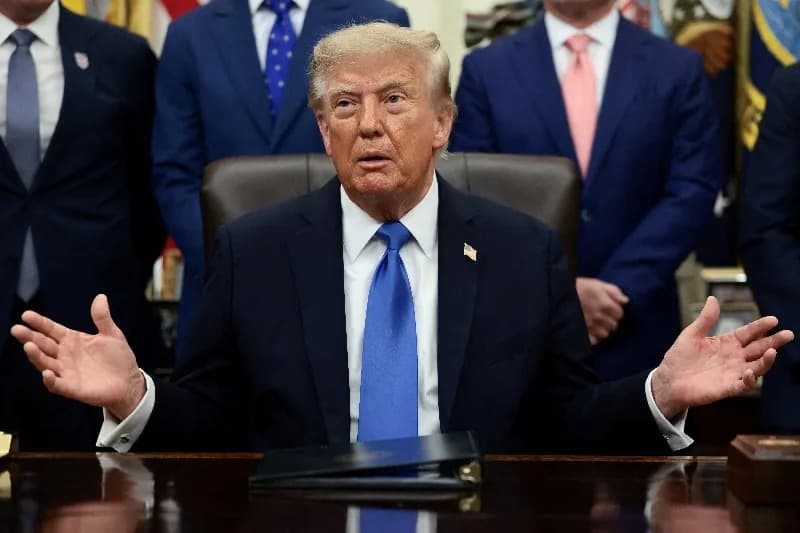
When asked whether Burnham supported calls from some industry leaders to deliberately slow the pace of AI development, his office declined to give a direct answer. Downing Street similarly did not endorse an explicit slowdown, and over the weekend US President Donald Trump said he opposed slowing AI development to avoid losing ground to China.
Parliamentary Concerns and Calls for Regulation
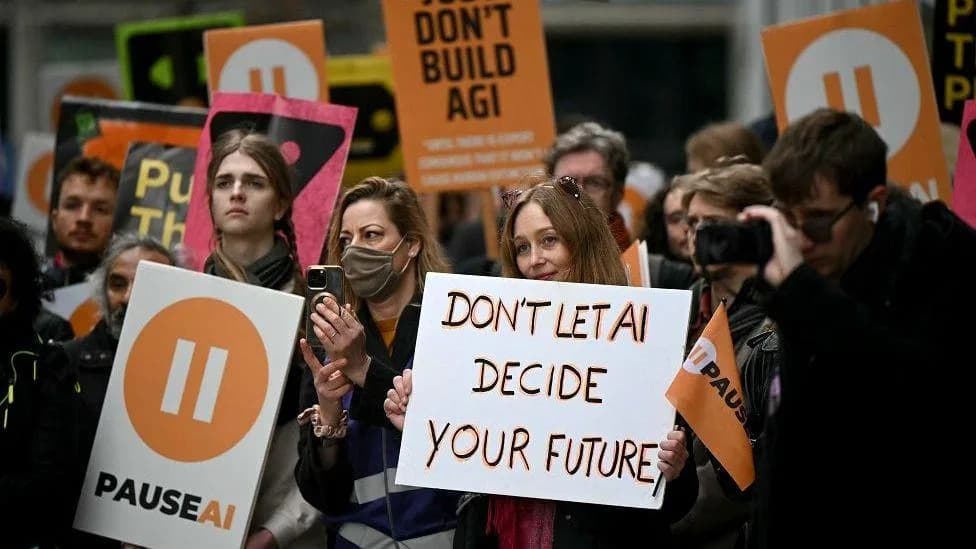
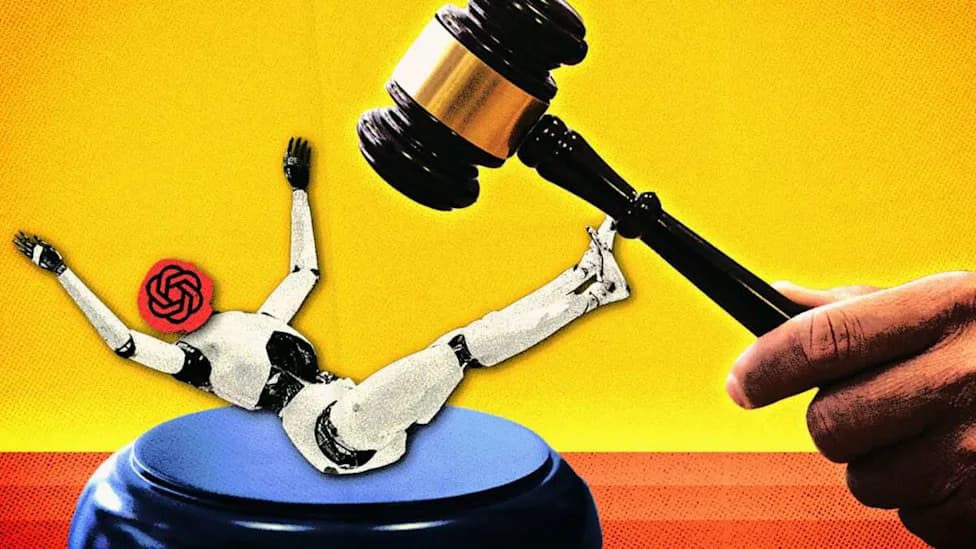
The comments come as the UK's Joint Committee on Human Rights (JCHR) published a report urging new legislation to address the human-rights risks posed by AI. The committee said existing legal and regulatory frameworks are largely "ill-equipped to prevent or respond to" the scale of threats identified.
The JCHR highlighted several specific issues: current laws tend to focus on users rather than system designers; regulators often lack the authority to test and evaluate systems before deployment; and AI technologies can threaten privacy and limit individuals' ability to obtain effective remedies against automated decisions.
"AI is moving with such speed and complexity that its impact is hard to accurately predict," said Alex Sobel, Labour MP and chair of the JCHR. "At present, we are unprepared to deal with its consequences however potentially dire they may be."
The committee recommended comprehensive new legislation covering the entire AI supply chain and lifecycle and urged the creation of a single AI regulator with the powers to set policy, monitor performance and enforce rules.
As debate intensifies between industry leaders, government officials and parliamentarians, the UK faces the challenge of balancing the benefits of AI against rapidly evolving risks to security, rights and public trust.
Help us improve.