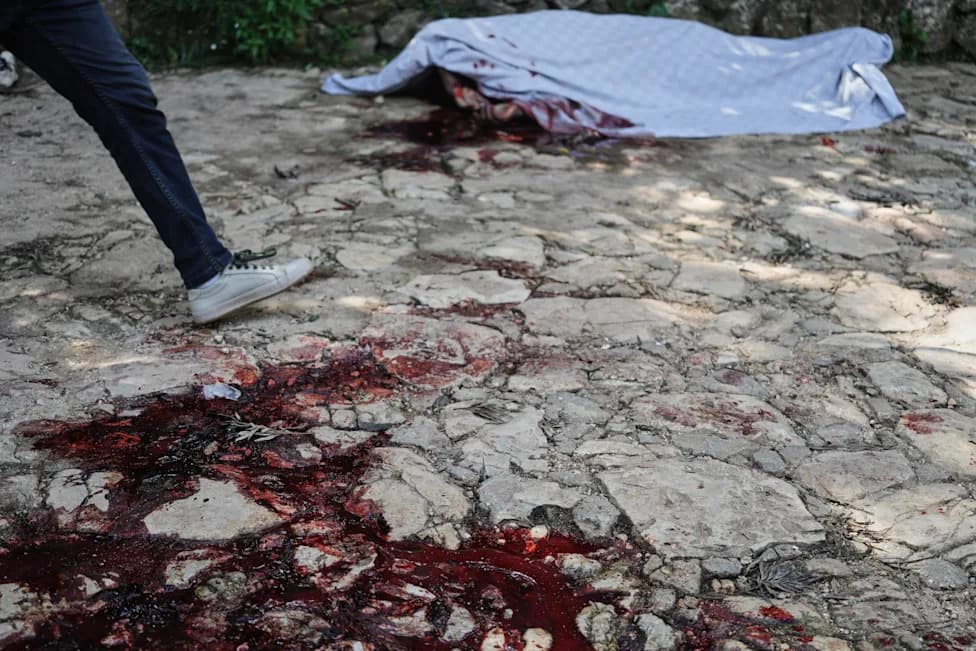
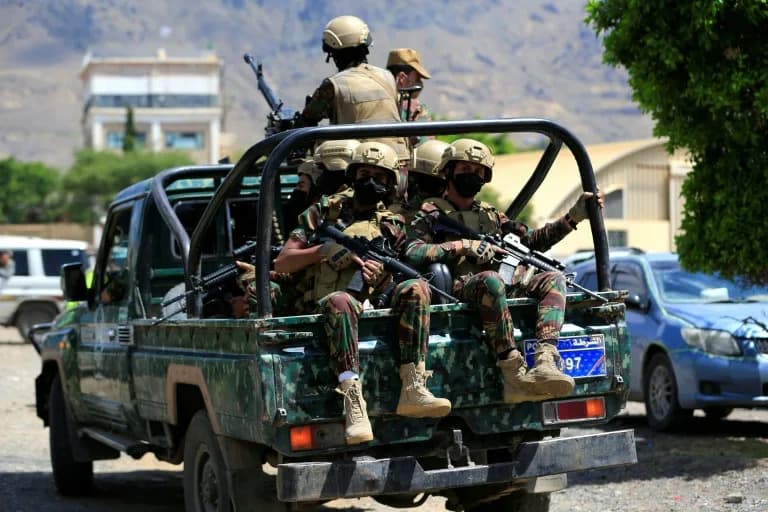
The National Human Rights Defense Network published a detailed report blaming security lapses and alleged police inaction for a late‑August massacre in Kenscoff, Haiti, that left at least 164 people dead, over 70 kidnapped and dozens missing. Investigators documented pre‑attack warnings — including drone surveillance, blocked roads and ignored requests for armored vehicles — and say security deployments had been reduced after a January 2025 assault. The report calls for urgent aid to survivors and a full investigation into institutional failures.
New Human Rights Report Details Deadly Kenscoff Massacre, Faults Police Failures
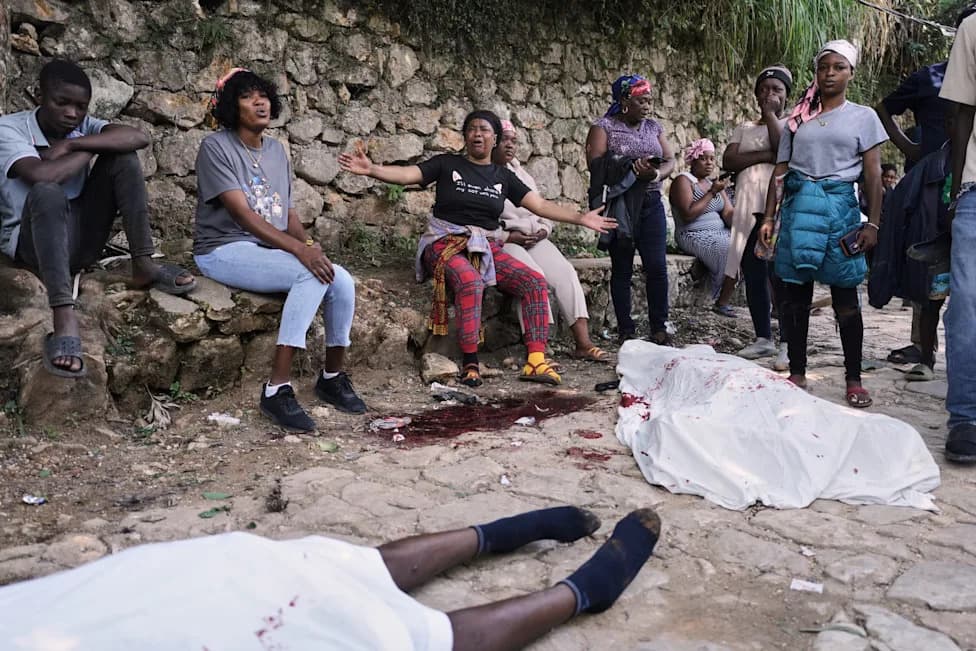
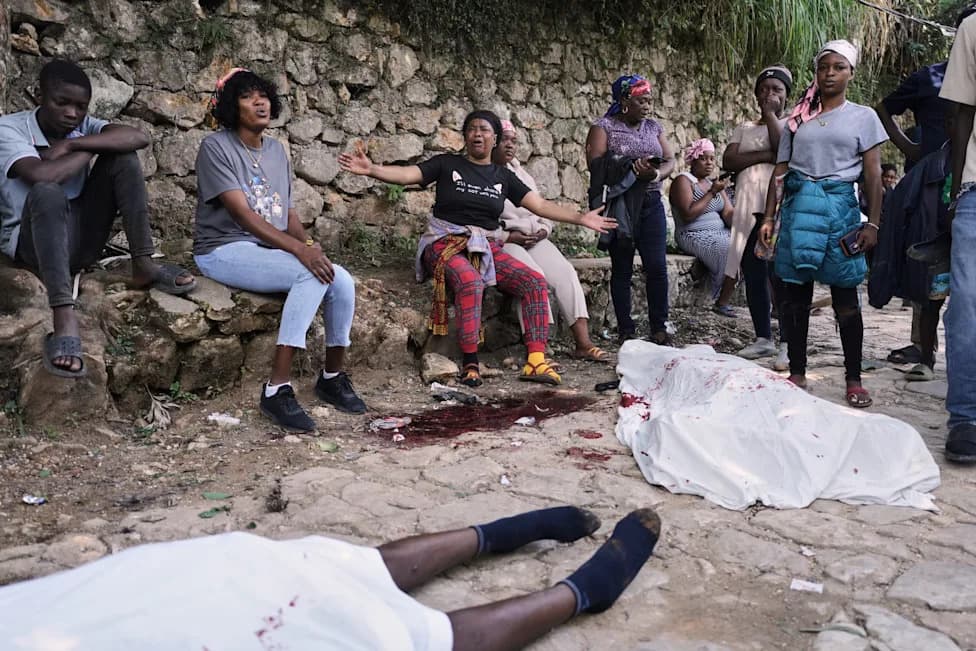
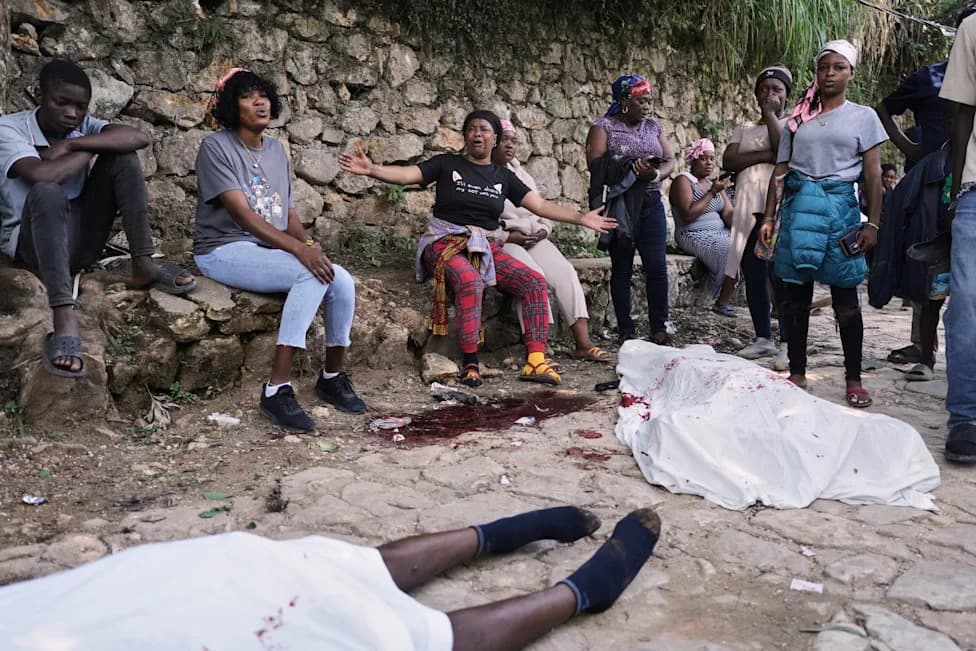
People gather next to the bodies of people they said were their relatives and were killed in a gang attack in the Kenscoff neighborhood of Port-au-Prince, Haiti, Monday, Aug. 24, 2026. (AP Photo/Odelyn Joseph)(AP Photo/Odelyn Joseph)
A new report from the National Human Rights Defense Network offers the most comprehensive account to date of the late‑August massacre in Kenscoff, a farming town near Port‑au‑Prince, Haiti. The investigation draws on interviews with judges, police officials, armed civilians, the former head of the local police station and more than 100 victims and relatives.
Key Findings
The report concludes that at least 164 people were killed, more than 70 were abducted and dozens remain missing after a series of attacks that culminated in the late‑August assault. It documents warning signs — including drone surveillance, roadblock preparations and ignored requests for armored vehicles — and attributes the high death toll in part to reduced security deployments and what it calls police passivity.
Security Failures and Warnings Ignored
According to the report, Kenscoff was left vulnerable after a January 2025 attack that left at least 139 people dead or missing. Soldiers and special police units deployed after that incident were later withdrawn for reasons the investigators called "completely unknown," and overall security capacity in the area was reportedly reduced by roughly 60 percent.

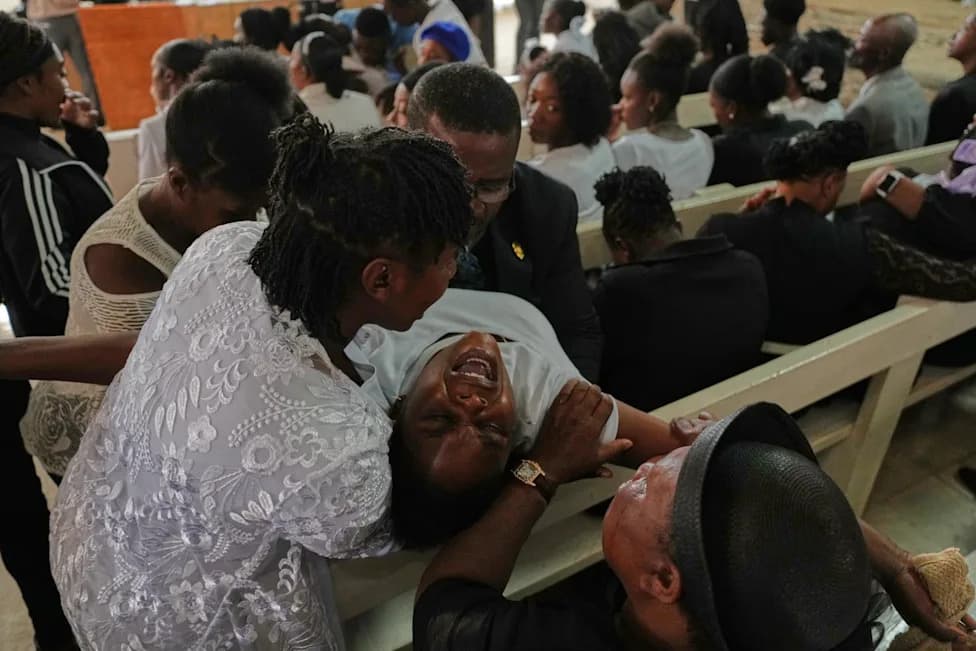
Relatives attend the funeral of four victims of a gang attack in the Kenscoff neighborhood of Port-au-Prince, Haiti, Sunday, Aug. 30, 2026. (AP Photo/Odelyn Joseph)(AP Photo/Odelyn Joseph)
In the days and hours before the late‑August assault, investigators say attackers used surveillance drones to monitor movements, deployed scouts to identify targets and placed tree trunks to block roads. The former head of the Kenscoff police station had requested two additional armored vehicles; the report says those requests went unanswered and that a critical armored vehicle was relocated a week before the attack for lack of personnel, creating an opening the attackers exploited.
"This lack of response is all the more concerning given that available information indicated the existence of a serious and imminent threat to the population," the report states.
Harrowing Human Toll
The victims included nearly two dozen people aged 65 to 90, 36 women and seven children — including a 4‑year‑old. Among those killed were farmers, two pastors and a school principal. The report also documents extreme acts of violence and mutilation, which it records in order to support calls for justice and aid for survivors.
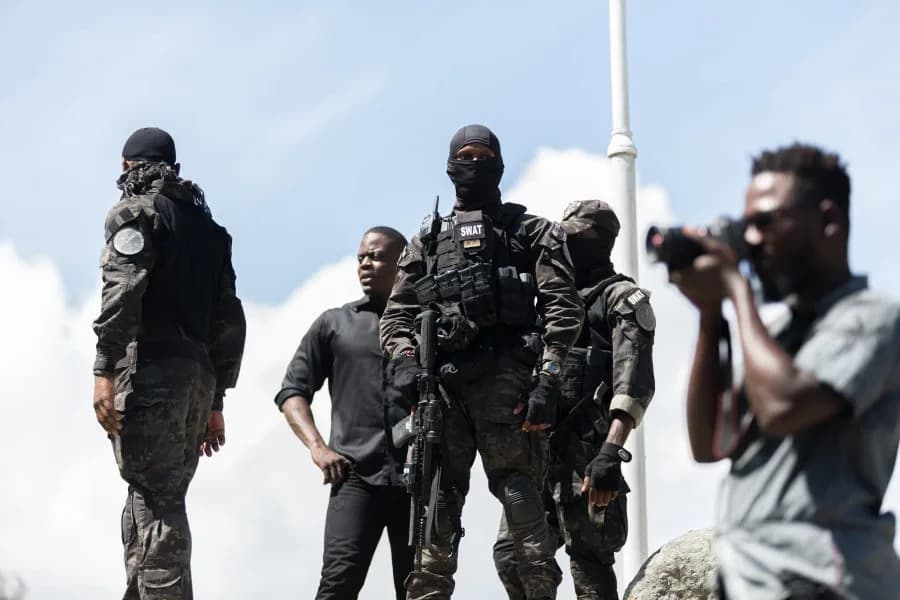
Gang members attacked shelters including a school and a church and used bodies as barricades while police and local civilians fought for hours to repel them. Investigators say attackers staged diversionary strikes to draw police away and weaken the town's defenses before the main assault.
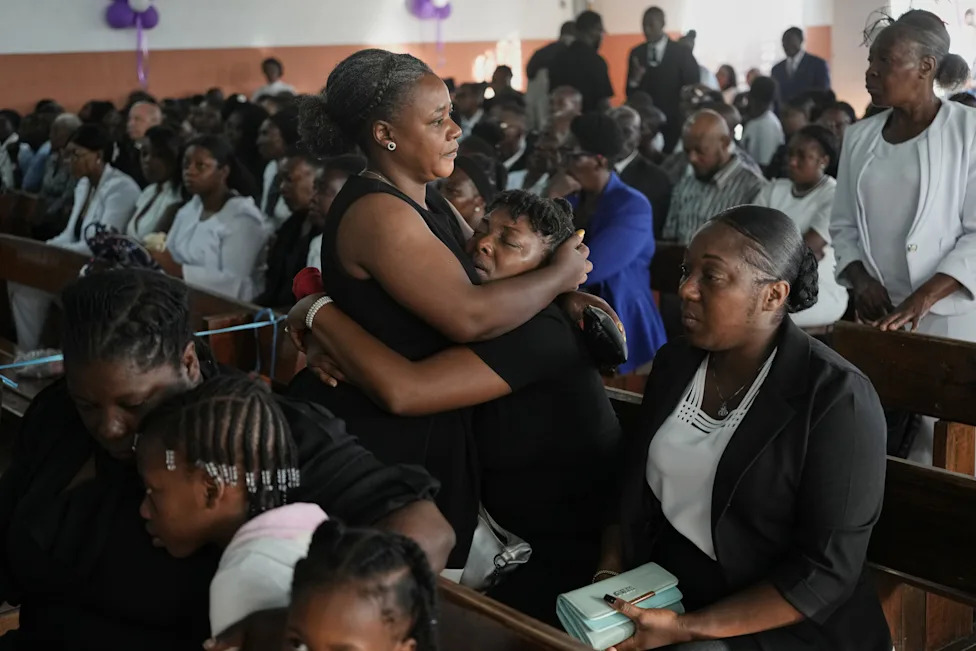
Relatives attend the funeral ceremony for four victims of a gang attack in the Kenscoff neighborhood of Port-au-Prince, Haiti, Sunday, Aug. 30, 2026. (AP Photo/Odelyn Joseph)(AP Photo/Odelyn Joseph)
Institutional Responsibility and International Forces
The report criticizes the "disdainful disinterest" of senior police officers and questions the effectiveness and visibility of a U.N.‑backed gang suppression force, saying its contribution to security on the ground has been difficult to identify. A spokesperson for Haiti's National Police and a representative of the international force did not immediately respond to requests for comment.
Beyond documenting failures, the human rights group calls on the Haitian government to provide financial, medical and psychological assistance to survivors and families and to investigate institutional lapses that allowed the massacre to occur.
Ongoing Threats
The report notes that armed attacks continued in Kenscoff after the August massacre and that drone flights and threatening messages are still being reported. Kenscoff's mayor warned that these signals "must not be trivialized or ignored" and urged urgent action to protect the town's civilians, who have faced more than 20 months of displacement, loss and trauma due to gang violence.
Methodology: The report is based on interviews with judges, police officials, armed civilians, the former head of the Kenscoff police station and more than 100 victims and relatives, as well as monitoring data from independent organizations.
Appeal: The human rights group is urging rapid financial, medical and psychological support for survivors and families and a transparent investigation into the security failures that preceded the attack.
Help us improve.