Recent media reports and a CDC advisory have raised concern about possible increases in human exposures to rabid animals, but experts say it is unclear whether human rabies cases are actually rising in the U.S. High-profile incidents in Maryland and North Carolina and a 17% uptick in CDC inquiries have driven awareness. Health officials stress immediate wound cleansing, prompt medical evaluation, and up-to-date pet vaccinations to prevent rare but deadly outcomes.
Rabies Advisory Sparks Concern — Experts Say Cases May Not Be Rising

Despite the Maryland incident, beavers rarely get rabies.Photograph: Troy Harrison/Getty Images
Recent headline-making encounters between people and rabid animals, together with a Centers for Disease Control and Prevention (CDC) health advisory, have heightened public concern — but experts say it's still unclear whether human rabies cases in the United States are actually increasing.
Recent Incidents And CDC Response
In the past months, news reports described rabid beavers attacking three people in Maryland and hundreds of visitors at a North Carolina petting zoo being exposed to goats that later tested positive for rabies. On 10 September, the CDC issued a health advisory saying it was responding to "recent reports of increases in human exposures to rabid or possibly rabid animals." The agency also reported a 17% rise in rabies-related inquiries from July to August this year compared with the same period last year and noted increased state reports of post-exposure prophylaxis (PEP) administration.
What Experts Say
Public-health specialists emphasize that heightened media coverage and public awareness can be beneficial, even if some of the reported uptick reflects greater concern rather than a true surge in infections. "Any time that the subject gets good coverage and people can learn a little bit about how they can be safe, I think that is a win for public health," said Zak Mertz, CEO of the New England Wildlife Center.
"I think what we are seeing is a little bit of bad luck," said Meghan Davis, an associate professor of environmental health and engineering at Johns Hopkins University, noting that the goats were too young to have been vaccinated and that beavers rarely carry rabies.
Context And Risk
Historically, hundreds of people died from rabies annually in the United States. Vaccination programs, animal-control measures and better awareness have reduced that number drastically — the CDC estimates fewer than 10 human rabies deaths per year in recent decades. Nonetheless, rabies remains almost always fatal once symptoms begin, so prompt action after a possible exposure is critical.
Notable Cases
One widely reported incident involved a wild skunk entering a baby-goat pen on a farm in Harmony, North Carolina; months later, hundreds who had contact with those goats were monitored and many received PEP. No deaths have been reported in connection with that event. In Maryland, a 13-year-old boy survived a beaver attack while swimming at a state park but required multiple surgeries for nerve damage.
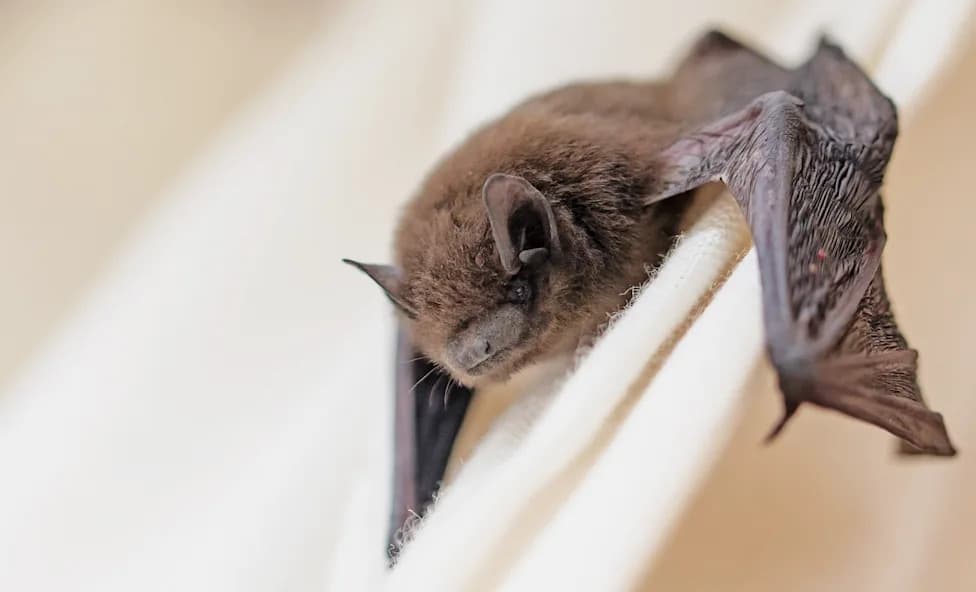
The article also recalls a tragic earlier case in South Carolina: Tonji Durant said her sister Ivy contacted local animal control about bats in the house but was not advised to seek medical evaluation. Months later Ivy developed flu-like symptoms; a rabies test was positive, but by then treatment was ineffective.
"The older you get, the more you miss your siblings," Durant, a retired CDC epidemiologist, said. She called for clearer communication among clinicians, communities and public-health officials.
What To Do If You Suspect Exposure
Health experts urge anyone who suspects contact with a rabid or possibly rabid animal to contact their state health department or healthcare provider promptly. Specific advice includes:
- Immediately and thoroughly wash any bite or scratch with soap and water.
- Seek prompt medical evaluation — do not wait for symptoms to appear.
- Follow public-health guidance regarding post-exposure prophylaxis (PEP) if recommended.
- Keep pets' rabies vaccinations up to date and avoid contact with wild animals.
While current data do not conclusively show a sustained rise in human rabies cases, increased vigilance, clear communication and timely medical care remain essential to prevent rare but fatal outcomes.
Help us improve.