Dr. Krista Edelman woke from a dream to find a bat in her mouth and removed it; her husband captured the animal for rabies testing. Because multiple rabid bats have been reported locally, she sought evaluation and advice about post-exposure treatment, which typically includes a four-shot vaccine series plus immunoglobulin. The bat tested negative, but public-health officials stress that any direct contact with bats merits prompt medical assessment and that sick or colony bats should be handled only by professionals.
Virginia Doctor Wakes to Find a Bat Pushing Into Her Mouth — Seeks Rabies Evaluation
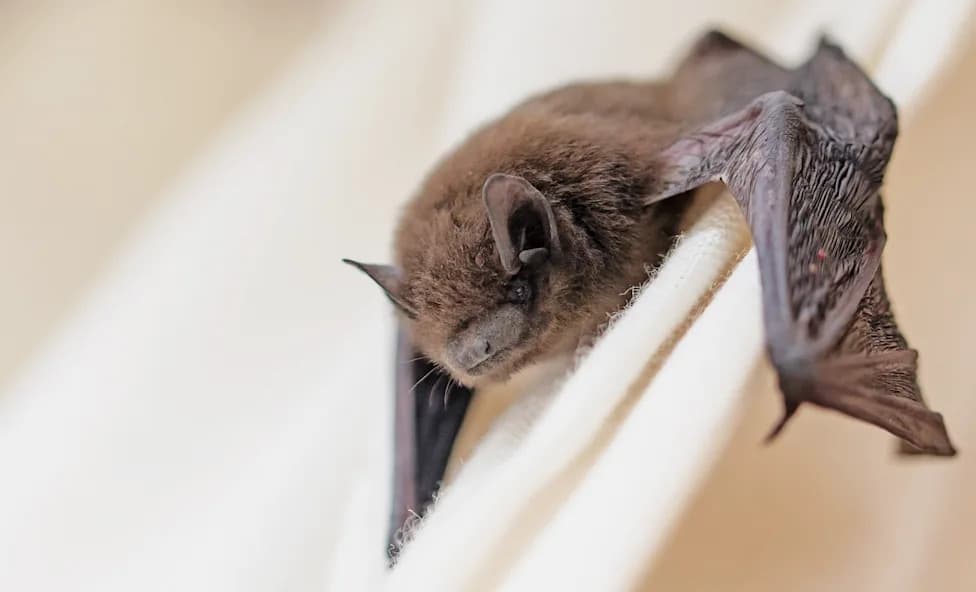
Photo Credit: iStock
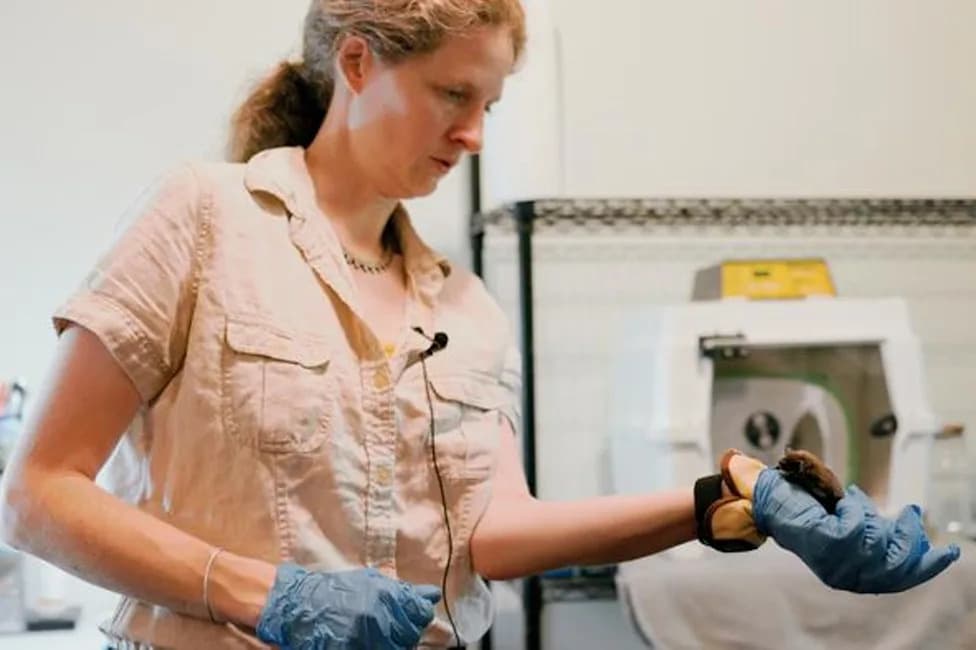
Dr. Krista Edelman, a gastroenterologist with Richmond Gastroenterology Associates, says she woke from a dream to find a bat in her mouth and pulled the small mammal out by the fur while asleep beside her husband.
"I was dreaming that there was a little mouse trying to get into my mouth. And I was in nice slumber. And then in my dream, I was reaching up to my mouth. And when I did, I grabbed something, and ultimately I had folded the bat's wings back," Edelman recounted.
Her husband was awakened by her screams and contained the bat so it could be tested for rabies. Edelman shared the story on TikTok; the video has received over 3,000 views.
Medical Concerns and Response
Because Richmond Animal Control recorded at least five rabies-positive bats in Richmond and Henrico counties this year, Edelman contacted infectious-disease physician Dr. Nate Warner at Virginia Commonwealth University and sought evaluation at St. Mary’s Hospital after her shift.
Dr. Adam Landsee, medical director of St. Mary’s Emergency Department, explained the standard post-exposure regimen: the rabies vaccine is given as a four-shot series plus rabies immunoglobulin to neutralize any active virus while the vaccine stimulates protective antibodies.
The bat later tested negative for rabies. Medical staff noted that bat teeth are very small, and bites can be painless or leave only a tiny puncture that may go unnoticed. Because rabies is almost always fatal once symptoms begin, both the Centers for Disease Control and Prevention and the Virginia Department of Health recommend post-exposure treatment based on the nature of the contact, not only on whether a visible bite occurred.
Public-Health Advice
Julia Murphy, state public health veterinarian with the Virginia Department of Health, said bat encounters appear to be up this year even though the proportion testing positive has not increased. She emphasized that wildlife encounters can happen at home — even in bed — and urged caution.
Officials recommend that if you find a bat in your living space you should:
- Wear gloves and safely capture the bat in a container so it can be tested.
- If you are uncomfortable handling the bat, keep it contained by closing doors and windows and blocking gaps under doors so it cannot escape.
- Do not attempt to remove a bat colony yourself. Contact animal-protection services or your local health department if bats appear sick, injured, or orphaned.
The Virginia Department of Wildlife Resources publishes a list of licensed wildlife rehabilitators and trappers and a safety checklist for handling bats found inside a home.
Why This Matters
Finding a bat indoors can be alarming because even a minor, unrecognized exposure can warrant prompt medical evaluation. In this case, timely action and testing avoided unnecessary illness: the bat tested negative and Edelman did not require further treatment beyond evaluation.
Related: Recent reports include instances of residents needing treatment after rabid bats entered homes, research on how bat diets affect disease spillover, and warnings that environmental threats to bats can have downstream human health impacts.
Help us improve.