CDC Alerts On Rising Rabies Exposures: The agency reported a 17% increase in rabies-related inquiries during July–August 2026 versus the same period in 2025. At least eight states reported higher PEP use or administration errors, while pharmacy data through Sept. 2 show rabies vaccine use up 33% and rabies immunoglobulin up 76% year-over-year. A North Carolina petting zoo event exposed 300+ people and required at least 213 PEP recommendations. Rabies is nearly always fatal once symptomatic but preventable when PEP is given promptly.
CDC Warns: Human Rabies Exposures Rising Across the U.S.; Officials Urge Caution
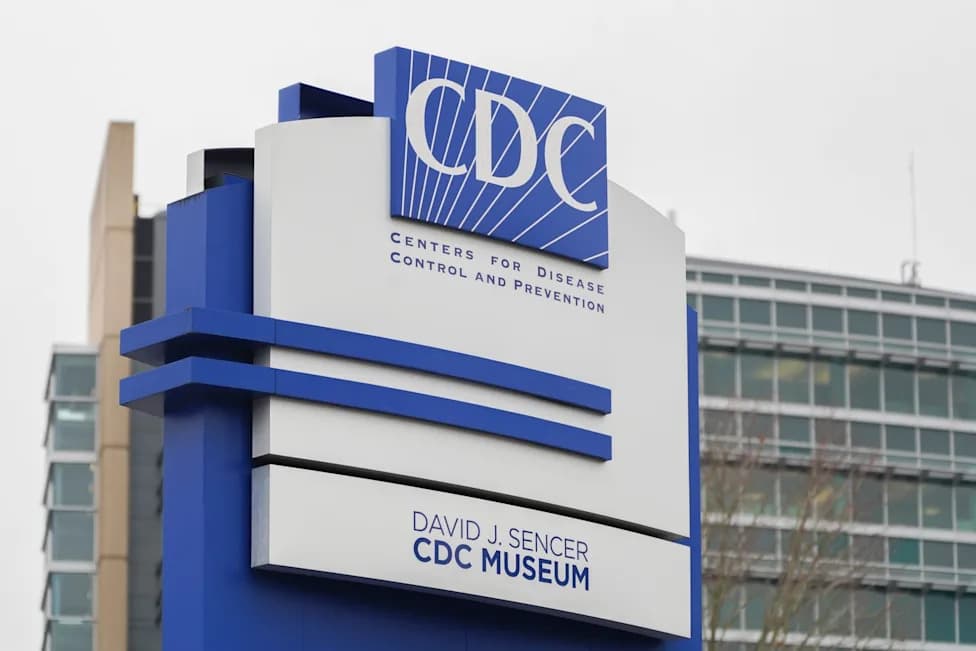
Signage outside the Center for Disease Control (CDC) headquarters in Atlanta, Georgia, US.
The Centers for Disease Control and Prevention (CDC) is alerting the public and health professionals to a noticeable rise in human rabies exposures across the United States since July 2026. The agency said it received 17% more rabies-related inquiries during July–August 2026 than in the same period in 2025, and several local health departments have reported spikes in animal contacts that could pose a rabies risk.
Signage outside the Center for Disease Control (CDC) headquarters in Atlanta, Georgia, US.
Key Findings
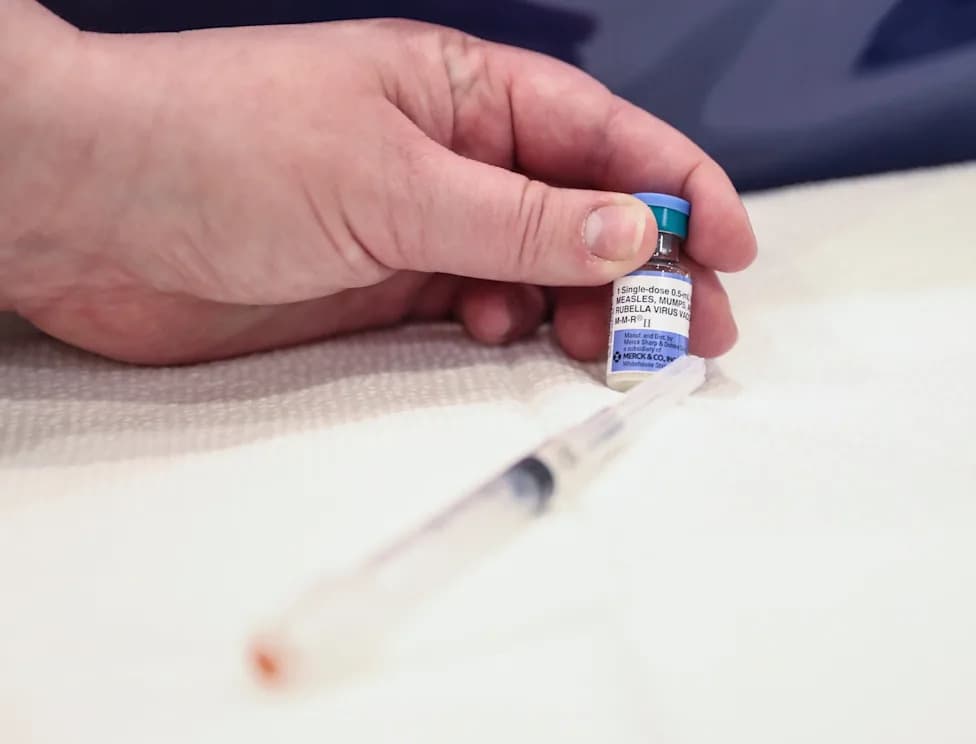
At least eight state health departments told the CDC they have seen increased administration of rabies post-exposure prophylaxis (PEP), errors in PEP administration, or both. Pharmacy tracking through the week of Sept. 2, 2026 shows demand rising sharply: use of the two human rabies vaccines licensed in the U.S. is estimated to be up about 33% year-over-year, while use of the two licensed rabies immunoglobulins rose roughly 76% compared with the same time last year.
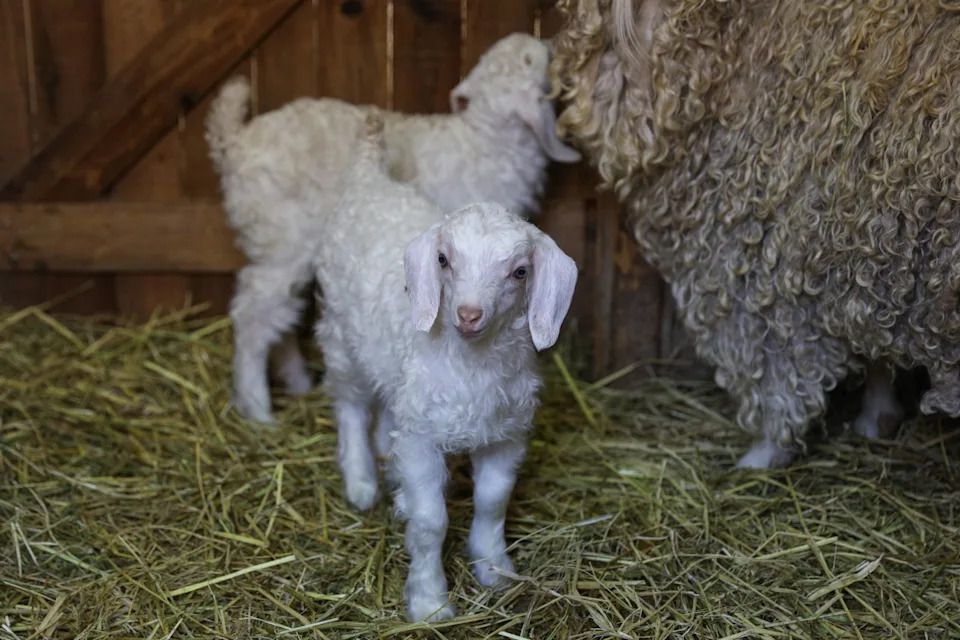
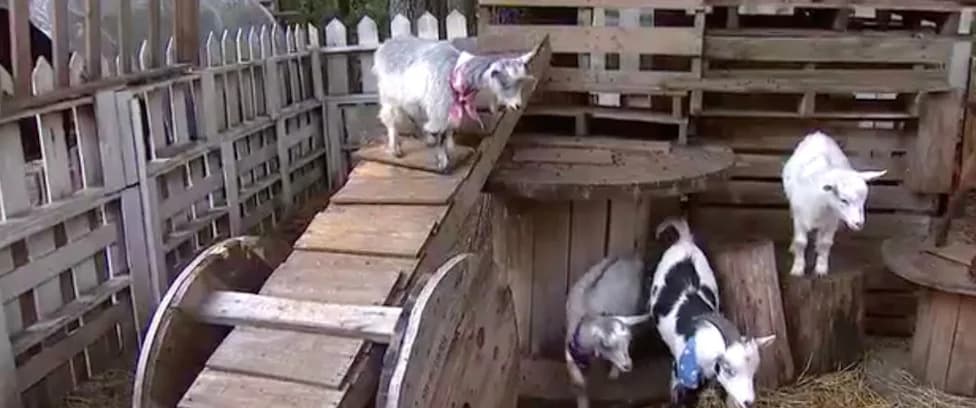
Health officials in North Carolina are warning residents who had contact with baby goats at a mobile petting zoo after three of the animals tested positive for rabies.
Notable Local Event
Health officials in North Carolina reported a large exposure event this summer after three baby goats at a mobile petting zoo tested positive for rabies. More than 300 people had contact with the animals, and at least 213 residents were advised to receive PEP to prevent potential infection.
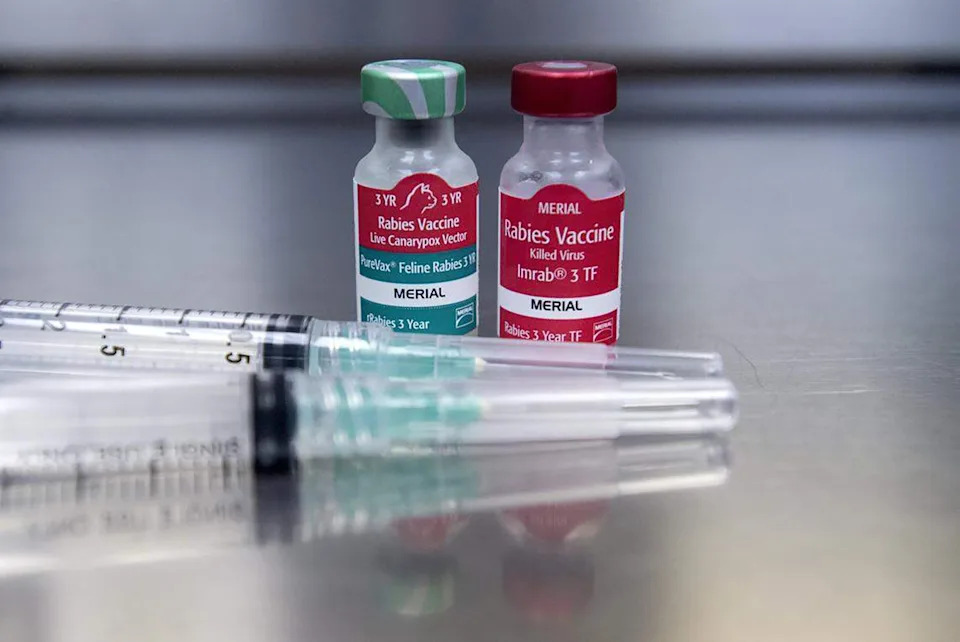
Typically, about 1.4 million people in the U.S. seek medical care each year after animal contact, and approximately 100,000 people receive rabies PEP.
What Rabies Is And Why It Matters
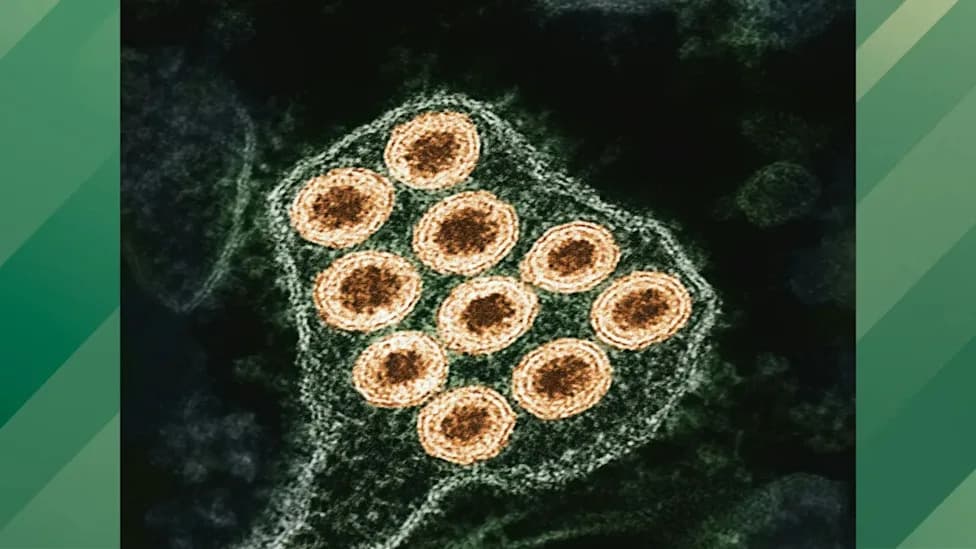
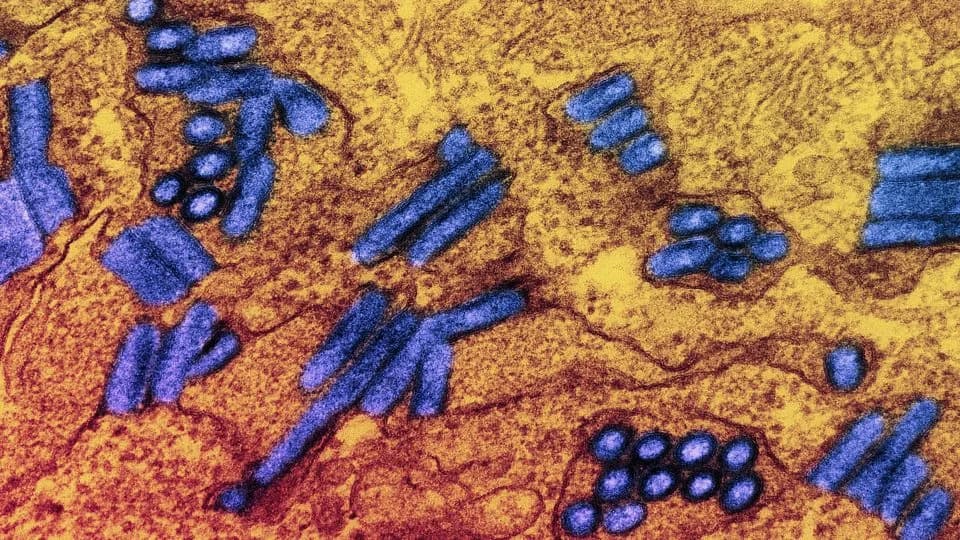
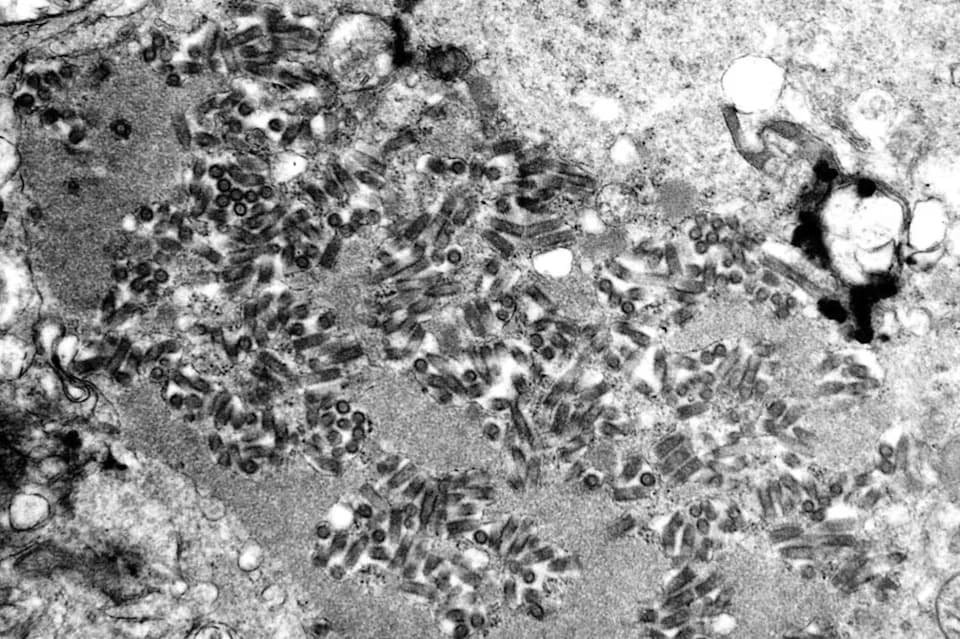
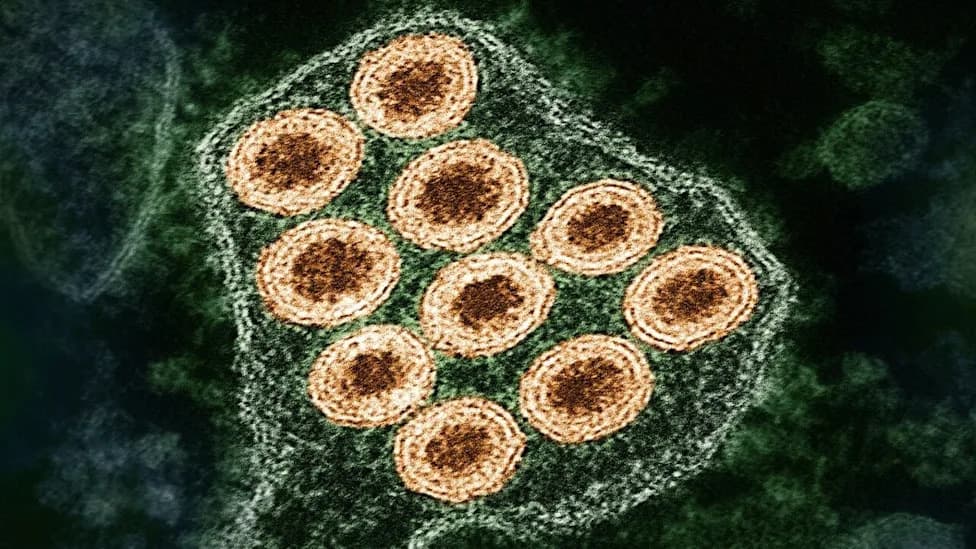
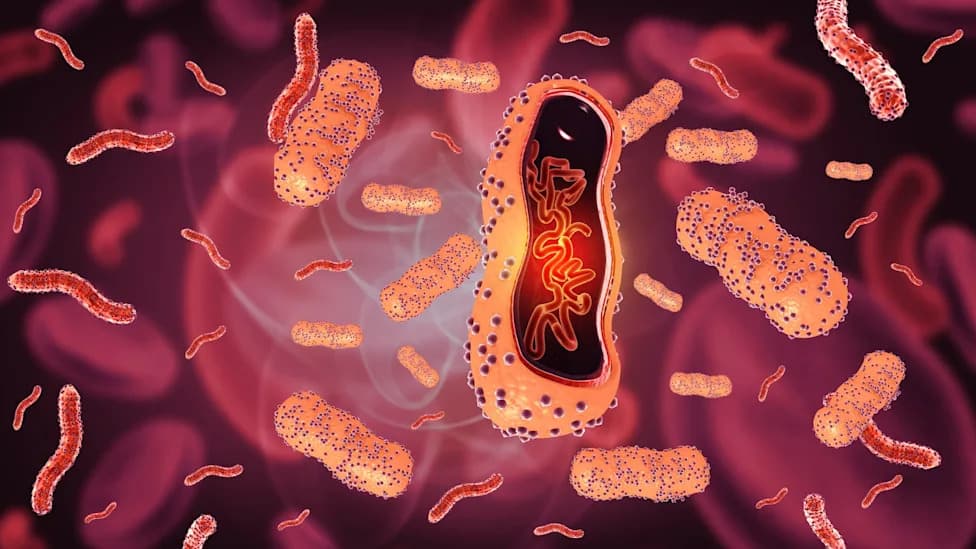
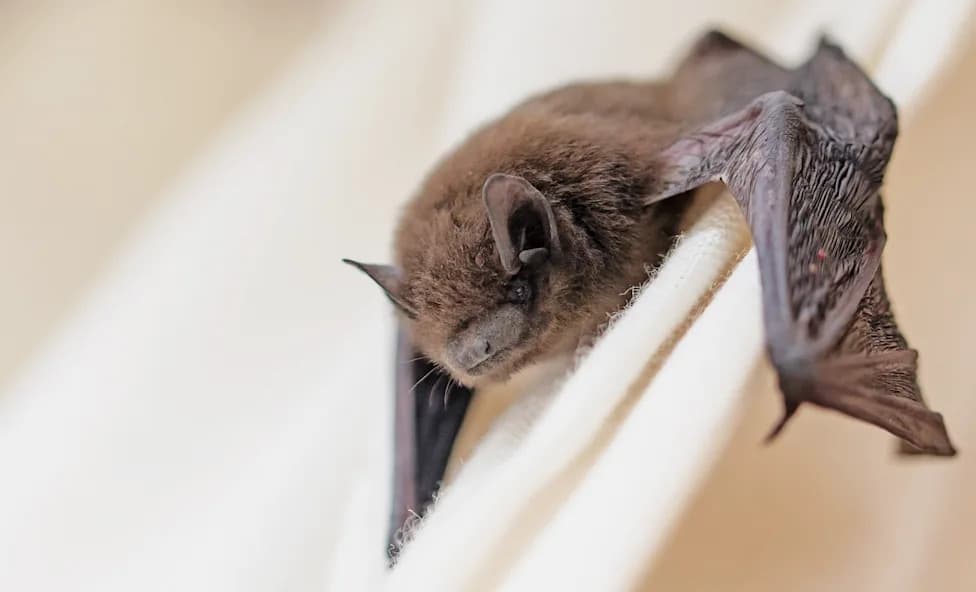
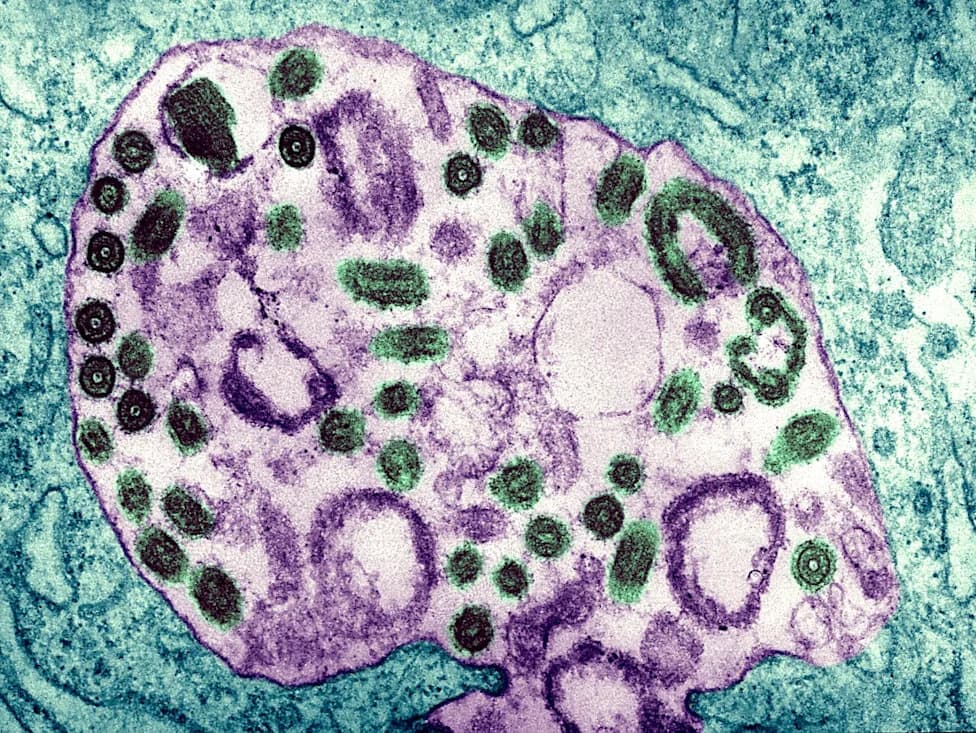
Rabies is a zoonotic viral disease that attacks the central nervous system. Once clinical symptoms begin, rabies is almost always fatal. The virus is transmitted through bites, scratches, or contact with infected oral secretions. The good news: rabies can be prevented when PEP is given promptly after a valid exposure and before symptoms develop.
A "Department of Health and Human Services" sign outside the Center for Disease Control (CDC) headquarters in Atlanta, Georgia.
Clinical And Public Health Guidance
The CDC emphasizes there is not currently a shortage of human rabies vaccines or rabies immunoglobulin in the U.S., but clinicians should follow established guidelines to determine who needs PEP and how it should be administered. Mistakes in risk assessment or PEP delivery can lead to unnecessary treatments, avoidable costs, and potential adverse effects. A full course of PEP can be expensive; typical costs range from about $11,000 to $14,000 per person.
Officials urge the public to seek prompt medical evaluation after animal bites, scratches, or other potential exposures and to follow public health advice about animal testing and quarantine. For up-to-date guidance, visit cdc.gov or contact your state or local health department.
Help us improve.