A Michigan kidney transplant recipient died after receiving an organ that carried rabies, revealing that a CDC-linked analysis estimates over 90% of U.S. human rabies infections go undiagnosed. The donor reportedly suffered a skunk scratch that was not known when organs were recovered; this marks the fourth documented transplant transmission. Experts call for stronger donor screening, greater clinical awareness of atypical exposures, and prompt medical care after any potential animal exposure to prevent missed diagnoses.
Fatal Michigan Kidney Transplant Reveals Why Over 90% Of U.S. Human Rabies Cases Are Missed
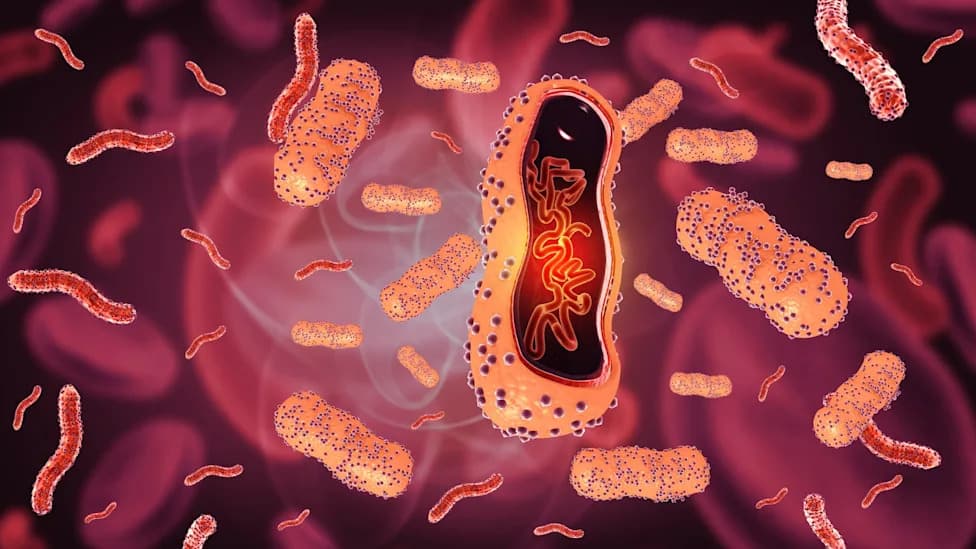
Photo Credit: iStock
A fatal kidney transplant in Michigan has exposed a critical surveillance gap in U.S. medicine: a new CDC-linked analysis suggests that more than 90% of human rabies infections in the United States are never diagnosed.
What Happened
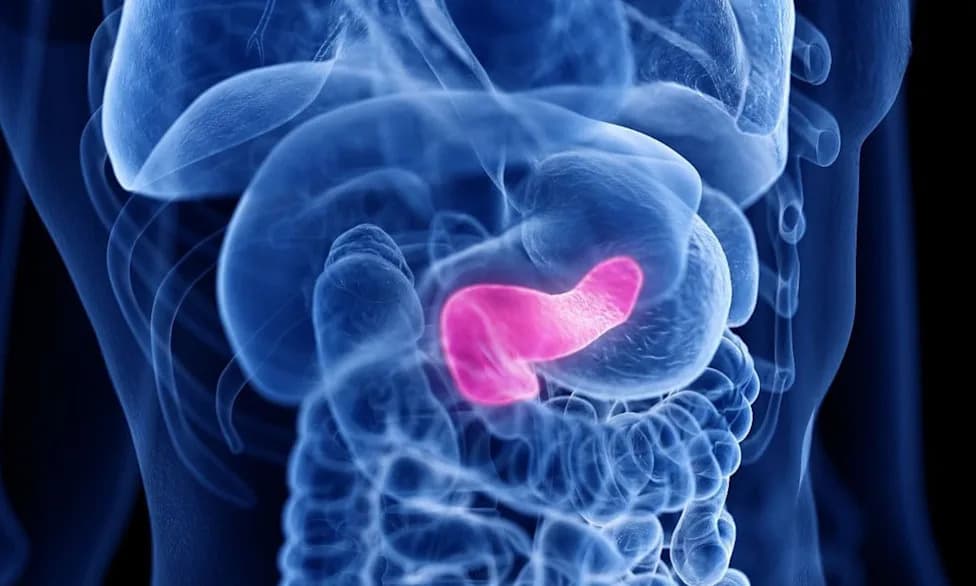
Investigators traced the Michigan death to a transplanted kidney that carried rabies virus from a donor who died in Idaho. Only after the recipient became ill did clinicians learn that the donor had reportedly been scratched by a skunk on his rural property — a detail that was not known at the time organs were recovered. This is the fourth documented case of rabies transmission via organ transplantation in the U.S.
Why Many Cases Go Undetected
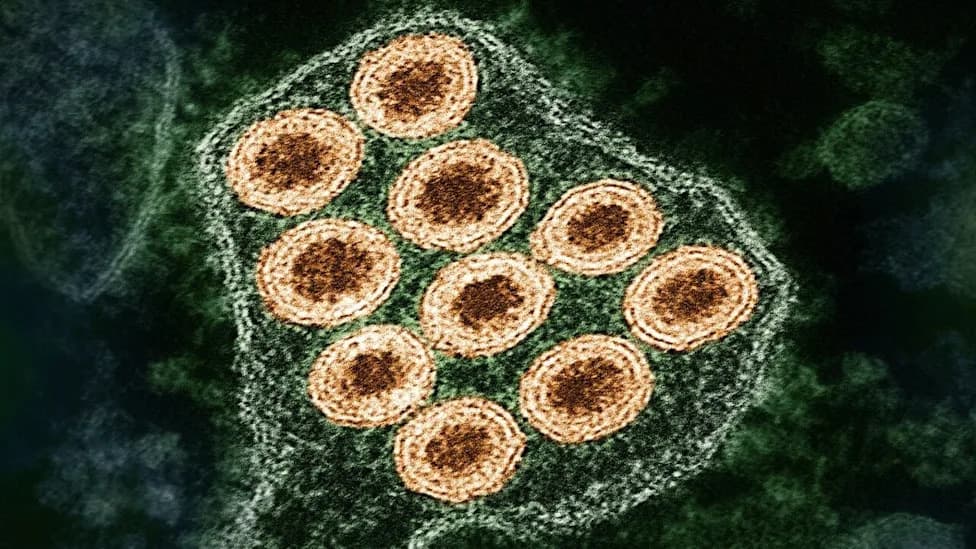
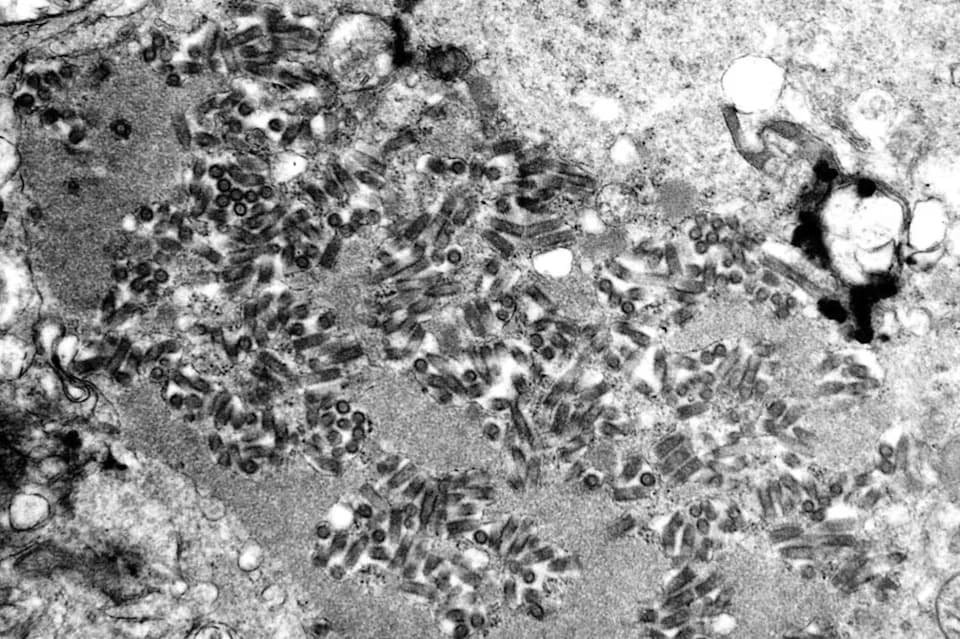
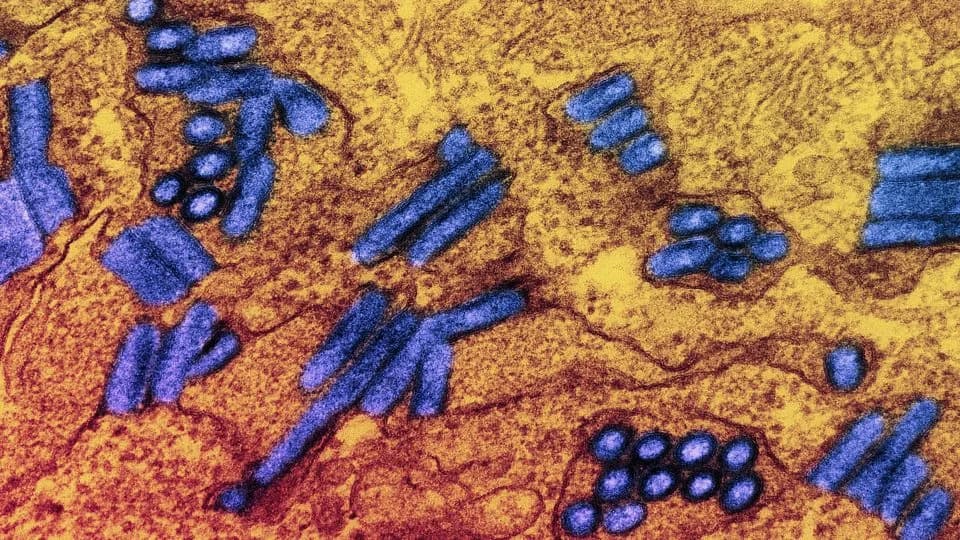
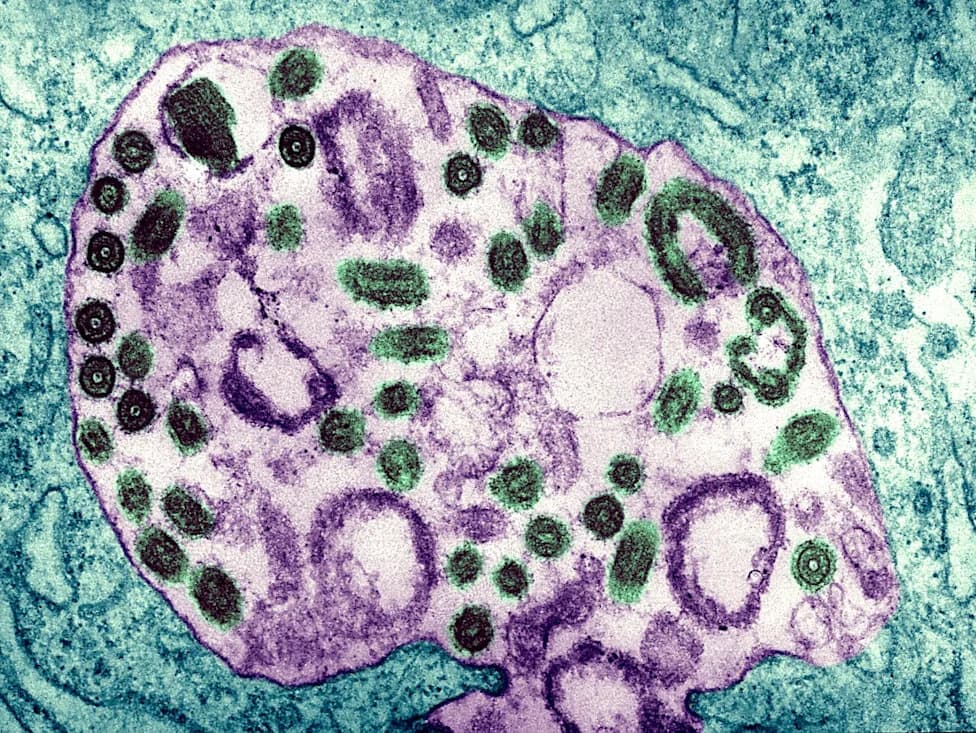
Rabies is most commonly transmitted through bites or scratches from infected animals, and it is almost uniformly fatal once symptoms begin. Because human rabies is extremely rare in the United States, clinicians may not suspect it early, particularly when exposure histories are atypical or incomplete. Missed or delayed diagnoses reduce opportunities for life-saving post-exposure prophylaxis and complicate the public health response.
"Instances of rabies transmission from initially undiagnosed deceased donors suggest many human deaths due to rabies are not diagnosed as such," researchers wrote, noting that only a small percentage of people who die in the U.S. become organ and tissue donors.
Public Health Response and Recommendations
Public health investigators reconstruct animal exposures, medical histories and transplant timelines to identify where warning signs were missed and how detection could be improved. The priority is not to discourage organ donation — which saves many lives — but to strengthen donor screening, improve clinician awareness of rare infections, and refine diagnostic processes in transplant settings.
How Individuals Can Protect Themselves
The best protections remain prevention and rapid action after potential exposures: avoid handling wild animals, keep pets vaccinated, and seek medical attention immediately after any bite or scratch from an unfamiliar or potentially infected animal. Even seemingly minor exposures should be reported — sometimes a single detail changes a diagnosis and enables timely intervention.
Bottom line: The Michigan transplant case highlights an urgent need to improve detection and reporting of rare infections like rabies, especially in the context of organ donation and transplantation.
Help us improve.