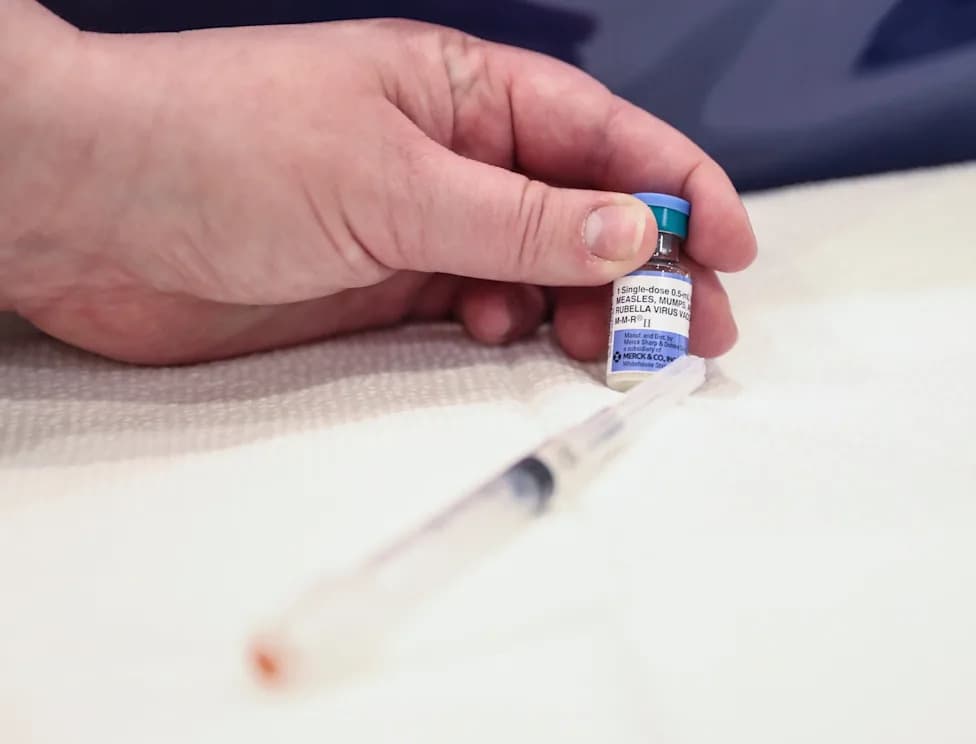
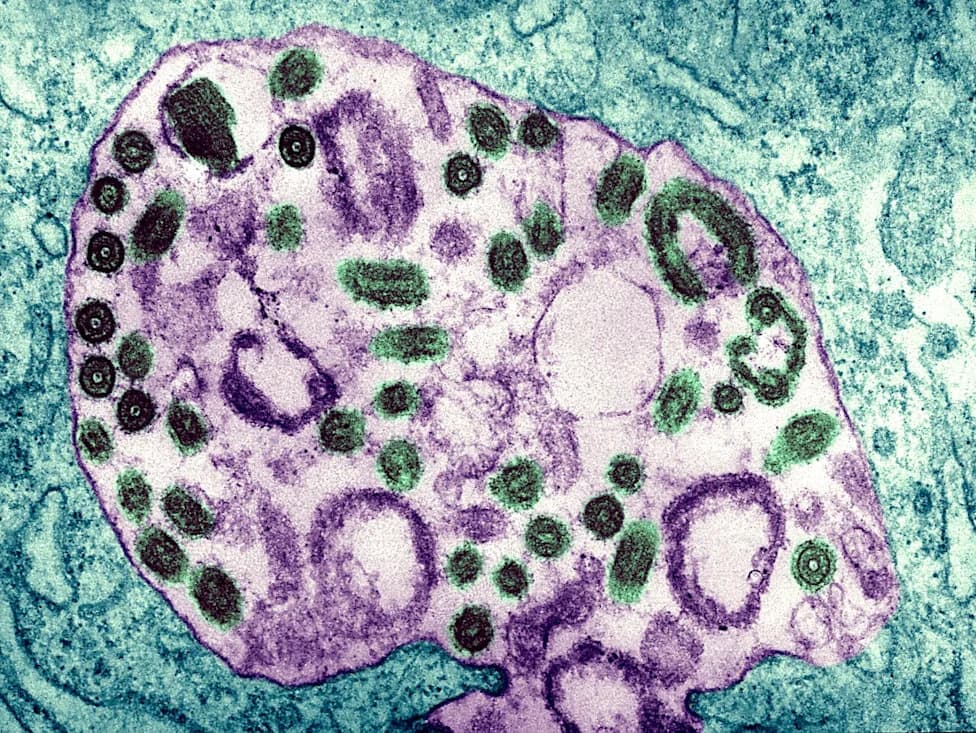
The CDC issued a Health Advisory on Sept. 10, 2026, after a rise in human rabies exposure reports, driven by a spike in July and higher inquiry volumes through August. Rabies-related inquiries rose 17% year-over-year, and administrations of rabies vaccine and immunoglobulin increased by 33% and 76%, respectively, compared with 2025. Officials highlighted unusual exposures — including a petting-zoo goat and a rabid groundhog — and urged prompt wound washing and medical evaluation, since rabies is nearly always fatal once symptoms appear.
CDC Issues Health Advisory After Spike In Human Rabies Exposures — Unusual Animal Cases Reported
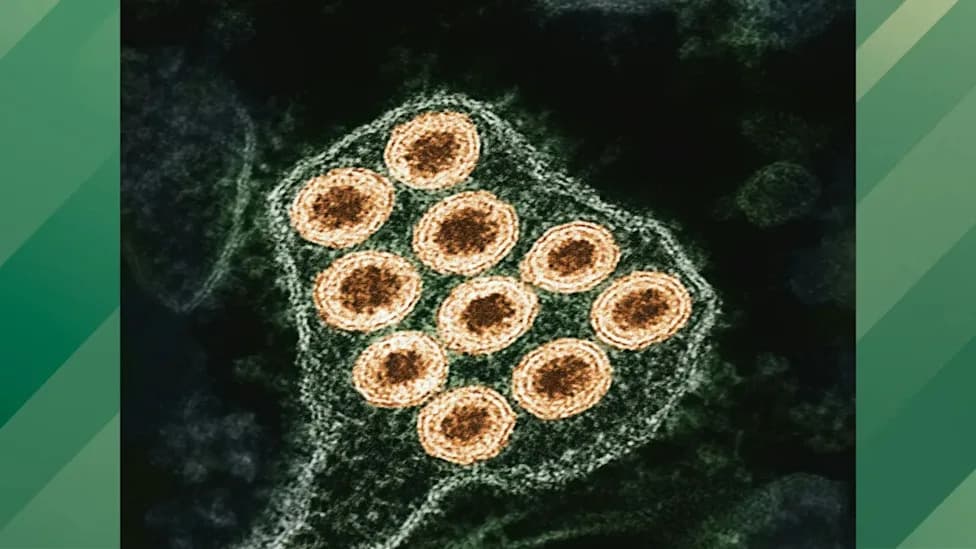
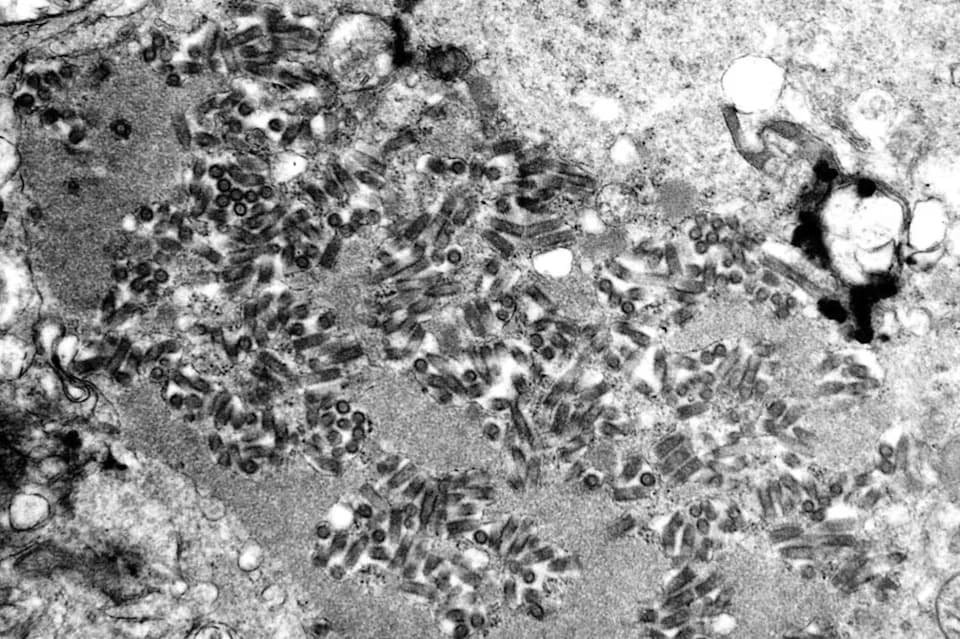
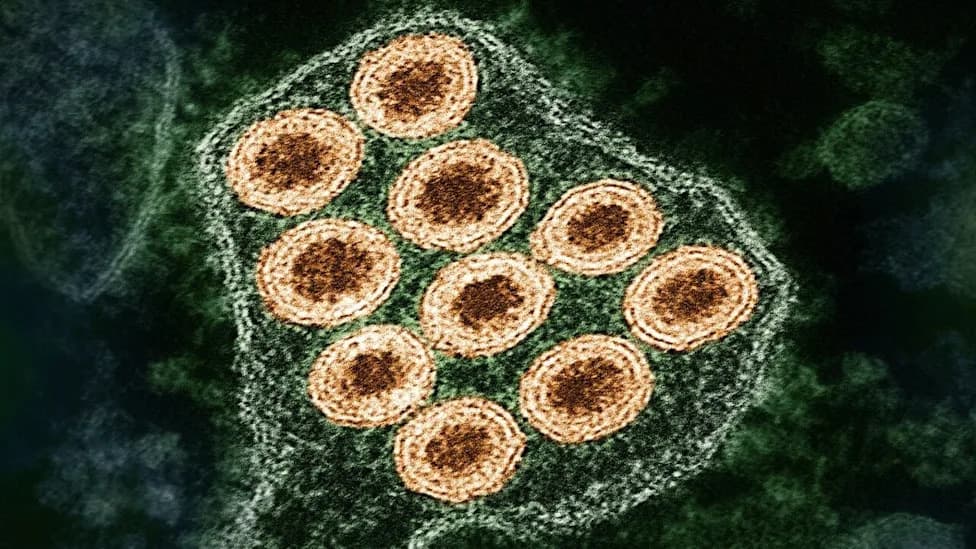
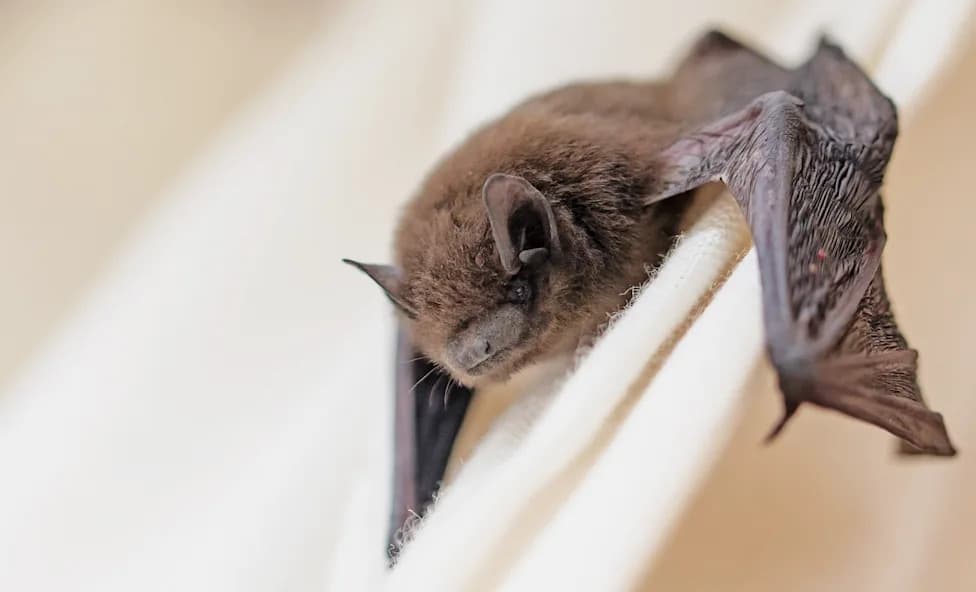
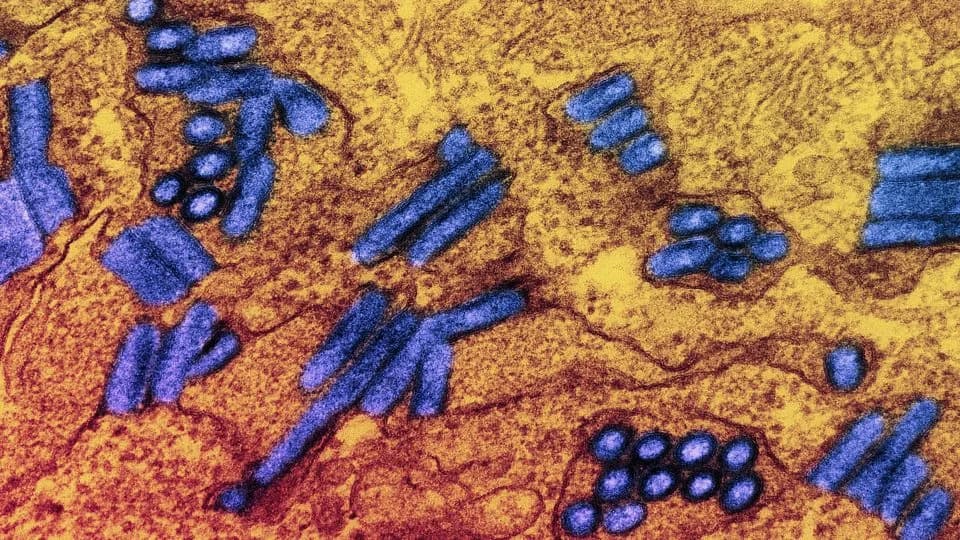
Image Credit: Stock Photo, National Institute of Allergy and Infectious Diseases / Unsplash.
The U.S. Centers for Disease Control and Prevention (CDC) issued a Health Advisory on Sept. 10, 2026, warning of an increase in reported human rabies exposures. The advisory, distributed through the CDC's Health Alert Network (HAN), was prompted by a notable rise in reports during July 2026 and sustained increases into August.
What the Advisory Says
The CDC reported that rabies-related inquiries rose by 17 percent in July and August compared with the same period a year earlier. Officials are particularly concerned because several exposures involved animal species not typically associated with rabies, and because a number of recent incidents received widespread attention.
Key Statistics
- About 1.4 million people seek medical attention annually in the U.S. after a possible rabies exposure.
- Roughly 100,000 people receive post-exposure prophylaxis (PEP) in a typical year.
- As of these dates in 2026, rabies vaccine administrations were up 33% and rabies immunoglobulin (RIG) treatments were up 76% compared with the same dates in 2025.
Recent Notable Incidents
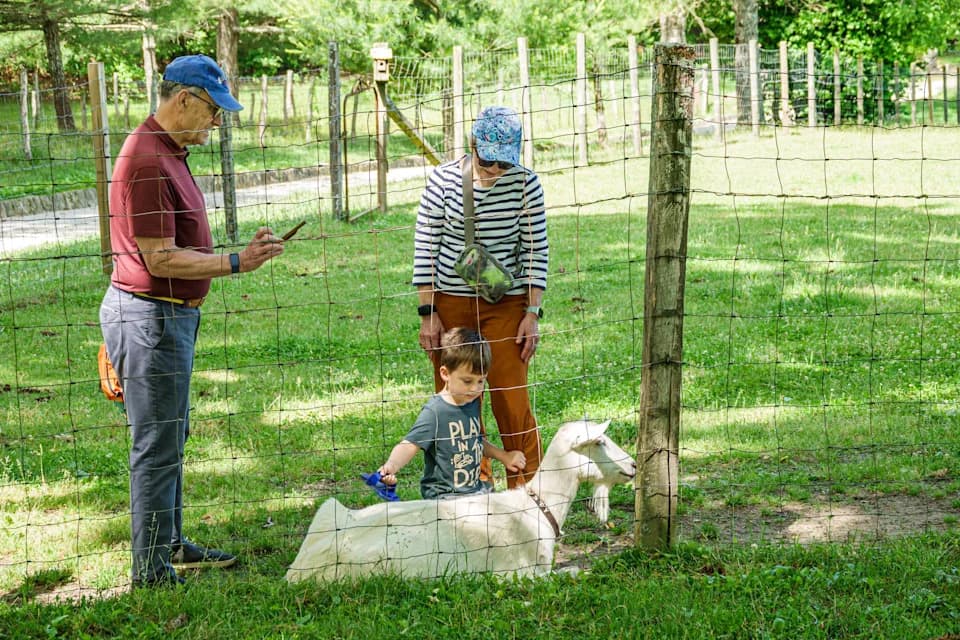
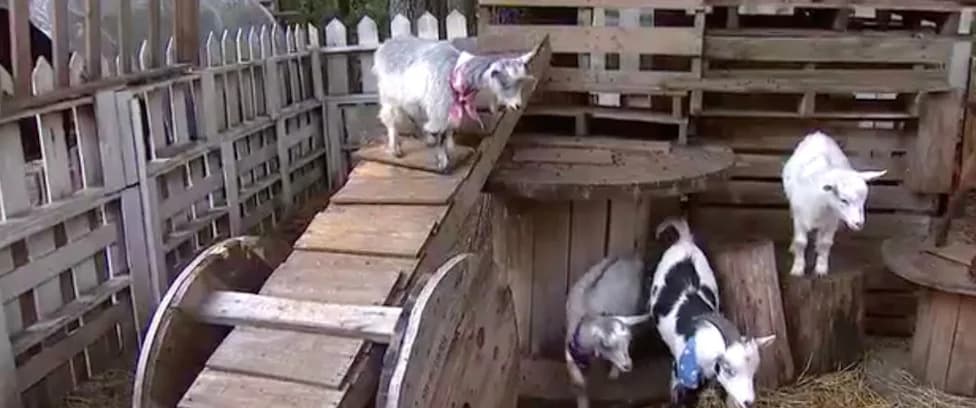
News outlets have reported several high-profile events that illustrate the advisory's concerns. For example, a family that rented a petting zoo discovered afterward that at least one goat tested positive for rabies; the petting zoo was linked to other confirmed cases and prompted at least one attendee to seek hospital care for PEP. In another unusual case in Atlantic County, New Jersey, a homeowner was attacked by a rabid groundhog — a species not commonly associated with rabies in many regions.
Public Health Concerns
The HAN notice also called on state and local health agencies to review post-exposure protocols after reporting an increase in errors in how some exposures were managed. Proper assessment and timely delivery of PEP — including vaccine and, when indicated, immunoglobulin — are critical to preventing rabies after a possible exposure.
Prevention and What To Do If Exposed
- Avoid contact with wild animals and unfamiliar domestic animals. Be especially cautious around animals that appear erratic or display unusual behavior.
- If bitten or scratched, immediately wash the wound thoroughly with soap and warm water for at least 15 minutes.
- After cleaning the wound, seek medical attention promptly so clinicians can assess the need for PEP (rabies vaccine and possibly RIG).
- Keep pets vaccinated and report suspicious animal behavior to local animal control or public health authorities.
Important: There is no cure for rabies once clinical symptoms develop. The disease is nearly 100% fatal after symptom onset, which makes prompt, correct post-exposure treatment essential.
The CDC emphasizes that while the overall risk to the general public remains low, the recent increases and atypical exposures are reminders to stay cautious and follow public-health guidance after any potential contact with a rabid or unusual animal.
Help us improve.