A Durham family who hired Farm Adventures Mobile Petting Zoo for an August 16 gathering was later told some baby goats tested positive for rabies. Health officials say anyone who had contact with the goats between July 28 and August 27 should contact their local health department for risk assessment. Postexposure prophylaxis typically consists of HRIG plus rabies vaccine on days 0, 3, 7 and 14 and is effective if given promptly. The Durham County Department of Public Health and state health officials are investigating and contacting event attendees.
Family Petting-Zoo Party Leads to Rabies Alert — Guests Urged to Get Immediate Assessment

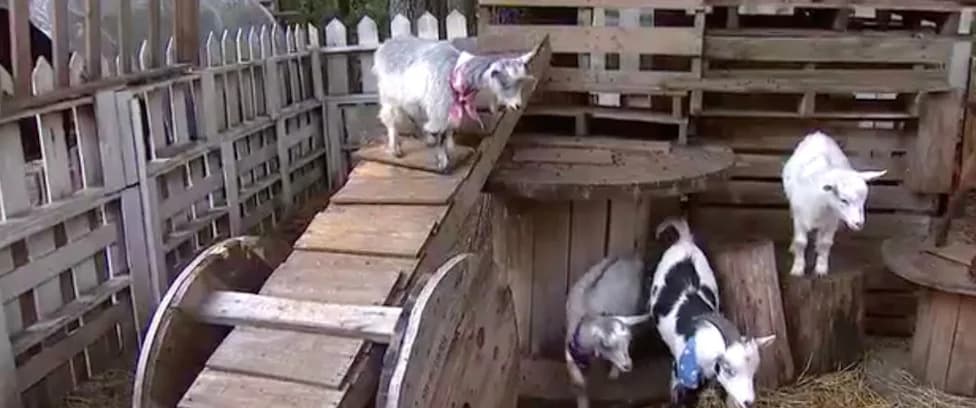
Stock image of goats a petting zoo.
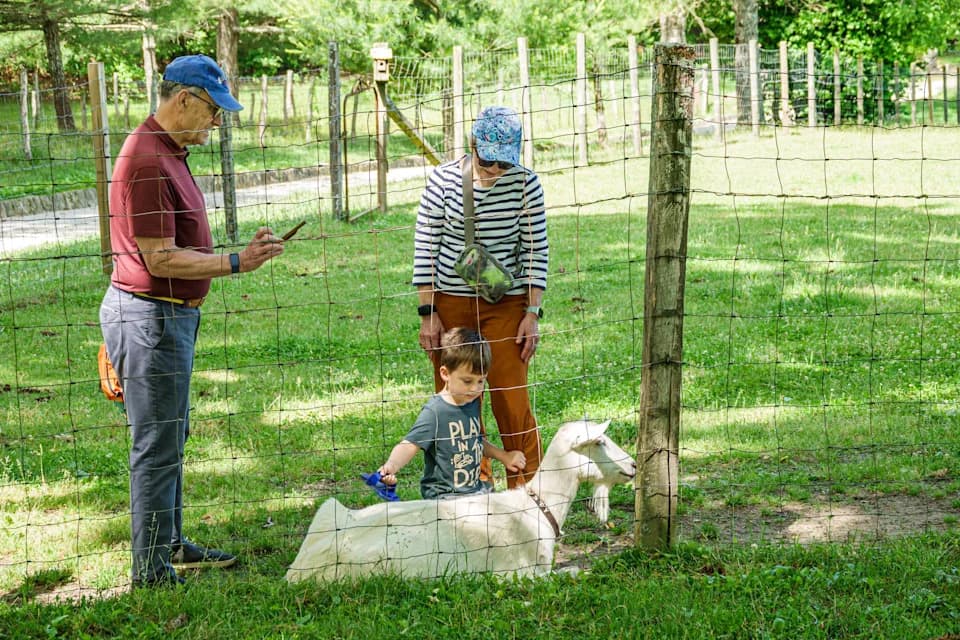
A family in Durham, North Carolina, has been warned they may have been exposed to rabies after hiring Farm Adventures Mobile Petting Zoo for a private event on August 16. More than 30 guests, including children, had close contact with baby goats that were later linked to multiple confirmed rabies cases.
According to the petting zoo operator, one goat named Maggie began showing illness. Veterinarians examined and treated the animals over several days but were unable to determine the cause because the goats did not show the typical signs of rabies. When one animal's condition worsened, it was euthanized and tested; laboratory results confirmed rabies.
Farm Adventures spokesperson: "My animals are my priority. I am deeply saddened by this situation and would never have brought the baby goats to an event had I known there was any risk. We followed veterinary guidance as symptoms appeared."
The Durham County Department of Public Health (DCoDPH), working with the North Carolina Department of Health and Human Services, is investigating potential exposures. Officials say anyone who had contact with the baby goats between July 28 and August 27 — either at the farm's primary location in Harmony or at mobile events in other counties — should contact their local health department immediately for a risk assessment.
What Attendees Should Do Now
If you or someone in your household had direct contact with the goats (petting, feeding, or being licked) during the specified period, seek medical advice right away. Health professionals will perform a risk assessment and may recommend postexposure prophylaxis (PEP). PEP typically includes a dose of human rabies immune globulin (HRIG) and rabies vaccine on the first visit, followed by vaccinations on days 3, 7, and 14 after the initial dose.
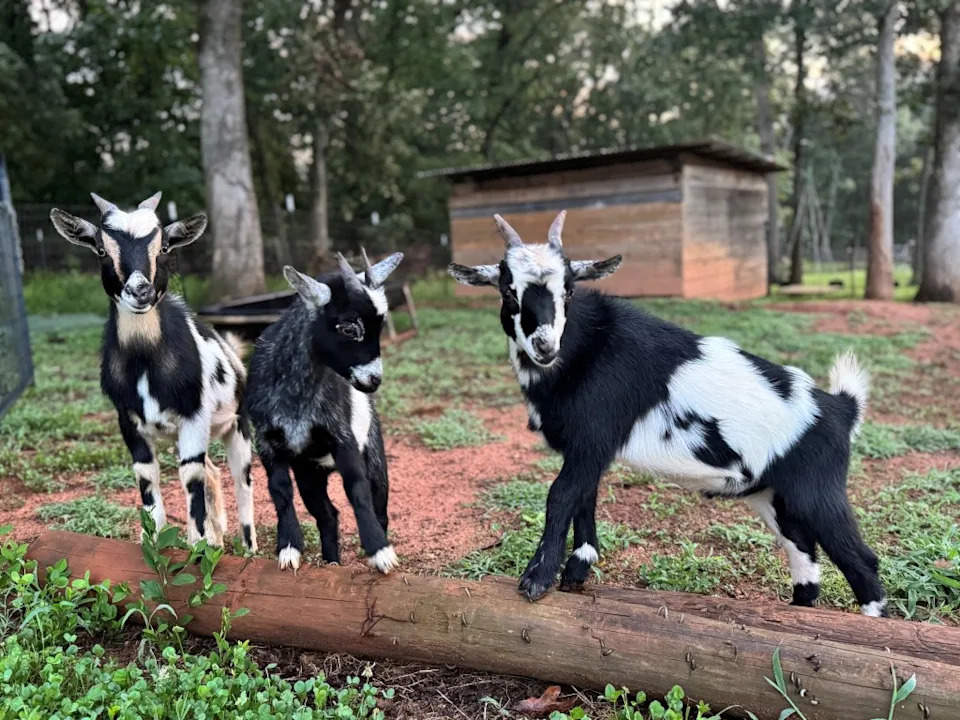
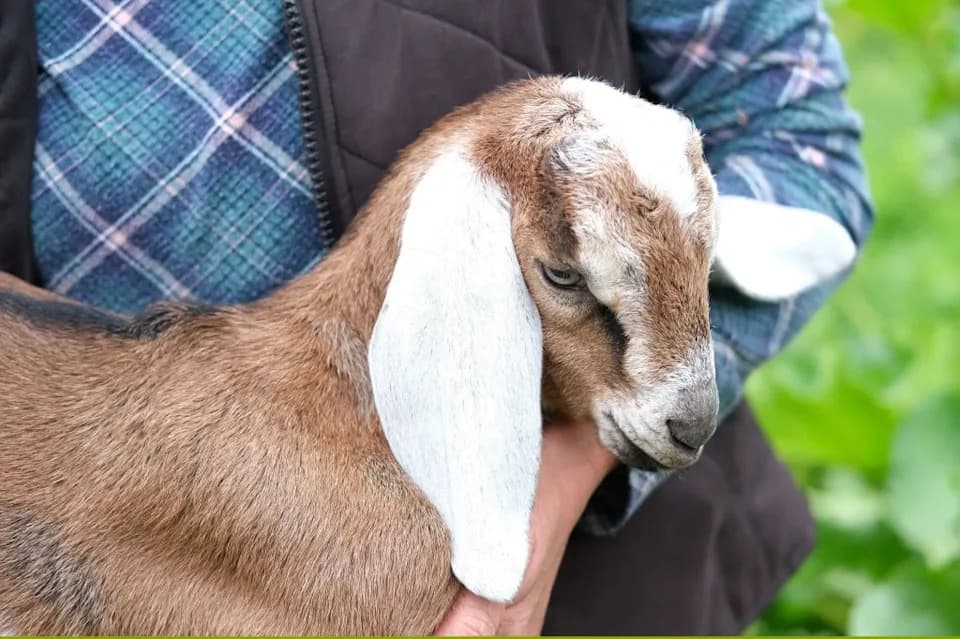
Stock image of young goats.
About Rabies
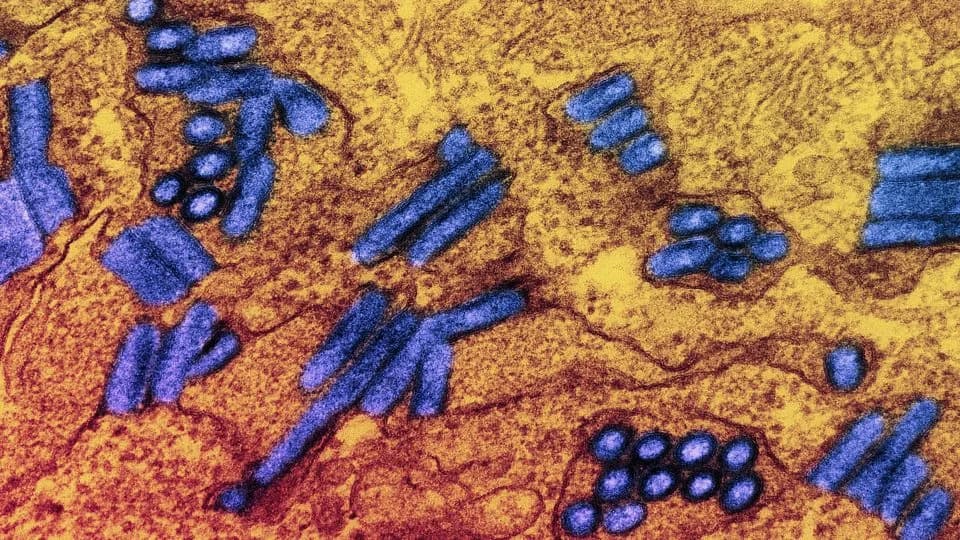
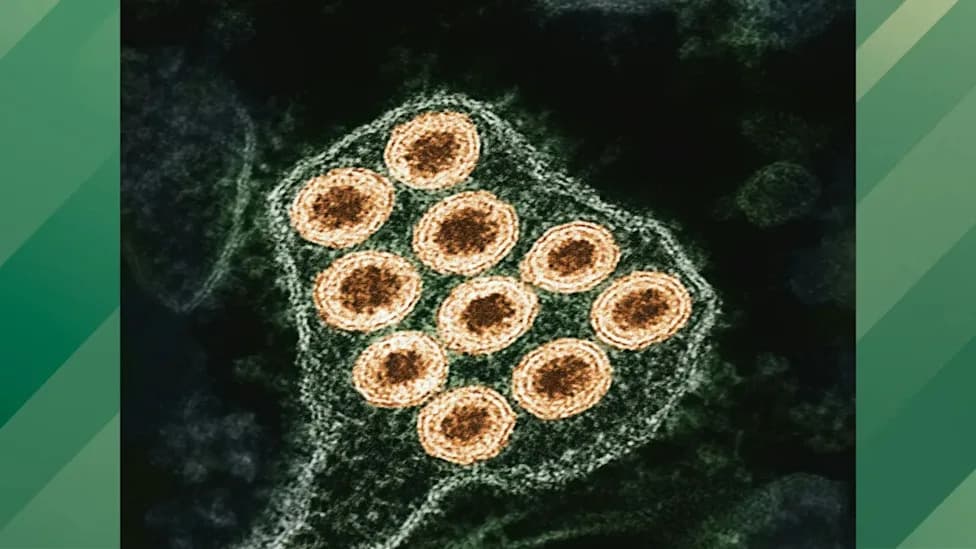
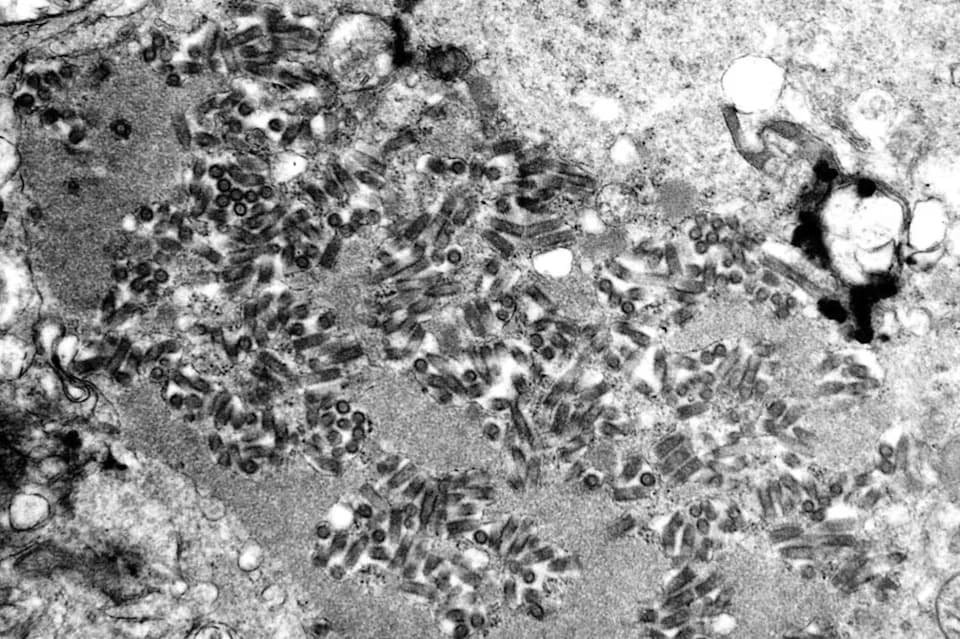
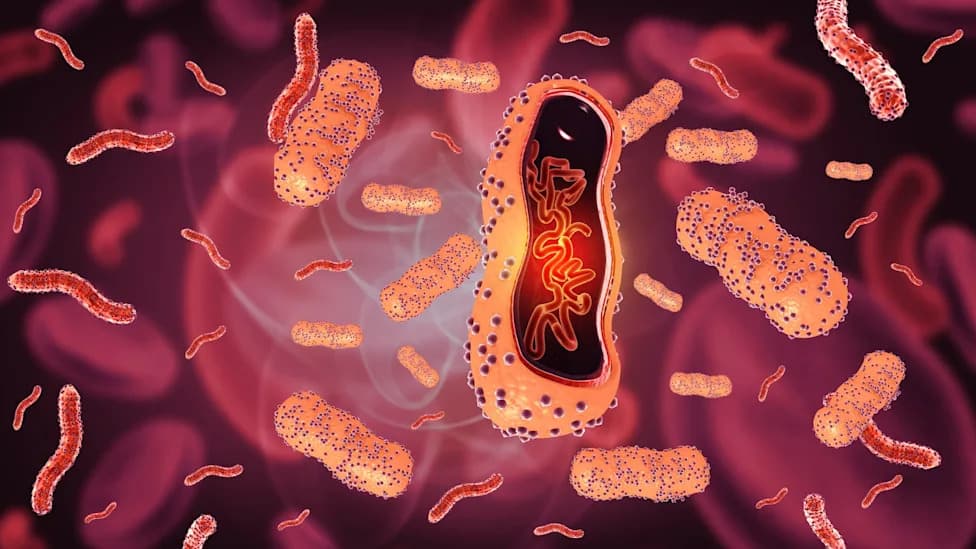
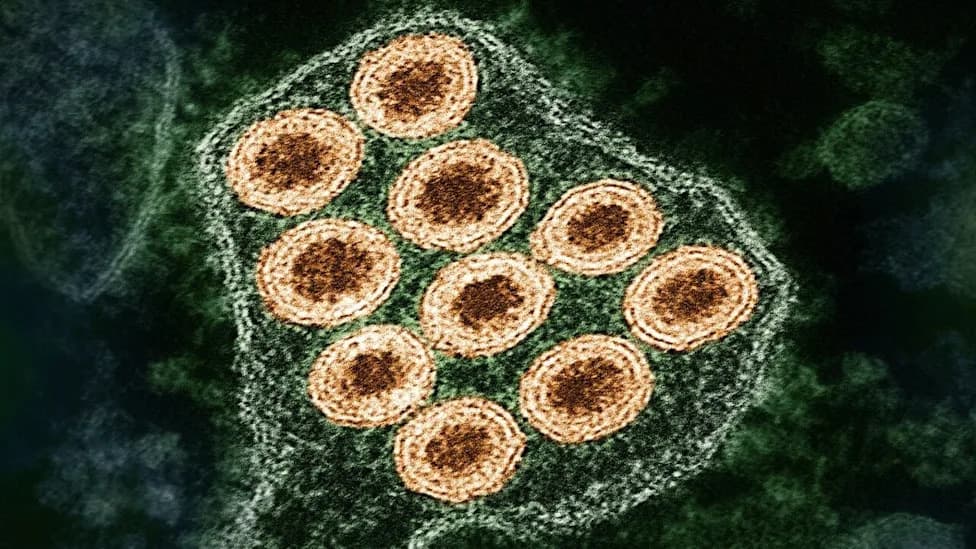
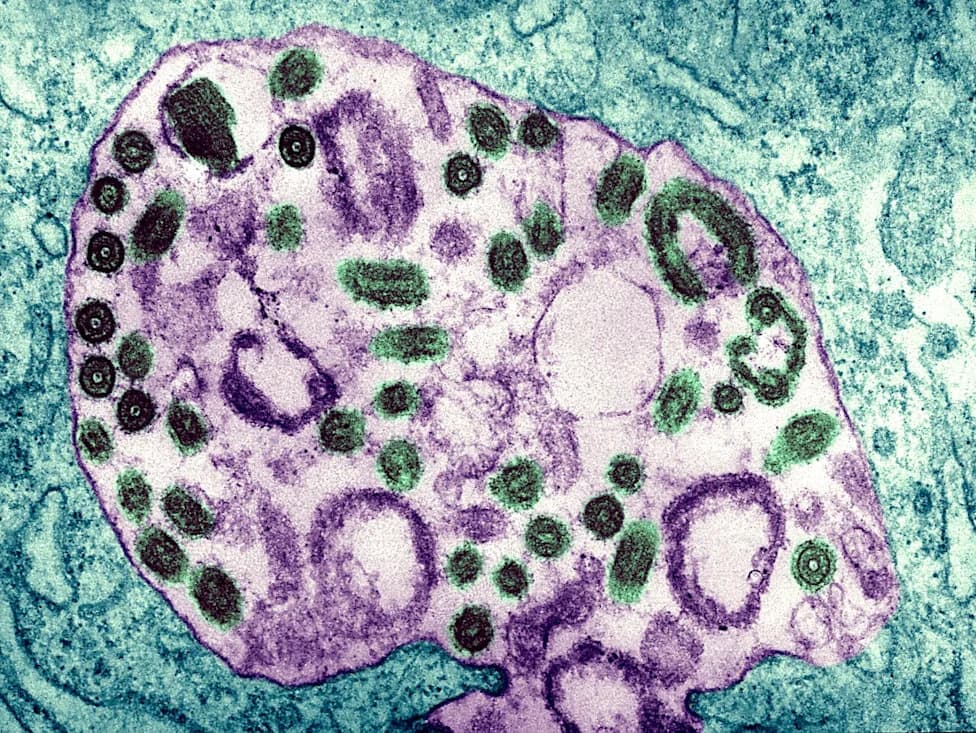
Rabies is a viral disease usually spread through the saliva of an infected mammal, most commonly via bites. Once clinical symptoms appear, rabies is almost always fatal. Early assessment and timely PEP are highly effective at preventing disease after a suspected exposure.
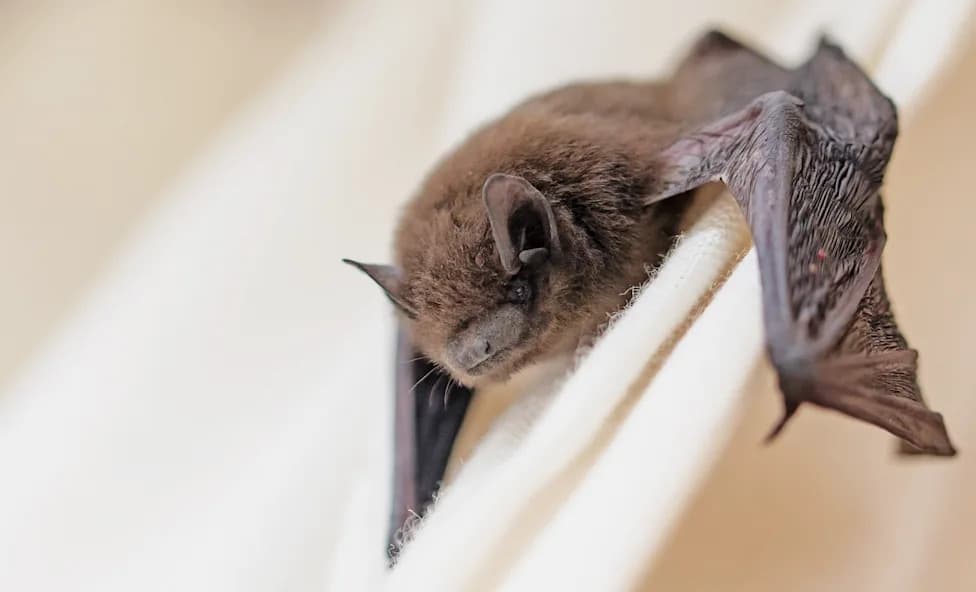
- Common Signs in Animals: Acute behavior change, unexplained paralysis, sudden aggression or unusual tameness, loss of appetite, or solitude-seeking. Some animals may show little or no clear signs before sudden death.
- Human Symptoms: Fever, headache, anxiety, agitation, difficulty swallowing, hypersalivation, progressing to hallucinations, paralysis and death if untreated.
Villatoro, 23, who hosted the August 16 gathering, said guests and children were handling and feeding the goats throughout the event and only learned about the confirmed cases after a friend shared a news link two weeks later. She reported the incident to urgent care and was advised to seek emergency evaluation rather than wait for the health department, which later contacted her to collect attendee information.
Tatiana Villatoro: "I never imagined something like this could happen. Before this experience I didn't know much about rabies or how serious a potential exposure could be."
The DCoDPH has stated that, at this time, only the baby goats are known to be affected in this investigation and that they are contacting event hosts and attendees directly. If you believe you were exposed and have not yet been contacted, call your local health department or seek emergency medical care immediately.
Contact information and further updates are available through the Durham County Department of Public Health and the North Carolina Department of Health and Human Services.
Help us improve.