Kash Patel's Senate appearance aimed to play the role of the administration's attack dog but instead drew intense criticism after he defended an FBI policy change related to applicants who admitted to sex with animals, saying the ban could punish victims. Cameras also caught him holding a list of counteraccusations — a classic whataboutism tactic intended to deflect scrutiny. Observers say the episode illustrates how diversionary politics and weak leadership can erode public trust in institutions like the FBI.
Kash Patel's 'Attack Dog' Routine Backfires After Bestiality Remarks and Whataboutism
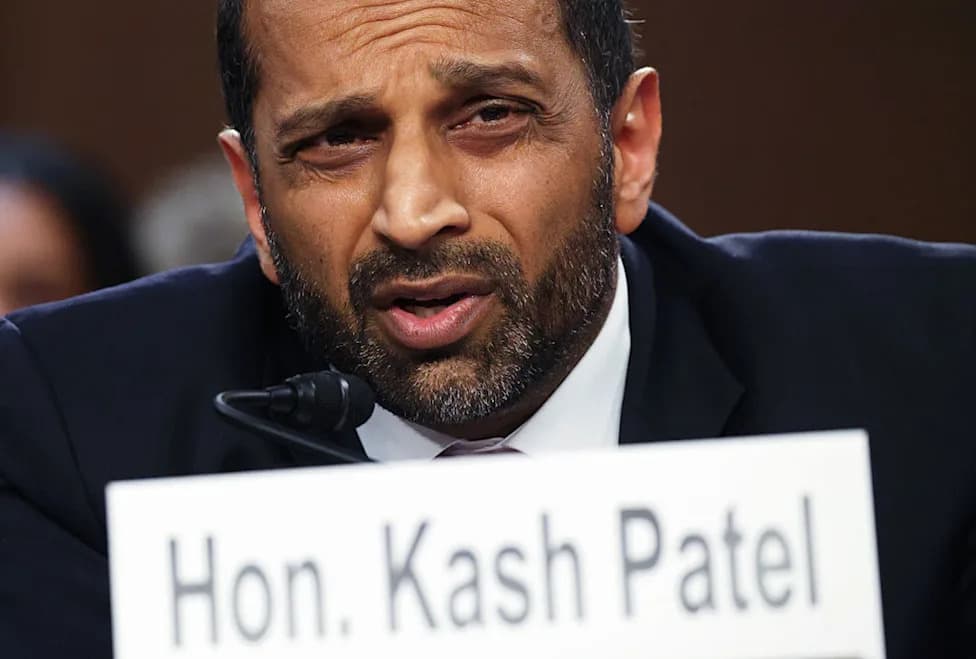
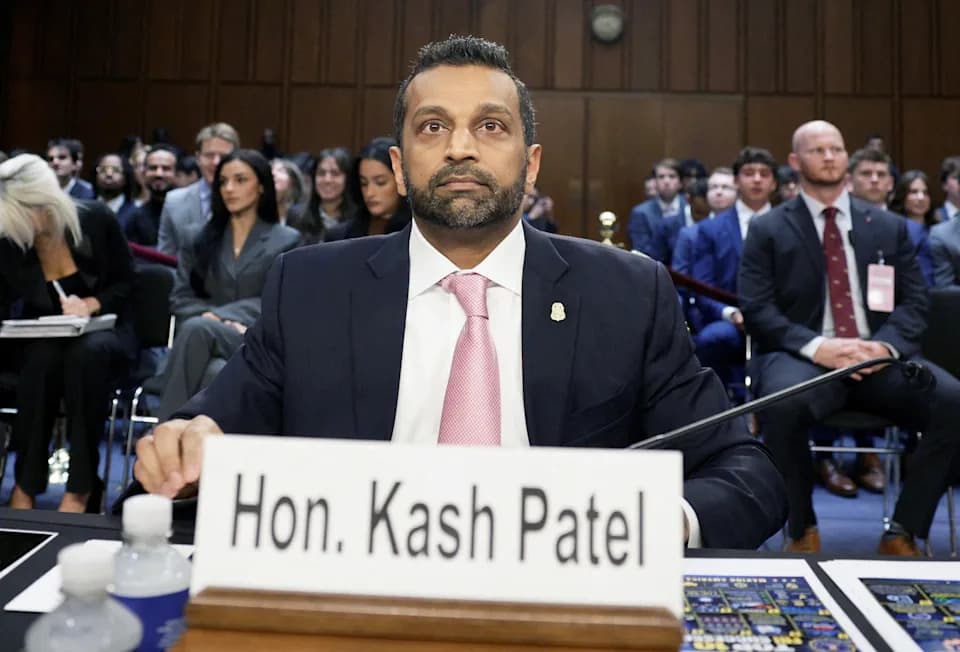
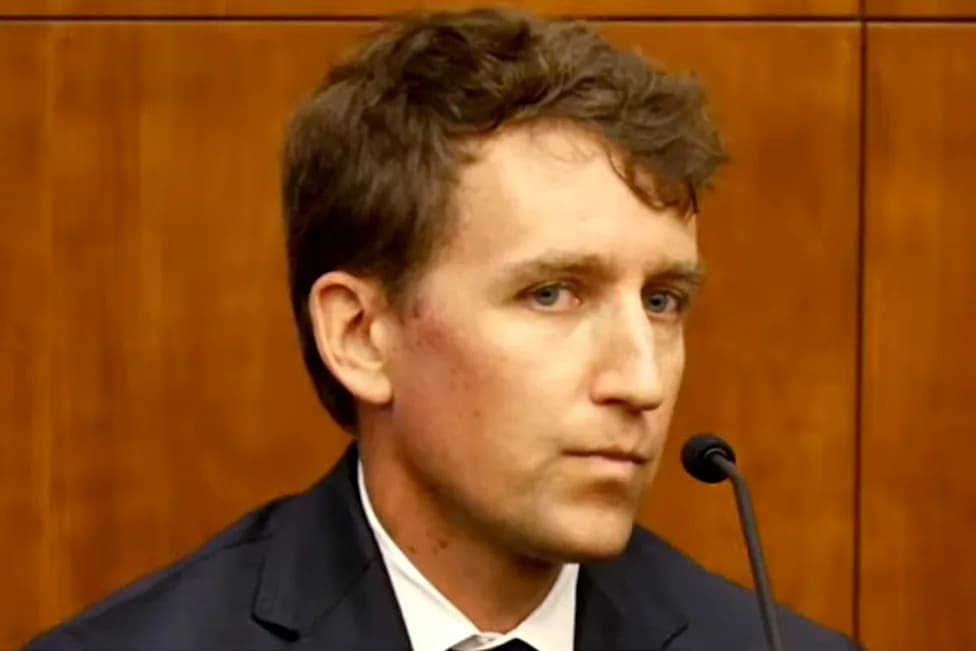
FBI Director Kash Patel testifies during a Senate Judiciary Committee hearing on Sept. 15, 2026. Win McNamee/Getty Images
Kash Patel's attempt to cast himself as the White House's chief 'attack dog' unraveled during a Senate Judiciary Committee hearing, when an exchange about the FBI's hiring rules turned into a viral controversy and underscored broader concerns about leadership and political distraction tactics.
The Hearing That Went Sideways
During questioning, Sen. Dick Durbin (D-Ill.) asked why the FBI had removed a hiring ban on applicants who admitted to engaging in sex with animals. Patel replied, “We did not want to punish victims of bestiality,” a line that quickly ricocheted across social media because it inverted the widely accepted understanding that humans are the perpetrators in such crimes. Patel later said the policy change was intended to protect possible sex-trafficking victims who may have been coerced into such acts, but his explanation failed to satisfy many senators.
“Why would you even get into bestiality?” asked Sen. John Kennedy (R-La.). Patel responded, “We are not into bestiality.”
Once an official is reduced to insisting he is not personally “into” a topic, the exchange signals a loss of control over the narrative. The comments also came amid ongoing concerns about the FBI's ability to recruit and retain staff, and critics say the real problem is managerial: sweeping aside hiring standards is a stopgap that does not address deeper leadership or organizational failures.
Whataboutism on Camera
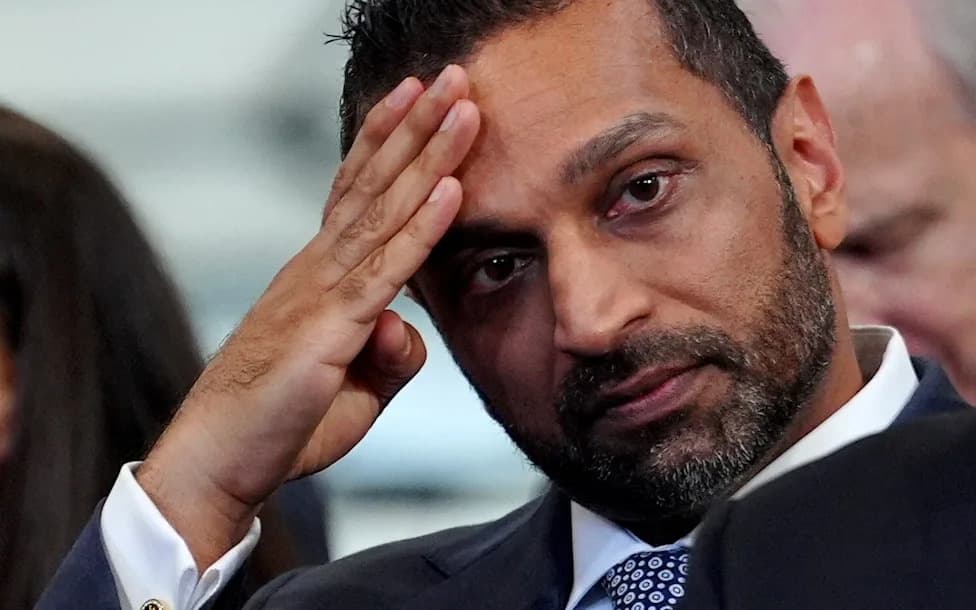
Compounding the situation, photographers captured Patel entering the hearing room holding a small card with a list of accusations — items like “Wife Has Lobbying Conflicts” and “Wealth Has Increased By 364% Since 1997” — angled so the text would be visible. That move appeared calculated to seed counterattacks and shift the conversation before questions began. This is a textbook example of whataboutism: responding to criticism by pointing to alleged faults of others rather than addressing the substance of the charge.
Whataboutism is a familiar tactic among partisan operatives and has precedent in other high-profile hearings. But in Patel's case, his attempt to redirect attention landed awkwardly: instead of sharply rehearsed retorts, he offered vague claims of “lies” and “fraud,” which observers said came off as defensive rather than persuasive.
Political and Institutional Consequences
Observers argue that diversionary tactics like whataboutism create political cynicism by blurring distinctions between wrongdoing and accountability. When the public accepts a narrative that “everyone does it,” it lowers the bar for ethical behavior and makes it harder to enforce standards for public officials. Commentators tied this dynamic to broader political outcomes, including the 2024 election, where persistent distraction and scandal coverage shifted voter focus away from questions of competence and corruption.
More concretely, the controversy raises questions about public safety and trust. If hiring standards are relaxed to address staffing shortages without transparent justification, citizens may reasonably worry that the agency responsible for investigating violent and sexual crimes is less capable than it once was.
Why This Matters
Patel's appearance exposed two interrelated problems: a reliance on diversionary political tactics to avoid direct accountability and apparent managerial shortcomings that affect the FBI's functioning. The viral nature of the bestiality exchange amplified public scrutiny, but the deeper concern is institutional: weakening professional standards and leadership within a critical law-enforcement agency has tangible consequences for public safety and confidence.
Whether the fallout from this hearing produces policy changes, personnel shifts, or legislative scrutiny remains to be seen. What is clearer is that political theatrics can backfire when they expose substantive vulnerabilities at the institutions they are meant to defend.
Help us improve.