Quick take: After a nearly five‑hour Senate Judiciary Committee hearing about the Epstein files and potential polling‑place interventions, FBI Director Kash Patel used third‑person language on Fox News—an affect associated with Donald Trump. Experts say illeism can create emotional distance in private self‑talk but often reads as forced and self‑aggrandizing when used publicly. Patel’s imitation may signal loyalty, but it also risks drawing negative attention and fueling perceptions of ambition.
Kash Patel Echoes Trump's Third‑Person Rhetoric After Grueling Senate Hearing

President Trump has made the third person part of his self-aggrandizing political persona, but not everyone has the ego to pull it off. Kevin Dietsch via Getty Images
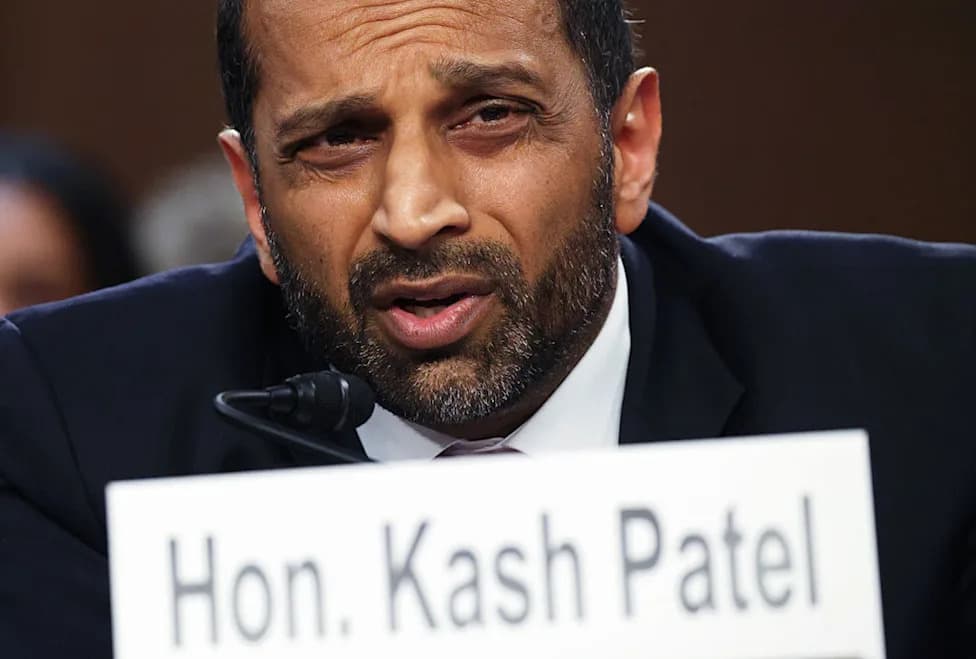
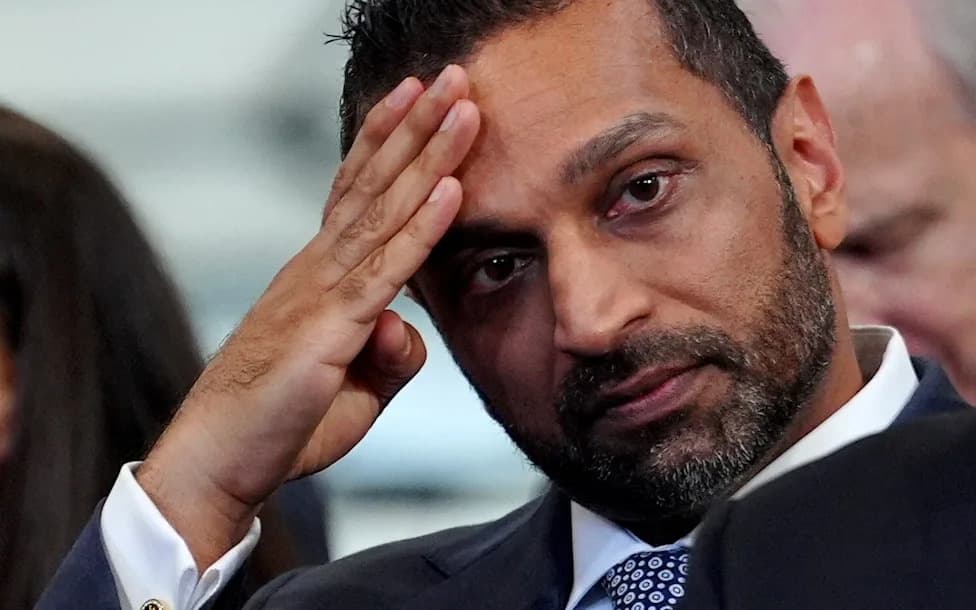
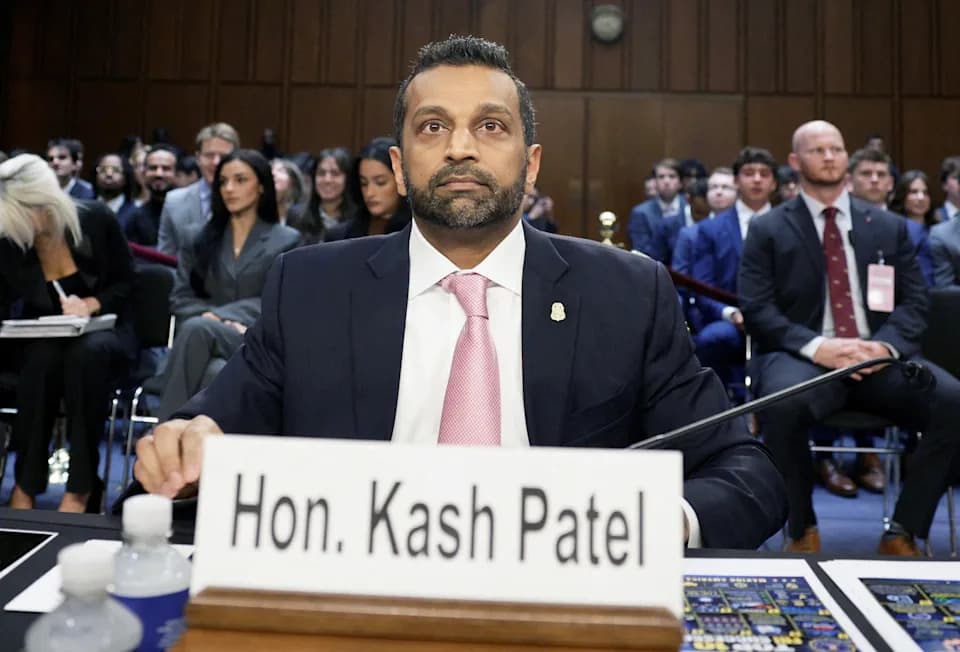
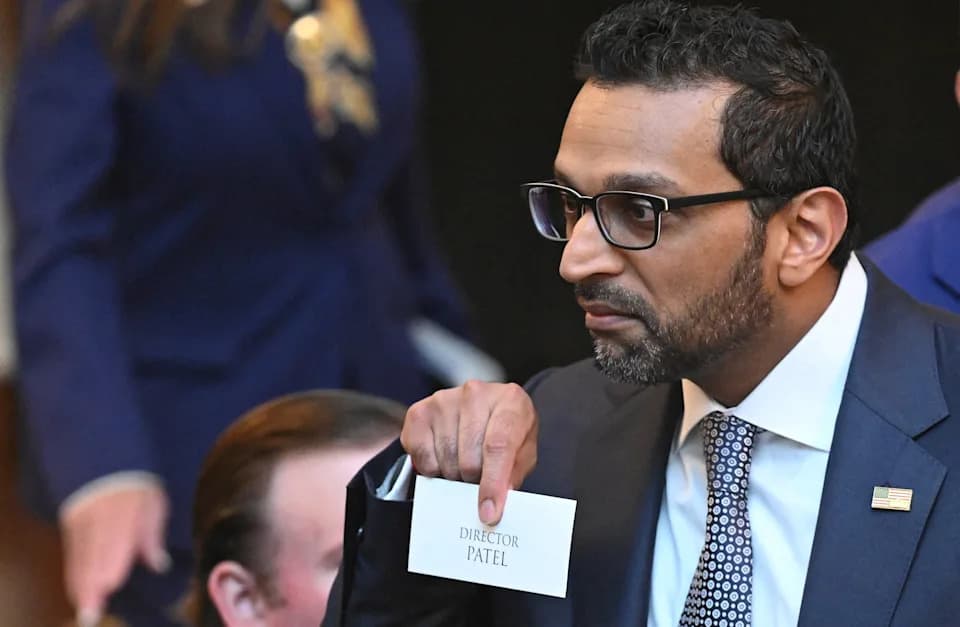
FBI Director Kash Patel adopted a trademark of former President Donald J. Trump on Fox News after a nearly five‑hour Senate Judiciary Committee appearance: he referred to himself in the third person. The post‑hearing interview with Sean Hannity followed intense questioning about the Epstein files and whether Patel would rule out sending federal agents to polling places during the November midterms.
During the hearing, Democratic Sen. Peter Welch of Vermont pressed Patel to promise he would not interfere with voting; Patel responded, "I pledge unequivocally that I will not participate in your charade of lies." Later, while debriefing with Hannity, Patel said, "President Trump, Director Kash Patel, and his team have delivered what [Democrats] never could. And the fact that we delivered it is ticking them off more than anything they could possibly think of."
Why the Third‑Person Matter
Referring to oneself in the third person—known in academic circles as illeism—is a rhetorical device often associated with Trump. He has frequently used it to amplify his persona and frame his opinions as if they were objective facts. Media outlets have compiled numerous examples of Trump’s third‑person self‑references going back years.
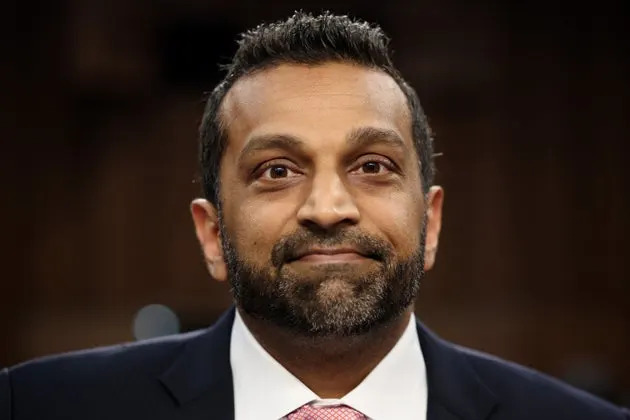
"When Patel mimics Trump's speech patterns or media strategies, he draws more attention to himself and not in a good way, especially for his relationship with Trump," said Mark Brockway, a teaching professor of political science at Syracuse University in New York. Win McNamee via Getty Images
What Experts Say
Communication and political scholars say illeism can function two ways: it may create emotional distance and confidence when used privately, but when deployed publicly it risks sounding forced or self‑aggrandizing. Jeff McCall, a communications professor at DePauw University, said Patel's attempt "comes off as forced and contrived." Psychologist Chris Stevens has argued that Trump uses third‑person talk as a rhetorical trick to convey facticity, while Mark Brockway of Syracuse University suggested the device can let a speaker distance himself from unpopular decisions.
"When Patel mimics Trump's speech patterns or media strategies, he draws more attention to himself and not in a good way, especially for his relationship with Trump," Brockway told HuffPost.
Context And Consequences
Patel’s history with Trump is well documented: he held senior national security roles in Trump’s first administration, authored children’s books framing "King Trump" as besieged by a "deep state," and publicly defended Trump during the Justice Department’s classified‑documents investigation. Trump rewarded Patel in 2025 with a nomination to lead the FBI, though the president reportedly quipped Patel "is no J. Edgar Hoover," according to The New York Times.
Experts warn that while subordinates often mirror a leader’s speech to show loyalty or reduce social distance—a phenomenon described by Communication Accommodation Theory—imitating a leader’s most idiosyncratic rhetorical moves can backfire. In Patel’s case, illeism may be read as awkward self‑promotion or a sign of political ambition, which could complicate his standing with Trump and with the public.
Bottom Line
Patel likely intended the third‑person turn to project confidence after a tense hearing. But observers say it instead risked sounding contrived and self‑aggrandizing—an echo of a style that works for Trump but rarely translates well for others.
Help us improve.