South Korea Says US‑North Korea Talks Possible, Rules Out Hormuz Troops: President Lee Jae Myung confirmed that US President Donald Trump wants to resume dialogue with Pyongyang and that Seoul is coordinating to help facilitate talks. Lee firmly ruled out sending troops to the Strait of Hormuz, pledging only minimal measures to protect merchant shipping. Seoul estimates North Korea has about 80–120 warheads, while Trump cited 57; Pyongyang gave no clear reply. A Seoul court ordered North Korea to pay roughly $32.5 million for destroying the Inter‑Korean Liaison Office in 2020.
Seoul Says US-North Korea Talks Possible; Rules Out Troop Deployment To Strait Of Hormuz
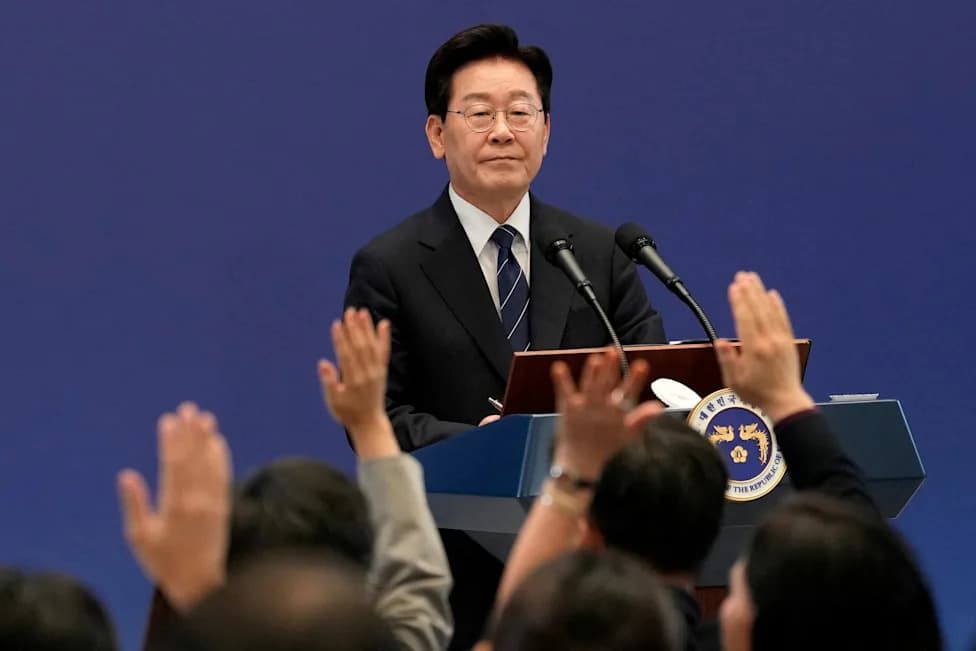
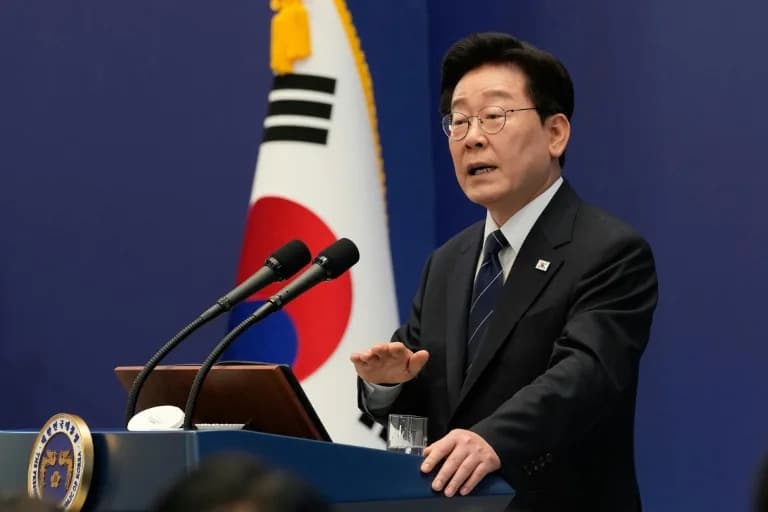
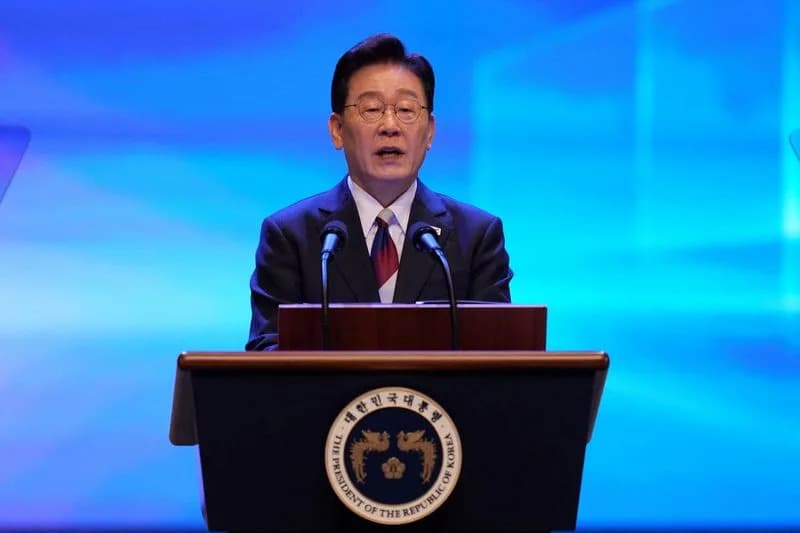
South Korean President Lee Jae Myung attends a news conference [Ahn Young-joon/Reuters]
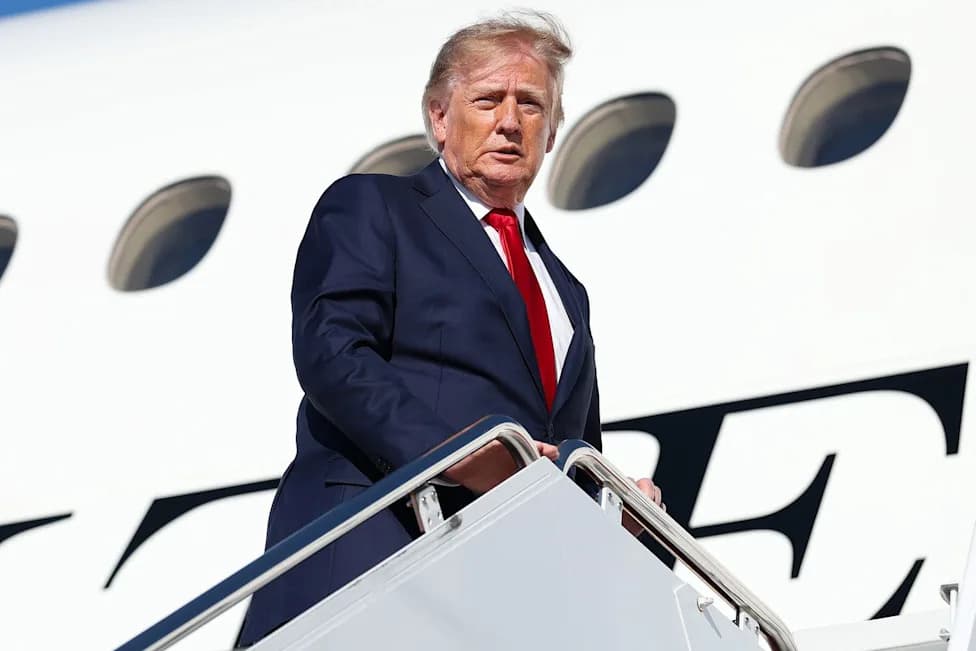
South Korean President Lee Jae Myung said on Friday that US President Donald Trump wants to reopen dialogue with Pyongyang and that Seoul will not send troops to intervene militarily in the Iran-related conflict in the Strait of Hormuz.
Talks With North Korea: Possibility, Not Certainty
"Trump clearly wants dialogue with North Korea," Lee said, adding that while such talks are uncertain, they are not impossible. Seoul is conducting "preliminary coordination efforts" to help facilitate renewed communication between Washington and Pyongyang, Lee told reporters, according to Yonhap.
Nuclear Estimates And Reactions
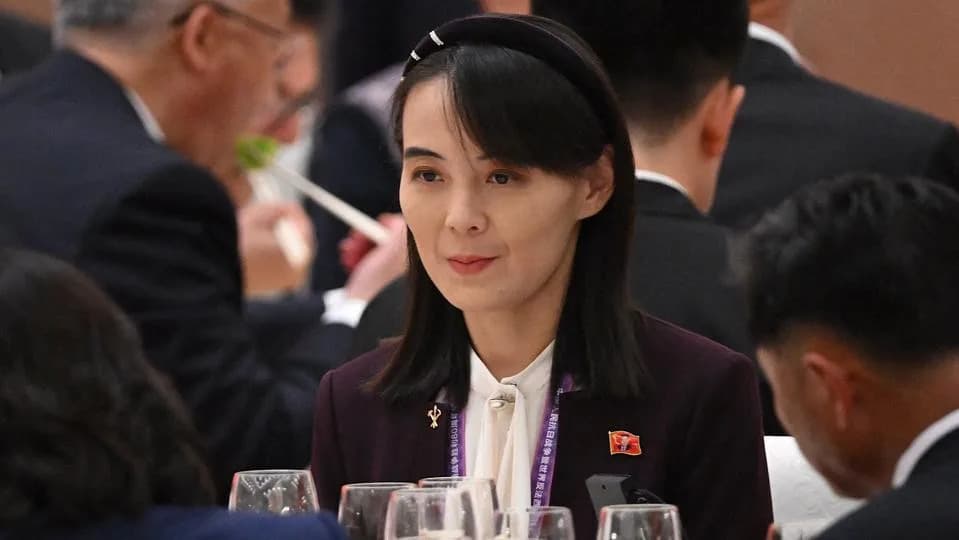
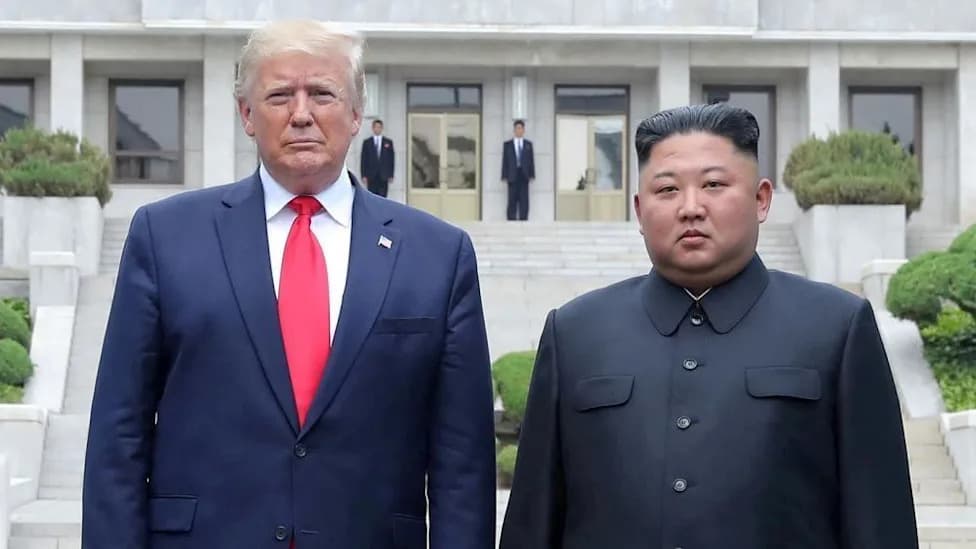
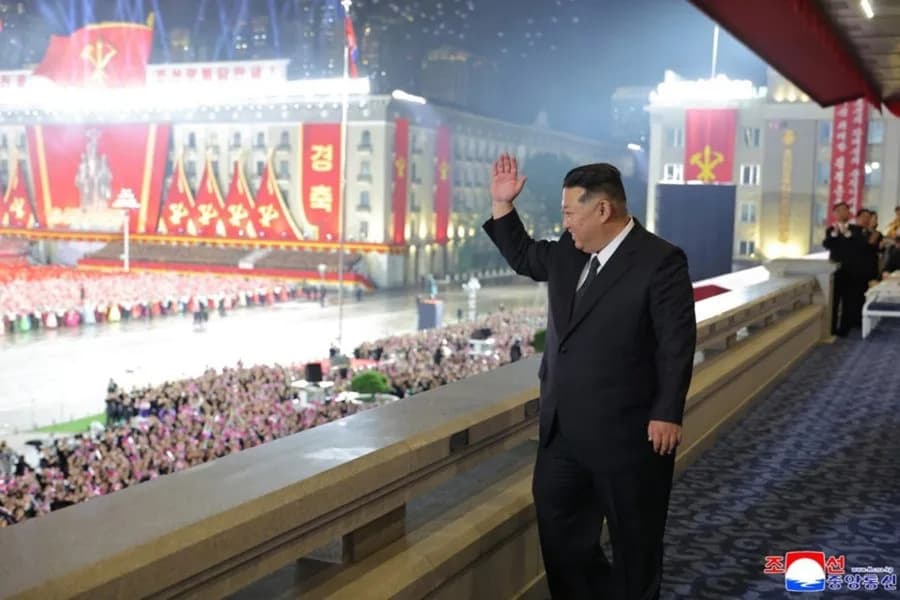
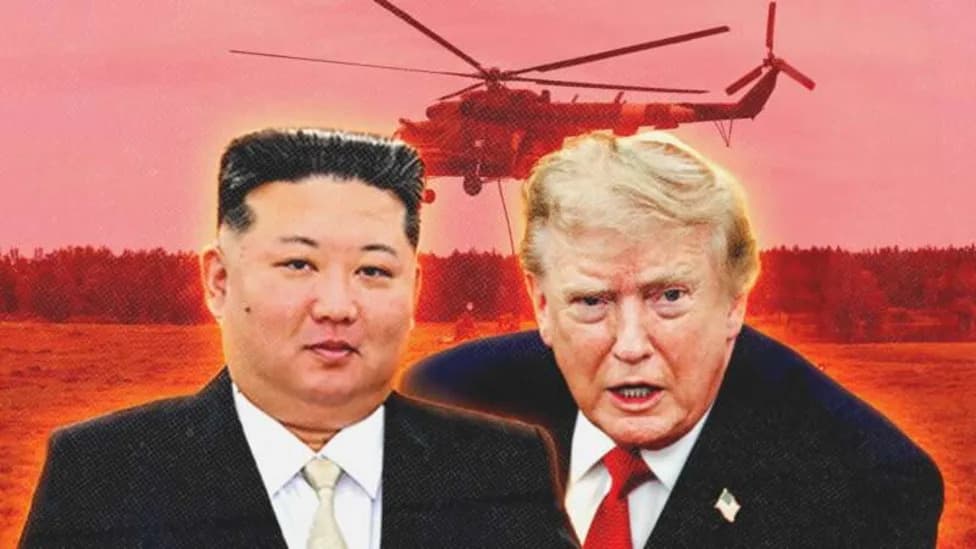
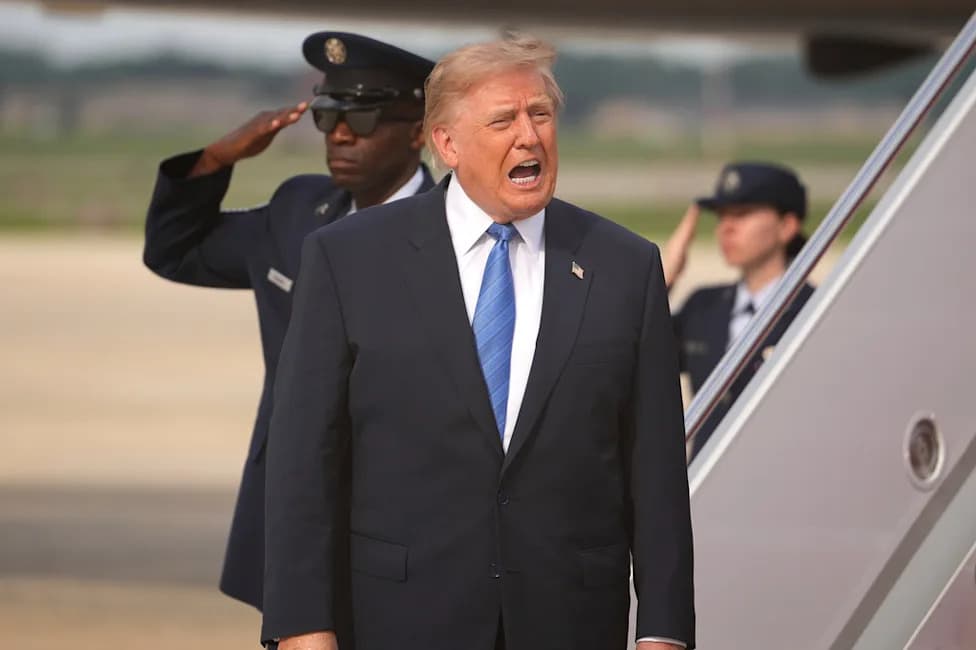
Trump said he plans to meet North Korean leader Kim Jong Un later this year and publicly stated that Pyongyang now has 57 "very powerful" nuclear weapons. South Korean authorities, however, estimate North Korea's arsenal at roughly 80–120 nuclear warheads. North Korea — which has strengthened ties with Russia in recent years — did not issue a clear response to Trump's overtures.
Inter‑Korean Relations And Legal Ruling
Inter‑Korean relations peaked in 2018 but cooled after talks between Kim and Trump broke down in February 2019. In a related legal development, a Seoul court on Thursday ordered North Korea to pay about $32.5 million in damages for blowing up the Inter‑Korean Liaison Office in 2020. The office had been established to ease tensions on the peninsula but was destroyed amid rising hostilities.
Hormuz, Domestic Politics And Maritime Protection
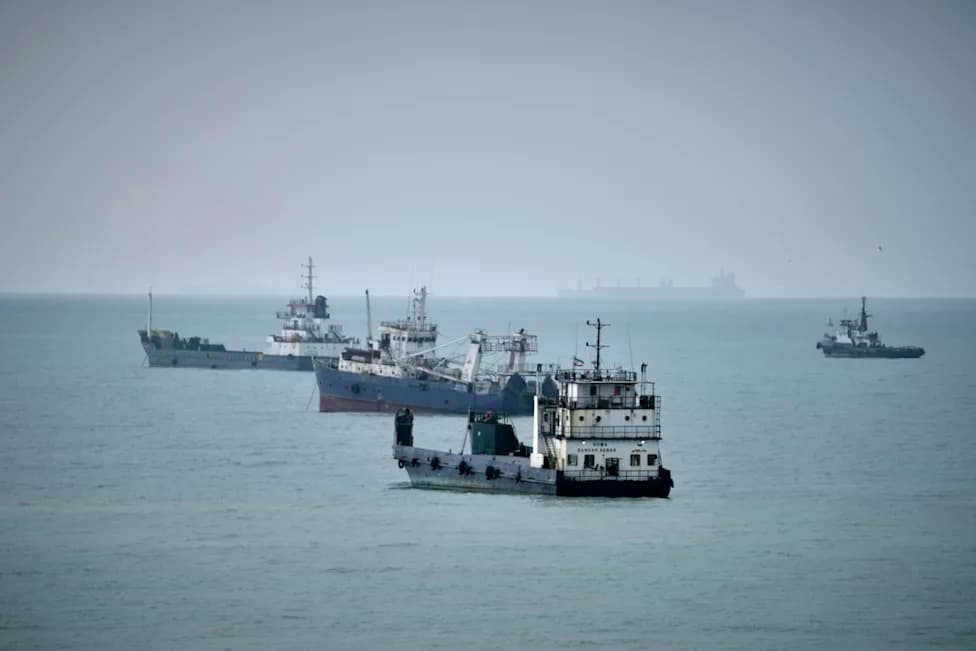
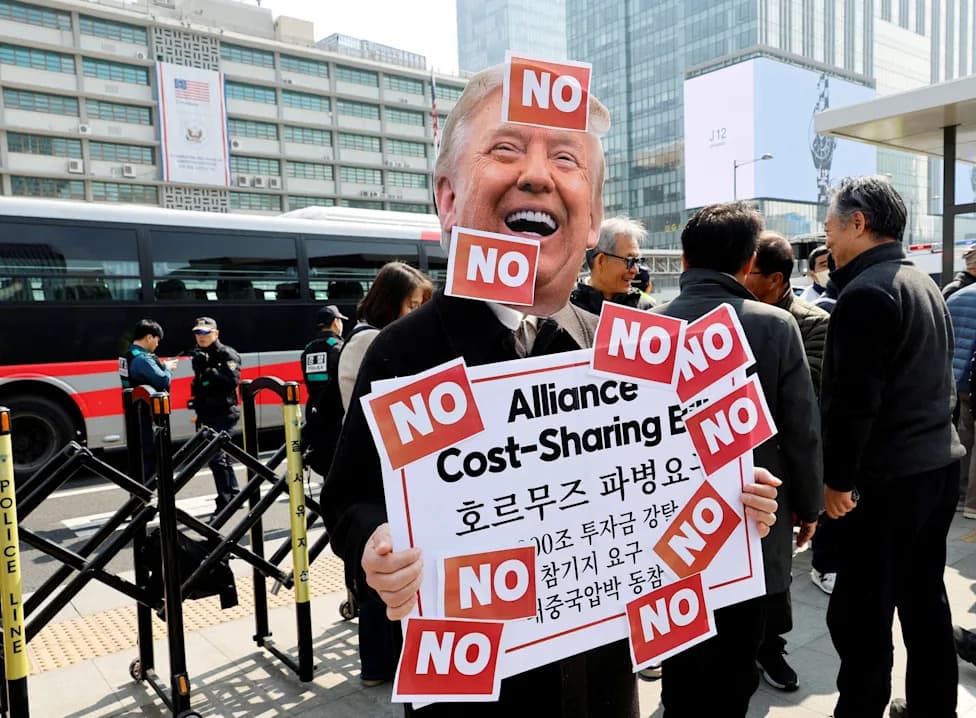
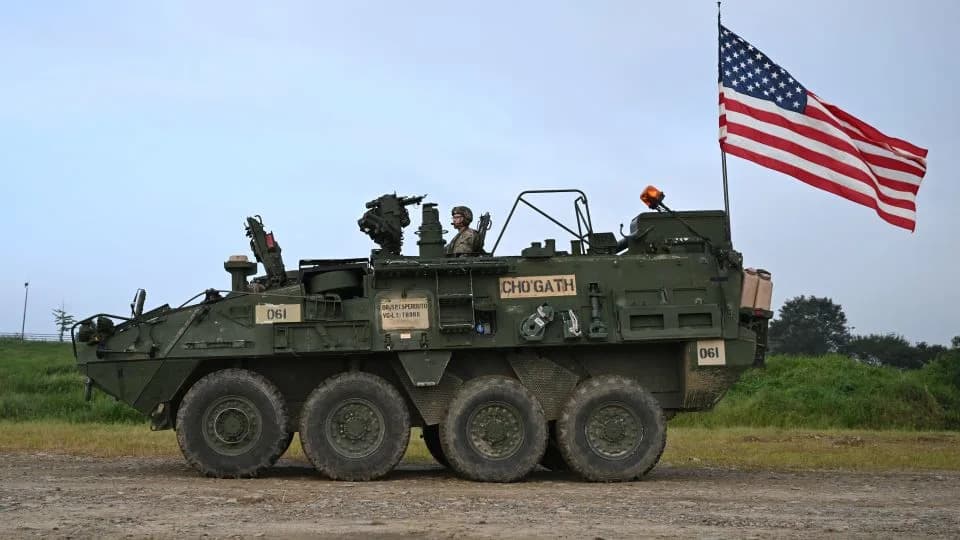
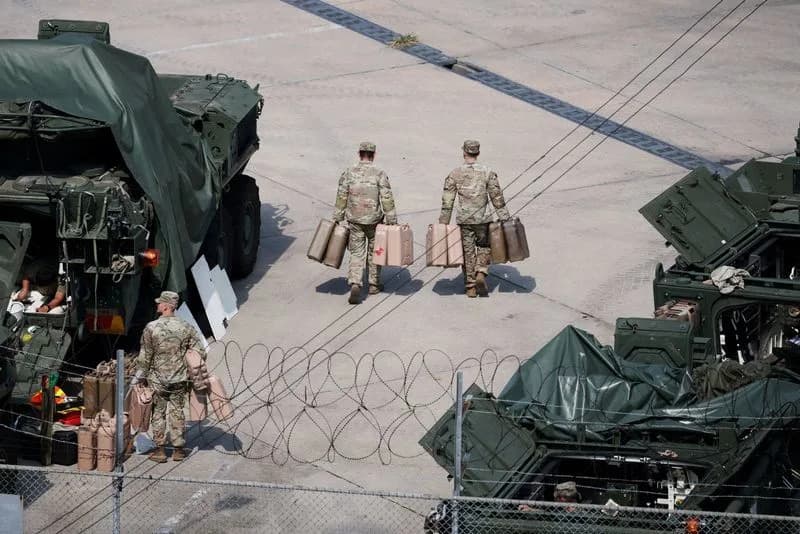
Under mounting pressure from the United States to contribute to operations in the Middle East, President Lee reiterated repeatedly that South Korea will not dispatch troops to the Strait of Hormuz. "Let it be clear. There will be no dispatch of troops that will lead to involvement in a conflict. There will be no engagement or involvement in war," he stressed.
Lee said Seoul will instead take "the minimum necessary activities" to protect its merchant vessels and oil shipping lanes — measures framed as focused on safeguarding national commercial interests without becoming entangled in armed conflict.
Regional Diplomacy And Domestic Reaction
Separately, South Korea hosted its first presidential summit with five Central Asian states on Wednesday, aiming to deepen economic ties with countries that maintain close relations with Russia. Domestically, large protests have erupted in recent weeks opposing any potential deployment of South Korean military assets to the Hormuz region, putting additional political pressure on the government.
Bottom line: Seoul is trying to balance diplomatic facilitation between Washington and Pyongyang, strengthen regional economic ties, and avoid military entanglement in the Middle East while protecting its commercial shipping interests.
Help us improve.