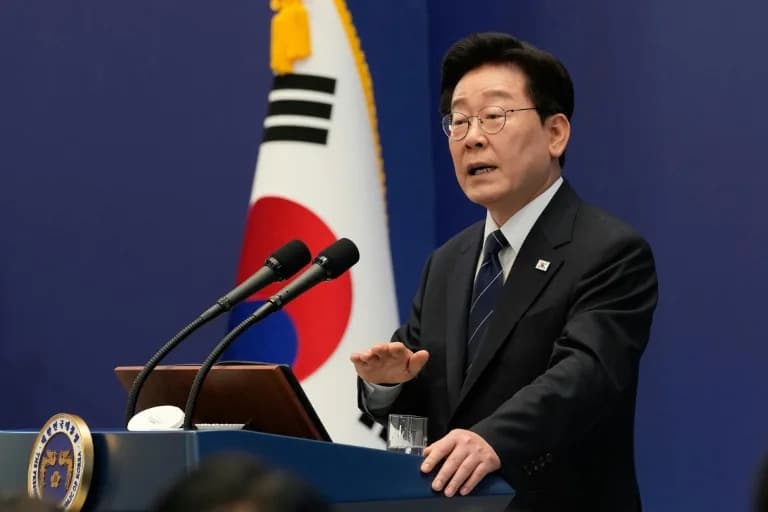
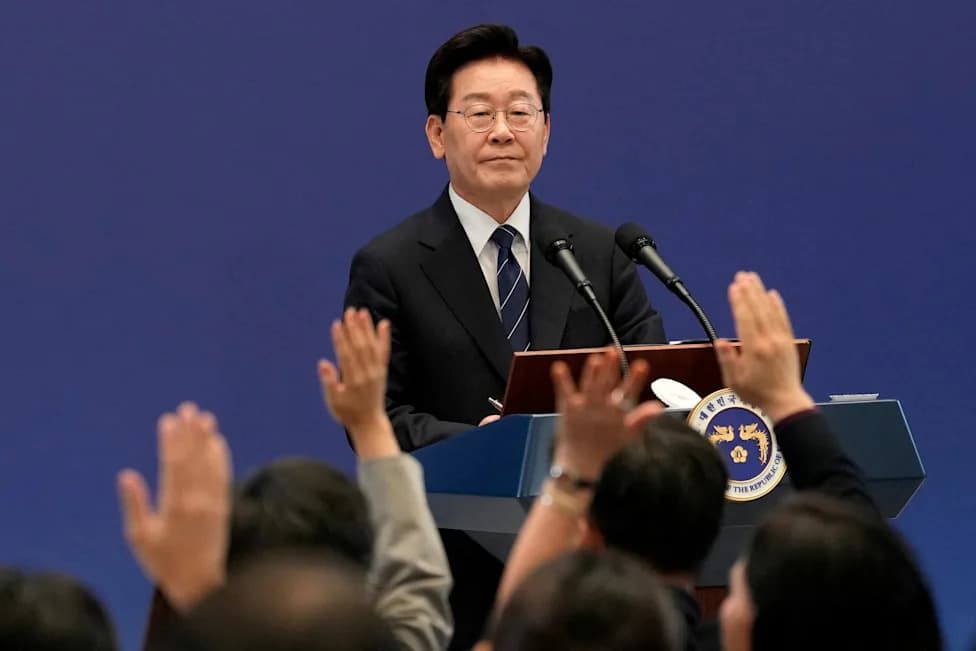
President Trump ordered a substantial reduction in joint U.S.–South Korea military exercises, citing a "very good relationship" with North Korea’s leader and Seoul’s reluctance to back U.S. pressure on Iran. Critics say the move risks weakening deterrence on the Korean Peninsula and rewarding an adversarial regime that routinely threatens South Korea. The episode also highlights Trump’s repeated praise for strongmen and raises questions about how admiration for unconstrained power influences U.S. foreign policy.
Trump's Dictator Envy Resurfaces: Orders Major Cuts to U.S.–South Korea Drills
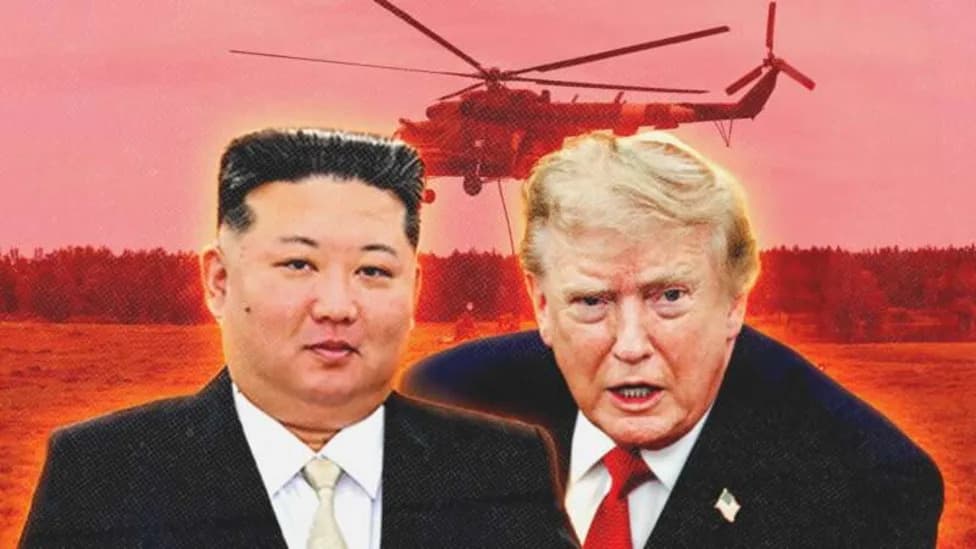
Illustration: Samuel Corum - Pool via CNP/picture alliance / Consolidated News Photos/Yan Yan / Xinhua News Agency/Newscom/Bumbleedee/Dreamstime
President Donald Trump’s announcement that he will "substantially reduce" joint military exercises between U.S. forces and those of South Korea rekindles a familiar pattern: punitive posturing toward allies combined with an unusual warmth toward authoritarian leaders. The decision has drawn criticism from analysts who say it risks undermining deterrence on the Korean Peninsula while rewarding a hostile regime that regularly threatens its neighbor.
"Based on my very good relationship with Kim Jong Un, of North Korea, I am not happy with the fact that the United States has, long ago, agreed to participate in Joint Military Exercises with South Korea.... Therefore, and based on the fact that it is too late to cancel, I have instructed Secretary of War, Pete Hegseth, to substantially reduce the Joint Military Exercises!" — Donald J. Trump, Truth Social
Why the Move Matters
Trump signaled two motives for the reduction: frustration with Seoul’s refusal to support U.S. pressure on Iran, and a desire not to anger North Korea given what he describes as a "very good relationship" with its leader, Kim Jong Un. Observers warn that both rationales are risky. South Korea depends on the Middle East for roughly 70% of its oil, and its proximity to China, Russia and North Korea makes it especially vulnerable to regional escalation.
Regional Risks and Allies' Reluctance
Seoul’s reluctance to be drawn into a U.S.-led confrontation over Iran reflects practical concerns: energy security, economic exposure, and the direct military threat posed by the North. Meanwhile, the administration’s rhetoric — including reported threats against regional partners such as Oman if they "get in the way" of U.S. objectives — has fueled anxiety among allies that Washington may act unpredictably.
Affinity for Strongmen
This episode fits a broader pattern: Trump has repeatedly praised leaders who concentrate power, including Kim Jong Un, Recep Tayyip Erdoğan and Xi Jinping, and has spoken admiringly of Vladimir Putin in the past. Critics argue this affinity reflects an admiration for leaders who operate without institutional checks.
"It's funny, the relationships I have, the tougher and meaner they are, the better I get along with them." — Donald J. Trump, interview with Bob Woodward (2020)
Analysts such as Timothy P. Carney have framed this disposition as a preference for displays of strength over democratic constraints. Still, the U.S. system of separated powers — the Constitution, Congress, and the courts — remains a structural check that limits unilateral presidential action.
What Comes Next
Reducing joint exercises could have immediate and long-term consequences: it may erode readiness and deterrence on the peninsula, complicate coordination with South Korean forces, and send a signal to adversaries about shifting U.S. commitments. For allies and voters alike, the episode underscores the importance of constitutional safeguards and consistent alliances.
Originally appeared on Reason.com.
Help us improve.