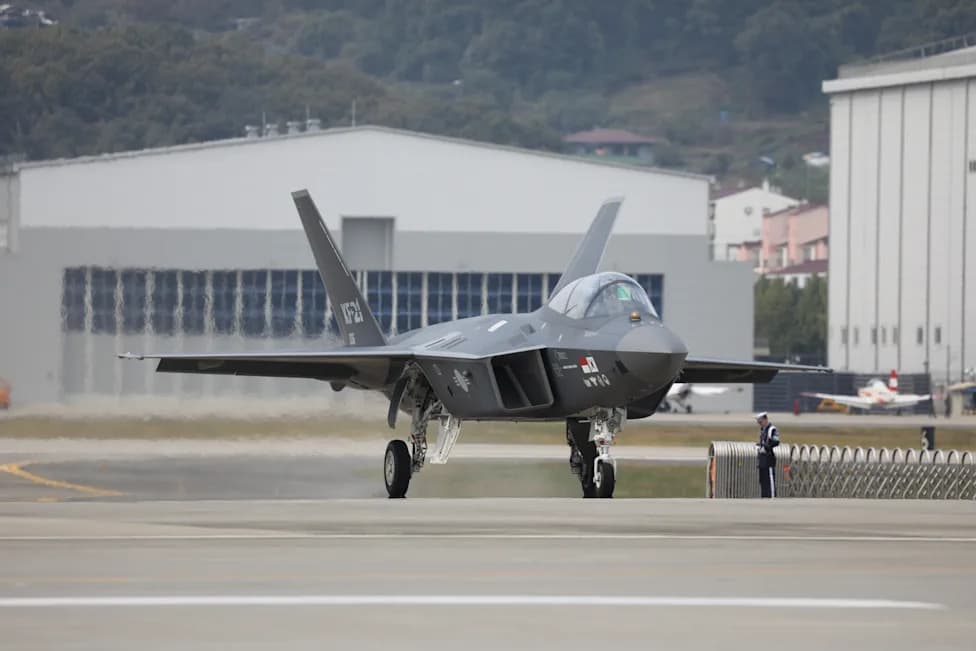
President Trump ordered a sudden reduction in the Ulchi Freedom Shield exercises with South Korea, saying the drills antagonize North Korea and are costly. Analysts warn the change could delay South Korea's goal of regaining wartime operational control by 2030 and could weaken deterrence and alliance burden-sharing. North Korea condemned the drills as a direct threat, while Seoul and Washington must now reassess their combined defense posture.
Trump's Surprise Cut To Ulchi War Games Could Delay South Korea's Bid For Wartime Command
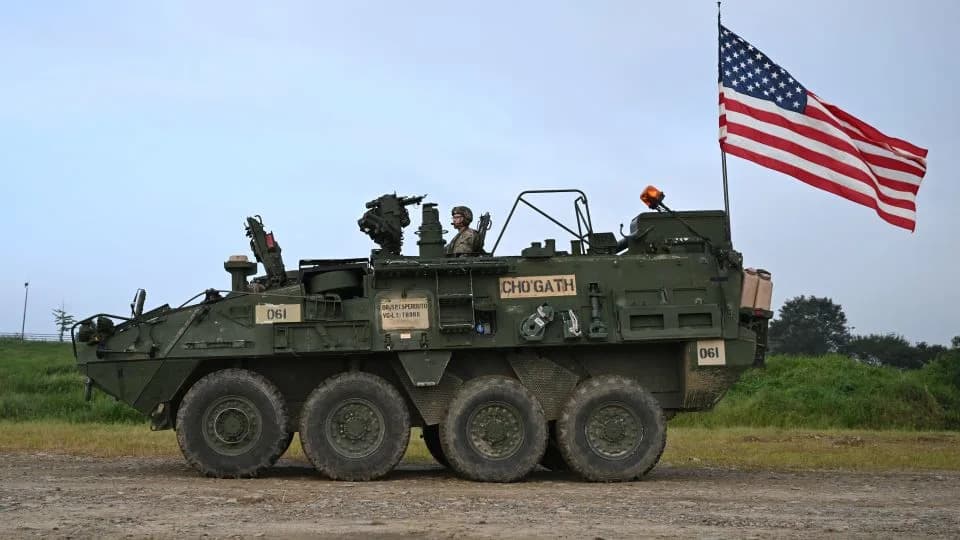
A US Stryker infantry carrier vehicle moves to cross a river over a floating bridge during a South Korea-US joint river-crossing drill as part of the annual Ulchi Freedom Shield military exercise in Yeoju on August 27, 2025. - Jung Yeon-je/AFP/getty Images
US President Donald Trump has ordered a last-minute reduction of the annual Ulchi Freedom Shield exercises with South Korea, saying the drills antagonize North Korea and are costly. Analysts warn the move could slow Seoul's plans to assume wartime operational control of combined US–South Korea forces, a milestone both governments have long sought.
What Changed
The Ulchi Freedom Shield exercises, which normally involve tens of thousands of personnel, were halved at Washington's request. Trump wrote on Truth Social that "These exercises send a signal that is totally inappropriate and hostile," an apparent effort to placate North Korean leader Kim Jong Un and to cut costs.
"These exercises send a signal that is totally inappropriate and hostile." — Donald Trump, Truth Social
Why It Matters
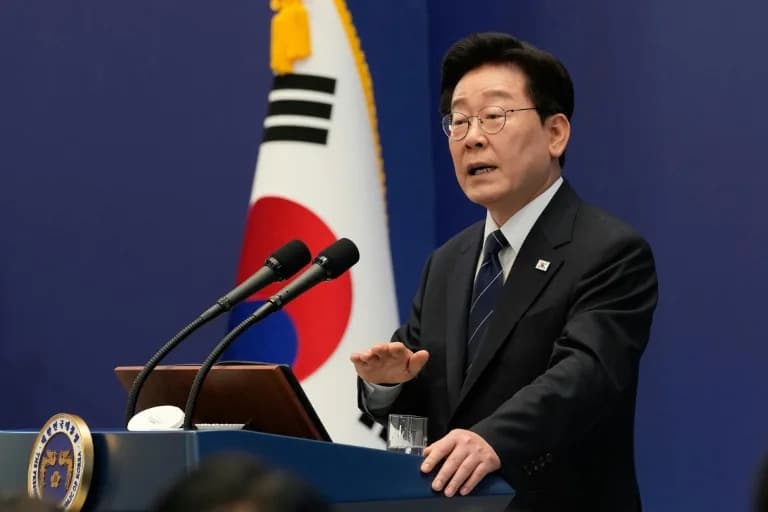
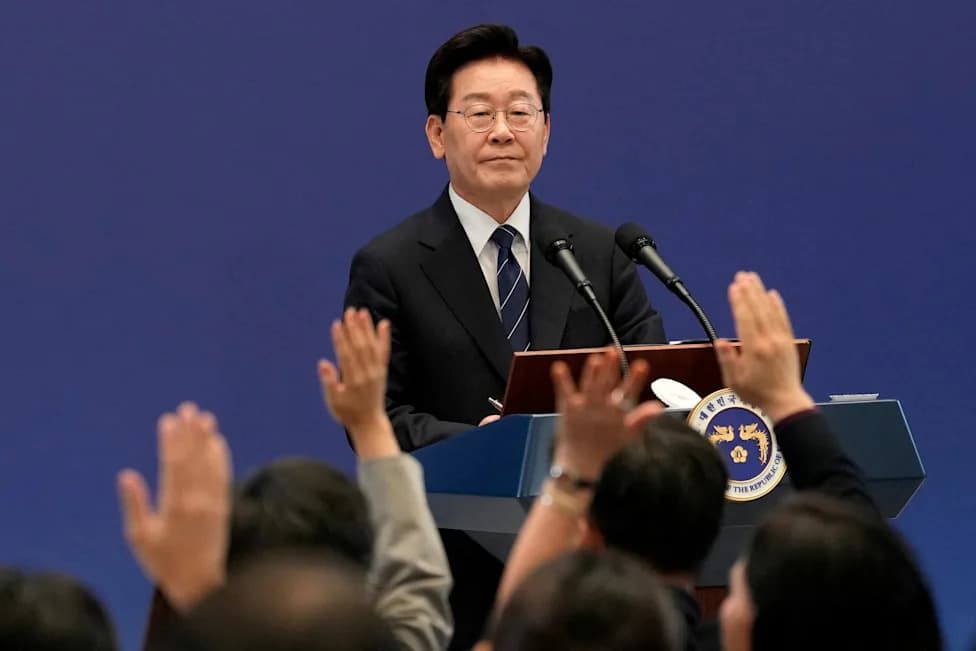
Beyond readiness, the drills are used to test procedures for transferring wartime operational control to Seoul — a change that has been debated for decades. Peacetime operational control returned to South Korea in 1994, but wartime command has remained under US leadership since the Korean War era. South Korean President Lee Jae-myung has pledged to secure wartime operational control by 2030, arguing that South Korea now has the equipment and capabilities to defend itself.
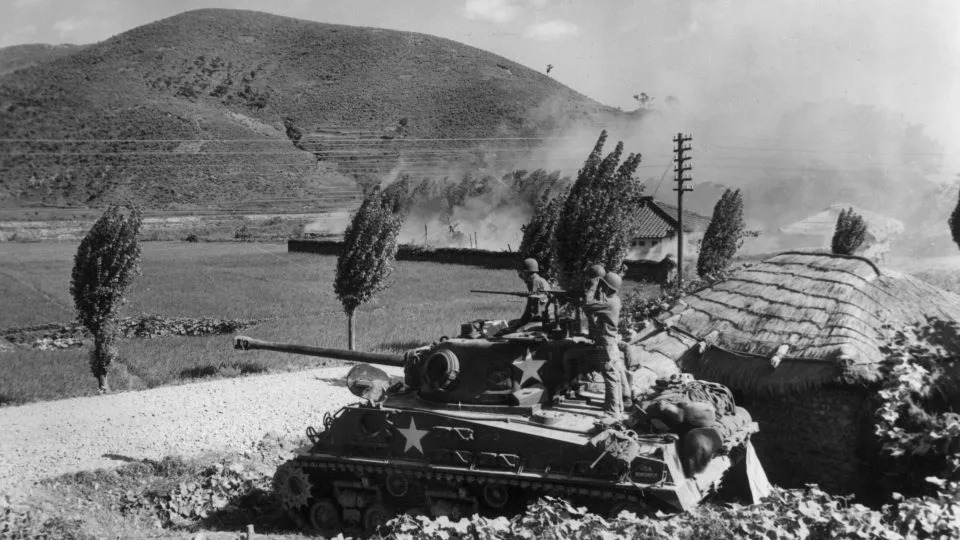
16th August 1950: An American tank firing on enemy positions in the area around Masan in Korea. - Keystone/Hulton Archive/Getty Images
Analysts' Concerns
Experts say a sudden curtailment could undermine the alliance's long-stated goal of greater burden-sharing. "A major last-minute change could therefore affect more than readiness; it could complicate an alliance project that Washington itself has long encouraged," Yu Ji-hoon of the Korea Institute for Defense Analyses wrote in The Diplomat.
Leif-Eric Easley, a professor at Ewha University in Seoul, added that the cost savings are likely marginal while diplomatic benefits with North Korea are questionable. South Korean military leaders have said the allies will now need to discuss their "combined defense posture going forward."
Regional Reaction
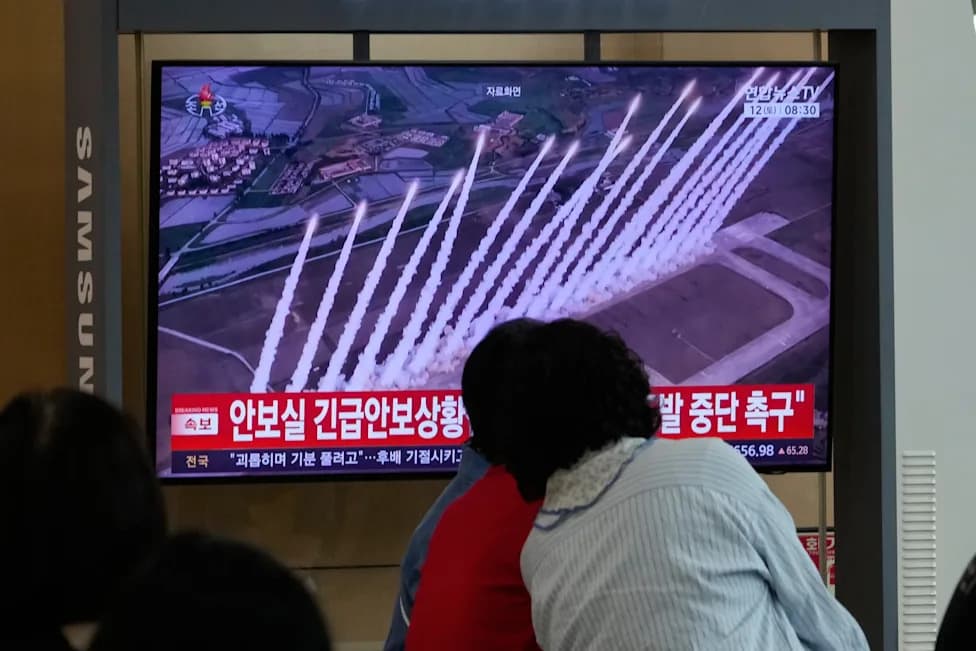
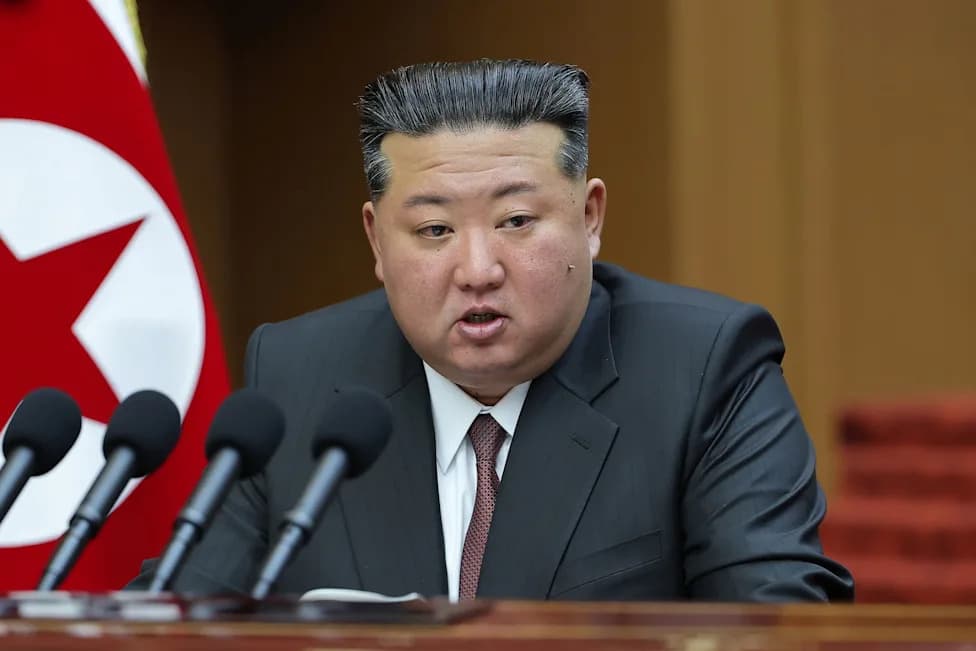
North Korean state media had already labeled the exercises "the most immediate and open threat" to Pyongyang and regional security before news of the downsizing emerged. Meanwhile, Kim Jong Un's regime has continued to expand its military capabilities, and is widely believed to possess a growing nuclear arsenal.
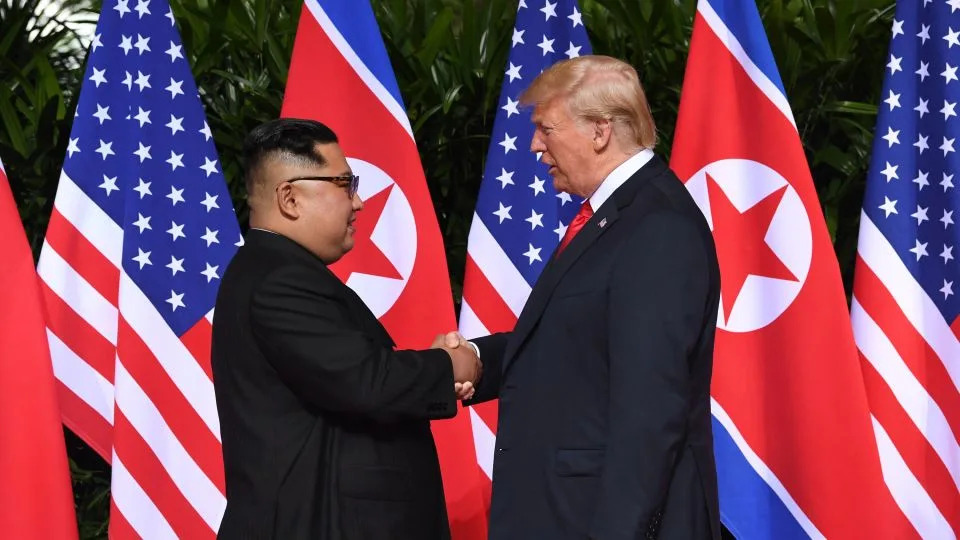
North Korea's leader Kim Jong Un shakes hands with US President Donald Trump at the start of their historic US-North Korea summit, at the Capella Hotel on Sentosa island in Singapore on June 12, 2018. - Saul Loeb/AFP/Getty Images
Implications
Curtailing the exercises risks delaying Seoul's ability to demonstrate it can manage wartime command — which in turn would keep US forces and budgets committed to the peninsula longer than planners expect. It may also complicate US plans to rebalance forces globally, especially given other hotspots that require attention.
Ultimately, the decision highlights a tension in US policy: balancing episodic diplomatic overtures to Pyongyang with long-term alliance commitments to Seoul. Whether the exercise reduction advances any substantive diplomatic outcome with North Korea remains unclear.
Historical photo credit retained for context: 16 August 1950 — An American tank firing on enemy positions around Masan in Korea.
Help us improve.