The IDF and Israeli security services report West Bank terror activity is at its lowest point since 2011, a decline credited to coordinated operations by the Judea and Samaria Division, the Shin Bet, Israel Police and Border Police. Preventive raids and an expanded presence in refugee camps are believed to have reduced attacks, but officials warn of increasing local friction tied to settlement growth, lone farms and outposts. Authorities also cite concerns about weapons stockpiles and smuggling, and are preparing for an extreme "turning of the guns" scenario amid potential Palestinian Authority succession struggles.
IDF Warns of Rising West Bank Tensions Despite Lowest Terror Levels Since 2011
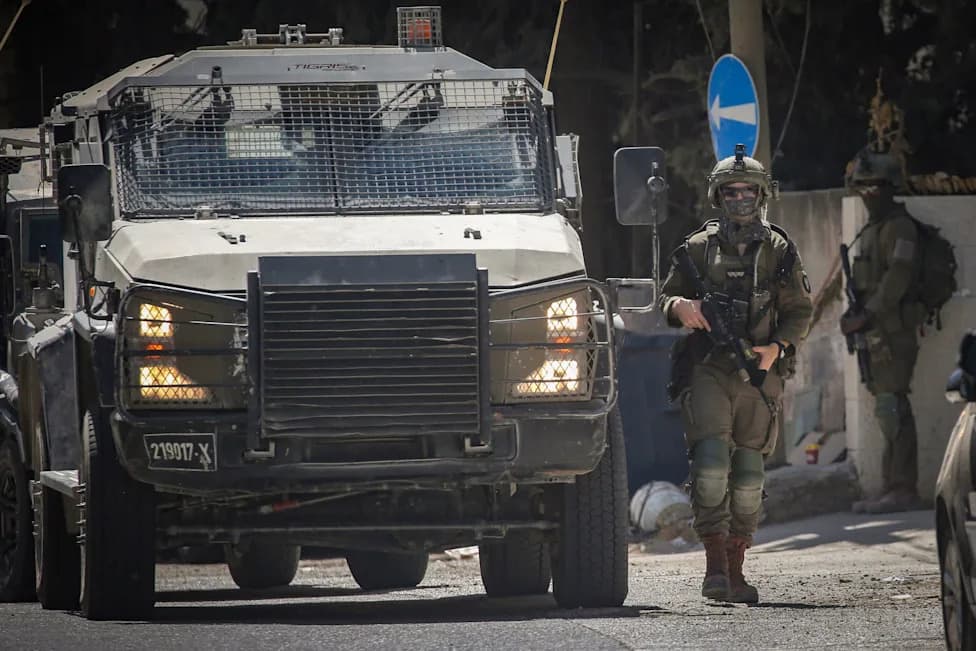
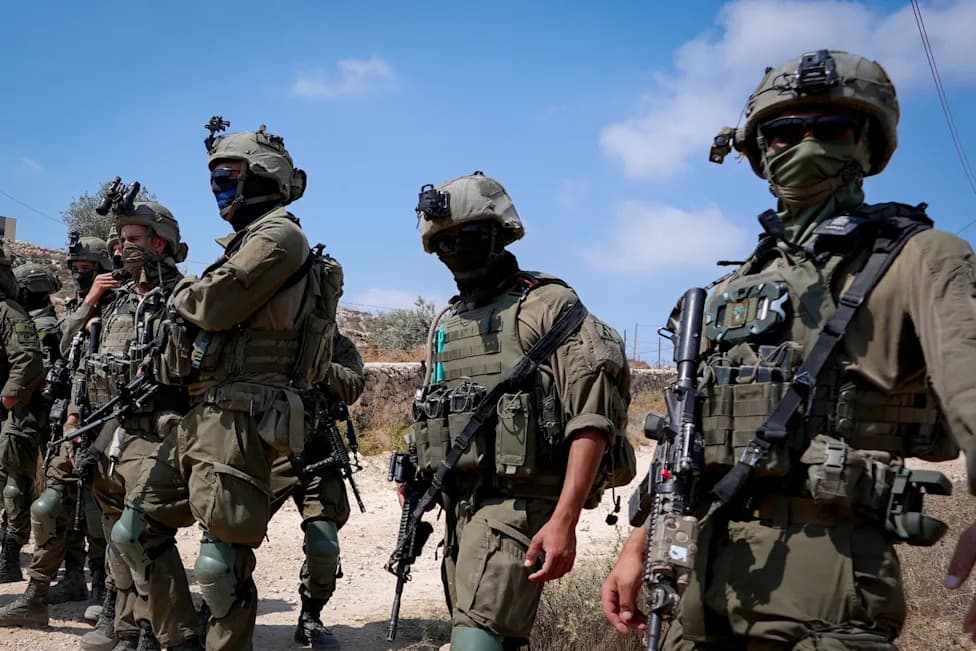
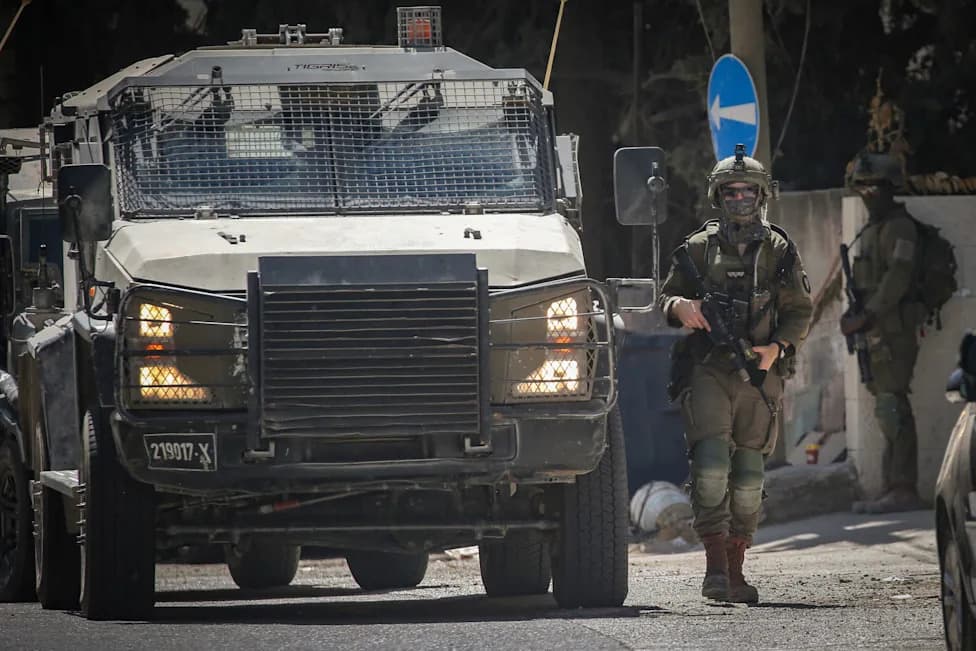
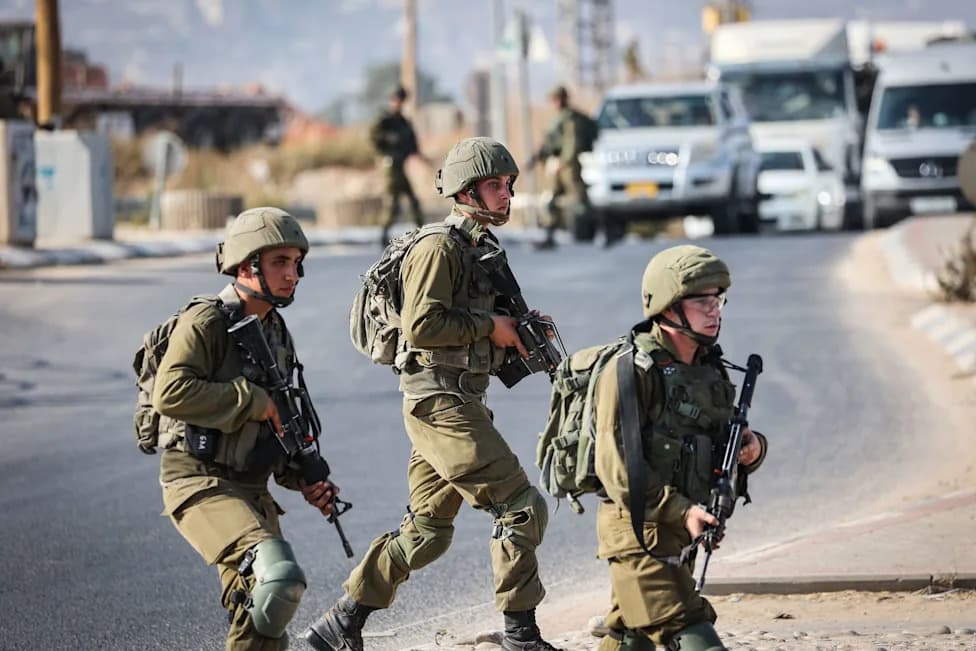
Israeli security forces seen during a raid in the West Bank village of Salem, near Nablus, on August 2, 2026. (photo credit: NASSER ISHTAYEH/FLASH90)
Israeli security officials say terror activity across the West Bank is at its lowest level since 2011, attributing the decline to coordinated operations by the Judea and Samaria Division, the Shin Bet (Israel Security Agency), Israel Police and Border Police. Still, authorities warn that friction and the risk of escalation are increasing ahead of the holidays.
Preventive Operations and Operational Advantage
In the run-up to the holidays, the Judea and Samaria Division, led by Brig.-Gen. Kobi Heller, carried out wide-ranging preventive operations aimed at suspects linked to planned attacks and at networks spreading incitement. Officials say the IDF now enjoys broad freedom of action in Judea and Samaria after establishing a presence in refugee camps and building logistics and infrastructure to enable rapid responses.
Security sources also highlighted expanded aerial and ground prevention efforts. According to IDF figures, Israeli forces killed five militants in several incidents over the past week. Border Police units working near Jerusalem reported uncovering an alleged tunnel near the village of Al-Jib that security services say was dug beneath the separation barrier.
Emerging Risks: Friction, Settlements and Weapons
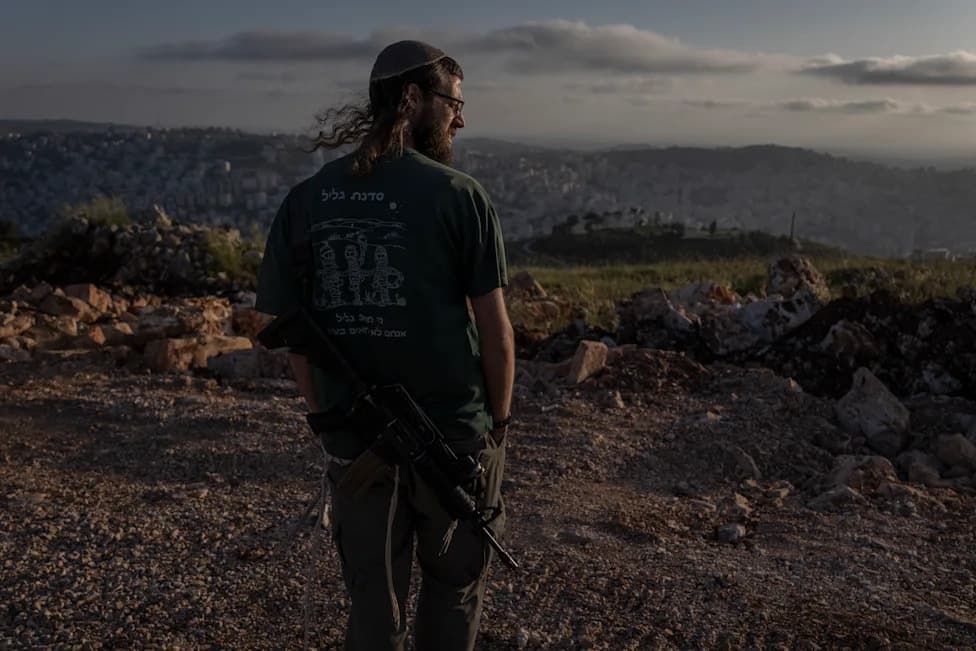
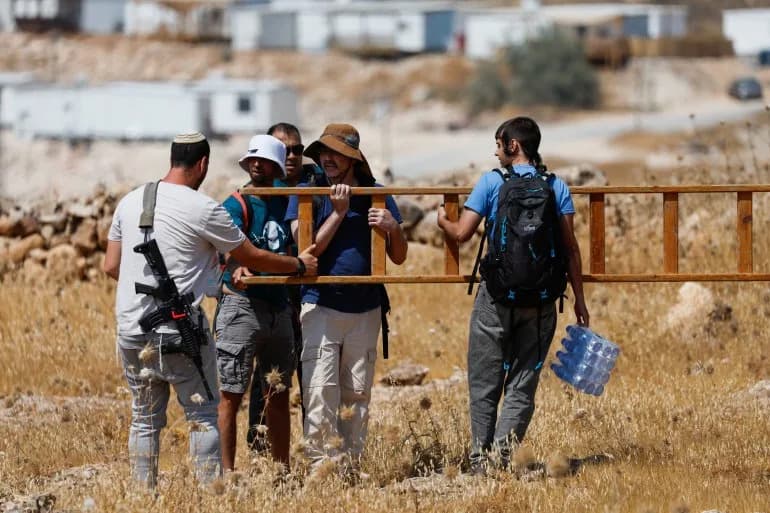
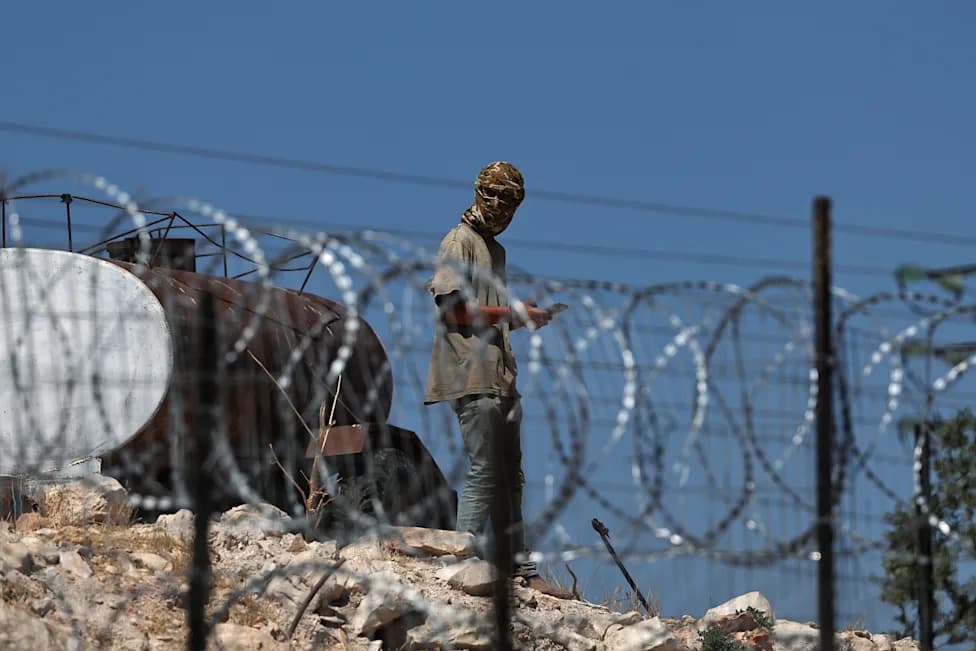
Despite the overall drop in attacks, officials warned of a worrying rise in local friction. They tied this trend partly to settlement expansion—84 new communities were added to the 180 already present in the West Bank—as well as the growth in lone farms (about 140) and more than 100 illegal outposts. Authorities say this changing landscape requires the IDF to revise security concepts to ensure state-authorized communities and farms are not left exposed relative to hostile elements.
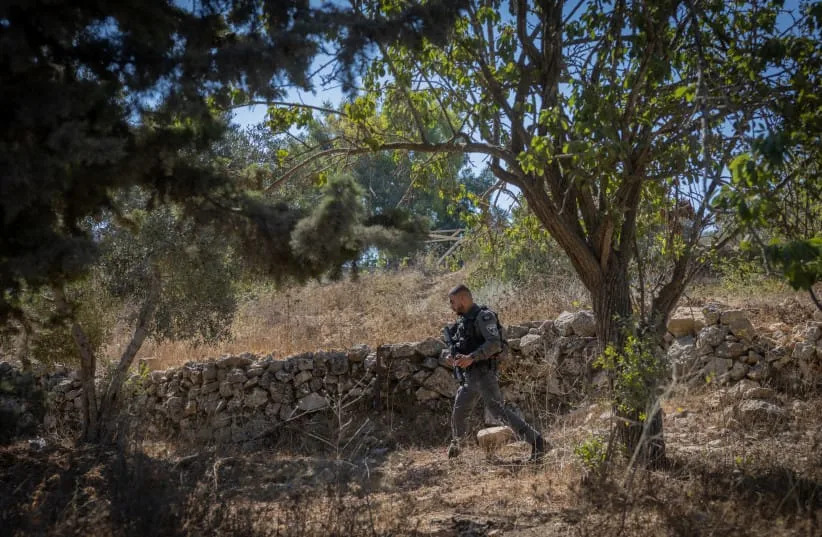
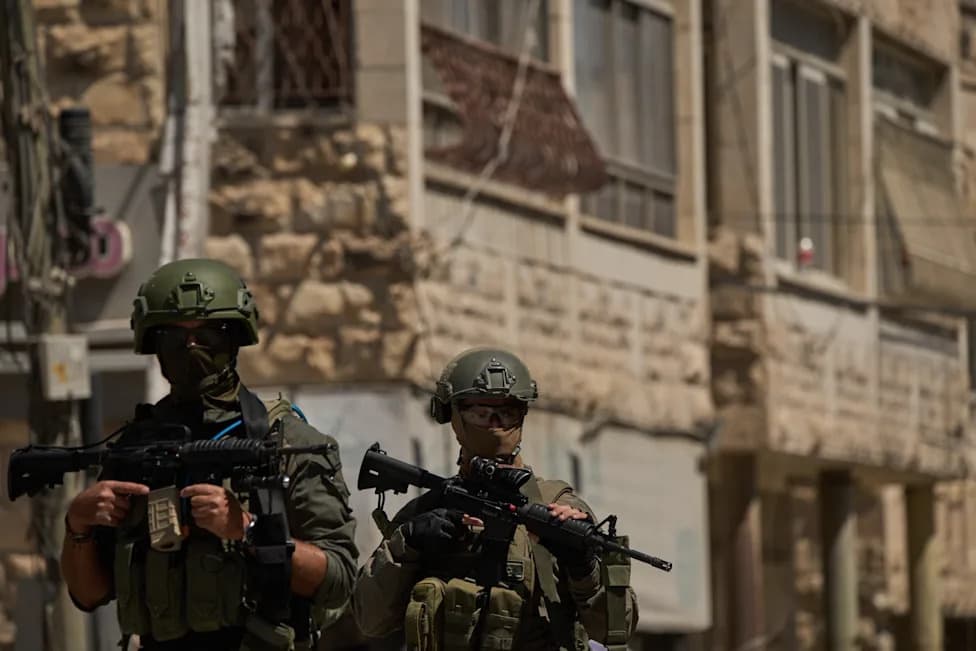
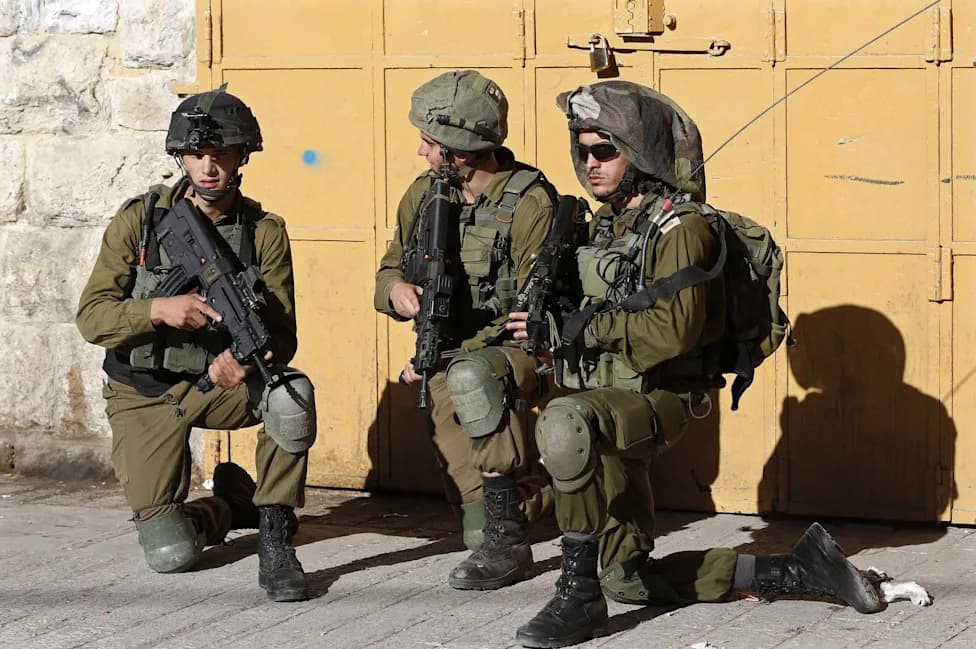
(illustrative) Israeli Border Police forces from the Jerusalem Envelope unit uncover a tunnel that Palestinians allegedly attempted to dig beneath the separation barrier near the village of Al-Jib, West Bank, September 9, 2026. (credit: CHAIM GOLDBERG/FLASH90)
In addition, security sources expressed concern about large quantities of weapons reportedly held by Palestinian forces and about arms smuggling across the Israel–Jordan border. These factors raise the risk of localized escalation and complicate efforts to maintain stability.
Contingencies and Political Pressure
One extreme contingency under review is a "turning of the guns" scenario: if a succession struggle over Palestinian Authority leader Mahmoud Abbas erupts, internal clashes could lead to weapons being used against IDF personnel and Israeli civilians. Political leaders have instructed security officials to increase preparedness for such an eventuality.
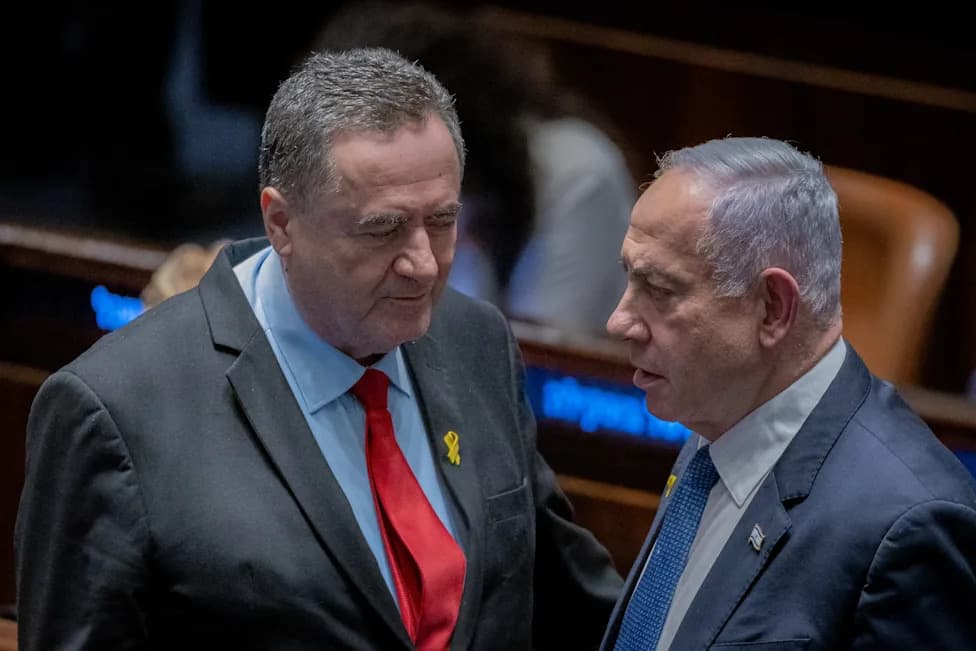
Security sources added that Defense Minister Israel Katz may press the military to seize additional refugee camps and conduct broader operations focused on the West Bank in an effort to further suppress terror activity.
Bottom line: Terror attacks are currently low, but expanding settlements, weapons concerns and rising friction mean authorities remain on alert and are preparing for a range of escalation scenarios.
Illustrative photo: Israeli Border Police from the Jerusalem Envelope unit reportedly uncover a tunnel near the village of Al-Jib, West Bank, September 9, 2026. (Credit: CHAIM GOLDBERG/FLASH90)
Help us improve.