The Otis School in East Boston, built in 1905 and serving about 400 students, received a modern electrified heating and cooling retrofit that provides cooler, cleaner classrooms. The project was funded in part by $5.7 million from the city and a $1.5 million state grant. School leaders say the upgrades support student health and learning as extreme heat arrives earlier in the year. The retrofit also shows how older buildings can be modernized without demolition to reduce fossil-fuel reliance and improve resilience.
Boston Retrofits 1905 Otis School With Air Conditioning, Giving 400 Students Their First Cool September
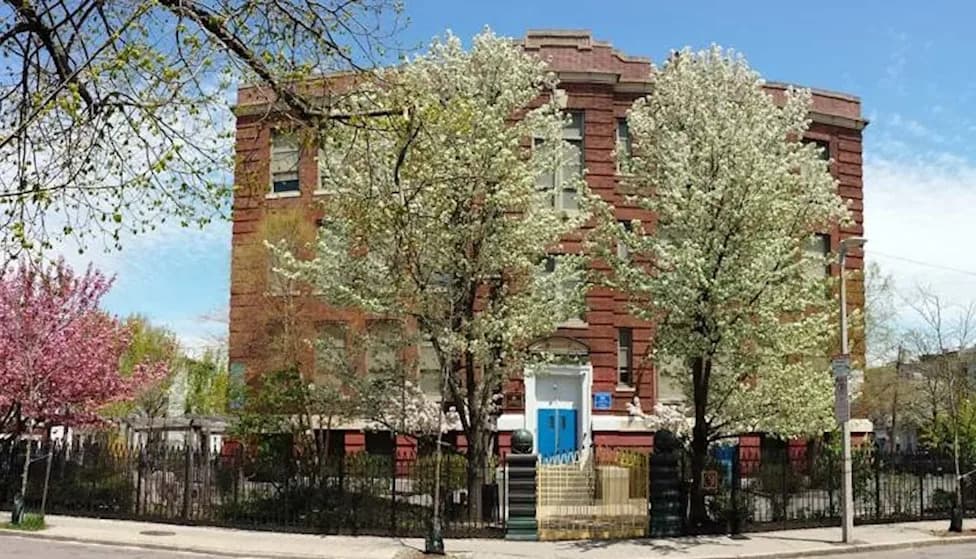
Photo Credit: James Otis Elementary School
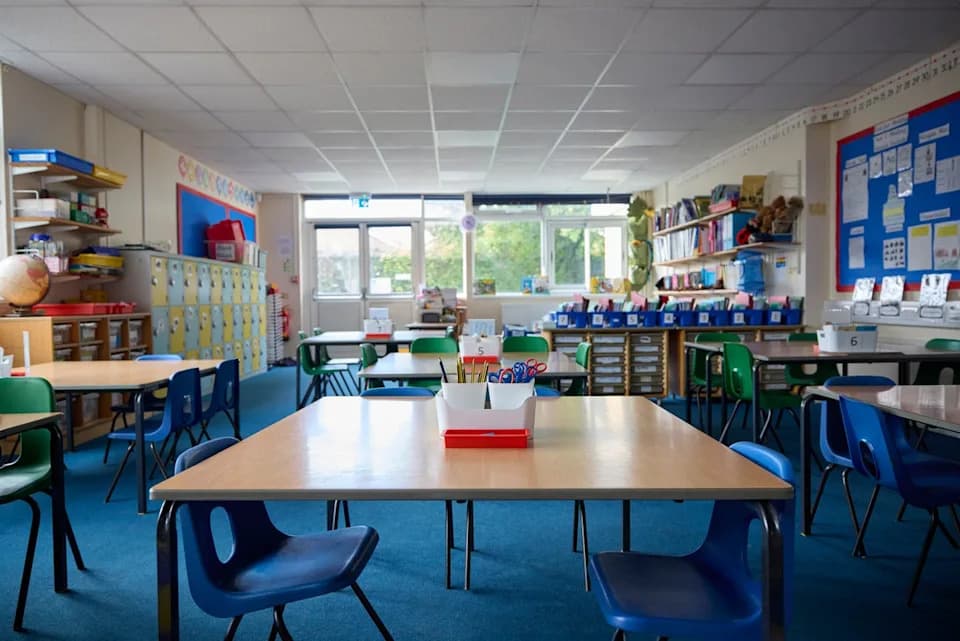
The century-old Otis School in East Boston, built in 1905, has been retrofitted with a modern climate-control system that delivers cooler classrooms and cleaner indoor air for roughly 400 students.
Rather than demolish or rebuild the historic structure, Boston Public Schools invested in an electrified heating and cooling upgrade that modernizes building performance while preserving the facility. The project was supported by $5.7 million in city funding and a $1.5 million state grant, allowing the district to install efficient, lower-emission systems throughout the school.
Why This Matters
The retrofit improves thermal comfort and air quality, which school leaders say supports both student health and learning. Retired Otis principal Paula Cerqueira-Goncalves described years of advocacy to secure these upgrades:
"Your building is 121 years old, we're not going to be able to do that and my exact line was, 'well let's try.'"
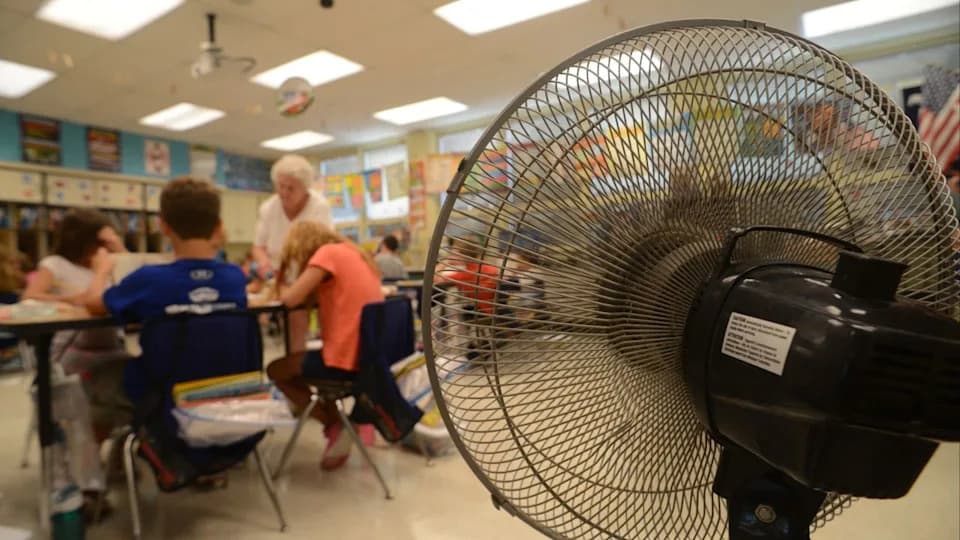
Katherine Walsh, director of sustainability for Boston Public Schools, emphasized the link between the upgrades and student outcomes: "We know that healthy indoor air quality and thermal comfort has a direct impact on our children's learning outcomes, their health outcomes." She also noted that extreme heat is arriving earlier in the year—sometimes as early as May—making cooling during the school year increasingly important.
The Otis School sits near Logan Airport and Route 1A. Upgrading to electrified heating and cooling reduces the building's dependence on fossil fuels and improves the school’s resilience as regional temperatures rise.
A Model for Older Buildings
The Otis retrofit demonstrates that older public buildings can be modernized for health, comfort, and efficiency without a full teardown. With targeted investment, historic schools can gain more reliable temperature control, improved indoor air quality, and lower operational emissions.
- Across northern states, districts are increasingly adding air conditioning as hotter school days strain budgets and learning environments.
- Some districts—like those in Des Moines—are finding significant energy savings after modernizing older buildings.
- Throughout New England, heat pumps and other electrified technologies are being adopted as alternatives to traditional HVAC and fossil-fuel heating.
Decisions to retrofit or electrify aging school buildings can affect student health, energy costs, and greenhouse-gas emissions for decades to come. The Otis project offers a practical example of how investment and planning can make older schools safer and more comfortable as climate impacts increase.
Help us improve.