Parents say just 25% of Torrance Unified School District classrooms have air conditioning, and some rooms routinely reach the 90s, according to the Daily Breeze. Families report heat rashes and concentration problems and are urging immediate action. TUSD is considering "weather days" for extreme heat and seeking funding for cooling upgrades, but aging buildings and high costs complicate long-term fixes.
Only 25% Of Torrance Classrooms Have AC — Parents Demand Immediate Action
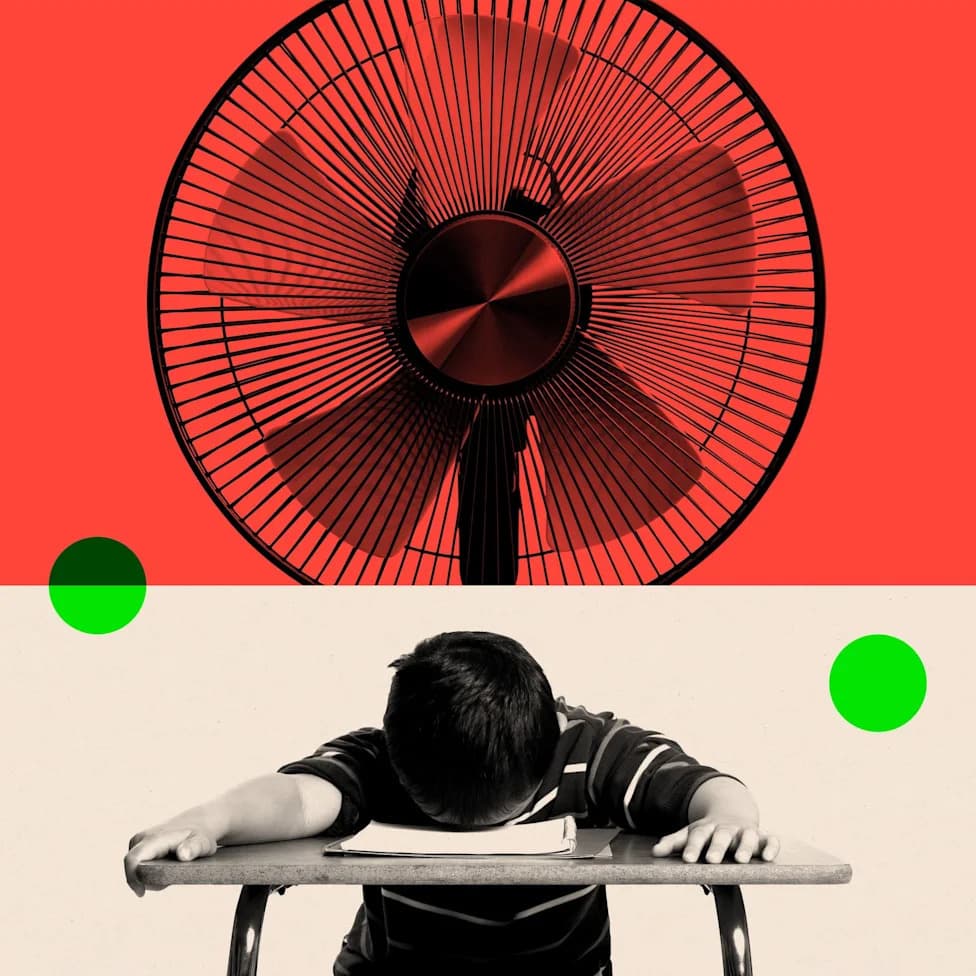
Photo Credit: iStock
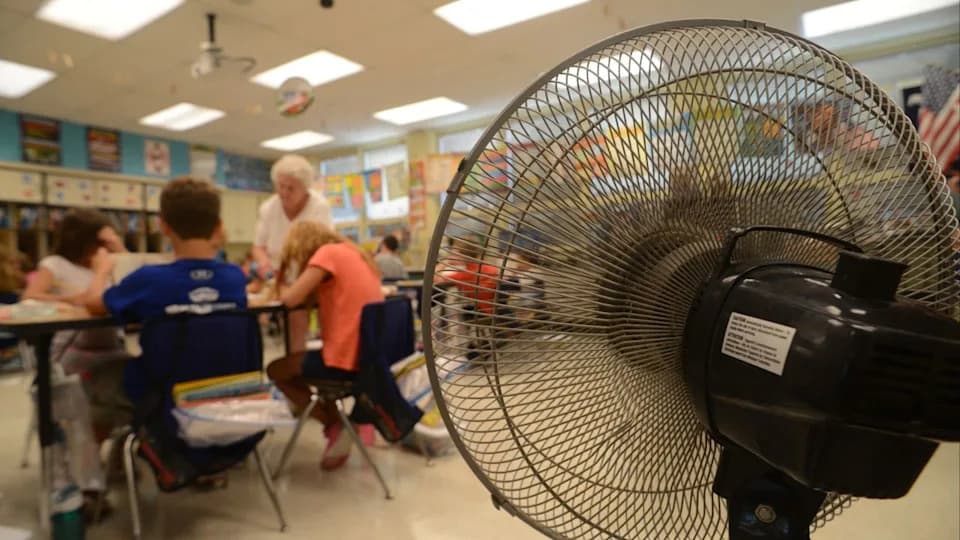
Parents across Southern California are calling on school leaders to act after reporting that only 25% of classrooms in the Torrance Unified School District (TUSD) have functioning air conditioning, according to the Daily Breeze. Families say classrooms frequently reach temperatures in the 90s, making it harder for students to concentrate and posing health risks.
"Every year has gotten hotter and hotter. This is not a new problem. Last year, it was an issue. This year, it's an emergency," said Traci Yim, a parent of three, in an interview with the Daily Breeze.
At a recent TUSD school board meeting, parent Danielle Thomas warned: "The classrooms are still reaching temperatures in the 90s. My own children have come home with heat rashes from school. The measures are providing some relief, but they're not adequately helping these kids."
District Response
TUSD officials say they are weighing several responses. One proposal is to institute "weather days" — closures triggered by extreme heat, similar to snow days. The district is also exploring ways to attract funding and prioritize upgrades to cooling systems across campuses.
Why Classroom Heat Matters
Excessive heat in classrooms does more than cause discomfort. High temperatures can lead to headaches, fatigue, dehydration and reduced ability to concentrate, effects that are especially harmful for younger students. Overheated conditions can increase absences, nurse visits and early dismissals, and they also affect teachers and staff.
Infrastructure, Costs and Climate Reality
Many school buildings were designed for a cooler climate and have not been modernized to match rising temperatures. Installing or expanding air conditioning is often expensive, time-consuming and logistically complex, leaving districts to weigh short-term relief against long-term upgrades. As extreme heat becomes more frequent, these infrastructure gaps are putting pressure on families and educators.
Regional Context
The concern in Torrance reflects broader trends across California and the U.S., where aging facilities and worsening weather patterns are disrupting school routines and affecting children's health. For example, flooding in Mill Valley has threatened school access, and severe weather nationally is contributing to mental-health strains and other challenges for children and families.
What parents and communities want: immediate relief for overheated classrooms, a clear district plan for long-term cooling upgrades, transparent timelines for fixes, and funding strategies that protect students' health and learning.
TUSD parents say the situation has moved beyond inconvenience to a safety and learning crisis — and they are pressing for concrete, timely action.
Help us improve.