The PLOS Medicine review finds snake envenoming and related deaths are likely undercounted worldwide, with the heaviest impact on rural, low-income tropical communities. Researchers reviewed studies from 79 countries (Jan 2007–Mar 2025) and warn that incomplete data can lead to underfunded and ineffective responses. Climate change, urbanization and seasonal surges—such as during the Delhi monsoon—may expand exposure, making improved surveillance and antivenom access urgently needed.
New Review Finds Snakebite Deaths Likely Undercounted in Poor, Rural Regions
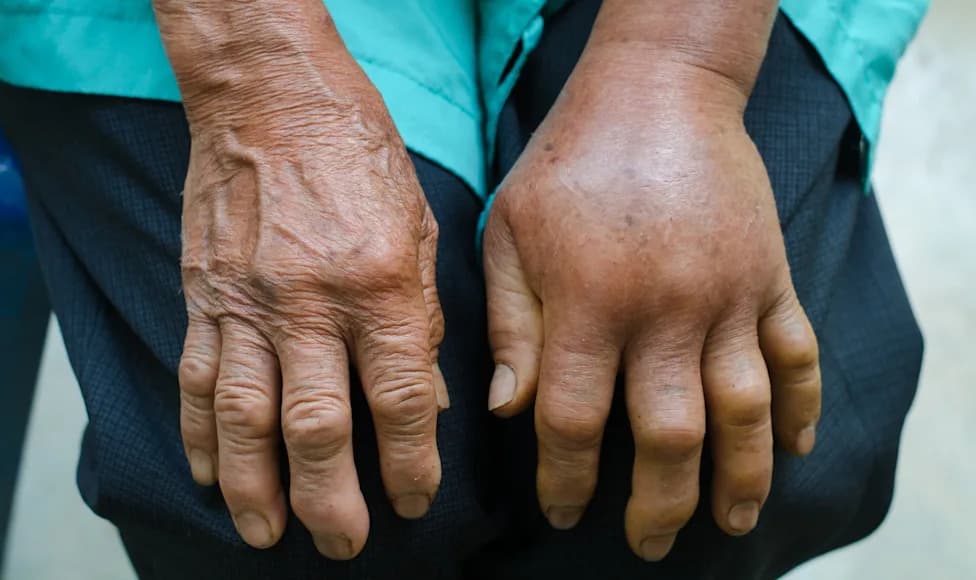
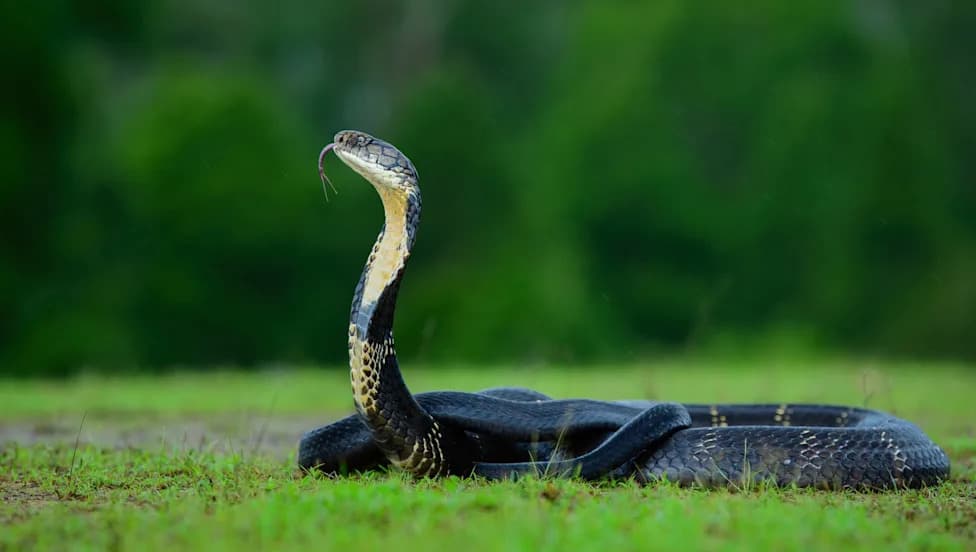
Photo Credit: iStock
New research indicates that venomous snakebites and related fatalities are occurring at substantially higher rates than many global estimates suggest, especially in low-income, rural communities with limited access to care.
Study and Methods
The analysis, published Aug. 25 in PLOS Medicine and reported by Medical Xpress, pooled published snakebite studies from 79 countries spanning January 2007 through March 2025. The review was led by Dileepa Ediriweera and Anuradhani Kasturuiratne, with colleagues at the Liverpool School of Tropical Medicine (UK) and the University of Kelaniya (Sri Lanka).
Where The Burden Falls
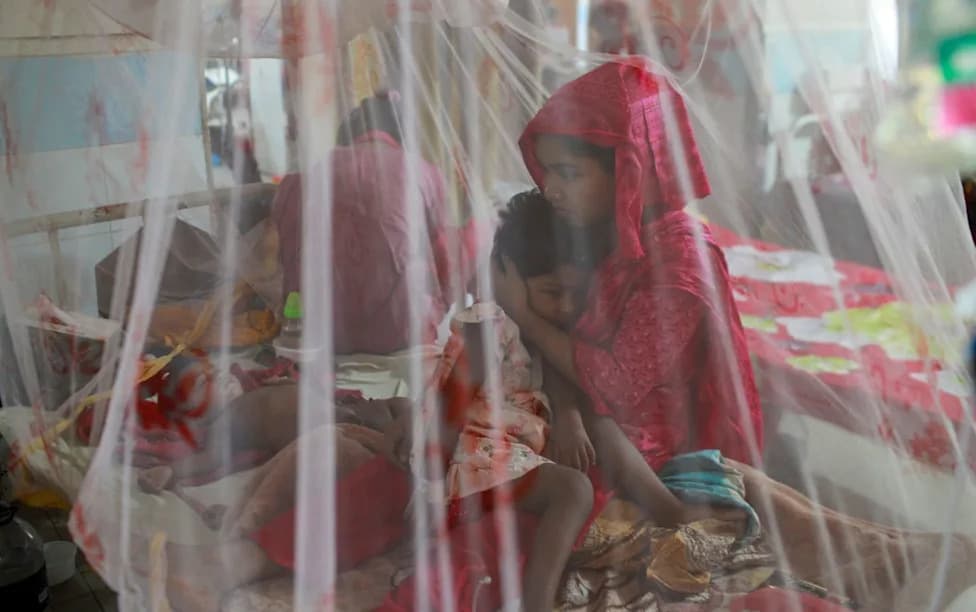
The greatest risk and the heaviest burden fall on tropical and subtropical regions, particularly rural, low-income populations who often face barriers to timely treatment and antivenom. Venomous bites can cause severe illness, permanent disability, or death, and incomplete reporting obscures the true scale of suffering.
Why Undercounting Matters
Undercounting snakebite cases and deaths can lead to inadequate funding, poor planning, and uneven distribution of lifesaving resources like antivenom. Better surveillance and more complete data would help governments and health agencies target prevention, stock essential treatments, and prioritize high-risk communities.
Shifting Risk With Climate and Urban Change
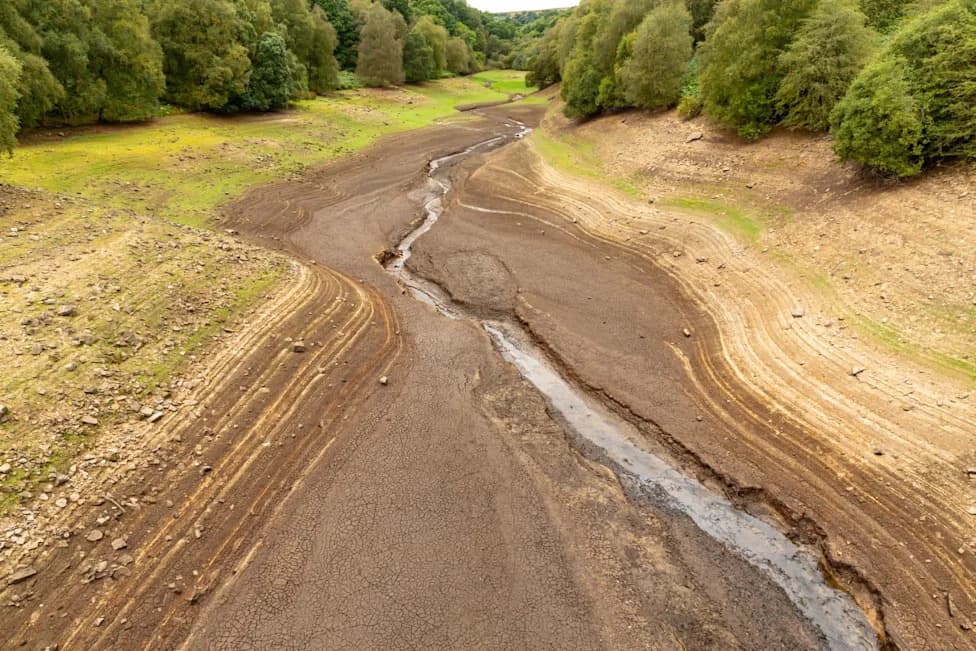
The review highlights that snakebite risk is not static. Climate change, land-use shifts, and migration are altering where and when people encounter venomous snakes. Researchers warn rising temperatures could expand the ranges of venomous species, exposing more people globally. Seasonal surges also matter—for example, Delhi's monsoon brings higher snake encounters in residential areas.
Recommendations
Authors and public-health experts call for improved surveillance systems, better reporting protocols, targeted antivenom distribution, community education, and increased funding to address blind spots. Strengthening local health infrastructure and data collection would make responses faster and more effective.
Bottom line: The study suggests current global estimates likely understate both envenoming and deaths. Closing data gaps and investing in prevention and treatment are essential to reduce avoidable harm in the world's most vulnerable communities.
Source: PLOS Medicine (Aug. 25), reported by Medical Xpress. Study authors include D. Ediriweera and A. Kasturuiratne.
Help us improve.