Researchers report a laboratory-made nanobody antivenom, derived from alpacas and llamas, that protected mice from lethal Indian cobra venom. The five-component cocktail remained effective even when given up to 20 minutes after envenoming, a delay designed to mimic field conditions. Nanobodies may offer advantages in potency, thermal stability and manufacturing consistency over century-old horse-derived antivenoms. However, larger animal studies, scaled manufacturing and human trials — all needing significant funding — are required before clinical use.
Nanobody Antivenom From Alpacas and Llamas Shows Promise Against India’s Deadliest Cobras
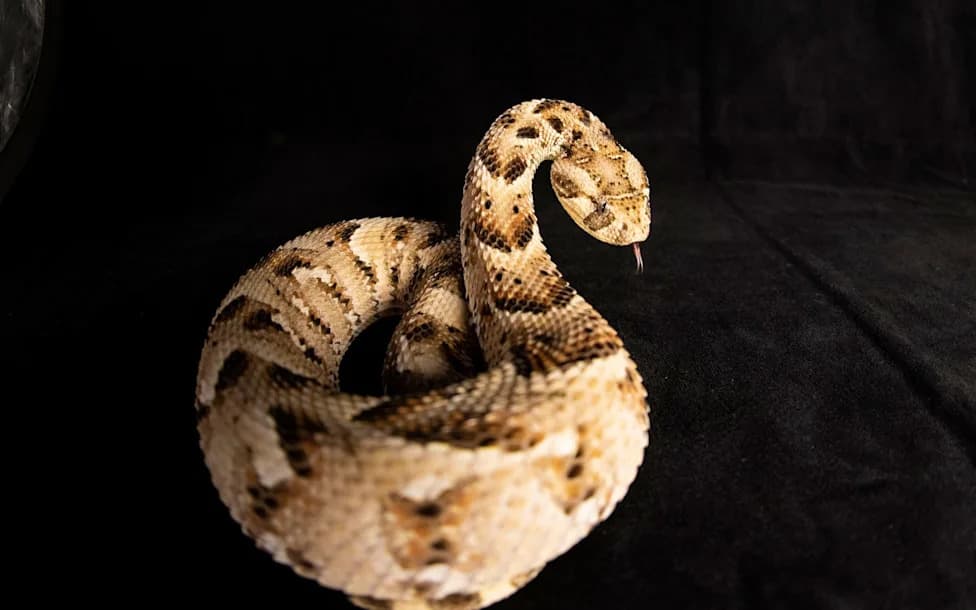
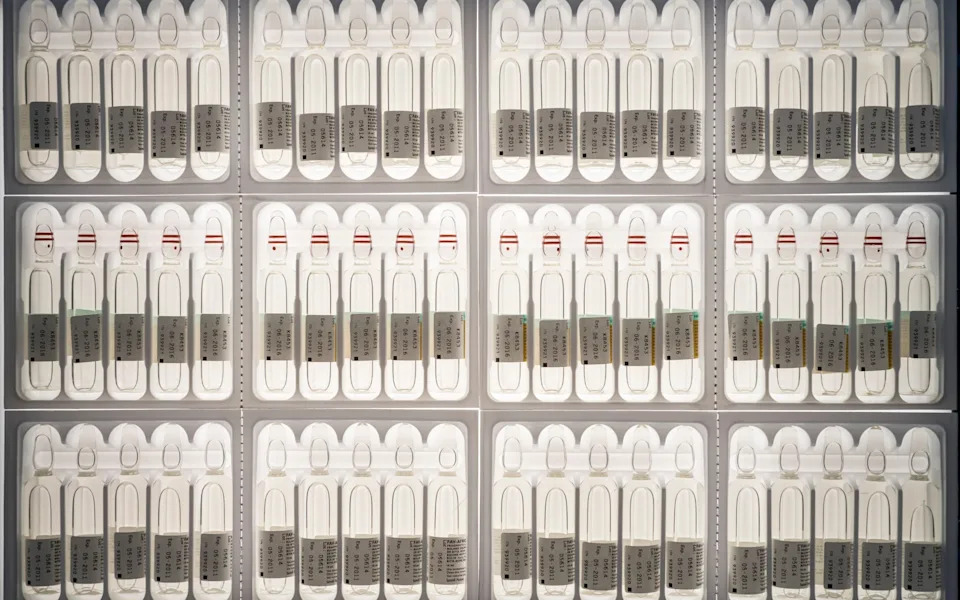
Researchers hope a next-generation antivenom treatment is on the horizon - Simon Townsley/© 2018 Simon Townsley Ltd
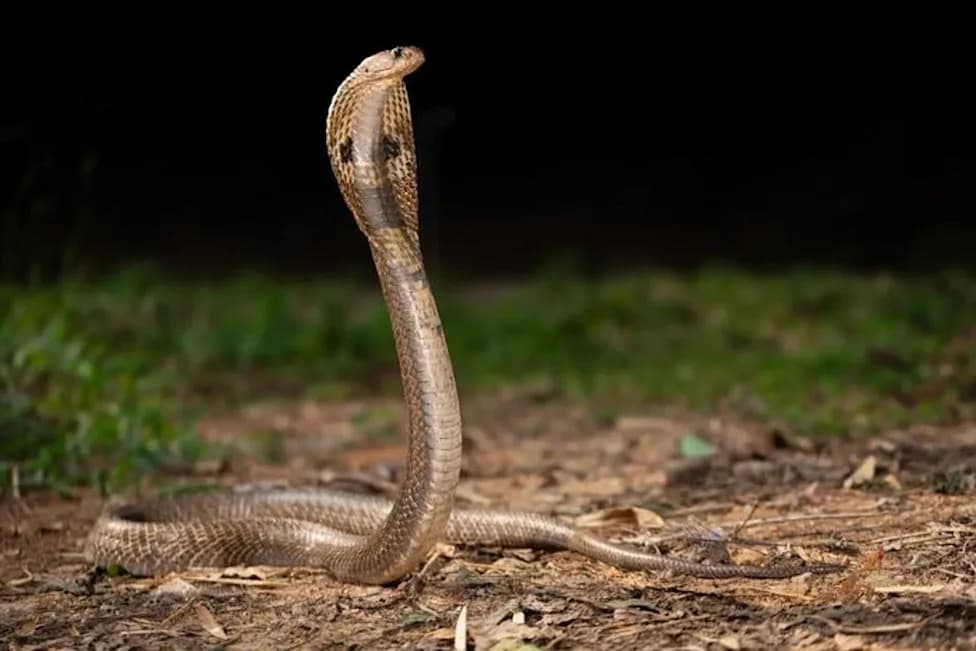
Researchers have engineered a next-generation antivenom made from laboratory-produced nanobodies derived from alpacas and llamas that protected mice against lethal doses of Indian cobra venom. The findings, reported in Science Translational Medicine, raise the prospect of broader, more stable antivenoms that could address gaps in current treatment.
Background
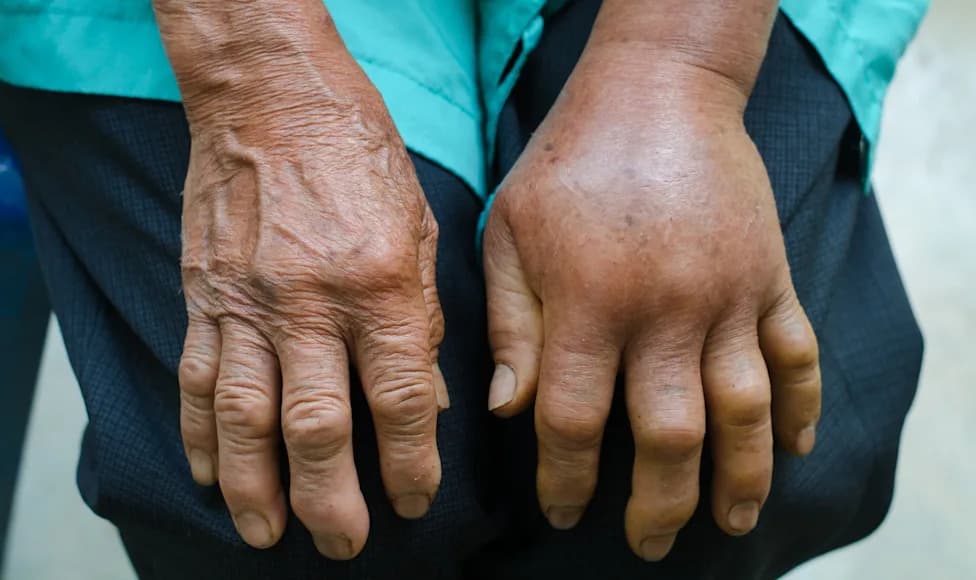
India experiences a disproportionate share of the global snakebite burden. Although estimates vary, roughly 1.4 million people are bitten across the country each year and tens of thousands die, constituting nearly half of global snakebite fatalities. Hundreds of thousands more suffer severe, life-changing injuries. Access to effective antivenom is unreliable in many rural areas, and conventional polyvalent antivenoms — produced by immunising horses with venom from the so-called 'big four' species — have changed little in a century. They can be difficult to administer, vary in quality from batch to batch, and may cause severe side effects.
What the Study Found
The new laboratory study tested an experimental cocktail of five nanobody components. In mice, this formulation neutralised lethal doses of Indian cobra venom even when administration was delayed by up to 20 minutes, a delay intended to mimic real-world treatment lags. The work focused on cobras and king cobras and built on previous nanobody discoveries that showed broad protection across several African snake venoms.
At least 50,000 people die of snake bites in India every year, accounting for roughly half of all snakebite fatalities worldwide - Simon Townsley/© 2018 Simon Townsley Ltd
Prof Andreas Laustsen-Kiel, co-author of the study, said the data suggest modern biotech can create simpler, more effective antivenoms than the century-old horse-based approach and could substantially reduce lives and limbs lost to snakebite.
Why Nanobodies Matter
Nanobodies are single-domain antibodies originally identified in camelids (such as alpacas and llamas) and in some cartilaginous fish. Their small, robust structure can make them highly specific, thermally stable, and potentially cheaper to manufacture than conventional monoclonal antibodies. These properties could translate into antivenoms that are more potent, easier to store and distribute in hot climates, and more consistent in quality.
Limitations and Next Steps
Despite promising results in mice, several steps remain before human use: larger animal studies, scaled-up manufacturing, regulatory toxicology, and human clinical trials. Each stage requires substantial funding. The researchers estimate that, with ample resources, human testing might begin within roughly 1.5–3 years; with typical funding constraints, trials may be 2.5–4 years away. Commercial development, regulatory approval and widespread deployment would add further time.
Prof Nicholas Casewell of the Liverpool School of Tropical Medicine noted that this study brings nanobody technology closer to the clinic but emphasised that funding and manufacturing scale-up are decisive factors for progress.
Outlook
The study represents an important proof of concept: engineered nanobody cocktails can neutralise clinically relevant snake venoms in preclinical models. If subsequent studies confirm safety, efficacy and cost-effectiveness, nanobody-based antivenoms could complement or eventually replace some horse-derived products, improving access and outcomes — especially in rural, resource-limited settings where the snakebite burden is highest.
Help us improve.