The State Human Rights Commission has demanded accountability after Central Hospital, Ulhasnagar, admitted careless handling of three-year-old Sultan Shaikh’s snakebite case, which ended in the child's death in June 2026. A preliminary inquiry by the hospital's civil surgeon named two staff members and led to a one-month extension of three interns' placements. The SHRC has summoned the Thane Deputy Director of Health Services for an Oct. 26 hearing and has requested an action-taken report. The case highlights the critical need for rapid emergency response and clear protocols in fast-moving incidents such as snakebites.
Rights Panel Probes Hospital After Careless Handling of 3-Year-Old’s Fatal Snakebite
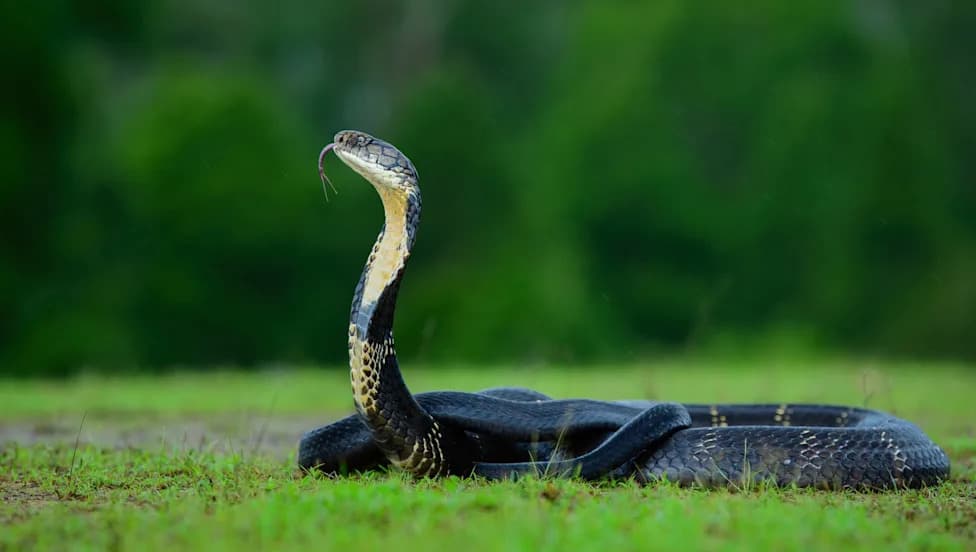
Photo Credit: iStock
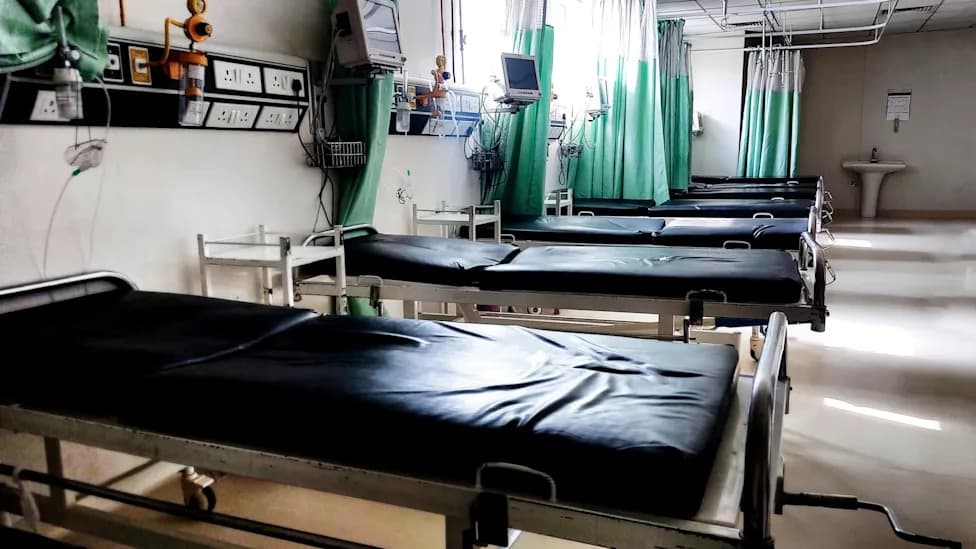
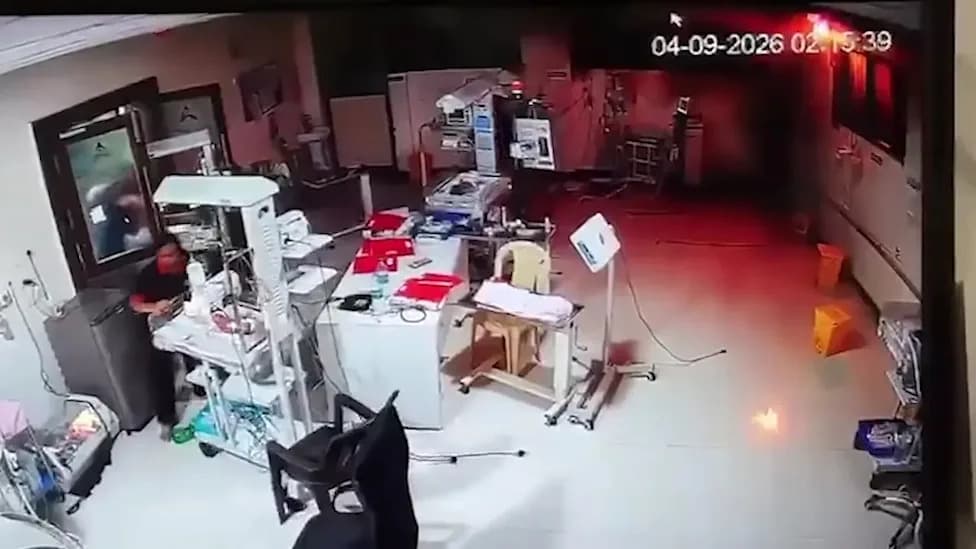
A state human rights commission in India has demanded answers after a government hospital acknowledged that the treatment of three-year-old Sultan Shaikh — who died after a snakebite in June 2026 — was handled carelessly before he was given care.
What Happened
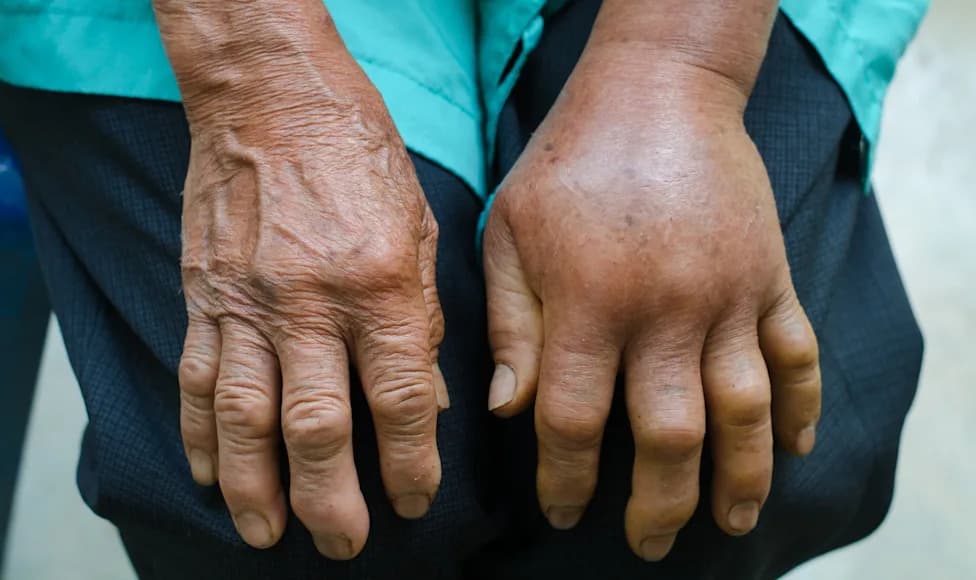
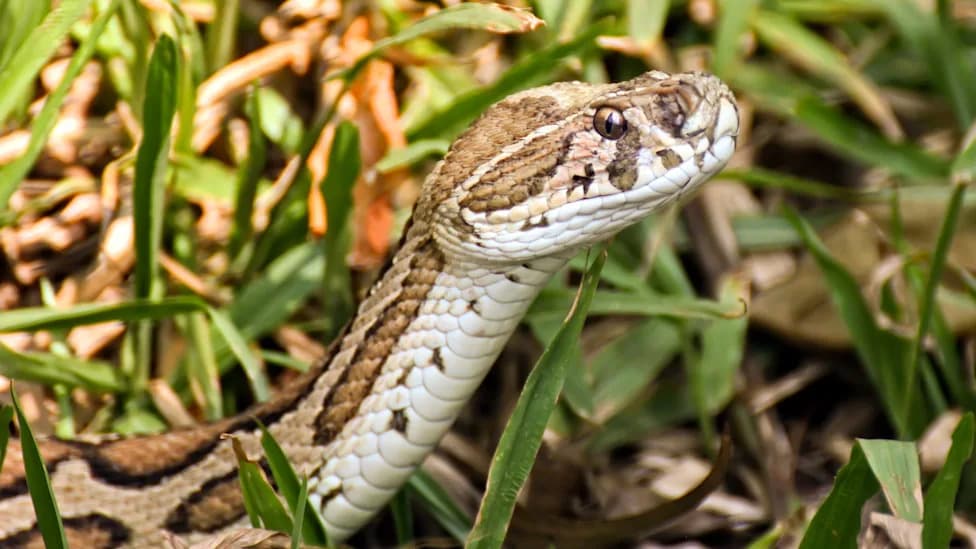
According to reports, the boy was bitten on the waist while playing at home in Ambernath's Shiv Mandir-Kailas Colony. Family members say he began crying uncontrollably and, after spotting the snake, they rushed him to the government-run Central Hospital in Ulhasnagar. The family alleges that hospital staff delayed urgent treatment and asked them to produce a photograph of the snake before intervening, costing valuable time.
"The doctors allegedly asked us to show them a photograph of the snake that bit our son. They said treatment could only proceed after identifying the snake. While we were struggling to explain the situation, valuable time was lost," a relative said.
Investigation and Official Response
The State Human Rights Commission (SHRC) took suo motu cognizance of media coverage and obtained a preliminary report prepared by Dr. Manohar Bansode, the civil surgeon at Central Hospital, Ulhasnagar. Bansode's fact-finding concluded that the case "was carelessly handled by Dr. Asia Shaikh and Mrs. Sangita Munde, the staff nurse." The SHRC's order also notes that the internships of three interns who were present during the incident were extended by one month.
For a hearing scheduled on October 26, the commission has summoned the Thane Deputy Director of Health Services for the Mumbai Circle and requested an action-taken report from that office. Dr. Bansode has said he forwarded his findings to the Thane office and is awaiting follow-up action.
Clinical Context
Medical staff sometimes rely on photos of the biting snake to help identify the species and likely venom, but officials acknowledge that such images are not always obtainable and treatment should not be delayed while attempting to secure one. In fast-moving emergencies like snakebites, rapid clinical assessment and prompt administration of antivenom or supportive care are critical.
Broader Public-Health Concerns
Sultan Shaikh's death is being examined against a wider public-health backdrop in India, where rising temperatures and changing human-animal interactions are contributing to more frequent and sometimes hazardous encounters with wildlife, including snakes. Such trends, plus outbreaks of vector-borne disease in some urban areas, place additional strain on medical services and highlight the need for clear emergency protocols and training.
What Comes Next: The SHRC hearing on October 26 will consider the action-taken report and may recommend further disciplinary or administrative steps depending on the findings from the Thane health office.
Help us improve.