Through Aug. 12, 2026 North Carolina had recorded 595 venomous snakebite exposures, keeping annual totals steady and ranking the state highest per capita. Antivenom is often needed within four to six hours to limit tissue damage and bleeding, but CroFab vials can cost about $11,000–$14,000 each and many cases require multiple vials. Hospital bills for snakebite care can reach tens of thousands of dollars; one patient reported roughly $91,000. Experts stress immediate emergency care and warn against outdated first-aid methods like tourniquets or suction.
Nearly 600 Venomous Snakebites Reported in North Carolina — Antivenom Care Can Top $90K
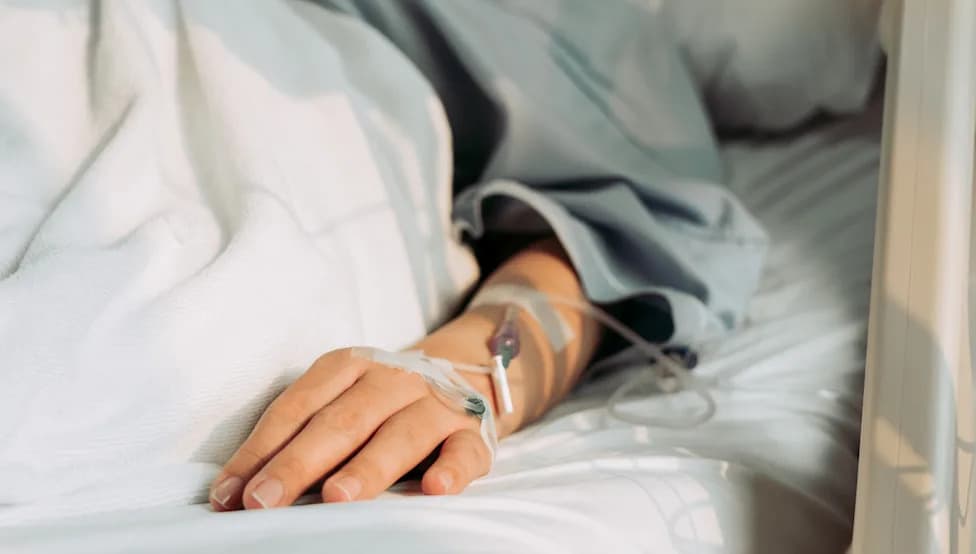
Photo Credit: iStock
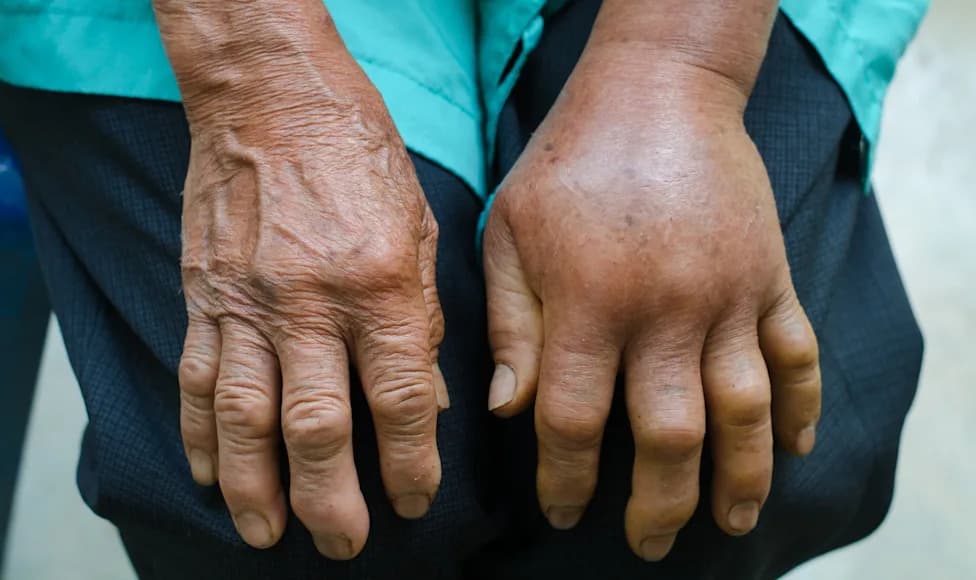
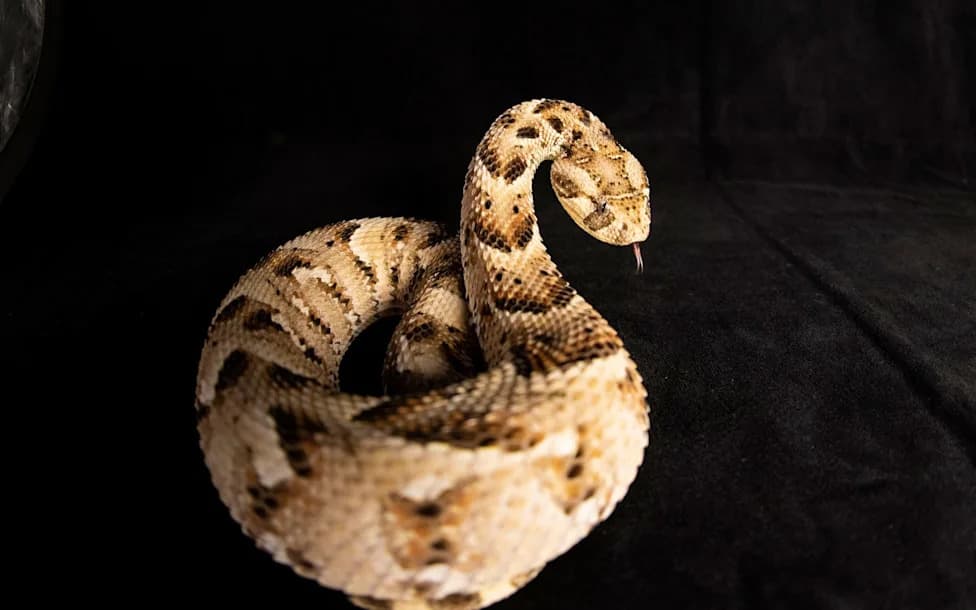
Nearly 600 venomous snakebite exposures have been reported in North Carolina so far in 2026, and the consequences extend beyond the initial wound: venom can rapidly damage tissue and disrupt blood clotting, and treatment can be extremely expensive.
What The Numbers Say
Through Aug. 12, 2026, the North Carolina Poison Control Center had recorded 595 human snakebite exposures, according to WRAL. Totals this year have been consistent with recent years: by July 20, 2026 the state had logged 478 cases, similar to 477 in 2025 and 474 in 2024. On a per-capita basis, North Carolina leads the nation in reported venomous snakebites.
Personal Impact
In June, Shelly Leslie — formerly of Capitol Broadcasting Company — said a copperhead bite left her leg feeling "like hot, hot fire" and resulted in a roughly $91,000 medical bill after treatment.
"Felt like my leg was on fire," Leslie said. "It was like hot, hot fire traveling up my leg."
Why Speed Matters
Antivenom is most effective when given quickly. Citing Kaiser Permanente, WRAL reported that antivenom is generally needed as soon as possible — often within four to six hours — because venom can continue to harm tissue and interfere with clotting.
Costs And Why They're High
Part of the sticker shock is the drug itself. A WakeMed spokesperson told WRAL that a vial of CroFab antivenom costs roughly $11,000–$14,000, and many standard cases use four to six vials. UNC Health said billed charges for a typical snakebite case may range roughly $46,000–$78,000. Emergency physicians such as Dr. Benjamin German — known locally as the "Venom Doc" — say the drug's high price is partly driven by its relative rarity and the economic realities of producing a specialized medication.
Dr. Benjamin German: "Antivenom is considered an orphan drug because it is not used very frequently."
Immediate Steps After A Bite
If bitten, seek emergency care immediately — do not wait it out. Experts recommend calling for help, moving to a safe location, and getting to an emergency department as soon as possible.
Things to avoid after a venomous bite:
- Do not use a snakebite kit, tourniquet, or try to cut the wound.
- Do not attempt suction or try to catch or kill the snake.
- Avoid applying ice, heat, topical substances, or drinking alcohol.
If possible, gently wash the bite site. For pain control, acetaminophen (paracetamol) is acceptable until medical care is available; other analgesics should be avoided until a clinician evaluates you.
Prevention And Broader Context
Encounters with venomous snakes are more common in warm months and in areas where people and wildlife overlap — a trend that may be amplified by rising temperatures and expanding human development. That broader pattern is prompting public-health concerns worldwide as suitable habitats shift and human-snake encounters increase.
- Climate change and habitat shifts are expected to expand the range of venomous snakes in many regions.
- Urban growth and development can push snakes into closer contact with people, increasing bite risk.
- Public education about rapid treatment and correct first aid remains critical to reducing severe outcomes.
Bottom line: If bitten by a venomous snake, get to emergency care immediately. Antivenom can halt the spread of venom, reduce tissue damage, and shorten recovery time — but it is most effective when given quickly.
Help us improve.