A collaborative India–Denmark team engineered a five-nanobody recombinant antibody cocktail that neutralises venoms from multiple cobra species. Derived from camelid immune responses and producible in microbial systems, the cocktail protected mice from spectacled, monocellate and king cobra venoms — in some cases even when given 30 minutes after envenoming. The modular design could be tailored regionally and promises a potentially safer, more scalable alternative to traditional antivenoms.
Engineered Nanobody Cocktail Provides Broad Protection Against Multiple Cobra Venoms
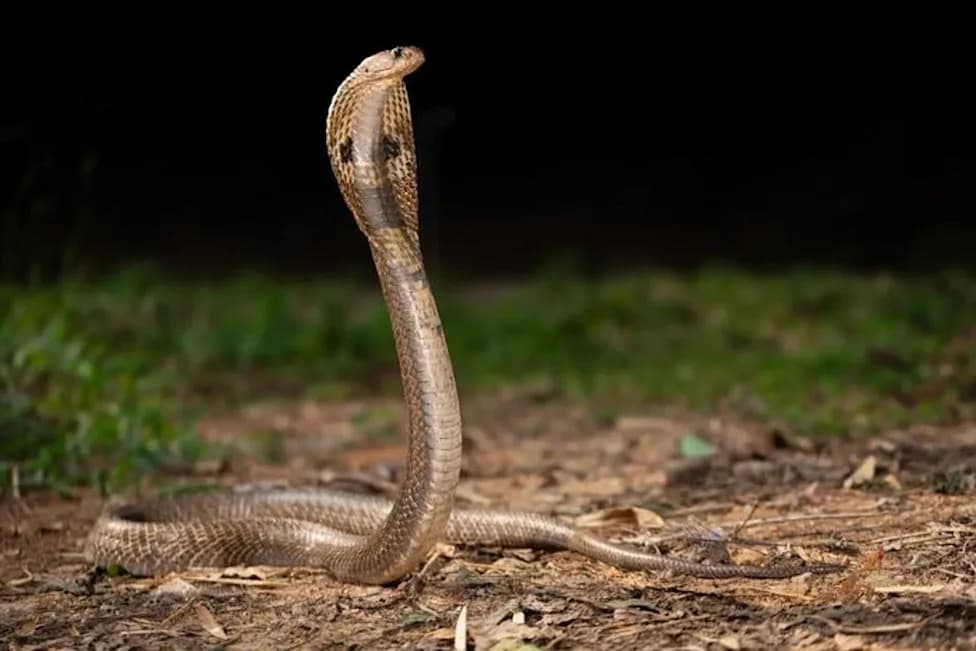
This antivenom cocktail could be game-changer for treating snakebites
Researchers in India and Denmark have developed an engineered antibody cocktail that neutralises venoms from several cobra species, a promising advance that could reduce thousands of snakebite fatalities worldwide.
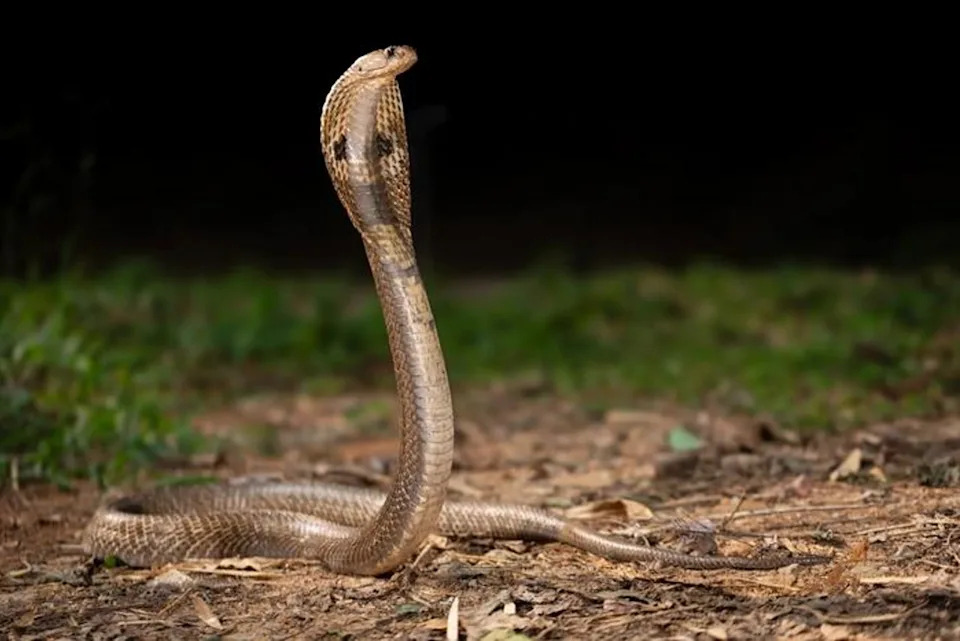
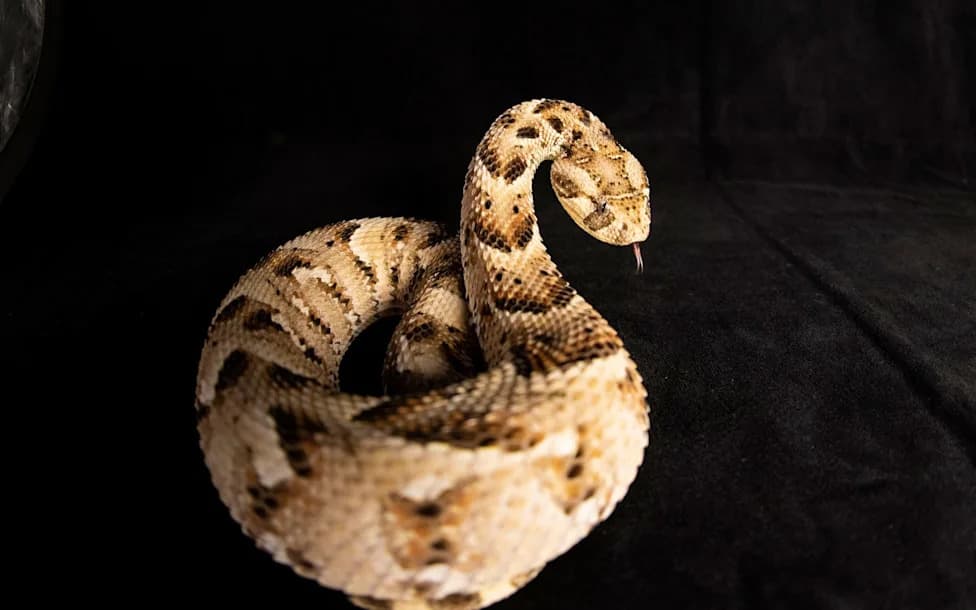
Spectacled cobra (Naja naja) from the Indian Institute of Science (IISc) campus in Bengaluru (Kartik Sunagar)
Why This Matters
Cobra venoms differ by species and contain distinct toxin families that attack nerves, blood or tissues, which makes it hard to create a single, broadly effective antivenom. Conventional antivenoms — produced by repeatedly immunising large animals and harvesting their antibodies — suffer from variable potency, risk of adverse reactions and limited coverage across species.
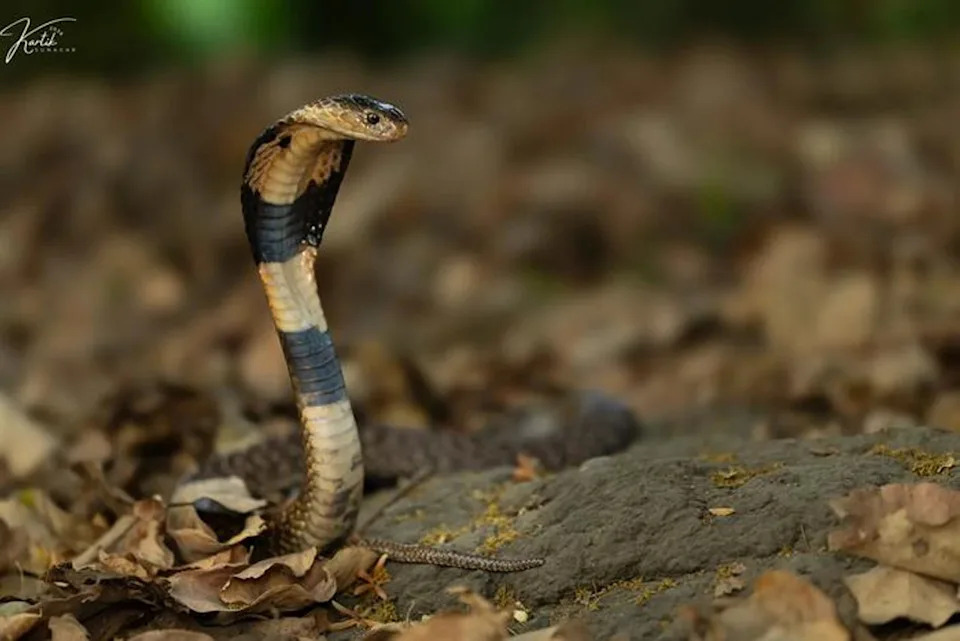
Monocellate cobra (Naja kaouthia) from West Bengal, India (Kartik Sunagar)
What The Study Did
The team, publishing in Science Translational Medicine, immunised camelids (alpacas and llamas) with venoms from multiple Indian cobra species. The animals produced compact, highly specific antibodies (nanobodies) that were then isolated. Because these antibody fragments are small and robust, they can be expressed and mass-produced in microbial systems rather than relying on large-animal serum production.
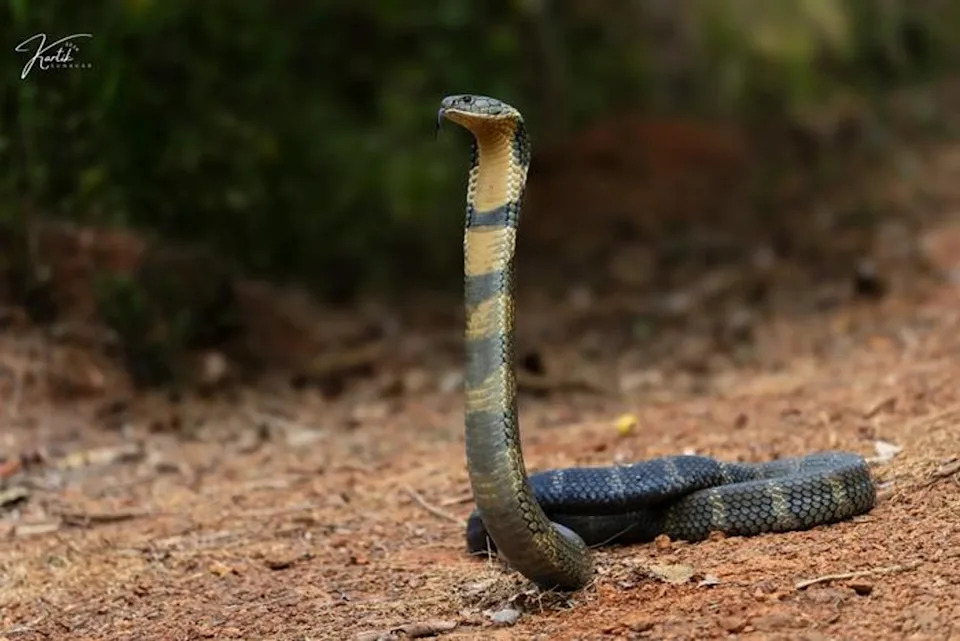
King cobra (Ophiophagus kaalinga) from the Western Ghats of India (Kartik Sunagar)
Key Findings
Researchers assembled a cocktail of five nanobody fragments that bound to toxin families shared across the tested cobra venoms. In mouse experiments the cocktail neutralised venom activity and prevented toxins from binding to their physiological targets. The treatment protected mice injected with venom from spectacled cobra (Naja naja), monocled or monocellate cobra (Naja kaouthia), and Indian king cobra species tested; in some cases it rescued mice even when administered 30 minutes after venom exposure.
"Antivenom treatment has virtually not changed for over 100 years. This is the only next-generation antivenom we have now, which could tackle India's snakebite problem," said Dr. Kartik Sunagar, a study co-author.
The modular design of the antibody components means the cocktail could be adapted to include additional nanobodies targeting toxins from other medically important snakes, enabling region-specific recombinant antivenoms.
Implications and Next Steps
This recombinant approach could lower production costs, improve batch consistency and reduce the risk of immune reactions compared with conventional antivenom. While results in mice are encouraging, further preclinical safety testing and clinical trials will be required before such products can be used in humans.
Help us improve.