The U.N. Security Council was split after Russia and China vetoed a U.S. resolution to renew an expert panel that monitors Iran sanctions. The measure received 11 votes in favor while Pakistan and Somalia abstained; the vetoes blocked adoption. The core dispute centers on whether the JCPOA “snapback” restored sanctions in 2025, and the panel was never reconstituted because of appointment disagreements. The outcome leaves uncertainty over independent monitoring even as some sanctions are reported to remain in effect.
Russia, China Veto U.N. Renewal of Iran Sanctions Monitor, Leaving Council Divided
(Dreamstime)
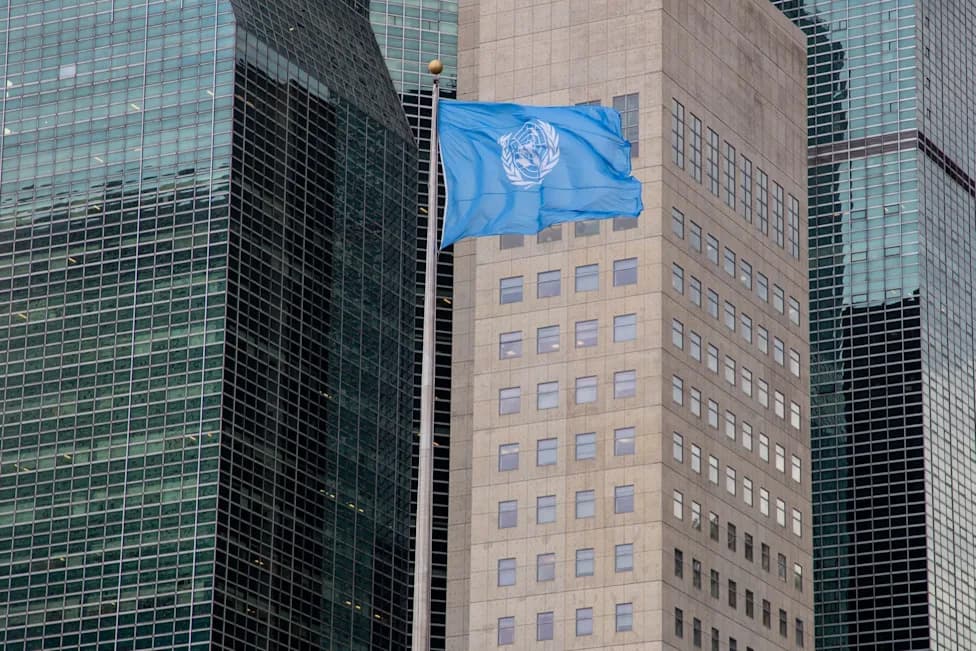
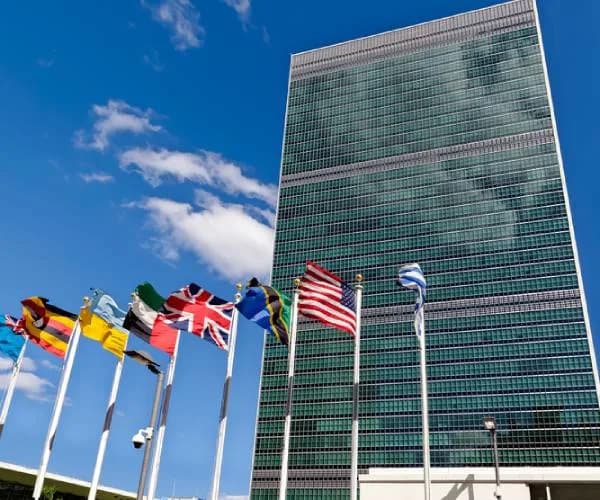
Russia and China used their vetoes Thursday to block a U.S. resolution that would have renewed U.N. monitoring of sanctions on Iran, deepening divisions within the 15-member U.N. Security Council over measures tied to Tehran’s nuclear program.
The U.S. asked for a one-year renewal of an expert panel that reports possible sanctions violations to the council. The measure drew 11 votes in favor; Pakistan and Somalia abstained. Because Russia and China are permanent members, their vetoes prevented the resolution from being adopted.
Dispute Over “Snapback” and Legal Status
At the center of the confrontation is whether U.N. sanctions were restored in 2025 under the Joint Comprehensive Plan of Action (JCPOA) “snapback” mechanism. Britain, France and Germany initiated the snapback process; Moscow and Beijing contend that the sanctions lapsed with U.N. Security Council Resolution 2231 — which endorsed the nuclear deal — in October 2025. The United States and several European governments reject that interpretation, leaving the legal status of the measures contested.
Panel Not Reconstituted
The expert panel had been tasked with monitoring implementation of the sanctions and reporting possible violations. Reuters reported the panel was never reconstituted because council members could not agree on appointments — a failure that, diplomats say, creates a gap in independent reporting.
“These vetoes will leave a gap in independent reporting,” said Jennifer Locetta, deputy U.S. ambassador to the U.N. The Associated Press quoted her saying the experts "would have shined the light" on prohibited cooperation involving Iran and its partners.
Russia’s U.N. ambassador, Vassily Nebenzya, defended Moscow’s veto, saying it opposed steps it viewed as politicizing the council’s handling of Iran; Reuters reported Nebenzya accused Washington of choosing confrontation. China likewise urged diplomacy and argued the council should not use sanctions as leverage against Tehran.
The council vote does not resolve the underlying legal disagreement over whether the sanctions remain in effect. According to the Associated Press, the sanctions are still treated as in force and include measures such as asset freezes, arms restrictions and controls related to Iran’s ballistic missile programs.
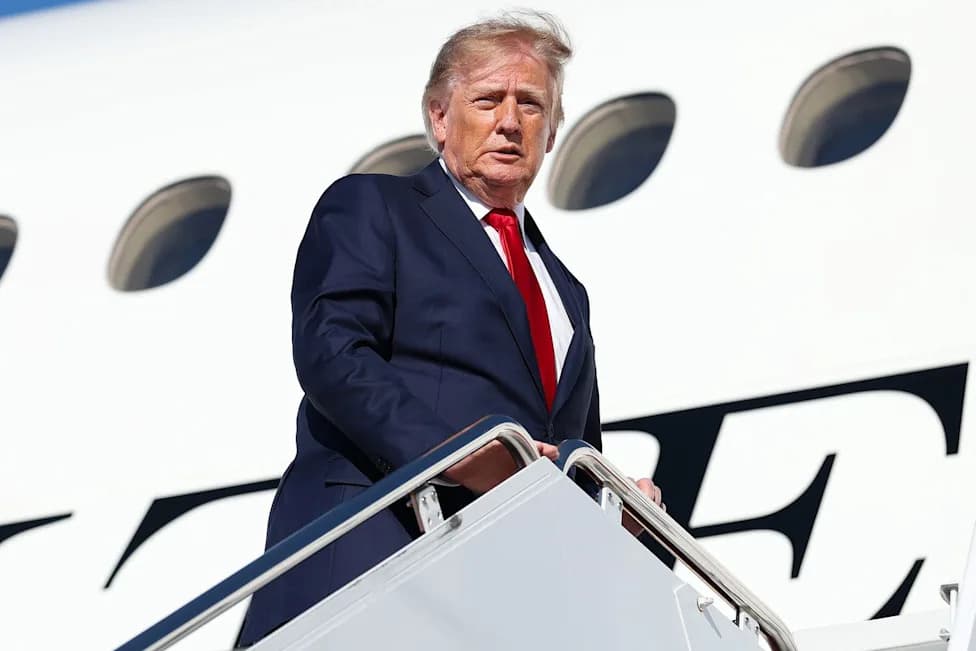
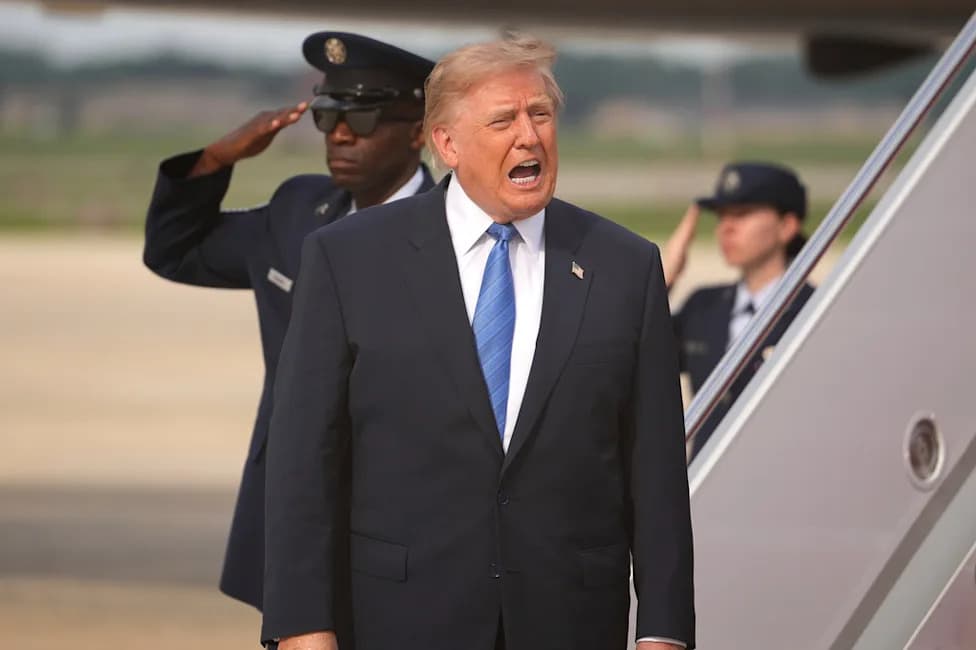
The U.N. mandate schedule lists the expert panel’s mandate as ending Sept. 27. The confrontation comes as President Donald Trump presses China over its economic ties with Iran; Trump and Chinese President Xi Jinping are scheduled to meet Sept. 24 in Washington, with the situation in Iran expected to be among the topics discussed.
Reporting by Reuters and The Associated Press. © 2026 Newsmax.
Help us improve.