Insilico Medicine reports that rentosertib, an AI-assisted drug candidate, reduced biological-age estimates across six aging clocks in a small clinical trial of 42 IPF patients. The study, published in Nature Biotechnology, highlights how AI can accelerate molecule design and drug discovery. Experts caution the findings are preliminary due to the small sample, disease-specific cohort, and ongoing debate over the reliability and clinical meaning of aging clocks. Larger trials and validation in healthy populations are needed.
AI-Designed Drug Shows Early Evidence Of Reversing Biological Aging Markers

The rapidly evolving technology is making its way into medical research. | Credit: asbe / Getty Images
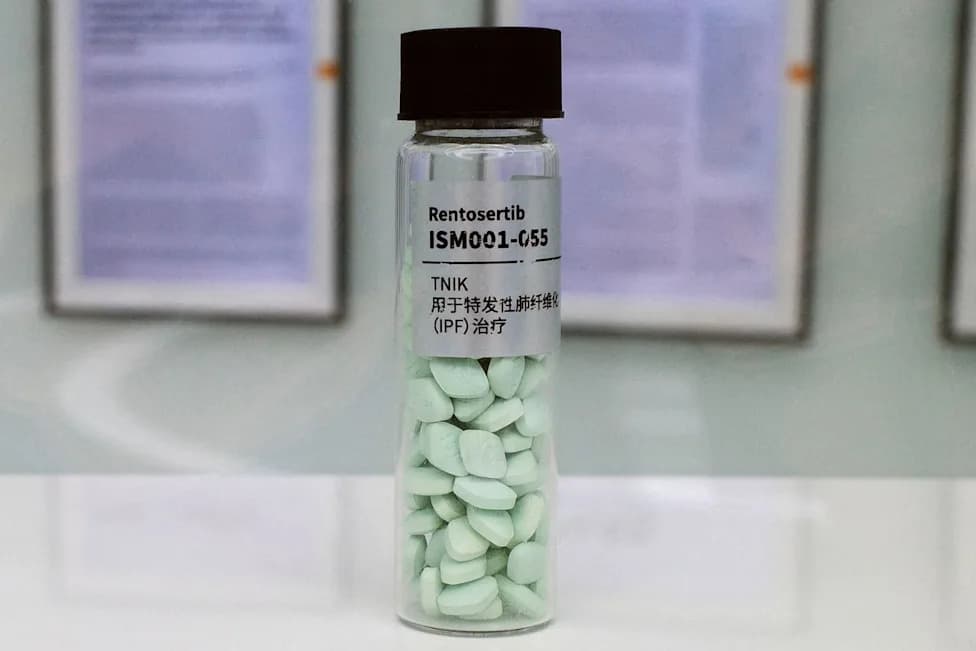
A pharmaceutical startup reports that an AI-assisted molecule appears to reduce biological markers of aging in a small clinical trial — a finding that, if validated, could influence both antiaging research and how drugs are discovered.
Who and what: Insilico Medicine used artificial intelligence to help generate the molecular structure of a drug candidate called rentosertib. Initial clinical-trial data published in Nature Biotechnology show that the drug lowered estimated biological age across six different "aging clocks," computational tools designed to estimate morbidity and mortality risk from biological data.
Trial details and main findings
The randomized study enrolled 42 patients with idiopathic pulmonary fibrosis (IPF), a chronic lung disease sometimes described as the "Alzheimer's of the lungs." Across several aging-clock algorithms, researchers observed reductions in predicted biological age after treatment with rentosertib. Investigators highlight this as a notable milestone for applying machine-learning methods to healthcare and drug discovery.
Important caveats
Experts caution the results are preliminary. The trial was small, included only patients with IPF, and did not test rentosertib in healthy volunteers, so the effects may be disease-specific. Aging clocks — while promising — are not universally accepted as definitive measures of biological age, and different clocks can produce varying estimates. Long-term clinical benefits, safety in larger and more diverse populations, and whether reduced clock estimates translate into improved health outcomes remain unknown.
"If your biological age is lower, you are likely to die later," said Alex Zhavoronkov, CEO of Insilico Medicine, while also emphasizing the preliminary nature of the findings.
What this means for AI and drug discovery
Analysts say AI is unlikely to replace scientific judgment but can make the costly, time-consuming research-and-development work more efficient by accelerating target discovery, molecular design and candidate selection. Insilico is one of many startups, technology companies and academic labs exploring how machine learning can complement laboratory work. The broader pharma industry is increasingly interested in antiaging research following wider benefits observed with classes of drugs such as GLP-1 agonists.
Bottom line: Rentosertib’s effect on aging clocks is an intriguing early signal that AI-designed molecules could influence biological aging markers, but larger, controlled studies and validation across healthy cohorts and clinically meaningful endpoints are required before considering antiaging claims confirmed.
Help us improve.