Optimi Health will begin a Health Canada‑authorized Phase III trial next year to test synthetic MDMA‑assisted psychotherapy for PTSD in Canada, enrolling up to 100 participants. The study will focus on veterans and current or former frontline workers and will deliver two supervised MDMA dosing sessions combined with psychotherapy. The primary outcome is change on the Clinician‑Administered PTSD Scale for DSM‑5 (CAPS‑5); two dosage regimens will be evaluated with follow‑up safety and efficacy assessments. Optimi manufactures MDMA and botanical psilocybin in British Columbia but does not yet have Health Canada market authorization.
Optimi Health Launches Health Canada‑Authorized Phase III MDMA-Assisted Therapy Trial For PTSD

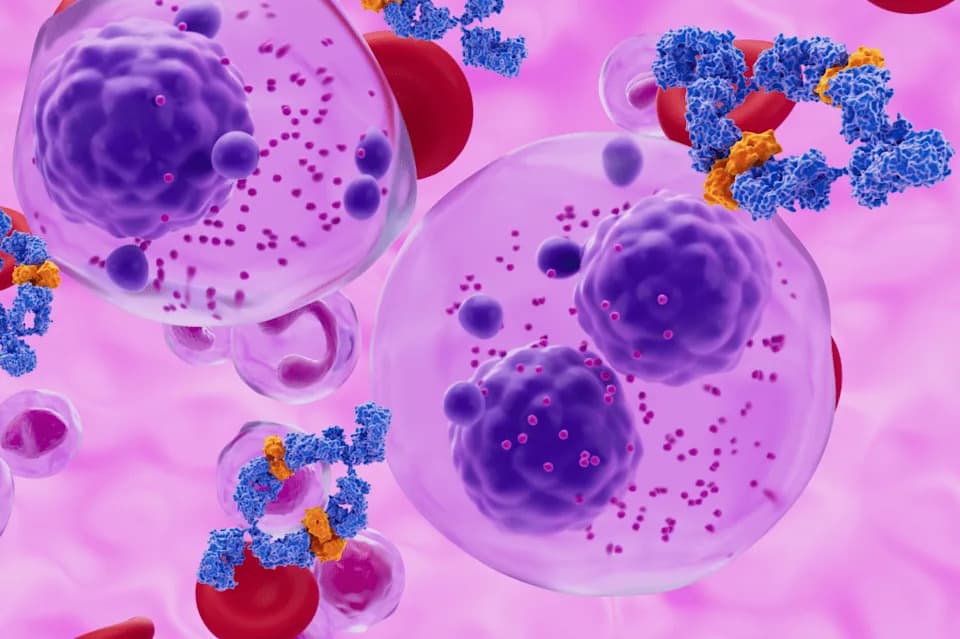
PTSD can occur after experiencing or witnessing traumatic or life-threatening events. Credit: Phalexaviles / Shutterstock.com.
Optimi Health will initiate a Health Canada‑authorized Phase III clinical trial next year to evaluate synthetic MDMA‑assisted psychotherapy for people living with post‑traumatic stress disorder (PTSD) in Canada. The study is expected to enroll up to 100 participants at multiple sites nationwide and will prioritize veterans and current or former frontline workers, including police, paramedics, firefighters, healthcare workers and members of the military.
Trial Design and Treatment
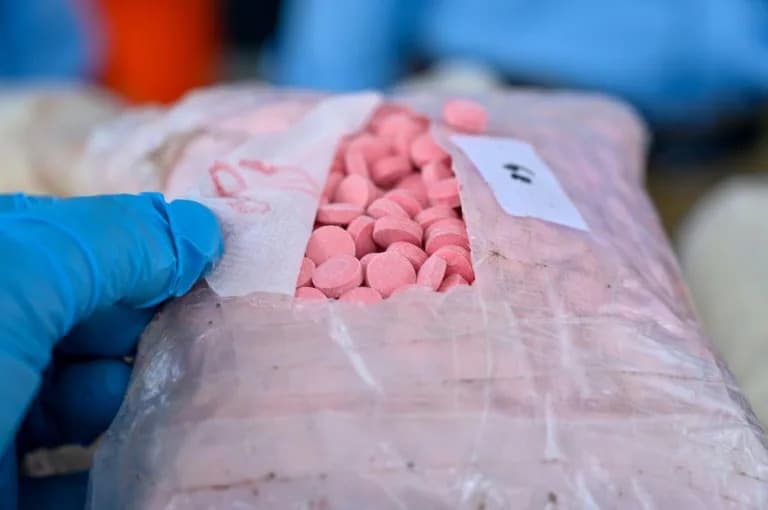
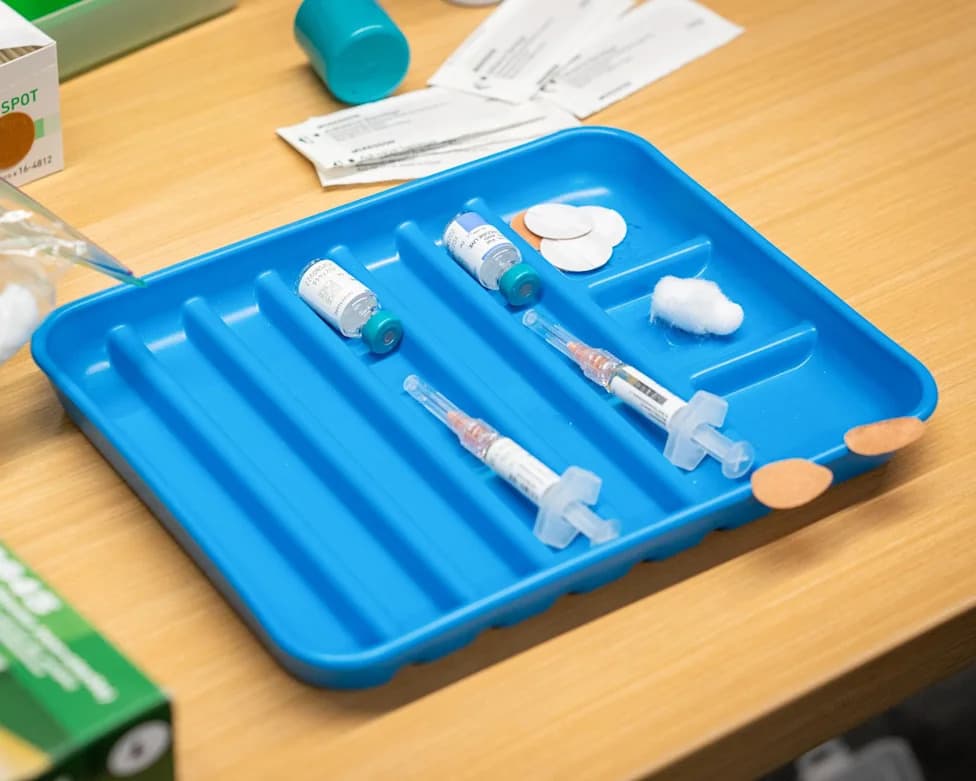
Enrolled participants will receive pharmaceutical‑grade MDMA hydrochloride produced by Optimi Health during two supervised dosing sessions spaced several weeks apart. Each dosing session will be combined with psychotherapy delivered by trained clinicians. Optimi plans to test two different dosage regimens and will conduct follow‑up assessments after the final session to monitor efficacy and safety.
Primary Outcome and Measures
The trial's primary efficacy endpoint will be the change in the Clinician‑Administered PTSD Scale for DSM‑5 (CAPS‑5), the standard clinician‑rated instrument for measuring PTSD symptom severity. Secondary outcomes and safety assessments will likely include measures of functional status, depression symptoms, and adverse events, consistent with late‑stage clinical development practice.
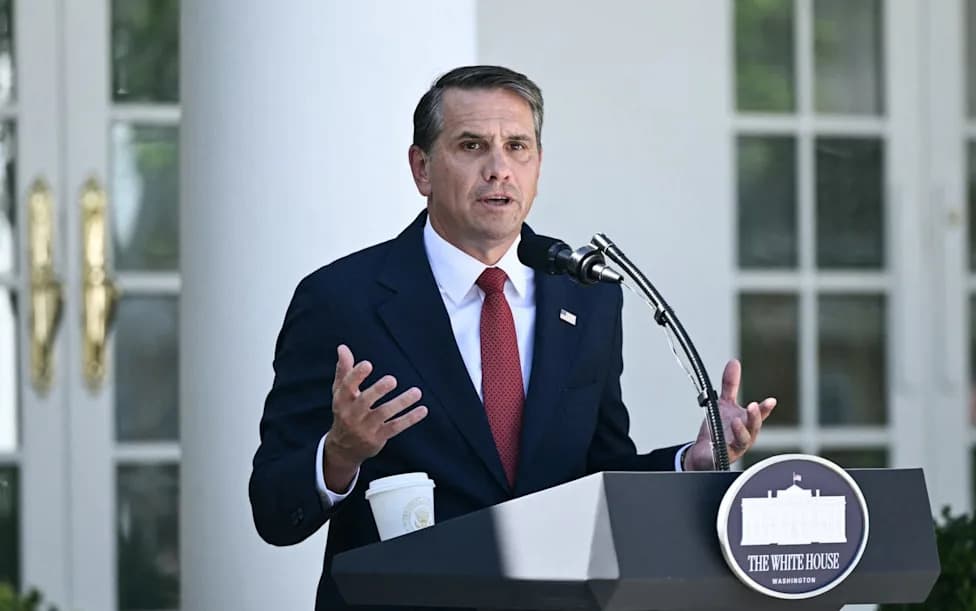
Dane Stevens, CEO and Co‑Founder: "On the heels of announcing our Phase II trial of natural psilocybin for major depressive disorder, we are preparing to advance our synthetic MDMA into an approved Phase III trial in PTSD, with the goal of submitting both products for registration. Psychedelic‑assisted therapies have shown promise in helping patients find relief."
Company and Regulatory Context
Optimi Health manufactures pharmaceutical‑grade psychedelic compounds, including synthetic MDMA and botanical psilocybin, at its facilities in British Columbia. While Optimi's MDMA formulations are prescribed in Australia through that country's Authorised Prescriber Scheme, none of the company's products have yet received market authorization from Health Canada.
Background on PTSD: PTSD can develop after experiencing or witnessing traumatic or life‑threatening events and often causes persistent emotional distress that interferes with daily functioning. Late‑stage trials such as this aim to determine whether MDMA‑assisted psychotherapy provides clinically meaningful improvements over existing treatments.
Safety and Oversight: The study will be conducted under Health Canada authorization with clinical oversight, standardized psychotherapy protocols, and safety monitoring to evaluate both benefits and risks in the enrolled population.
Help us improve.